With this season’s drought, many wasps, yellow jackets and flies are increasingly foraging in people’s lawns and gardens. Beyond being a nuisance, these insects can be aggressive and pose risks—especially around children and pets. Some homeowners are turning to professional pest control services for the Oregon Coast to achieve longer-term prevention and peace of mind.
We’ve observed a marked increase in flies and wasps around our home. My wife has already been stung once this year, and with a new baby who loves playing outside, keeping the yard safe is a top priority.
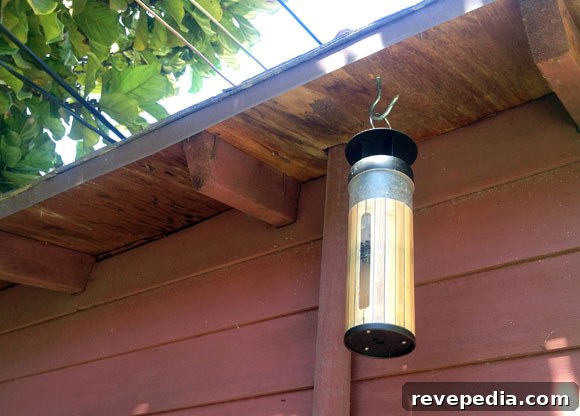
Recently we tried Black Flag’s Flying Insect Trap. It’s non-toxic and blends into the backyard without drawing attention. We’d previously tested the clear hanging water bags that rely on scent lures; those were hit-and-miss and often left an unpleasant odor. By contrast, the Black Flag trap includes specific lures for flies and for wasps, and we discovered the wasp trap was particularly effective at catching a wide variety of flying pests.
The main downside is that emptying the trap — disposing of the trapped insects and re-priming the lure — can be messy and smell unpleasant. Even so, the performance makes it worthwhile for us. If mosquitoes, wasps or flies are a problem this summer, a trap like this is a practical, low-toxicity option to reduce insect activity in outdoor spaces.
In addition to traps, here are five practical steps to keep bugs from disrupting your outdoor gatherings:
- Use trash cans with secure lids and position them away from seating and dining areas to avoid attracting insects near guests.
- Keep lamps, lanterns and other light sources at a distance from people. Many flying insects are drawn to light, so separating lighting from gathering spaces reduces encounters.
- Cover food promptly when you’re finished serving. Clear away crumbs and pack up tablecloths to prevent lingering food smells that attract flies and wasps.
- Plant aromatic herbs—lavender, rosemary, peppermint, garlic, chives and basil—in small beds or pots around your outdoor dining area. These plants act as gentle, natural insect deterrents and can be decorative too.
- Fill small bowls with citrus peels, such as orange and lemon rinds. The scent can help repel certain insects and is an inexpensive, chemical-free option.
Taking a few of these precautions, along with targeted traps where appropriate, will significantly reduce the number of bothersome and potentially dangerous insects around your outdoor living spaces. That combination keeps gatherings more comfortable and safer—especially when young children are playing outside.