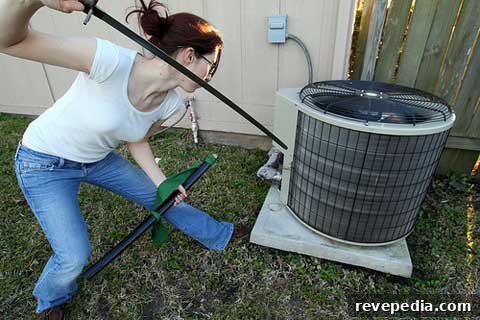
To help homeowners extend the life of their air conditioning system, Bill Cunningham, a home cooling and energy efficiency specialist at Lennox, offers practical tips to keep your system running reliably and efficiently through the summer months.
Three Signs You May Need to Replace Your Air Conditioner
1. The system runs constantly and your energy bills are unusually high.
2. The unit requires frequent repairs.
3. The system is more than 12 years old.
1. Change the Filter – A dirty air filter is the most common preventable cause of system failure. When a filter becomes clogged with dust and particles, airflow is restricted and the system must work harder to cool your home. Regularly replacing or cleaning filters improves airflow, reduces strain on the equipment, and lowers operating costs.
2. Schedule an Annual Check-up – Have a qualified technician service your system at the start of each cooling season. A professional inspection ensures all major components are working correctly and lets the technician spot small issues before they turn into costly repairs. Routine maintenance keeps your system running efficiently and reliably.
3. Keep the Unit Clean and Clear – Maintain proper clearance around the outdoor condensing unit by removing leaves, grass clippings, weeds, and other debris. Keep plants and shrubs trimmed back from all sides and the top so the unit can draw in air and dissipate heat effectively.
4. Set It and Forget It – Programmable thermostats reduce unnecessary runtime by maintaining steady temperatures and only operating the air conditioner when needed. Many modern thermostats include service reminders to prompt routine maintenance. Using a programmable thermostat saves energy and can extend the life of your system.
5. Replace a System That’s Past Its Prime – Annual maintenance can stretch the life of an air conditioner and reduce repair costs, but systems older than 12–15 years often become less reliable and far less efficient. Replacing an aging unit with a modern, energy-efficient model can cut energy bills significantly and reduce the need for frequent repairs.
By following these straightforward practices—regular filter changes, yearly professional inspections, keeping the outdoor unit clear, using a programmable thermostat, and recognizing when replacement is wiser than repair—you can improve comfort, reduce energy use, and extend the useful life of your air conditioning system.