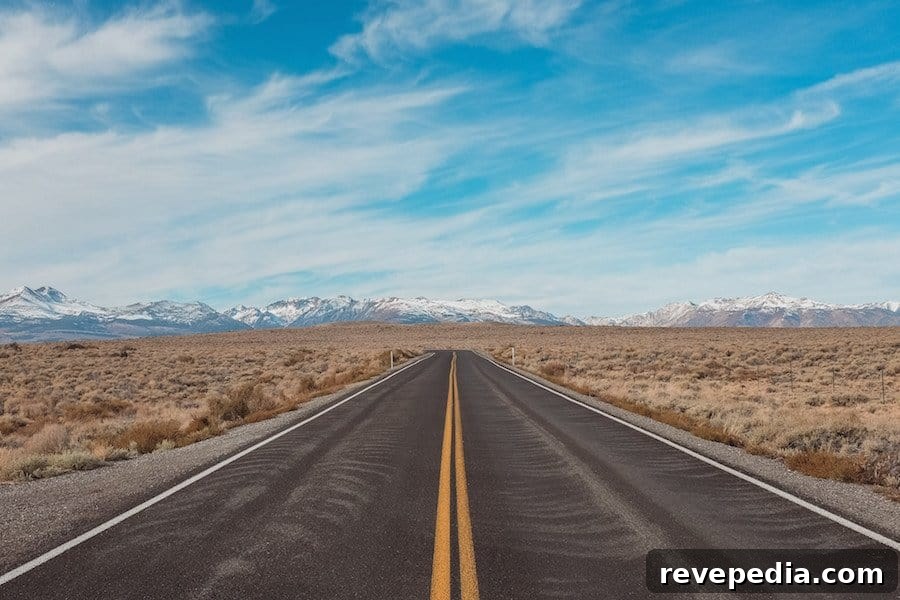
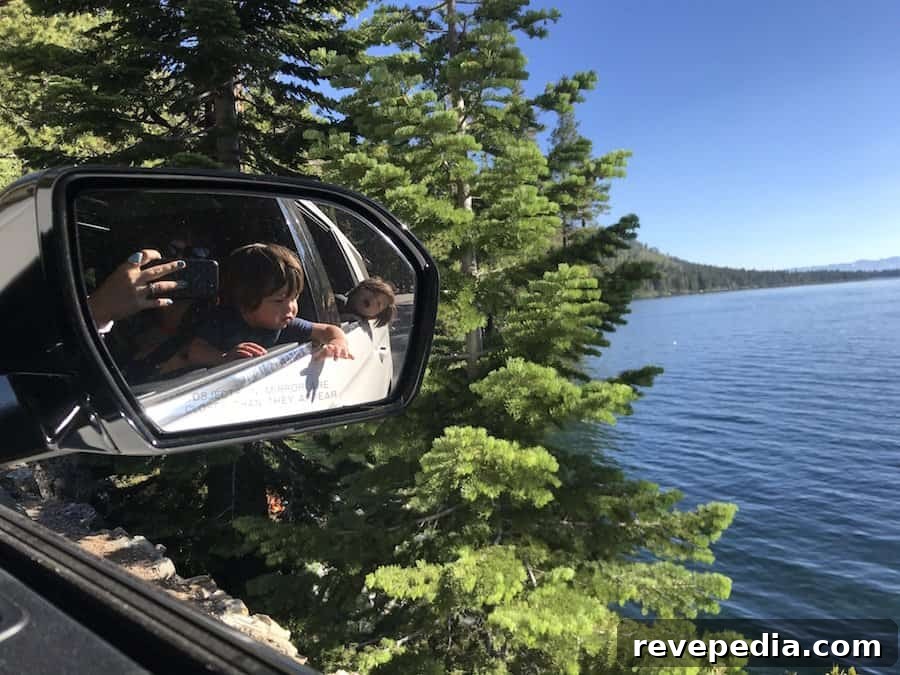
Every year we make the drive from Los Angeles to Lake Tahoe. Instead of taking the faster but monotonous I-5, we choose the scenic US Route 395, which follows the eastern edge of the Sierra Nevada. It’s a spectacular route with new discoveries each trip.
The 395 corridor is filled with diverse stops that keep the whole family engaged—far more interesting than long stretches of freeway with nothing to do but refuel and grab fast food.
Family of Four
Last year our family grew by one, which changed the dynamic of our road trips. Our oldest is seven, a seasoned traveler who prefers books, games, and activities instead of screens while on the road. We find creative ways to keep both kids entertained during 7–9 hour drives—details and ideas can be found on Built by Kids. Road travel with little ones requires planning, but the stops along 395 make the journey enjoyable for all ages.
Leaving LA
The first three hours out of Los Angeles are mostly unremarkable highway. You’ll take I-5, switch to CA-14, and eventually join US-395. Expect desert vistas until you reach the foothill town of Lone Pine.
Lone Pine Adventures
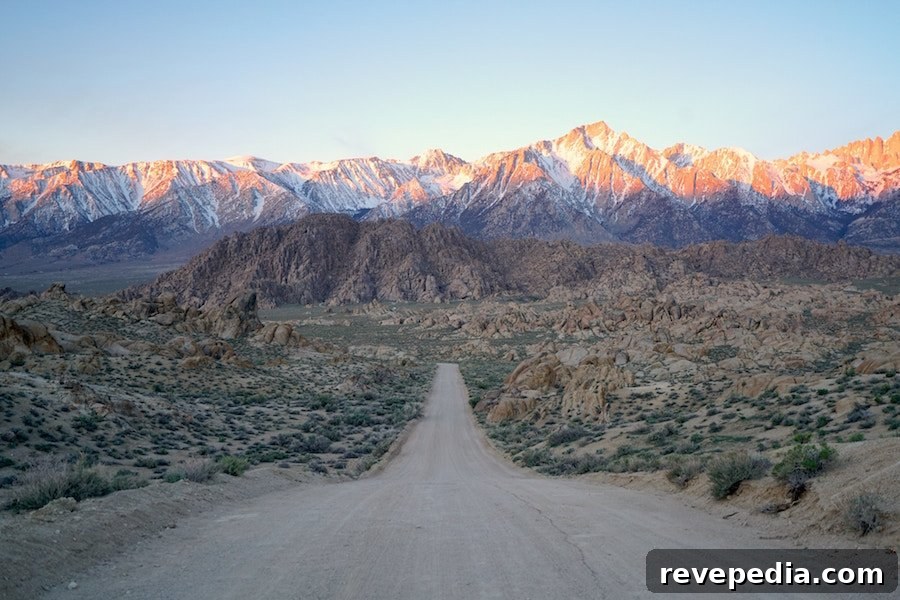
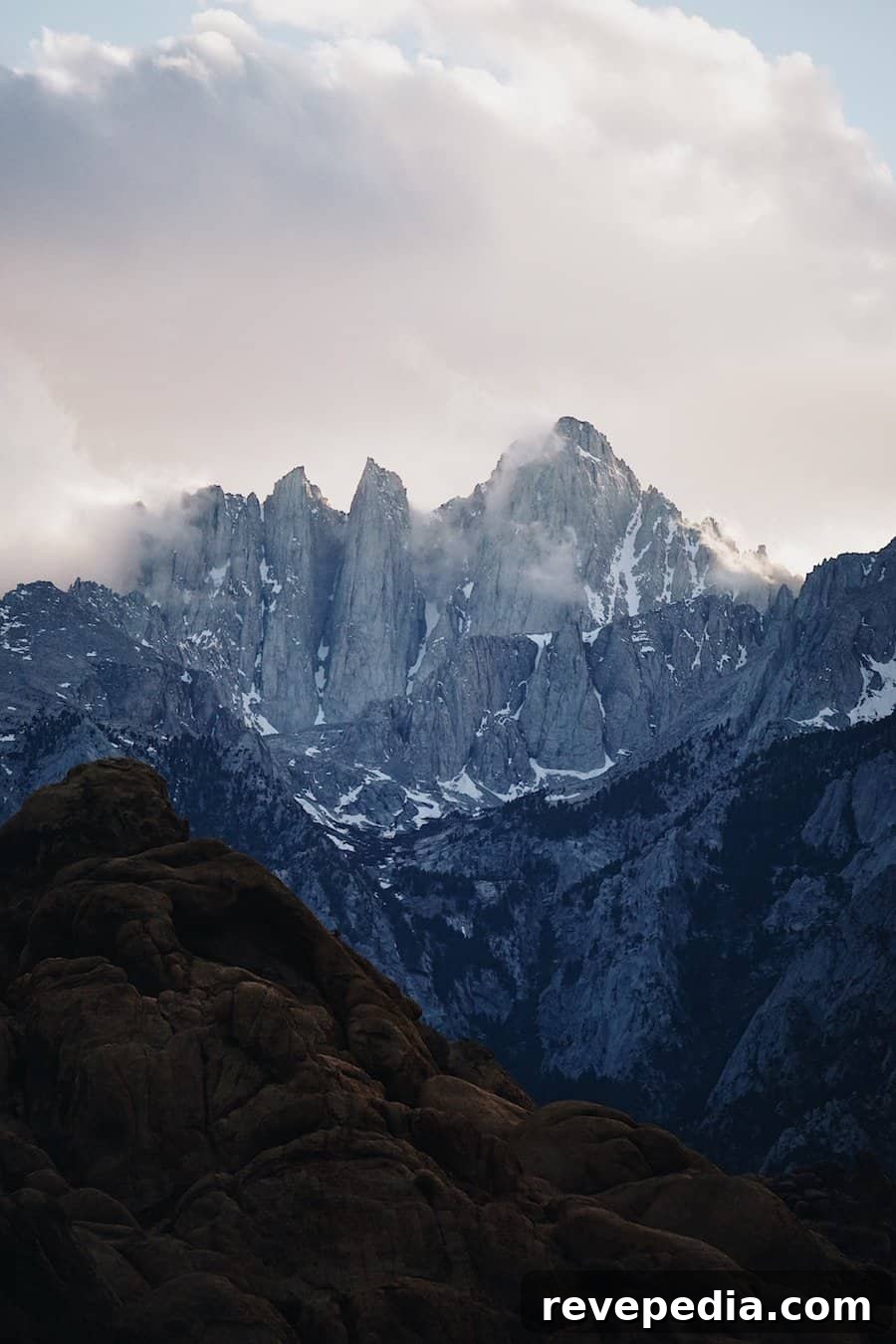
Lone Pine is a gateway to Owens Valley and a major highlight on the drive north. The town sits beneath the dramatic silhouette of Mt. Whitney, the tallest peak in the contiguous United States.
A left turn at the town’s first light leads to the Alabama Hills, a striking landscape of rounded boulders and sweeping views. The area is popular for dispersed camping and makes a fantastic playground for kids to explore among rock formations and scenic fire rings. You can also opt to hike Mt. Whitney from here, though it’s a strenuous full-day endeavor.
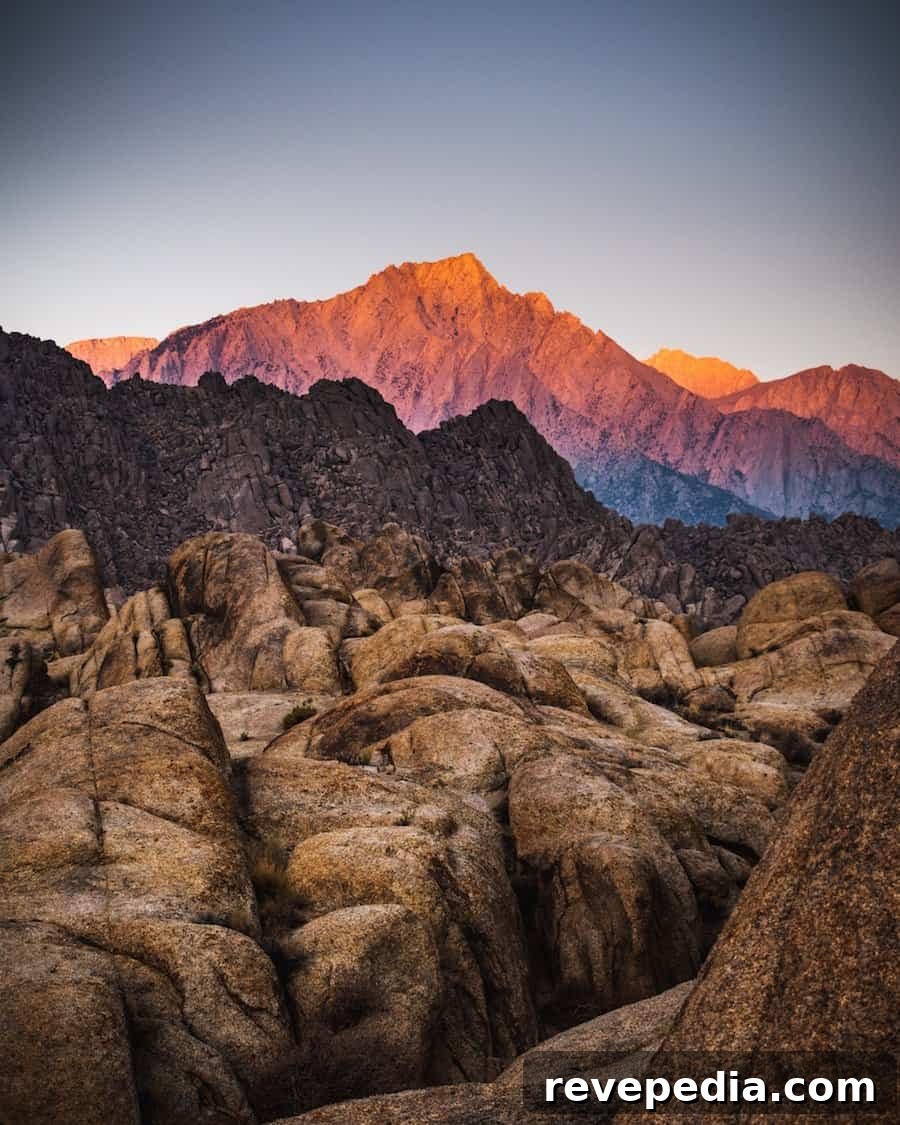
Film history enthusiasts will appreciate the Lone Pine Film History Museum. The Alabama Hills have served as the backdrop for numerous movies, including the opening sequence of Iron Man.
Death Valley
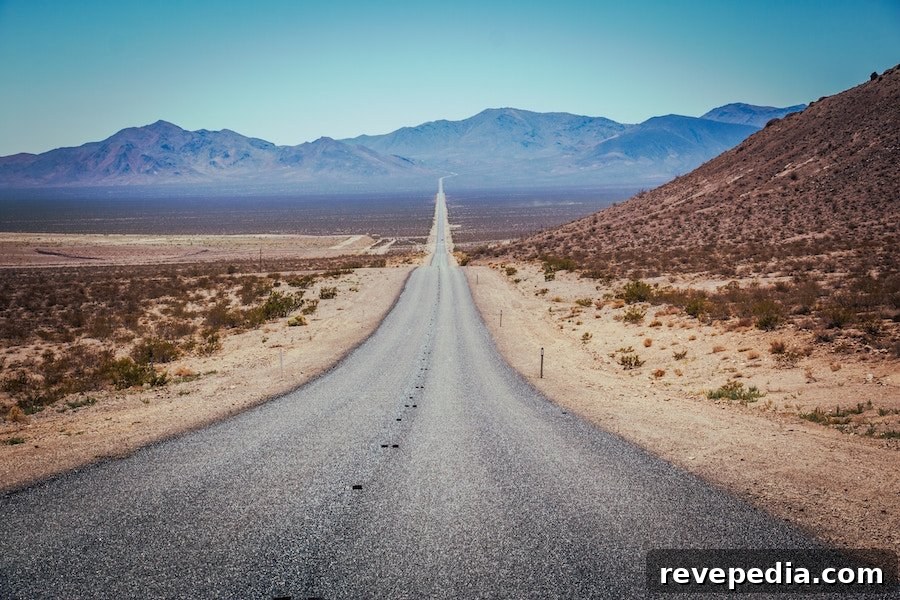
Death Valley National Park lies adjacent to Owens Valley and can be accessed from Lone Pine or Olancha. The drive into Panamint Springs is especially scenic. If you travel through Death Valley during summer, carry ample water and be prepared for extreme heat.
Manzanar
Just beyond Lone Pine is Manzanar, the site of one of the World War II Japanese American incarceration camps. More than 110,000 Japanese Americans were relocated to camps like Manzanar during the war. Today it is preserved as a National Historic Site, offering interpretive exhibits and tours that provide a sobering look at this chapter of U.S. history.
Big Pine
Big Pine is a small service stop with a few gas stations and restaurants. Nearby you may spot the Owens Valley Radio Observatory’s satellite dishes. The observatory offers limited public tours, so plan ahead if you want to visit.
Bishop
Bishop marks roughly the halfway point to Lake Tahoe and is the largest town along 395. The elevation is still relatively low, so temperatures can be warm, but as you continue north the altitude rises and the weather cools.
Popular local stops include Schat’s Bakery, known for its sandwiches, bread, and pastries, the Laws Railroad Museum, and the Ancient Bristlecone Pine Forest—a chance to see trees more than 5,000 years old. For coffee, Black Sheep Coffee Roasters is a local favorite.
Mammoth Lakes
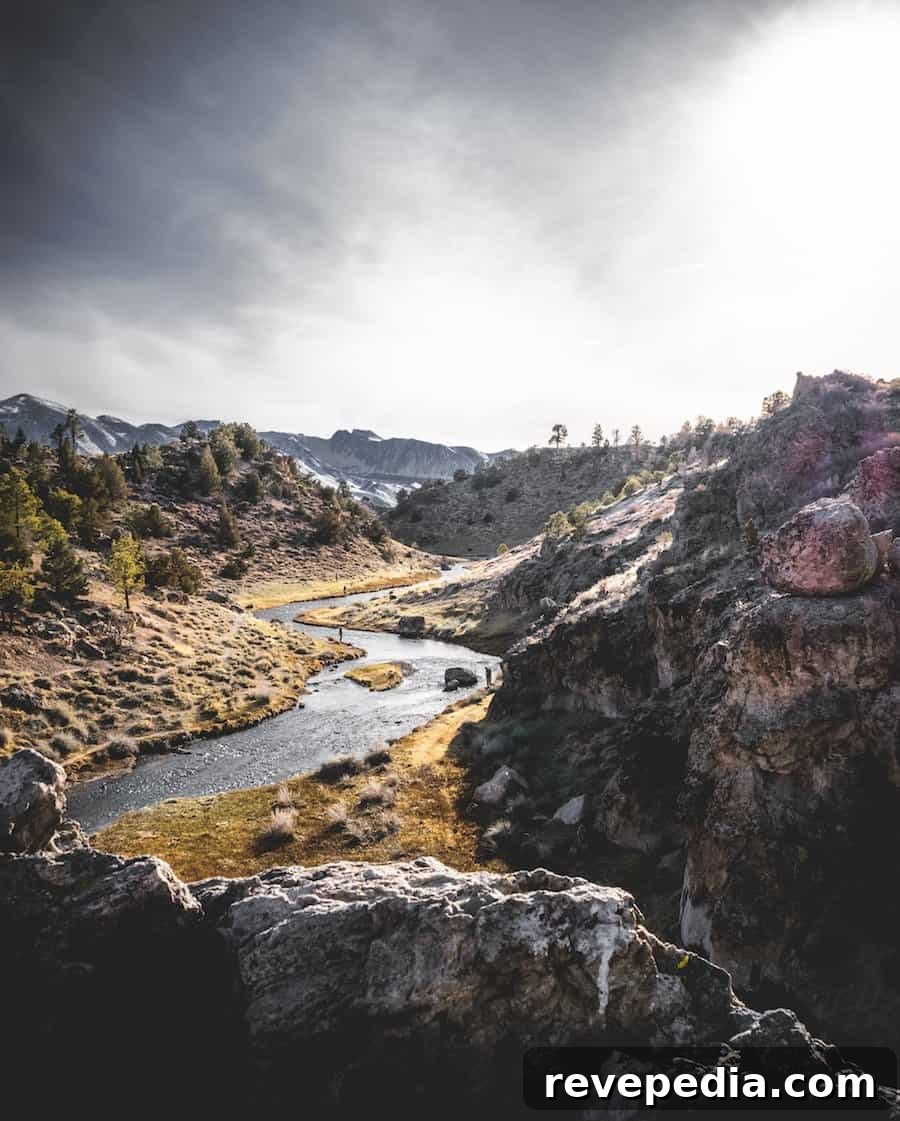
Beyond Bishop you climb into the Inyo National Forest. Mammoth Lakes is a worthwhile side trip—especially in winter for skiing and snowboarding, but also lovely in summer for hiking and fishing. The approach to Mammoth is relatively straightforward, and the town’s alpine setting makes for a refreshing stop.
June Lake
June Lake is another scenic spot with excellent camping, fishing, and hiking. Its lakeside setting and mountain views make it a peaceful place to pause and stretch your legs.
Lee Vining
Lee Vining sits just beyond June Lake and serves as an eastern gateway to Yosemite National Park. In summer it can be busy with visitors. The town has a mix of kitschy shops and handy stores for last-minute supplies before heading into the park.
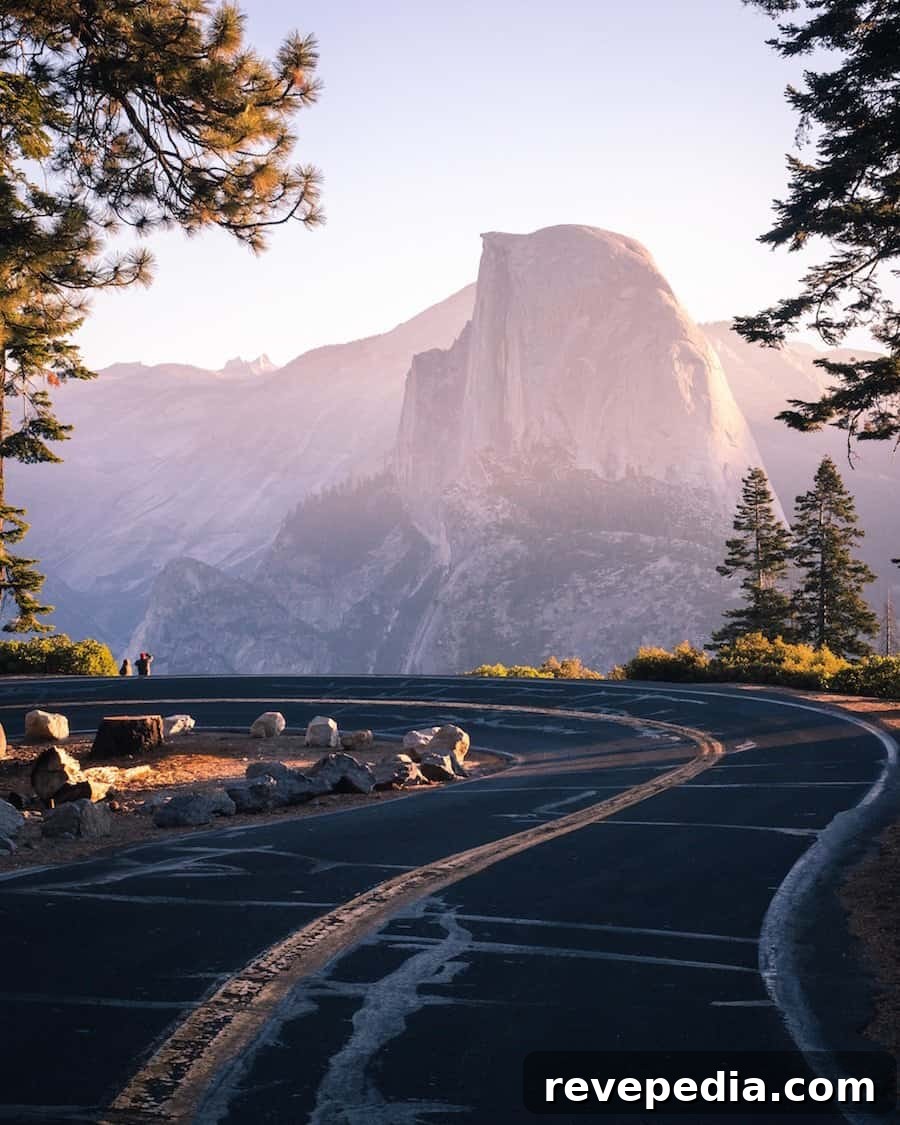
Mono Lake
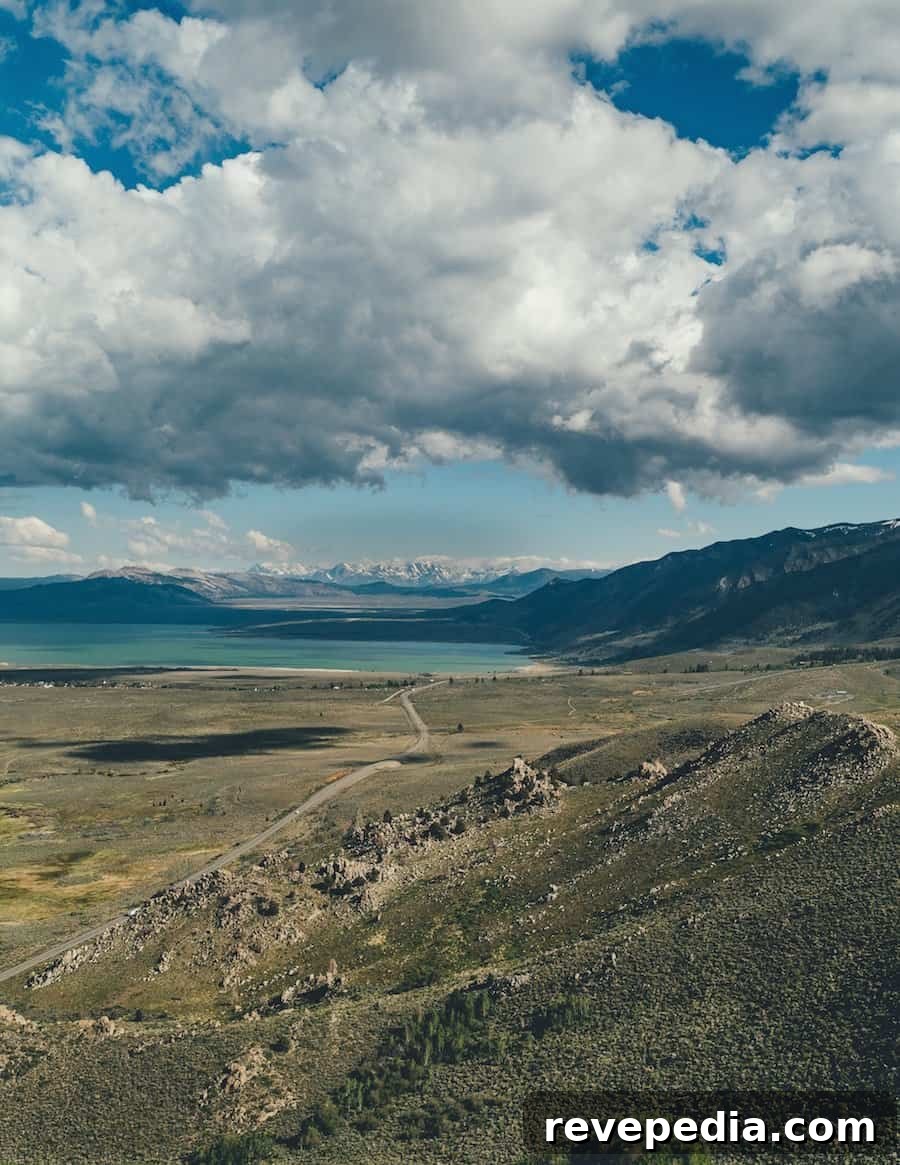
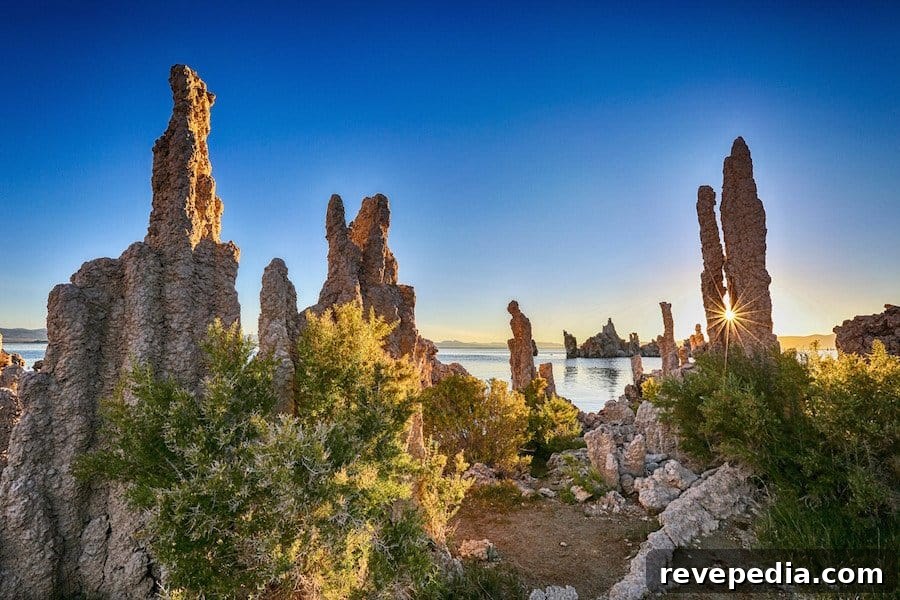
Just past Lee Vining, Mono Lake appears on the right. This ancient saline soda lake, formed around 760,000 years ago, has no natural outlet, which concentrates its salt content. The lake is protected and largely undeveloped—don’t expect recreational boating here. Along the shoreline you can view striking tufa formations: towering columns of limestone created by mineral-rich springs.
Bodie Ghost Town
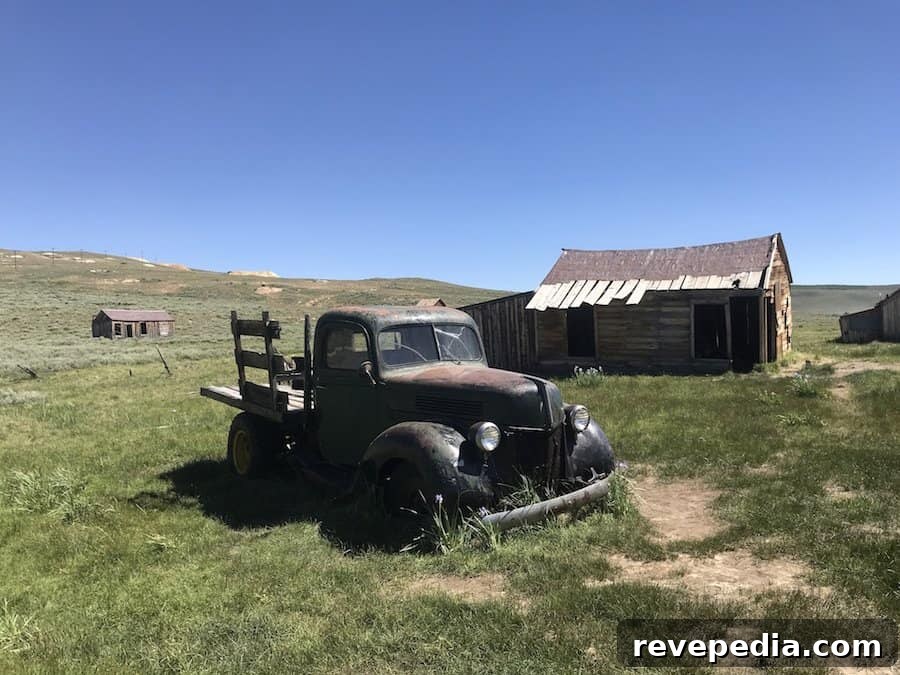
We finally detoured to Bodie, a well-preserved ghost town reached by a 13-mile drive, including three miles of unpaved road. Vehicles with reasonable ground clearance should be fine—just take it slow. Bodie State Historic Park preserves many original structures and offers a rare glimpse into the region’s gold rush past.
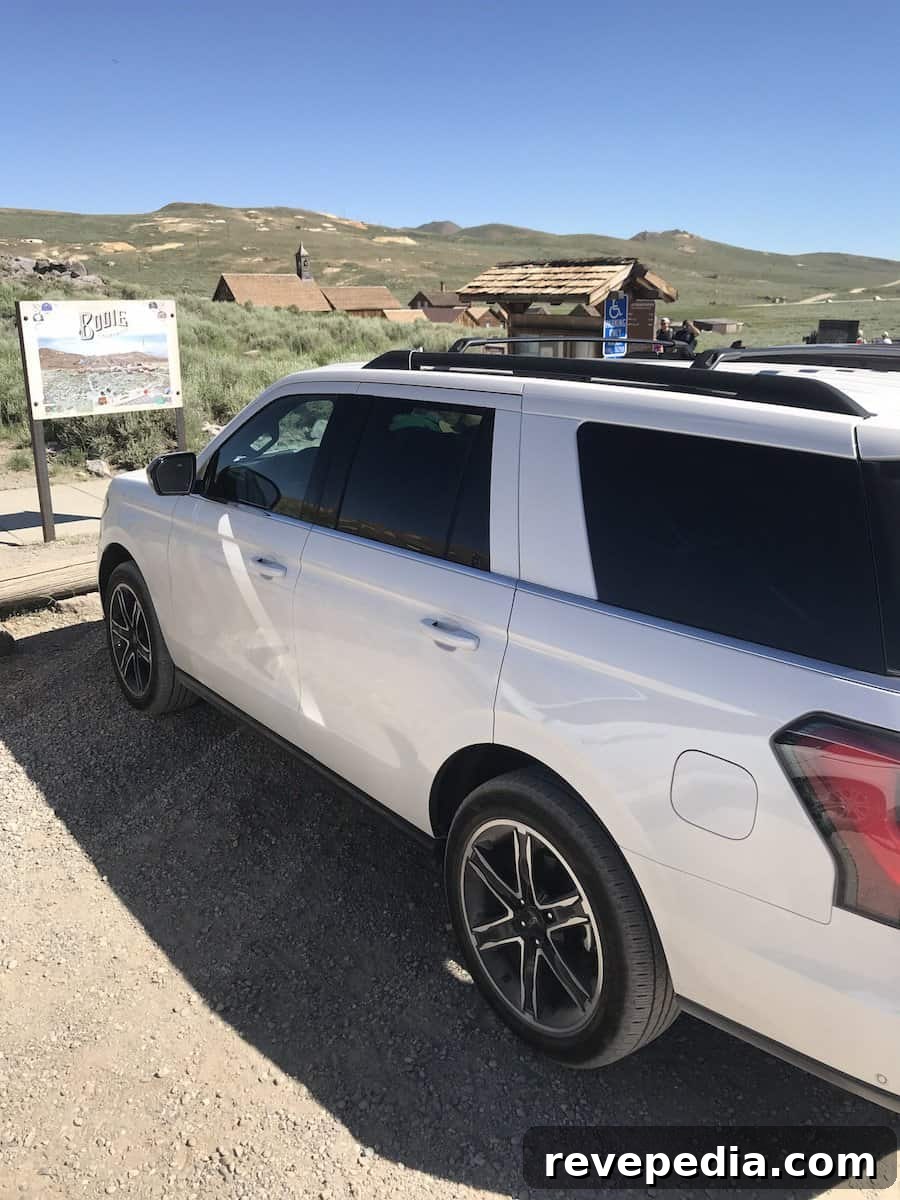
We drove a 2019 Ford Expedition for this trip, which handled the dirt road comfortably and made the ride smooth for our youngest passenger. The park forbids driving into the town itself, but the short final walk and preserved buildings are well worth the stop.
Bridgeport
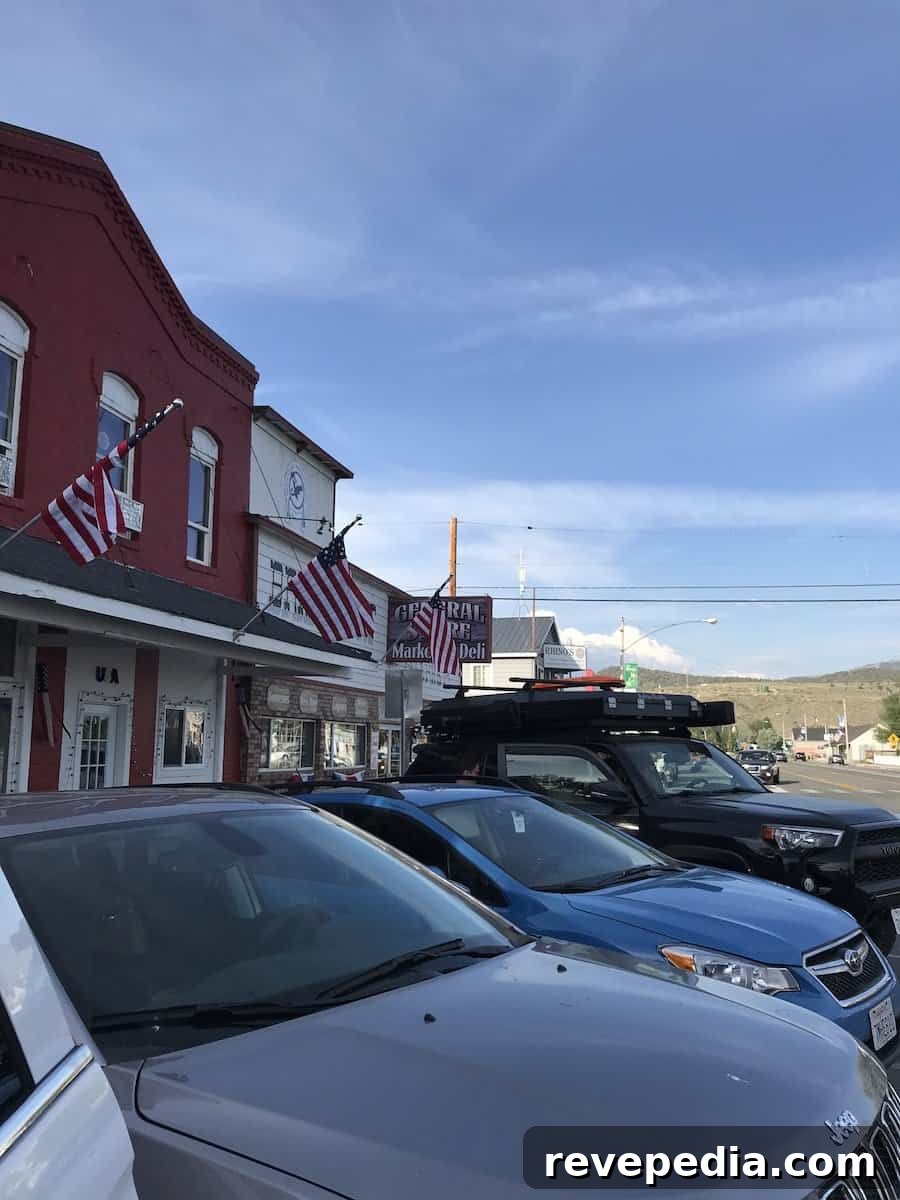
Bridgeport is a charming town known for access to surrounding lakes and excellent fishing. Its historic main street, complete with white picket fences and classic storefronts, makes it one of the most picturesque stops on the route.
Almost There
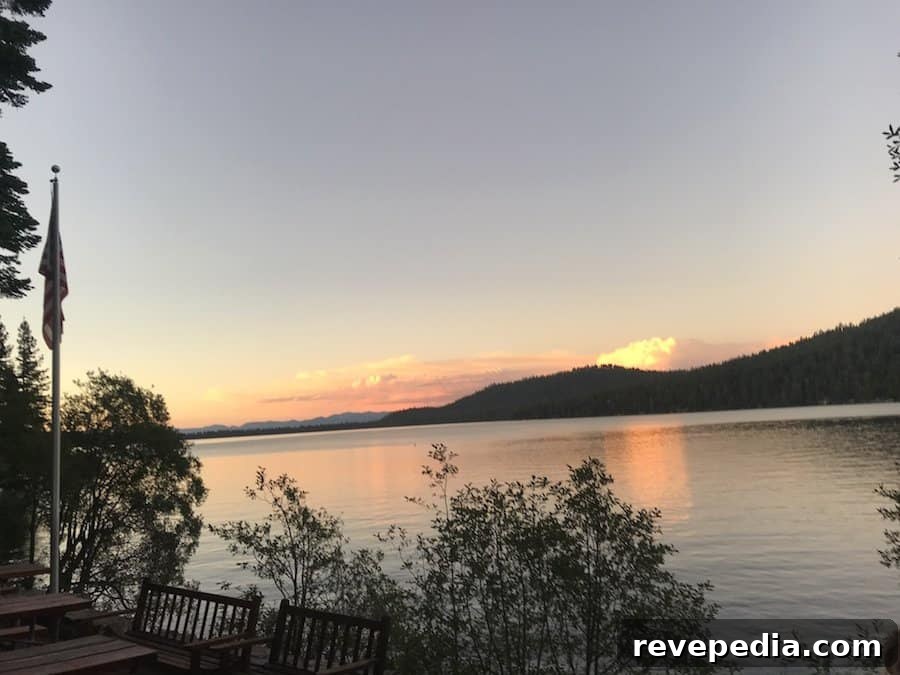
After Bridgeport, you enter the final stretch toward Lake Tahoe. Elevation increases, rivers run alongside the road, and mountain scenery becomes more dramatic. It’s a beautiful lead-in to the alpine lakes and forests around Tahoe.
Ford Expedition
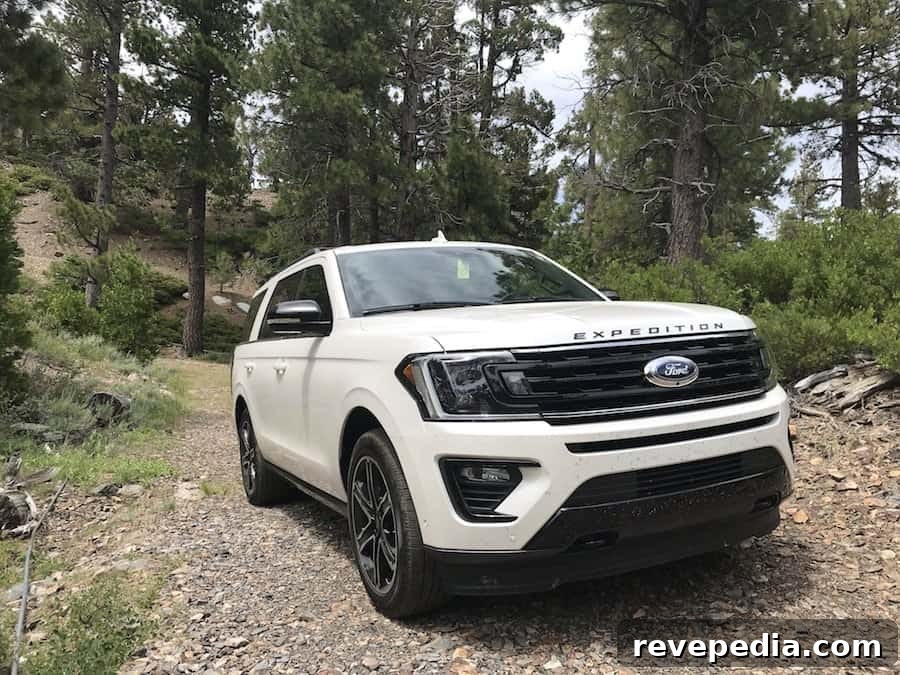
Traveling in the 2019 Ford Expedition added comfort and capability to our trip. Its size provided ample cargo space for a week of camping and outdoor gear, and second-row captain’s chairs gave the kids more room than a bench seat. Folding down the third row maximized storage for our equipment.
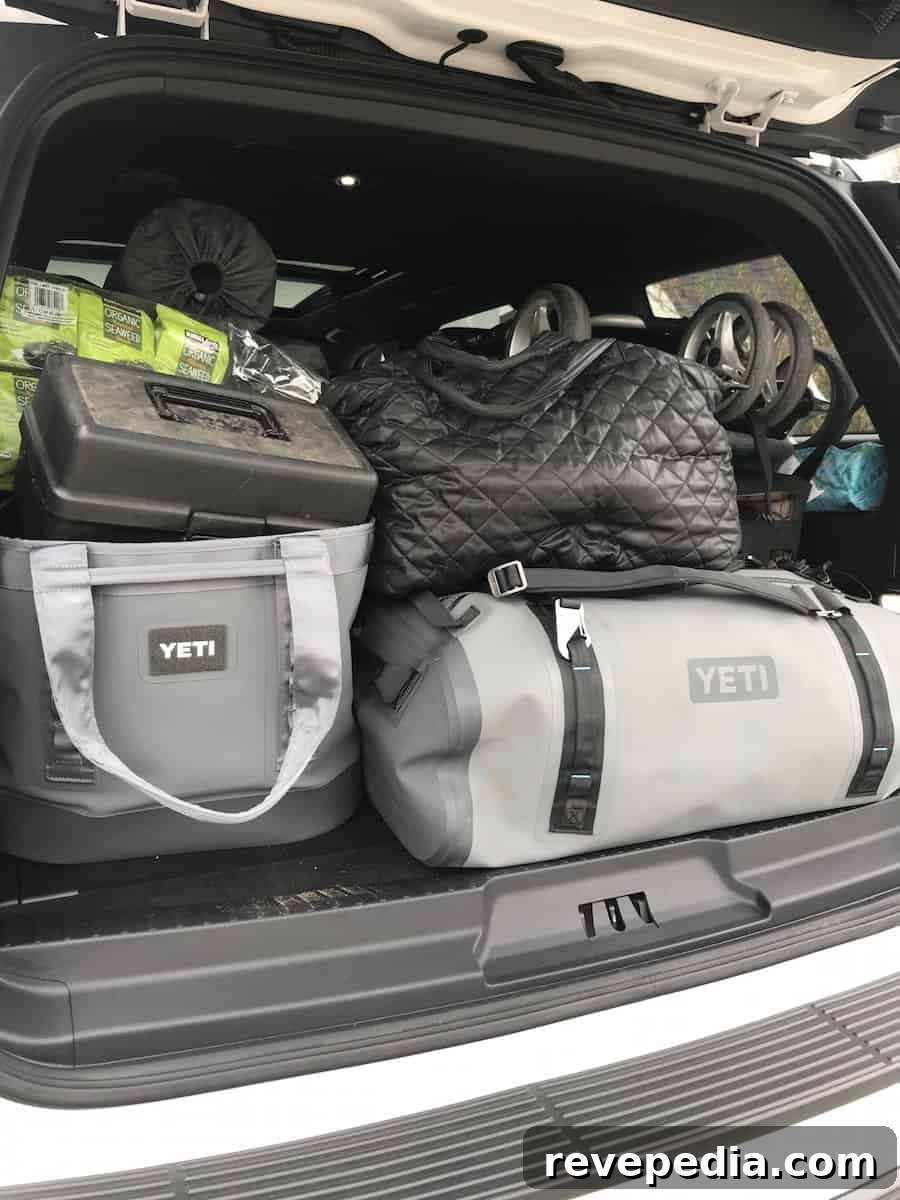
The Expedition’s ride smoothed out rough roads, and features like power tailgate access and running boards made loading and unloading easy. Its power and traction were helpful on steep, unpaved driveways near our remote Lake Tahoe cabin.
While the Expedition is a top contender if you’re shopping for a family SUV, consider practicality for everyday urban driving. Narrow city parking can be a challenge, but for those living outside dense urban areas, its size and capability are major advantages.