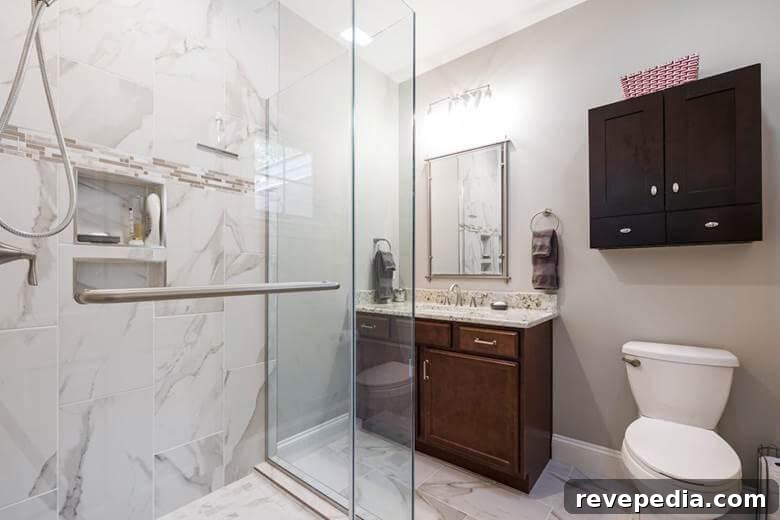
Small bathrooms are a frequent challenge in many homes, particularly in older houses or compact urban apartments where space is limited. Tight layouts can disrupt daily routines, restrict movement, and make storage a constant struggle. However, with intentional planning and thoughtful design choices, even the smallest bathroom can feel open, organized, and highly functional.
Many homeowners try quick cosmetic fixes, but a meaningful transformation often requires a deeper look at layout, materials, and functionality. Strategic upgrades—guided by solid design principles—can make a small bathroom feel significantly larger and more practical. By maximizing every available inch and focusing on cohesive solutions, you can improve both usability and aesthetic appeal without sacrificing style.
Smart Space Planning: Laying the Foundation for Efficiency
Good bathroom design starts with an intentional layout. In compact spaces, each fixture needs to be placed with purpose to ensure easy circulation and accessibility. Poor planning leads to awkward corners, wasted space, and recurring frustrations. Sometimes issues extend beyond visible elements and involve hidden constraints like inefficient plumbing routes or limited ventilation. Evaluating these factors early prevents costly rework later.
For lasting results, thoughtful planning is essential—especially when structural adjustments are needed. Remodeling goes beyond replacing finishes or fixtures; it can involve reconfiguring layouts, improving plumbing efficiency, and ensuring all components work together within a limited footprint. While surface updates can refresh the look, optimizing functionality often benefits from professional input to guarantee long-term performance and durability.
The Psychology of Color: Expanding Space with Light and Neutrals
Color has a strong influence on how a small bathroom is perceived. Light, neutral tones reflect more light and make the room feel brighter and more open. Soft whites, warm beiges, and pale grays create a clean backdrop that visually enlarges the space. Conversely, very dark or highly saturated colors can make walls feel closer and reduce the sense of openness.
Consistency across walls, floors, and fixtures minimizes visual breaks and promotes a seamless appearance. Instead of relying on bold contrasts, consider introducing subtle variations in texture, finish, or tile pattern to add interest while maintaining a calm, cohesive palette. This approach keeps the room feeling airy and unified.
Go Vertical: Storage Solutions and Floating Vanities
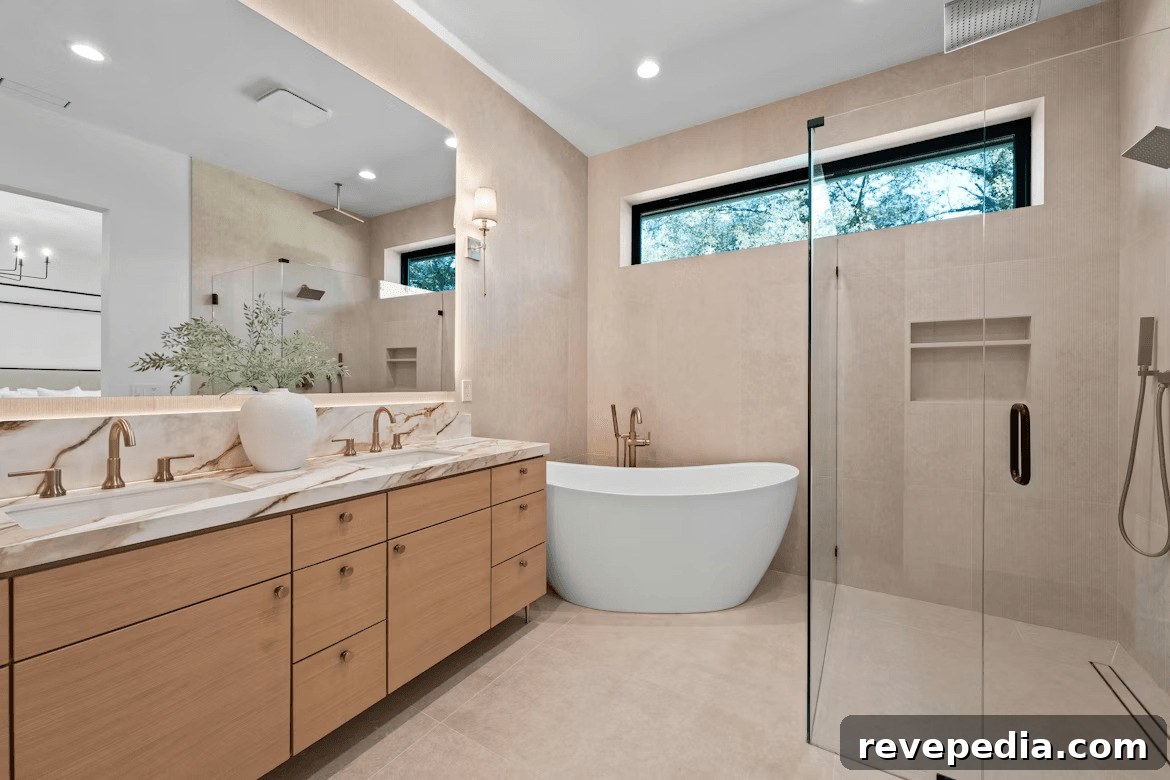
In small bathrooms, storage should grow upward rather than outward. Vertical solutions make use of wall space that otherwise goes unused. Tall cabinets, open shelving, and recessed niches provide organized storage without consuming floor area.
Floating vanities are particularly effective because they open up visual floor space and create a lighter, more spacious feel. They also make cleaning easier and can be paired with baskets or drawers placed underneath for extra storage. Combining vertical shelving with a compact, wall-mounted vanity maximizes storage while preserving movement space.
The Impact of Lighting: Layering for Function and Ambiance
Lighting determines both the functionality and the atmosphere of a bathroom. A single ceiling fixture often leaves shadows and fails to serve all needs, especially in smaller rooms. Layered lighting—ambient, task, and accent—ensures even illumination for every activity.
Task lighting around mirrors is crucial for grooming and daily routines. Wall-mounted sconces or backlit mirrors offer even, flattering light and minimize glare. Ambient lighting distributes brightness throughout the room to enhance the sense of space, while subtle accent lighting highlights design details and adds warmth. Thoughtful layering improves usability and elevates the overall design.
Open Sightlines: Glass Showers vs. Curtains
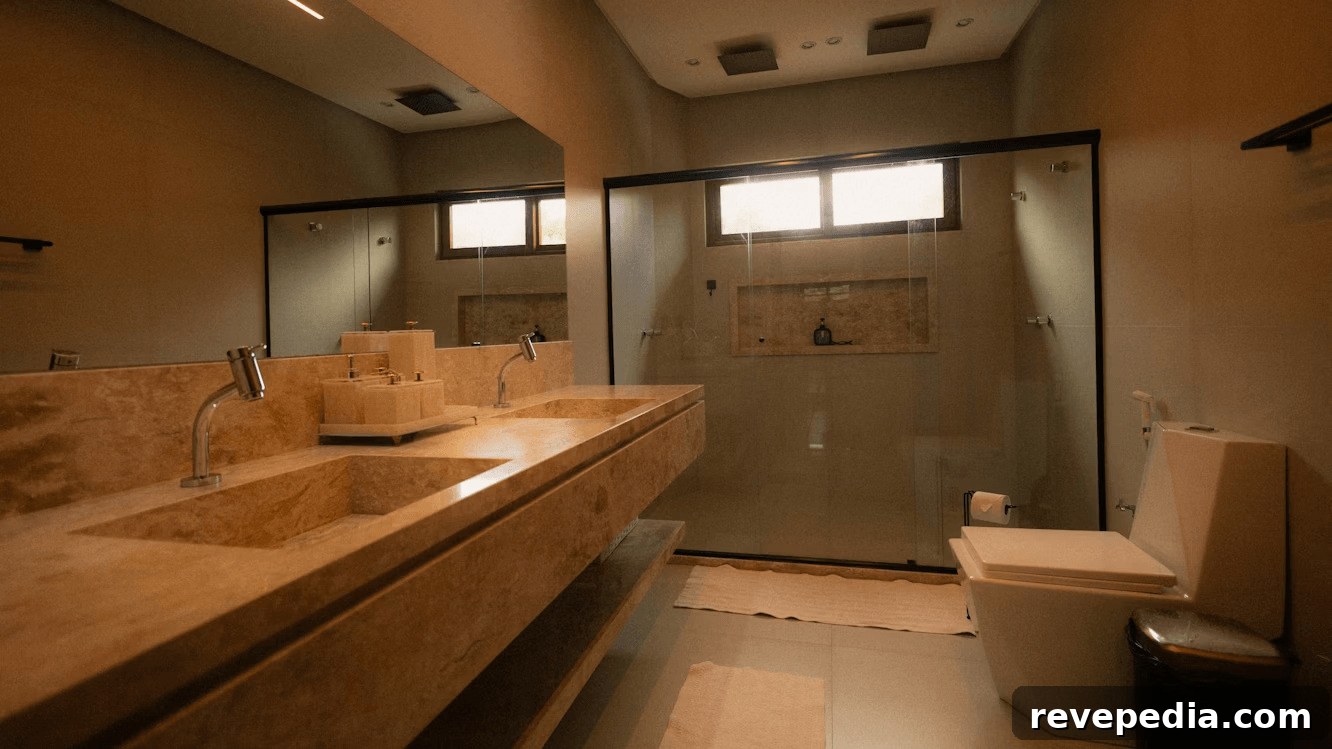
Maintaining open sightlines is a key strategy for making a small bathroom feel larger. Shower curtains interrupt the visual flow and create a sense of division, which can make the room appear more cramped. Replacing curtains with clear glass panels allows the eye to travel across the entire space, instantly enhancing perceived size.
Frameless glass enclosures are especially effective at reducing visual clutter and keeping a clean, modern aesthetic. Walk-in or curbless showers further improve accessibility and remove barriers that fragment the layout. These choices streamline the space and contribute to a more cohesive, functional design.
Strategic Tile Patterns and Flooring Layouts
Tile selection and layout strongly affect how spacious a bathroom looks. Large-format tiles reduce grout lines and create a smoother, more continuous surface, which helps the room feel less busy and more open. Fewer visual interruptions make even a small floor plan feel more expansive.
Tile orientation and pattern also influence perception: vertical tiles can make ceilings feel higher, while diagonal patterns can widen the appearance of the floor. Extending the same flooring into the shower area creates visual continuity and strengthens the sense of cohesion. Thoughtful tile planning enhances both aesthetics and perceived space.
High-Efficiency Fixtures and Space-Saving Hardware
Selecting the right fixtures is vital when space is limited. Compact sinks, wall-mounted faucets, and slim-profile toilets provide full functionality without encroaching on movement areas. These pieces help maintain a balanced layout and free up room for storage or passage.
Multi-functional hardware increases efficiency: mirrors with built-in storage, towel racks that double as shelving, and foldable accessories add convenience without clutter. Choosing water-efficient fixtures also reduces utility costs and supports sustainability. The right combination of compact, versatile fittings keeps the bathroom practical and user-friendly.
Enhancing Comfort and Value Through Smart Design
A well-designed small bathroom balances efficiency, comfort, and style. By prioritizing open sightlines, cohesive color schemes, carefully chosen tiles, compact fixtures, and minimal yet functional decor, homeowners can transform a confined space into one that feels welcoming and highly usable. Each design choice contributes to both visual appeal and day-to-day practicality.
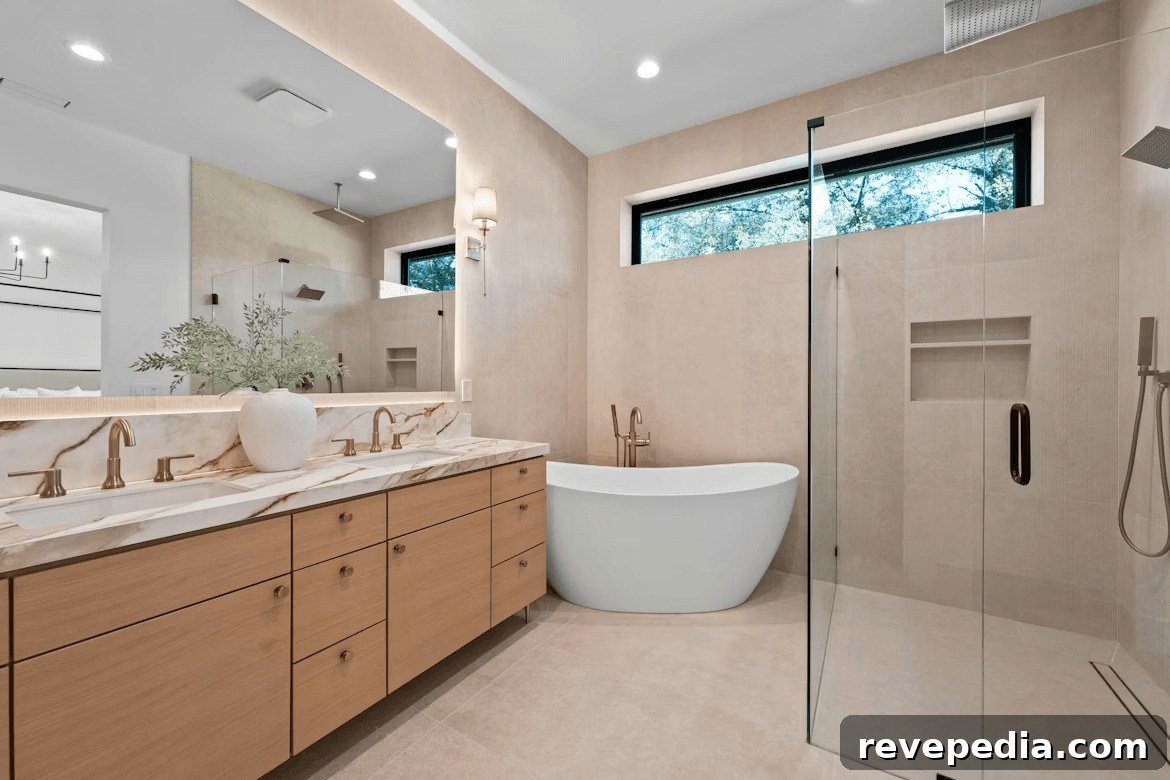
Investing in these thoughtful upgrades also adds long-term value to the home. A bathroom that is efficient, attractive, and easy to use leaves a positive impression on potential buyers and, more importantly, improves daily life by offering a space that meets everyday needs with style and functionality.