Yankee Barn Homes is marking its 50th anniversary this month, and to celebrate we’re highlighting one of their standout designs: the Mad River Modern. This elegant prefab home showcases the company’s long history of timber-frame expertise, contemporary sensibility, and commitment to energy-efficient construction.
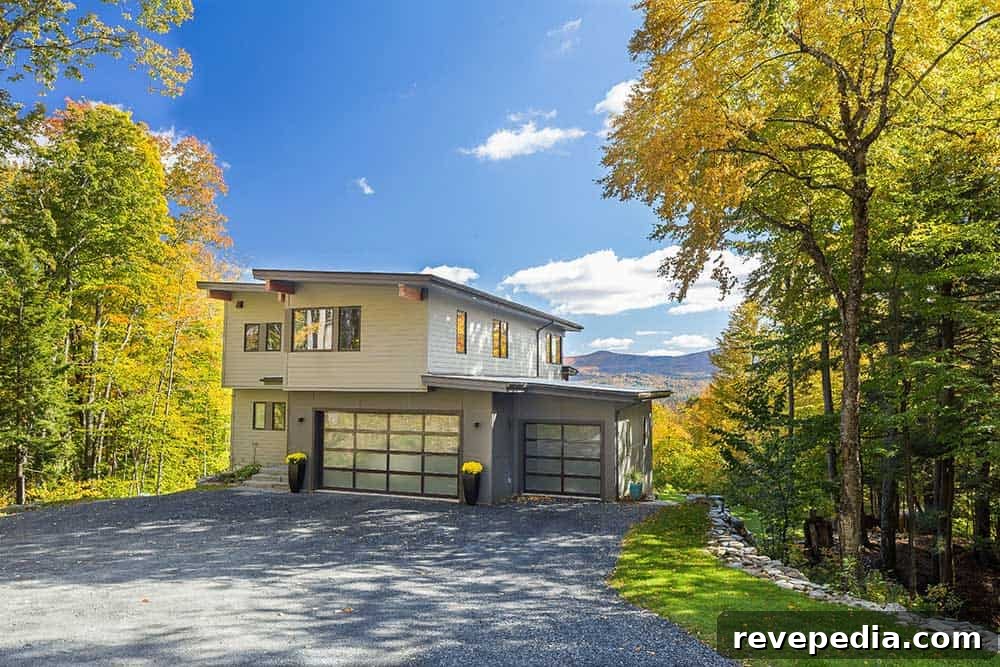
Founded by Emil Hanslin in the late 1960s and operating from Grantham, New Hampshire, Yankee Barn Homes has specialized in post-and-beam and timber-frame homes since 1973. Hanslin’s early vision was to create authentic barn-style homes updated for contemporary living, built with high-quality materials that protect against weather and conserve energy. Over five decades the company has expanded its design range from traditional barn forms to modern and mid-century inspired homes while maintaining an emphasis on structural integrity and material longevity.
One of the practical advantages of Yankee Barn Homes is its panelized, prefab approach. Structural components are pre-cut and assembled in a controlled factory environment, which reduces on-site waste and shortens build times. The company’s trademarked roof and wall panel systems provide a tight, energy-efficient building envelope. In many cases the weather-tight shell of a home can be erected in a matter of days to weeks rather than months, reducing site disruption and the need for heavy, prolonged on-site equipment.
Although Yankee Barn Homes primarily serves the New England and Mid-Atlantic regions, its reputation for durable, thoughtfully designed houses has national appeal. The company continues to evolve—pushing design boundaries, improving construction efficiency, and building homes intended to withstand severe weather, heavy snow loads, and the demands of long-term use.
With new ownership in 2011, Yankee Barn Homes further developed and refined its panelized systems. The company now offers trademarked roof and wall assemblies incorporated into the post-and-beam structure, enhancing thermal performance and ease of construction. Today they design and build a wide range of architectural styles—from classic barn homes and farmhouses to cottages and mountain lodges—while applying the same standards of craftsmanship and energy performance.
True Panels
Central to Yankee Barn Homes’ energy strategy are their True Panels. Manufactured in a climate-controlled shop under rigorous quality control, True Panels serve as structural wall and roof assemblies for each house. These panels use sustainable, kiln-dried lumber certified by the Sustainable Forestry Initiative, ensuring material quality and environmental responsibility.
True Panels are insulated with a foil-faced extruded polyisocyanurate foam—often called “green polyiso”—which is installed and sealed to provide continuous insulation and minimize thermal bridging. The exterior sheathing uses 5/8″ CDX Douglas fir premium-grade plywood rather than the thinner or lower-grade sheathing that is commonly used in many conventional builds. This approach increases strength, durability, and long-term performance.
Each True Panel is custom-designed for its home and includes fully framed structural openings for doors and most windows pre-installed. An intentional 1½” space from the interior face of the insulation to the studs provides convenient access for electricians and other trades to run wiring without disturbing insulation or requiring invasive modifications. The result is a robust, energy-efficient, and cost-effective building system that saves time, labor, and money during construction.
Modern Prefab
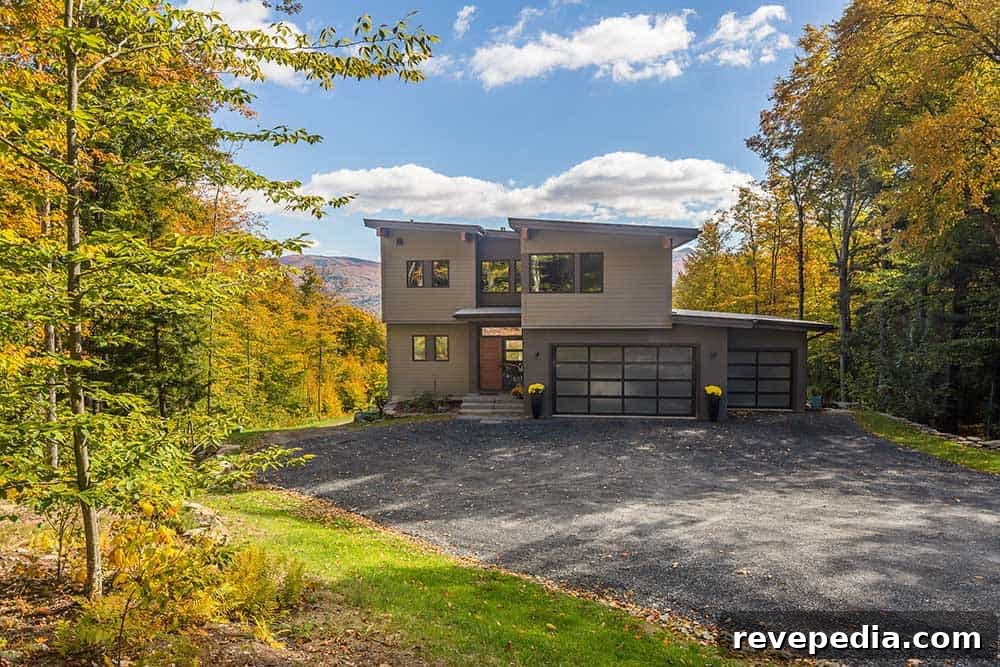
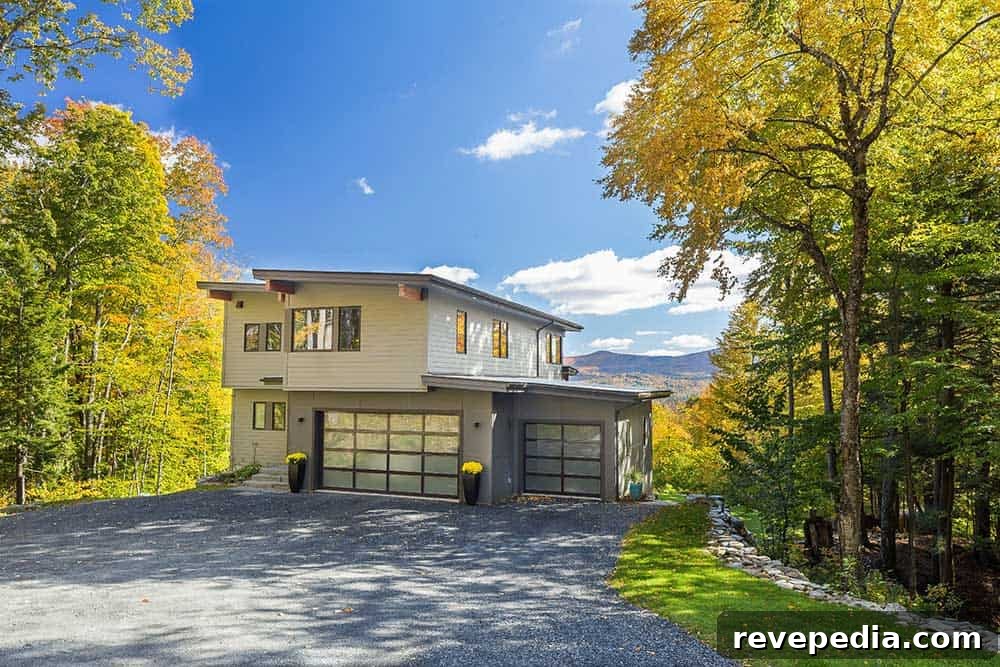
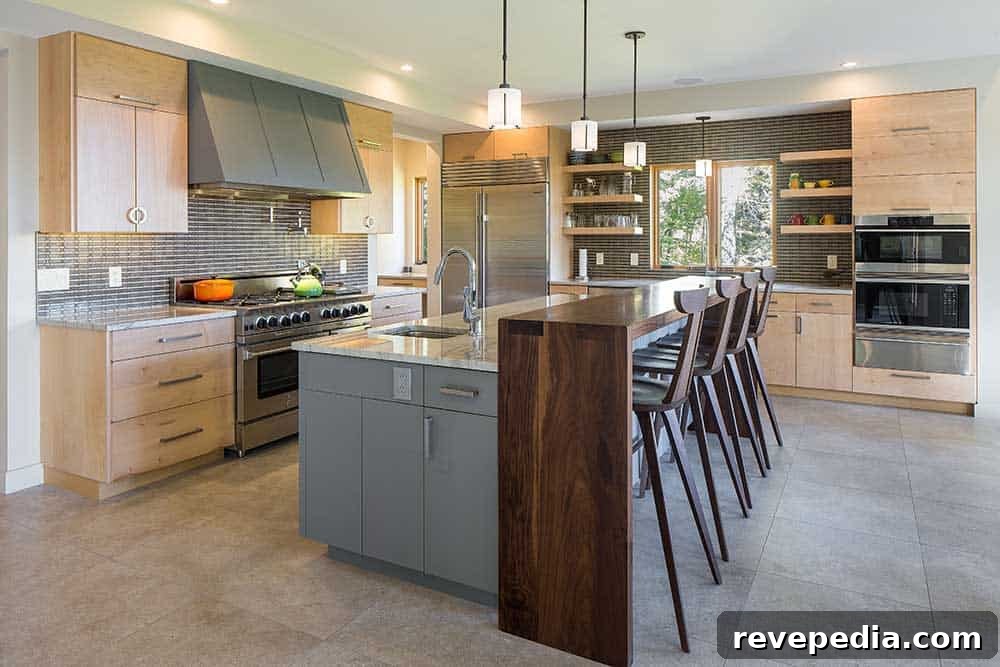
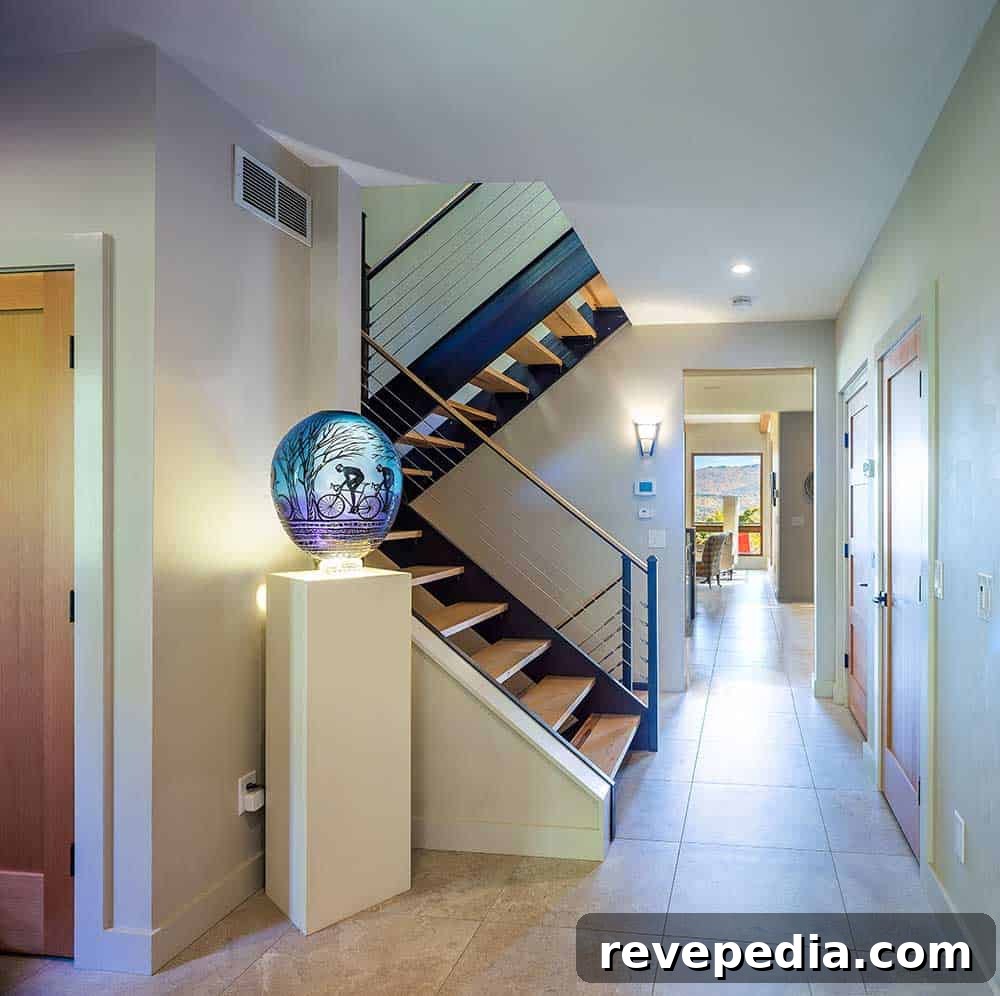
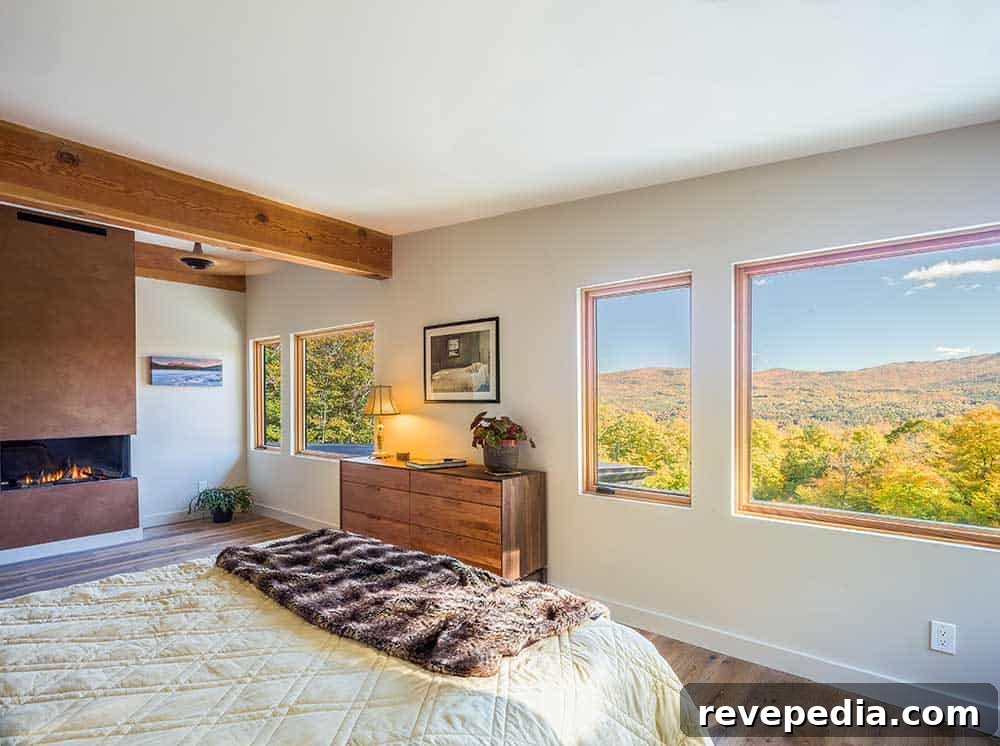
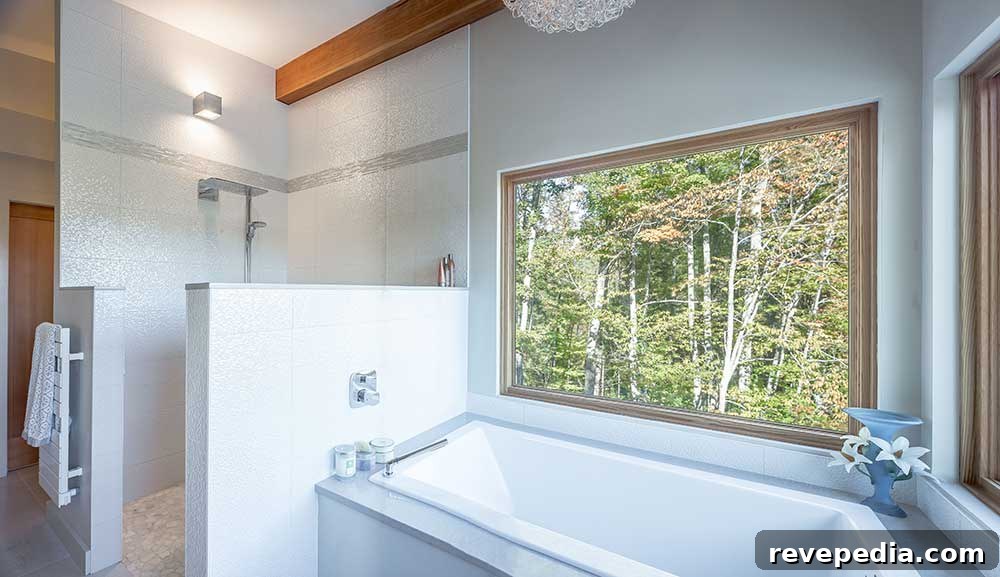
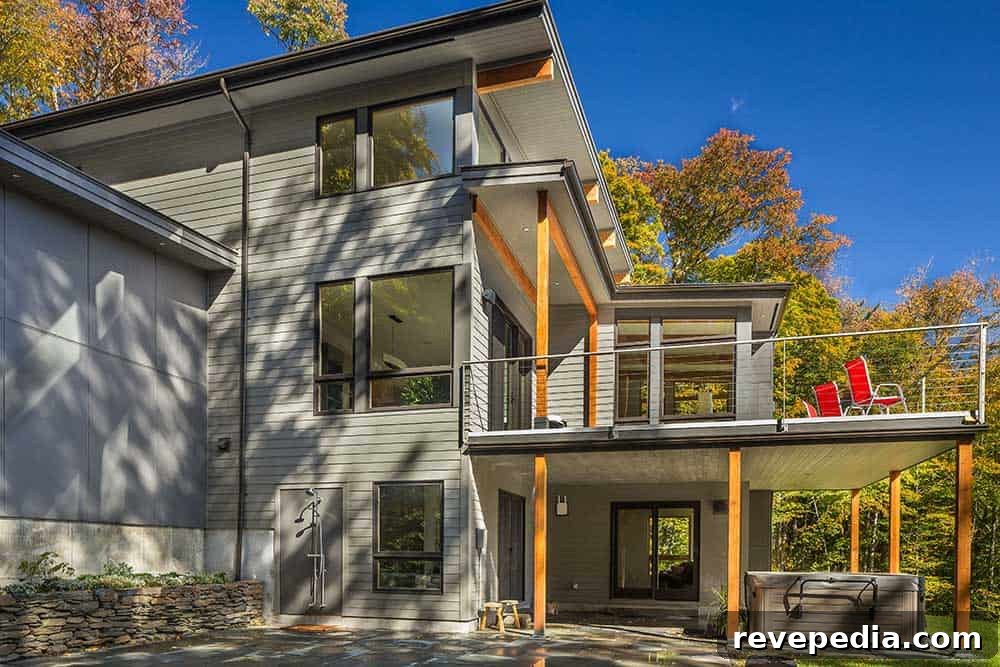
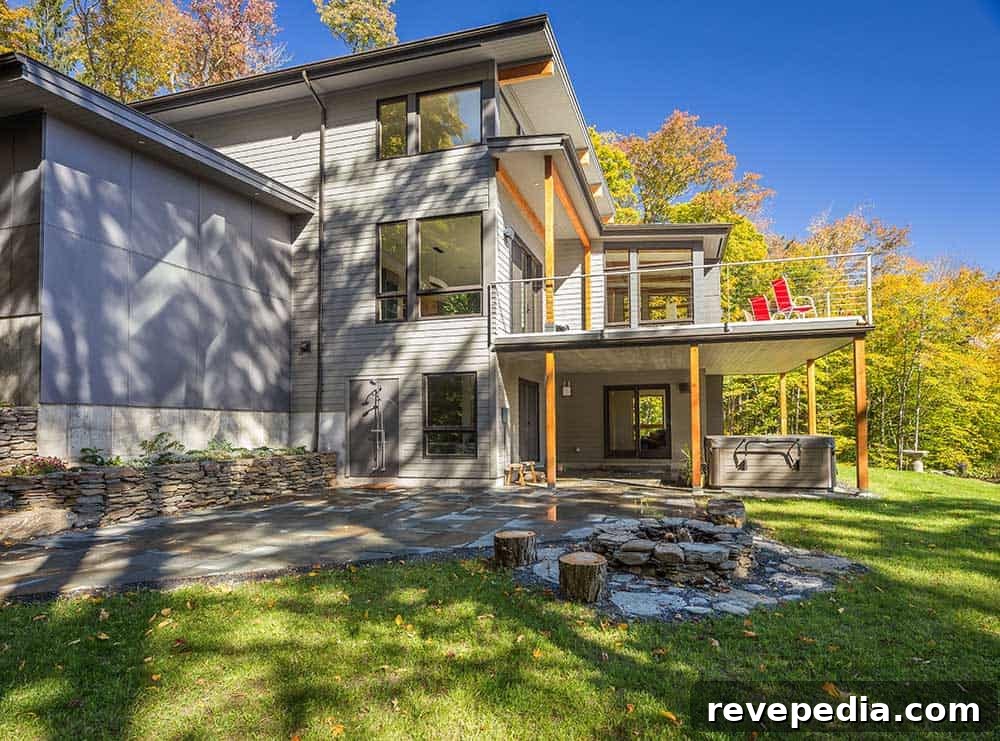
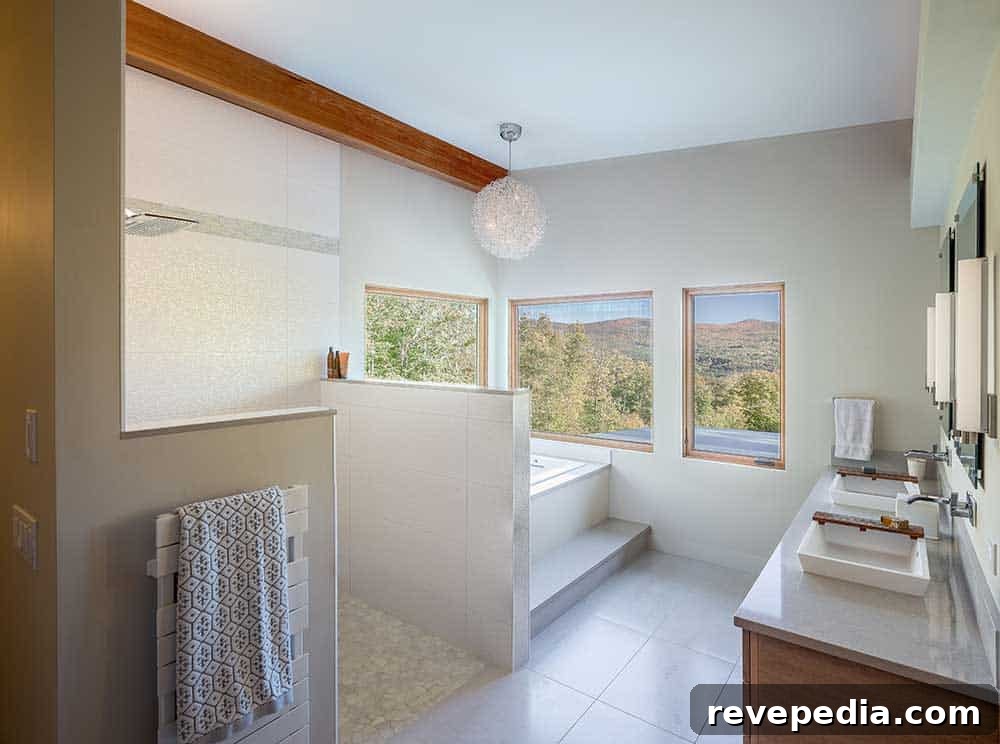
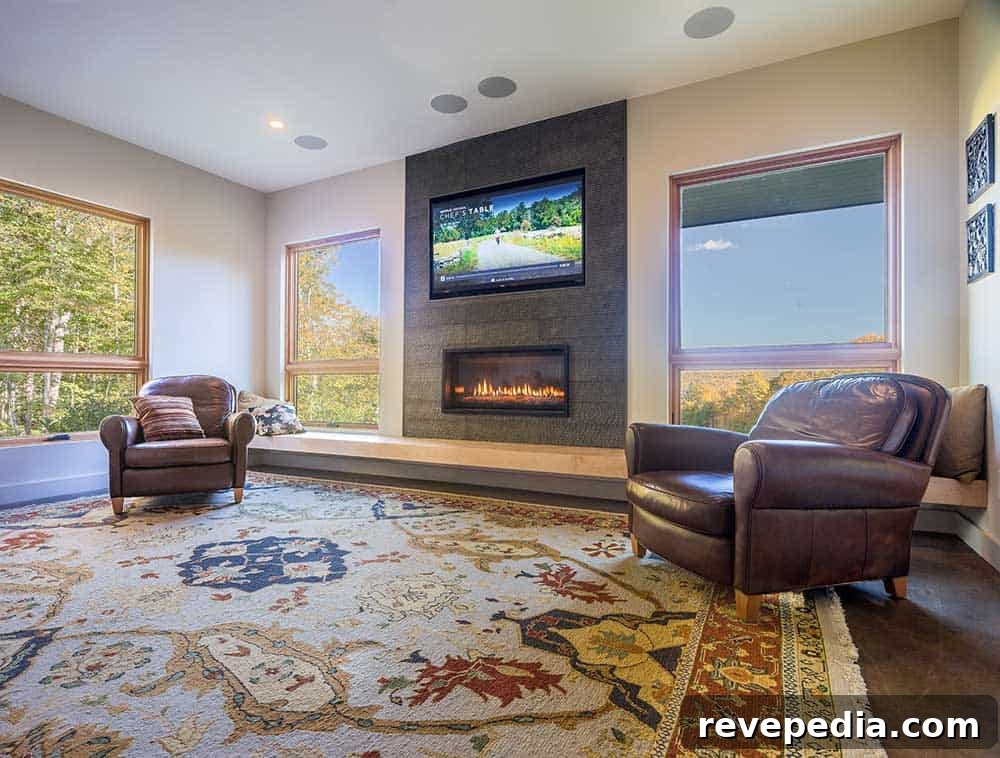
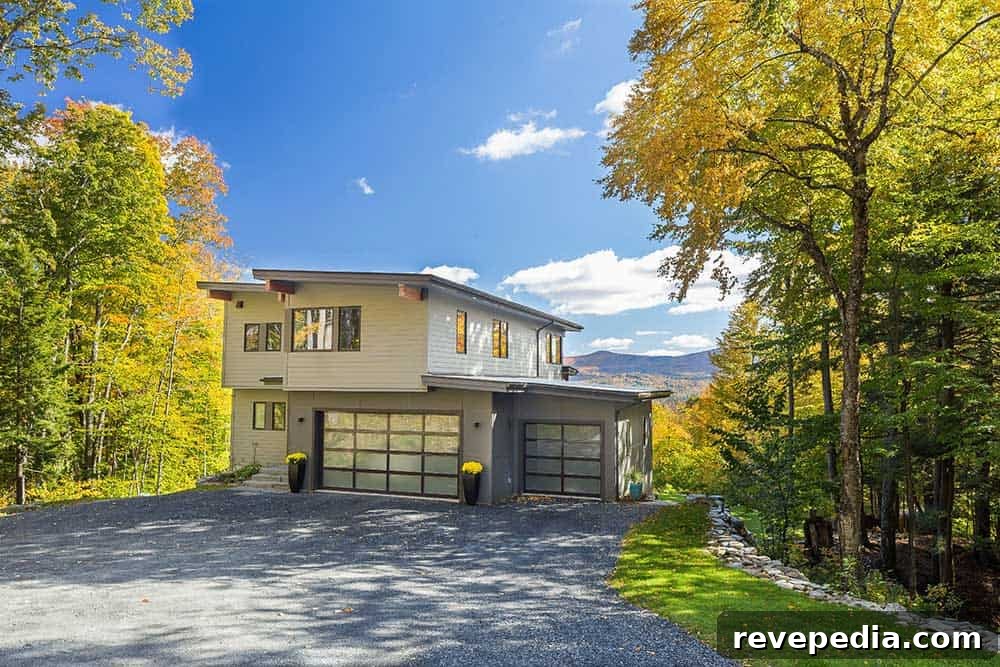
The Mad River Modern is a clear expression of Yankee Barn Homes’ contemporary design capabilities. The model offers 2,577 square feet of living space with three bedrooms and two-and-a-half baths. An optional walkout basement can add another 832 square feet of finished space, which could include an additional bedroom and full bathroom.
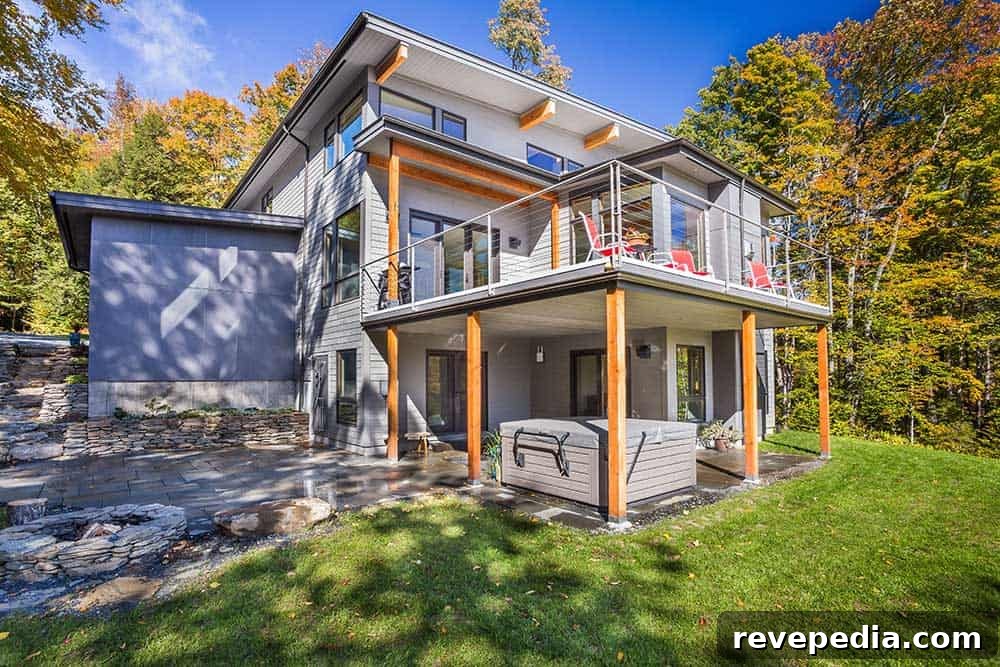
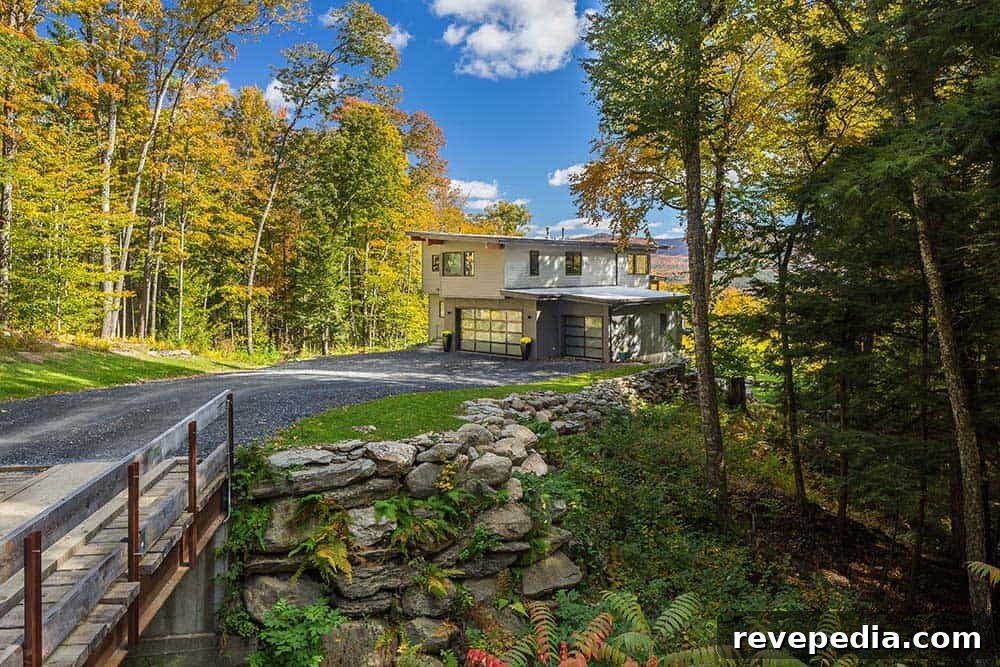
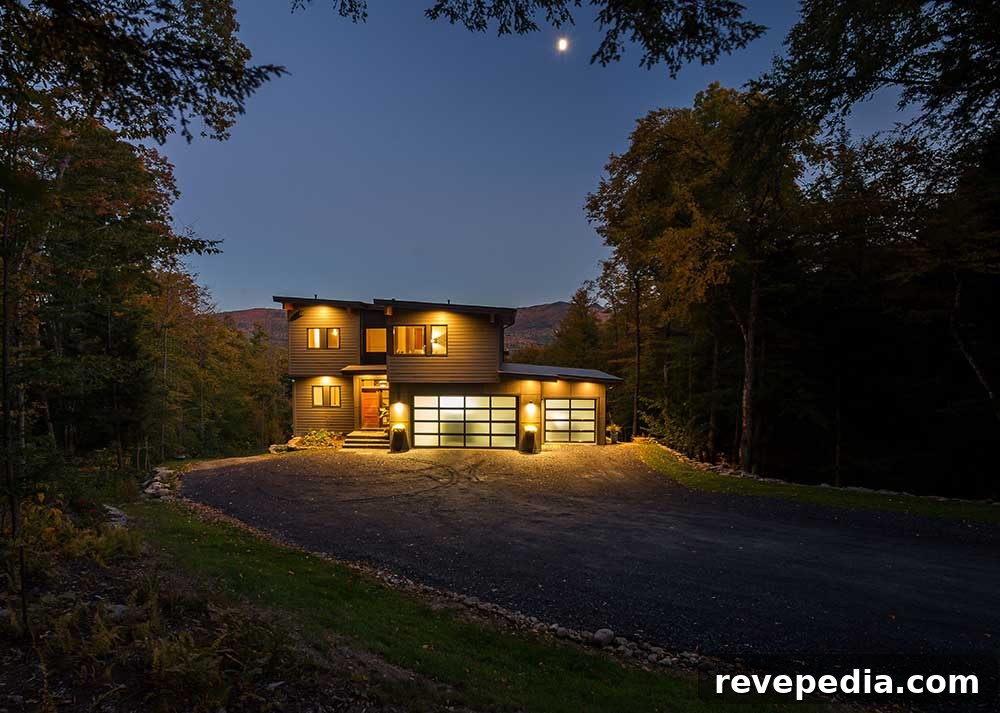
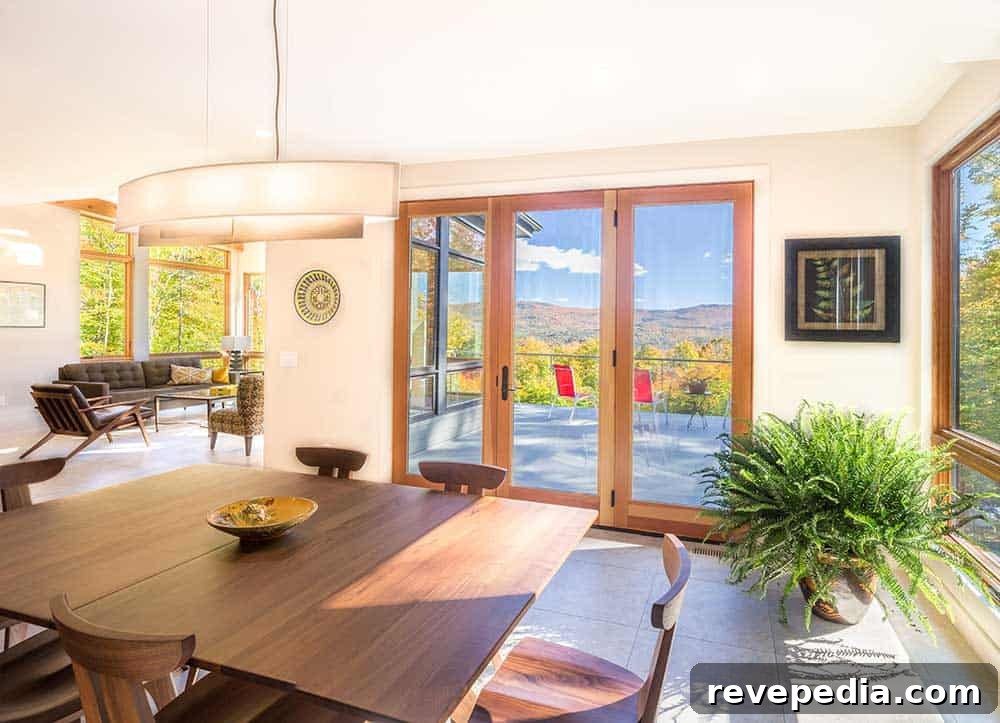
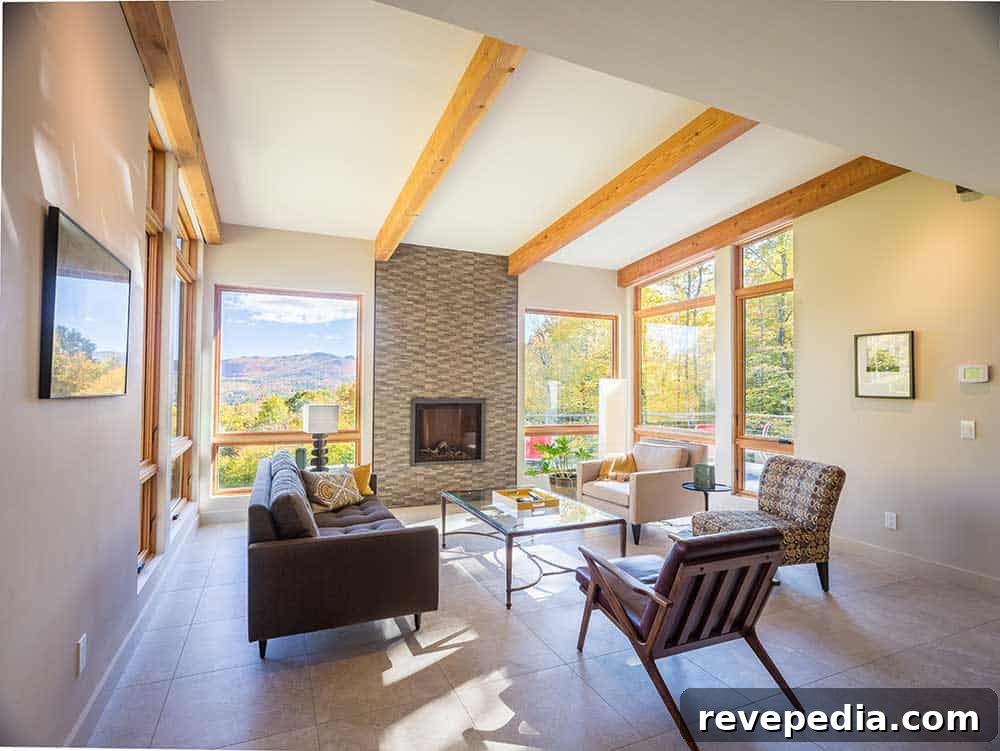
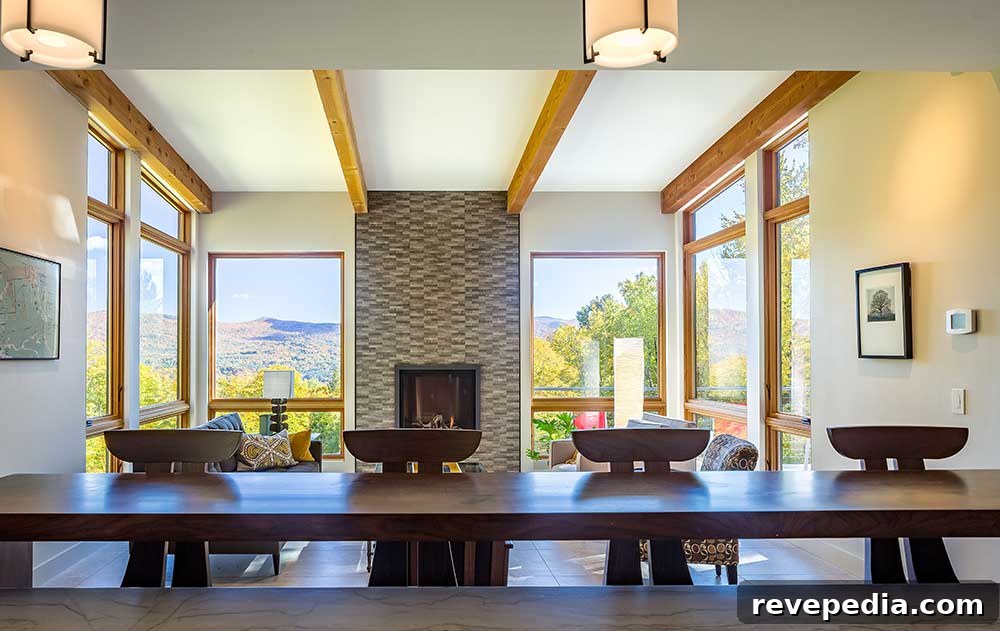
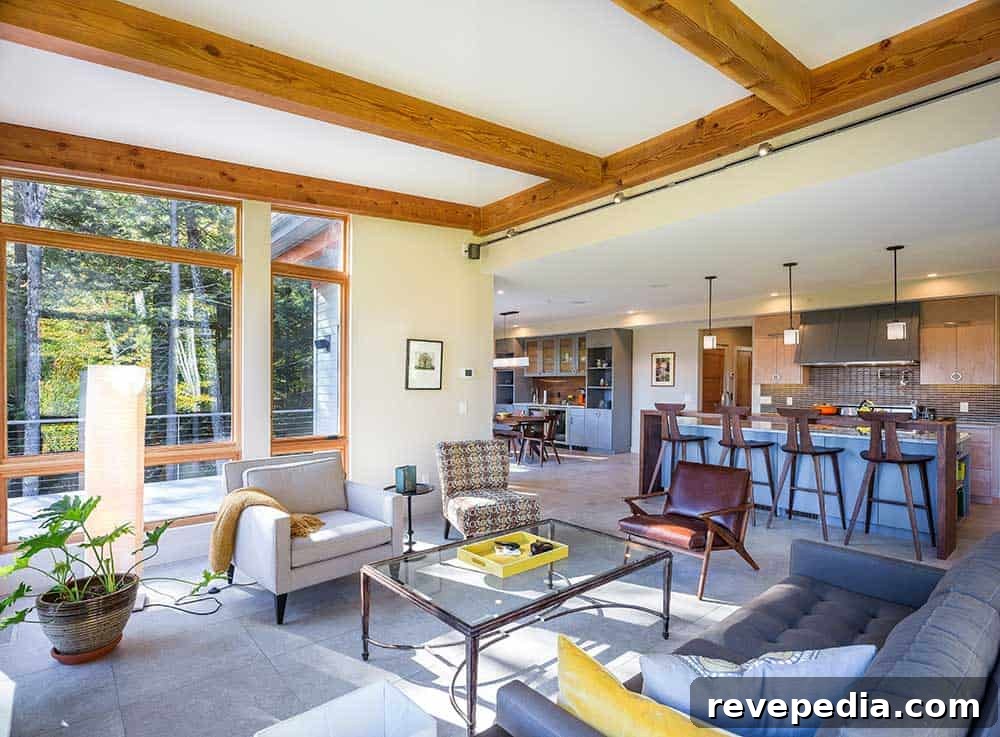
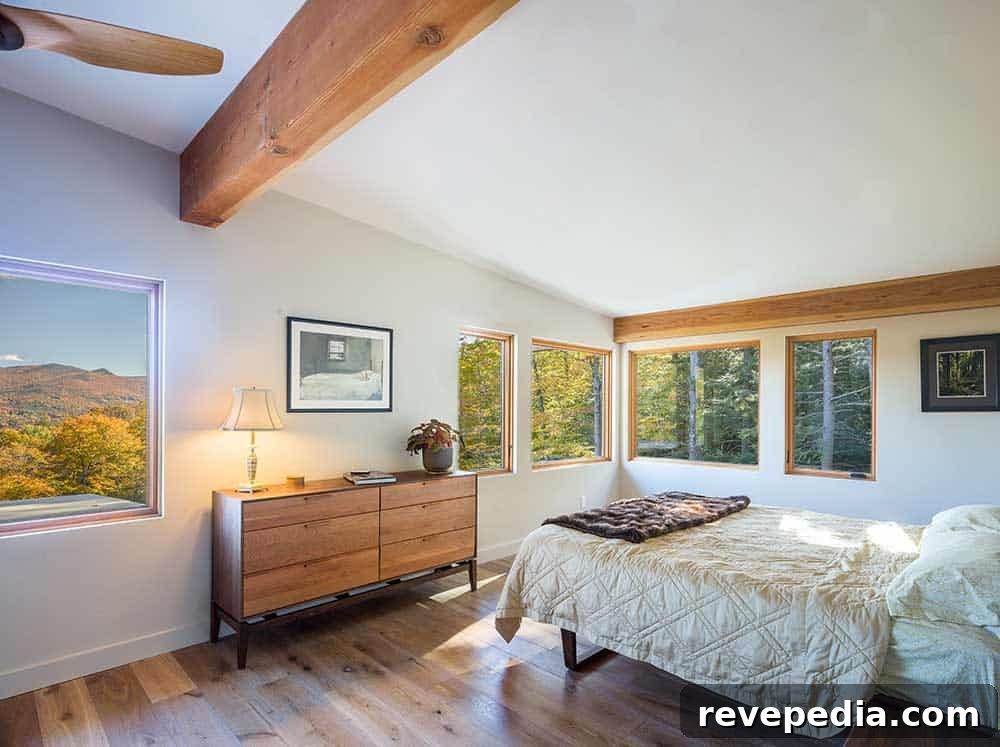
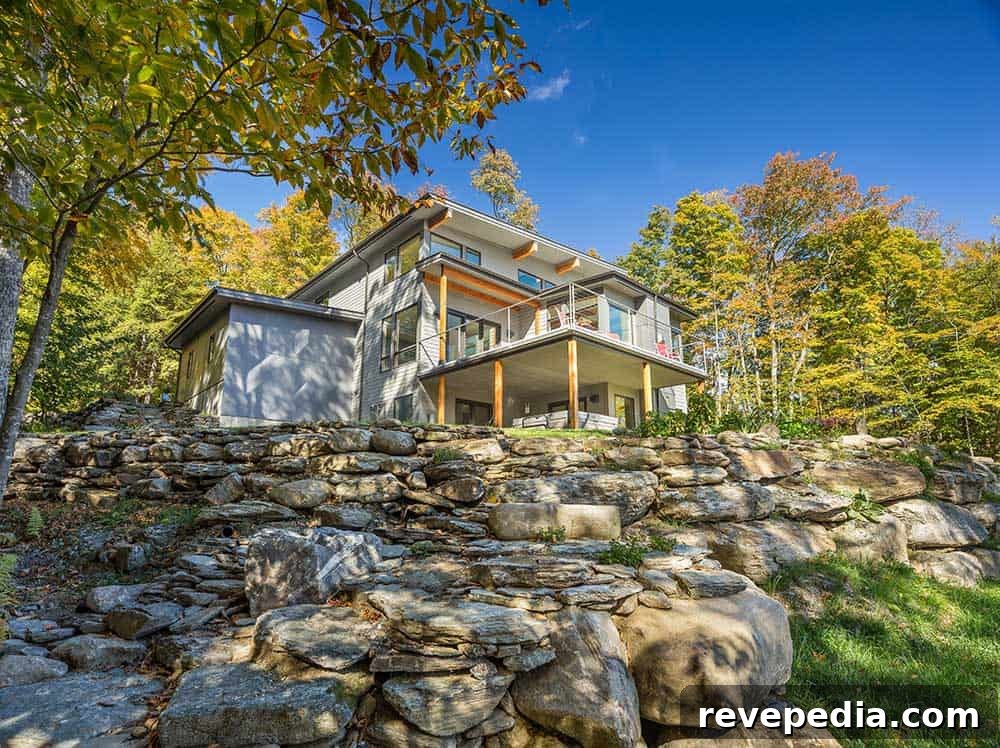
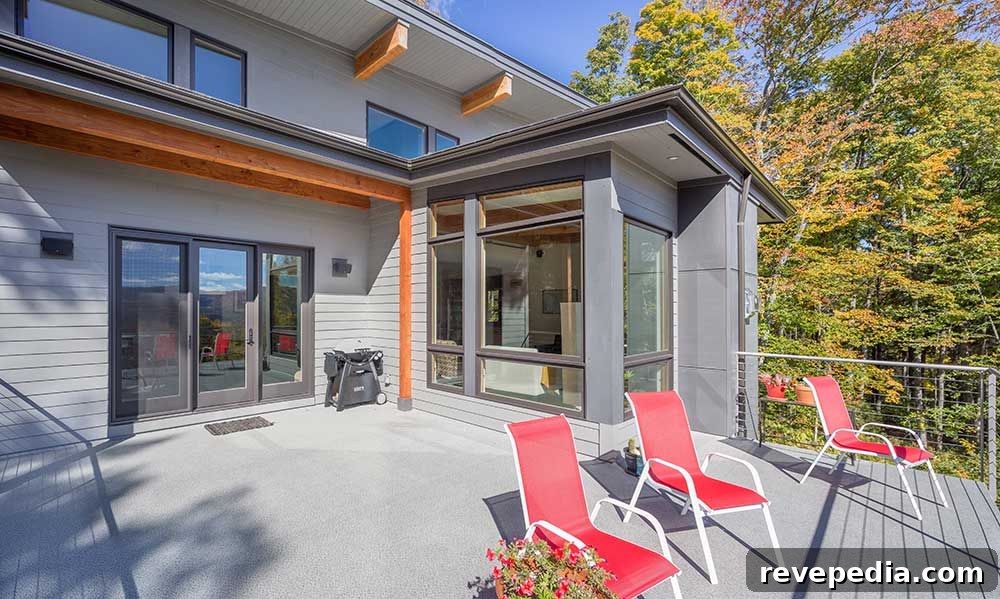
Designed with Mid-Century Modern principles in mind, the Mad River Modern emphasizes clean lines, an open floor plan, and abundant daylight. It was conceived for a sloped site—where its layout and large windows take advantage of views and natural light—but it adapts well to level lots, too. Floor-to-ceiling glazing invites panoramic vistas and connects the interior living spaces to the outdoors, while a neutral palette highlights the warmth and texture of the exposed post-and-beam structure.
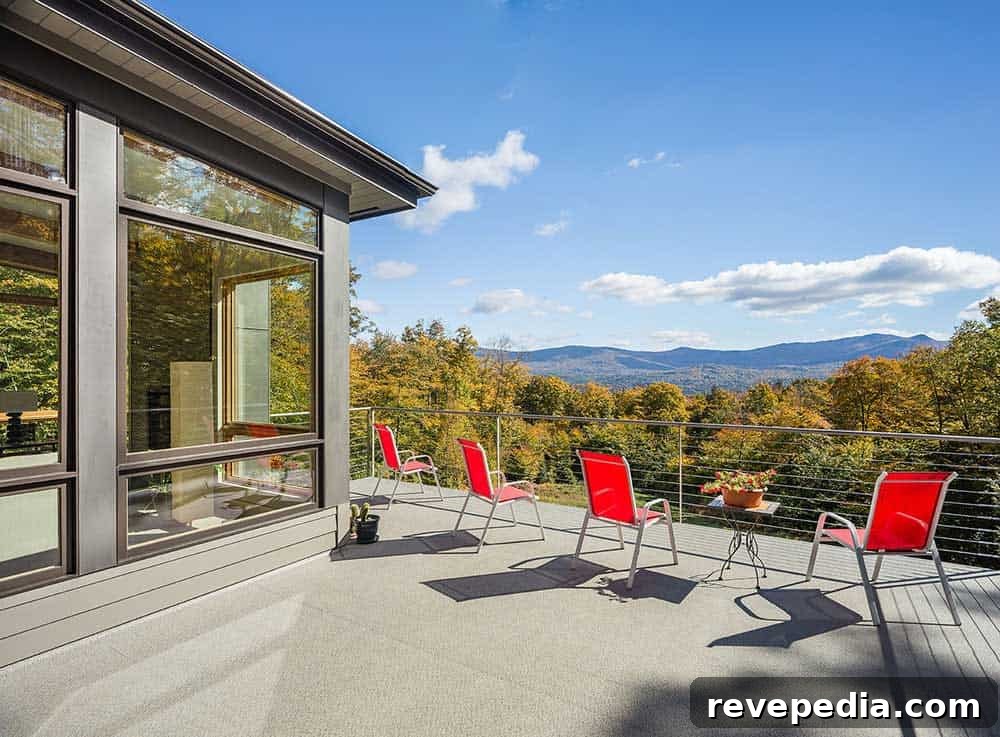
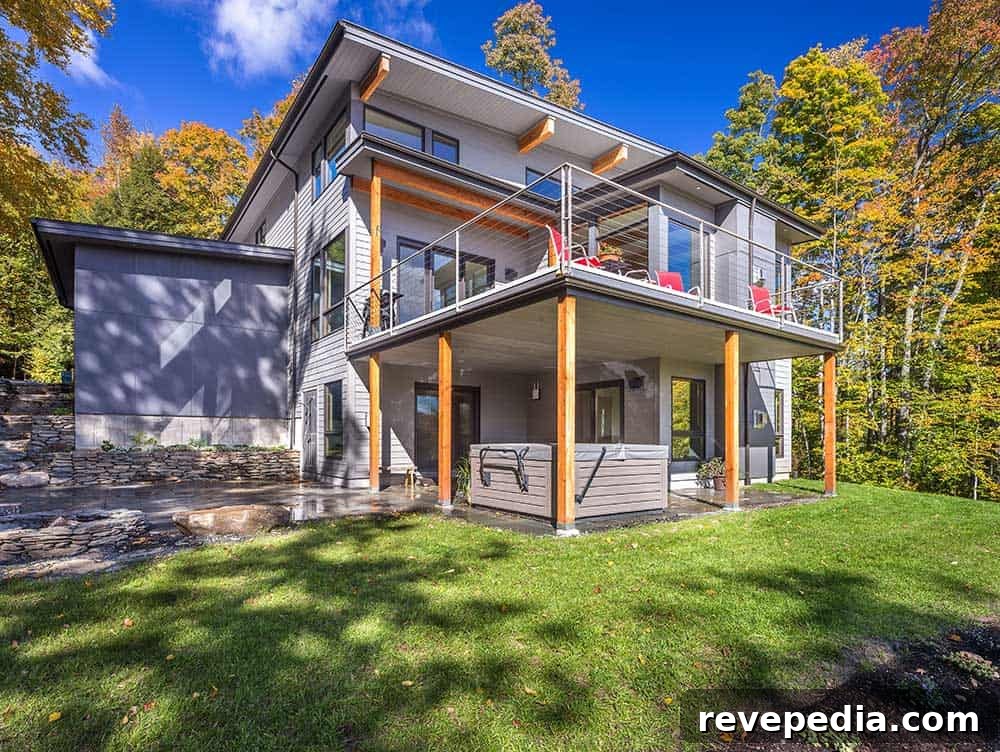
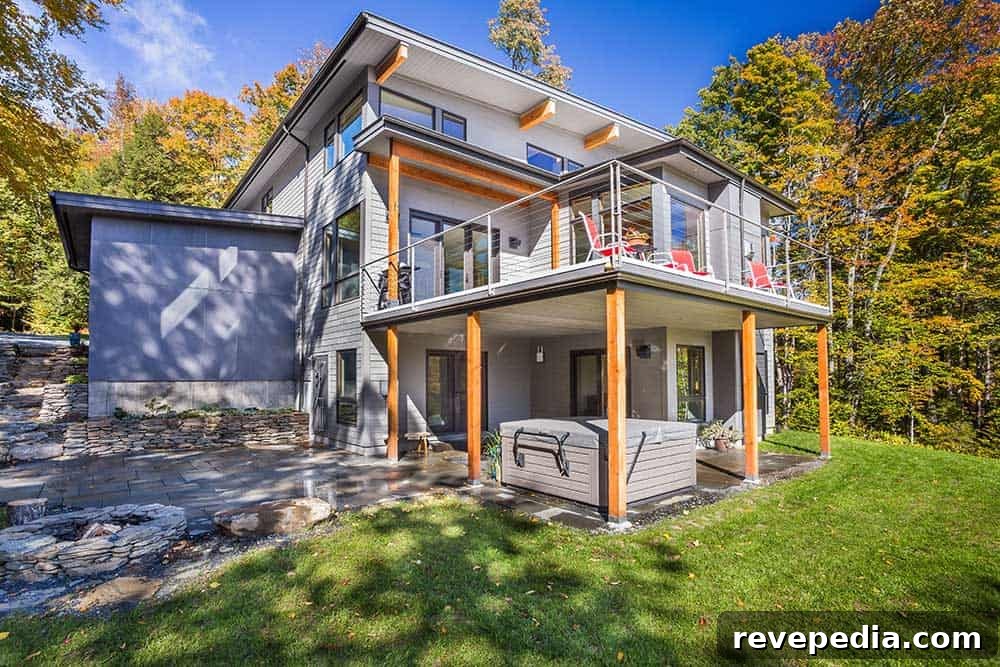
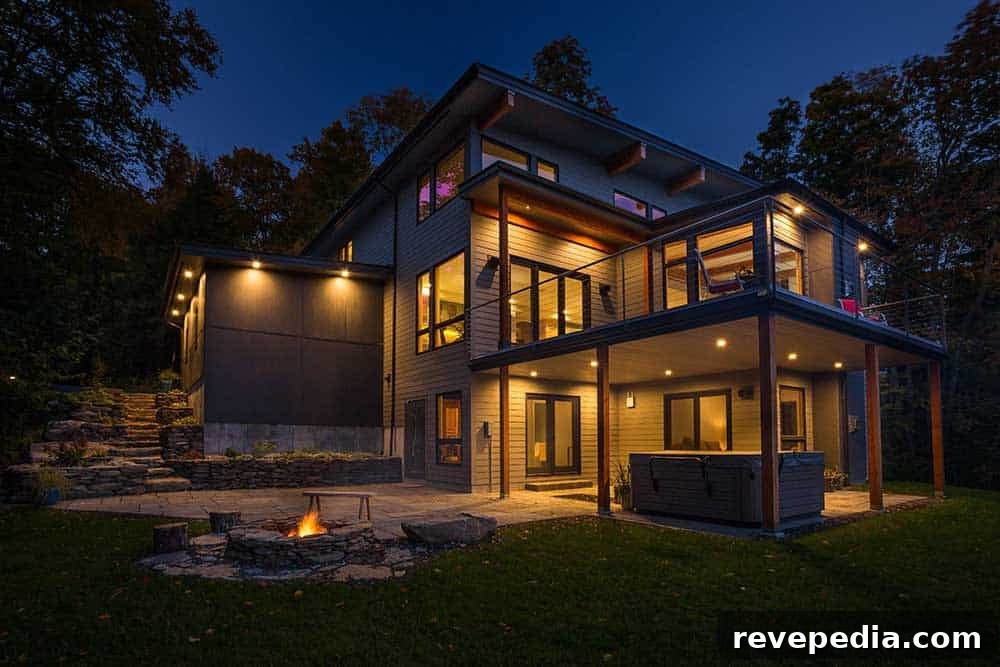
The home’s main level flows naturally to an elevated, waterproof deck that overlooks the Green Mountains of Vermont in the original installation. Below that deck is a sheltered patio that remains usable even in poor weather, creating protected outdoor living and entertaining areas. Thoughtful planning of indoor-outdoor circulation and covered exterior spaces extends usable square footage and enhances year-round enjoyment.