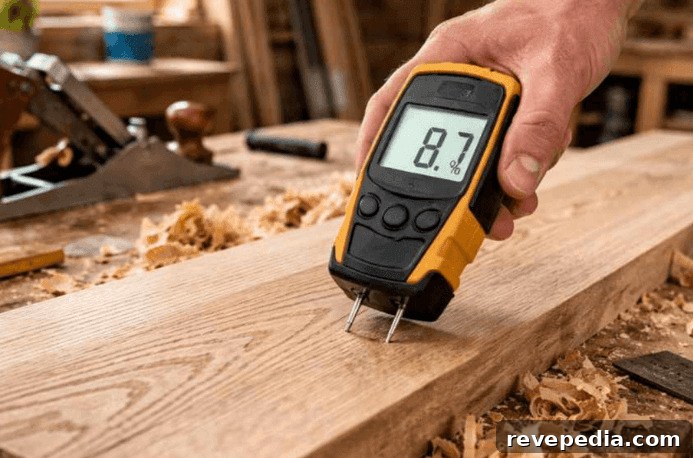
Moisture problems rarely announce themselves. They usually develop slowly and hide behind walls, under flooring, or around seemingly normal areas. Because they can be so subtle, these issues are easy to miss until they become more serious.
For someone new to home inspection, a moisture meter might look like a specialized tool only professionals use. In practice, it quickly becomes a tool for awareness. Using a meter teaches you how your home reacts to moisture, how readings vary across different materials, and where small changes may indicate a need for closer attention over time.
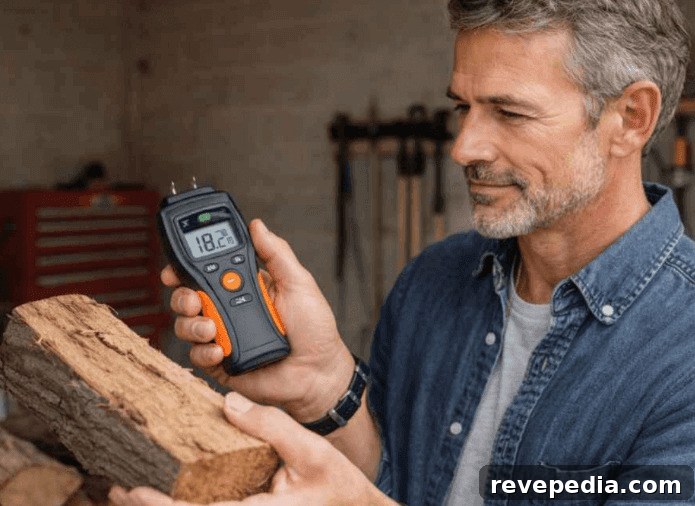
Photo: SensoraHome
1. It’s about comparison more than exact numbers
Many beginners expect a moisture meter to give a definitive answer—safe or problematic. In reality, the most useful information comes from comparing readings across locations. Scanning a wall and finding mostly consistent values with a slight spike near a window or corner is often more important than the absolute number.
Comparative scanning helps you spot patterns and anomalies. Over time, you learn what’s typical for your home and which deviations warrant further inspection.
2. Different materials respond differently to moisture
Materials behave differently when exposed to moisture, which directly affects meter readings. Wood absorbs and releases moisture more quickly, so readings may fluctuate. Concrete can hold moisture for longer, producing a higher baseline. Drywall often shows surface-level changes more readily, especially with changes in humidity.
These differences can be confusing at first, particularly when nearby surfaces show different values despite no visible damage. Understanding how each material influences readings makes interpretation more reliable and predictable.
3. Surface readings don’t always reveal subsurface issues
Moisture meters measure moisture at or just below the surface being scanned, so they don’t always reveal deeper problems. A wall may feel dry on the surface while a slow leak or poor ventilation allows moisture to accumulate behind it. Conversely, a slightly elevated surface reading could reflect temporary conditions rather than structural damage.
Treat readings as indicators rather than final diagnoses. If a reading seems out of the ordinary, it’s usually a cue to investigate further rather than to draw immediate conclusions.
4. Environmental conditions influence results
Readings are affected by the surrounding environment—humidity, temperature, and recent weather can all change results. After rain or in poorly ventilated areas, readings may be higher even when no underlying issue exists.
Recognizing environmental influence prevents misinterpretation. Checking the same location at different times and under different conditions helps separate temporary fluctuations from consistent patterns that require attention.

Photo: SensoraHome
5. The meter type affects how you inspect
There are two common types of moisture meters: pin and pinless. Each has advantages. Pin meters use probes to measure moisture at a specific point and can offer precise readings, though they may leave tiny marks. Pinless meters scan the surface without penetration, making them quick and noninvasive for broad surveys.
Beginners often prefer pinless meters for ease and speed, while more detailed investigations may combine both types depending on the situation.
6. Confidence with readings grows over time
Early use of a moisture meter can be uncertain—seeing a number and wondering what it means is common. With repeated use, patterns become clearer. You begin to understand how readings vary by room, material, and condition. What once felt puzzling becomes familiar and useful.
Over time the meter evolves from a gadget to a dependable part of routine home observation and inspection.
7. The goal is awareness, not a perfect diagnosis
A moisture meter is not a definitive diagnostic tool. Its primary value is raising awareness—highlighting spots that deserve a closer look and encouraging a more observant approach to home care.
You won’t always get a definitive answer, and that’s okay. The important outcome is recognizing when an area behaves differently from the rest of the space and knowing when to investigate or consult a professional.
Final Thoughts
Moisture meters don’t answer every question, but they reveal patterns, contrasts, and subtle changes that might otherwise go unnoticed. For beginners, using one is less about technical mastery and more about developing observational habits. The more you use the tool, the more familiar your home becomes and the easier it is to detect when something is off. That early awareness often prevents minor issues from becoming major problems.