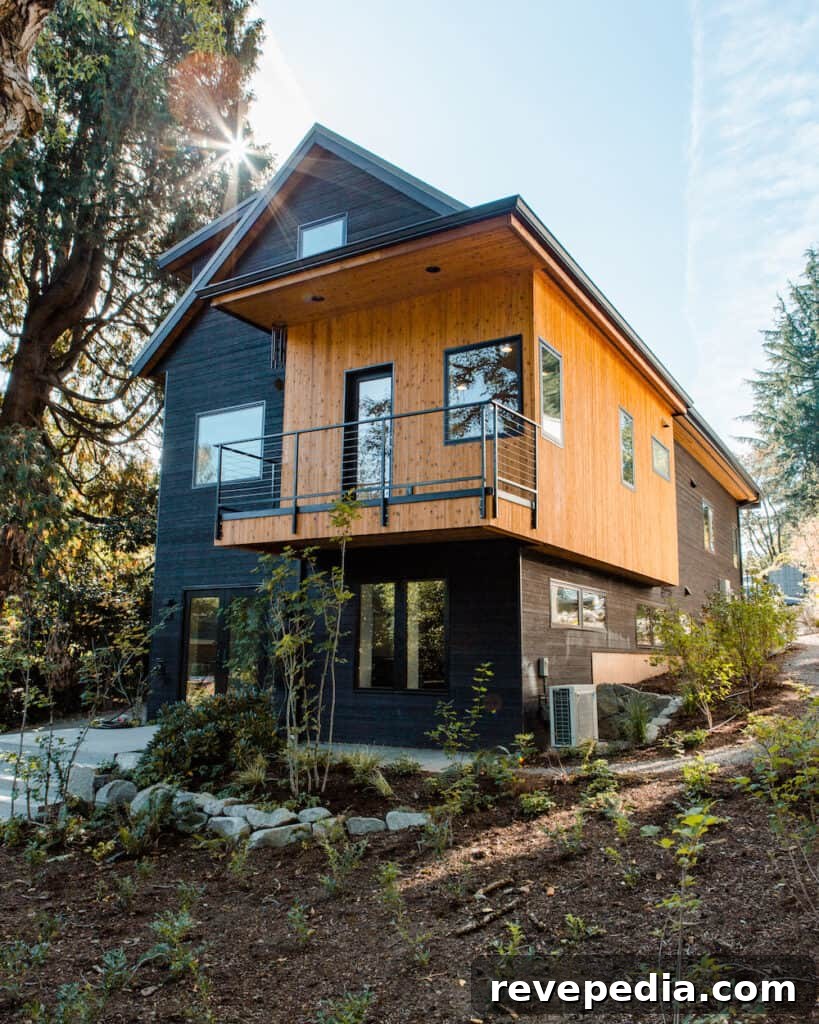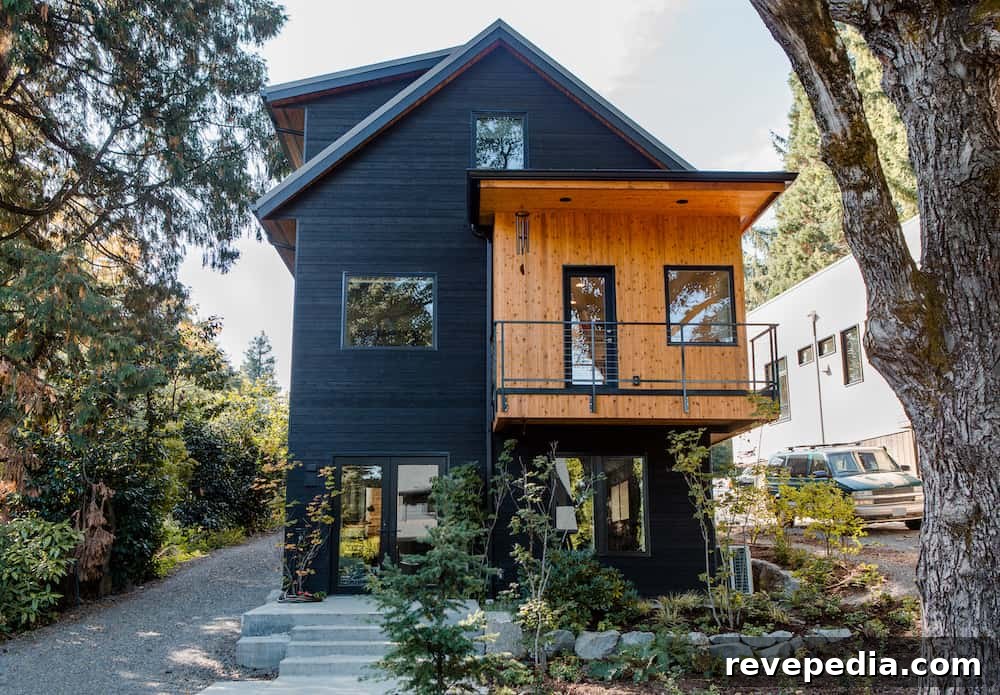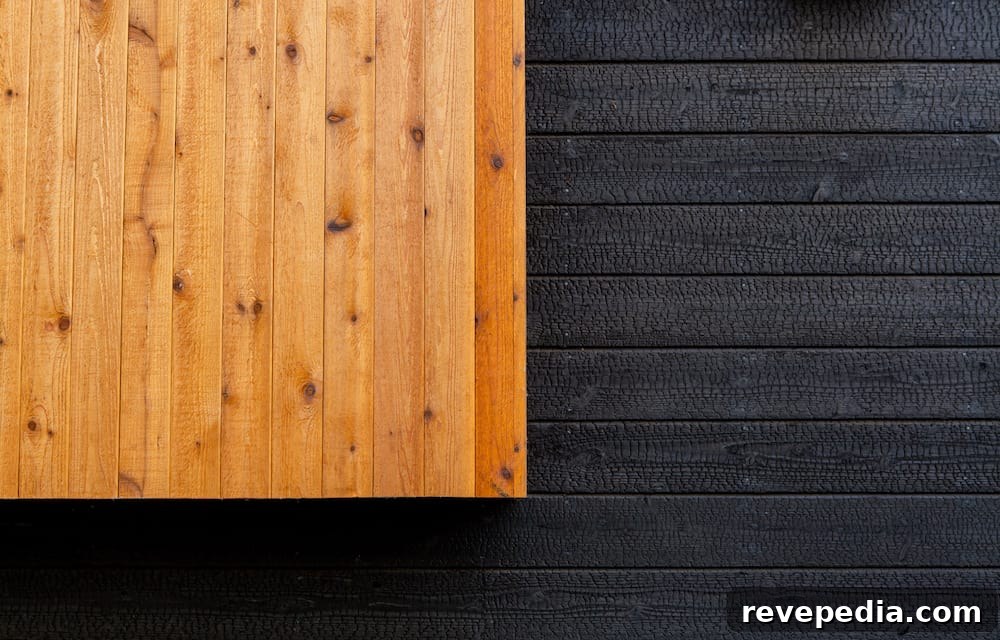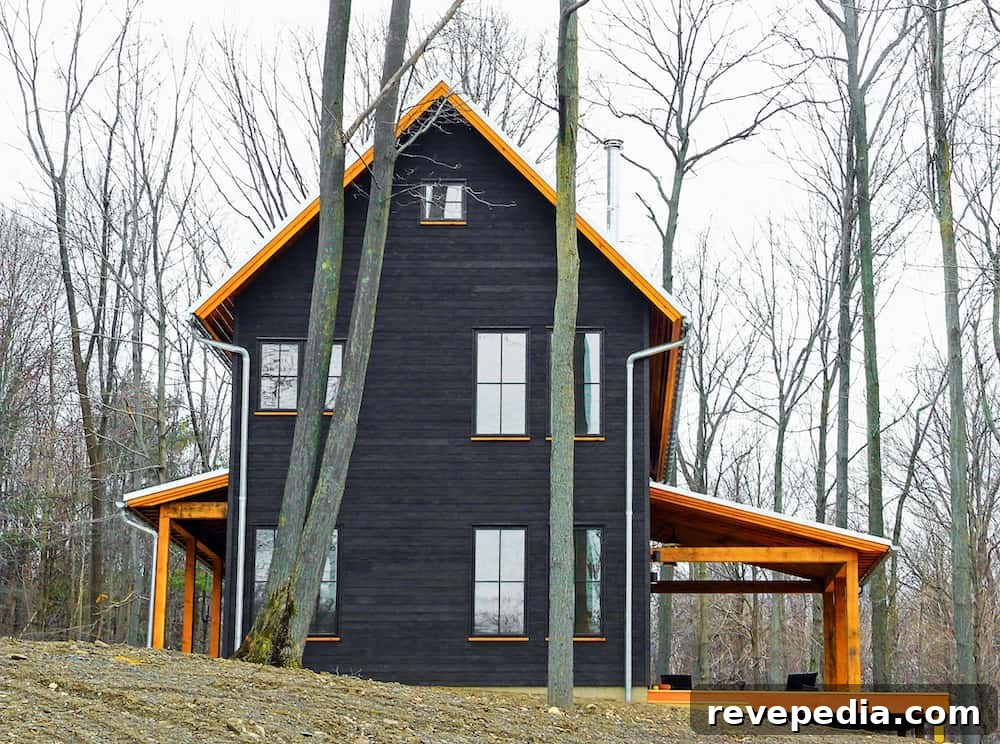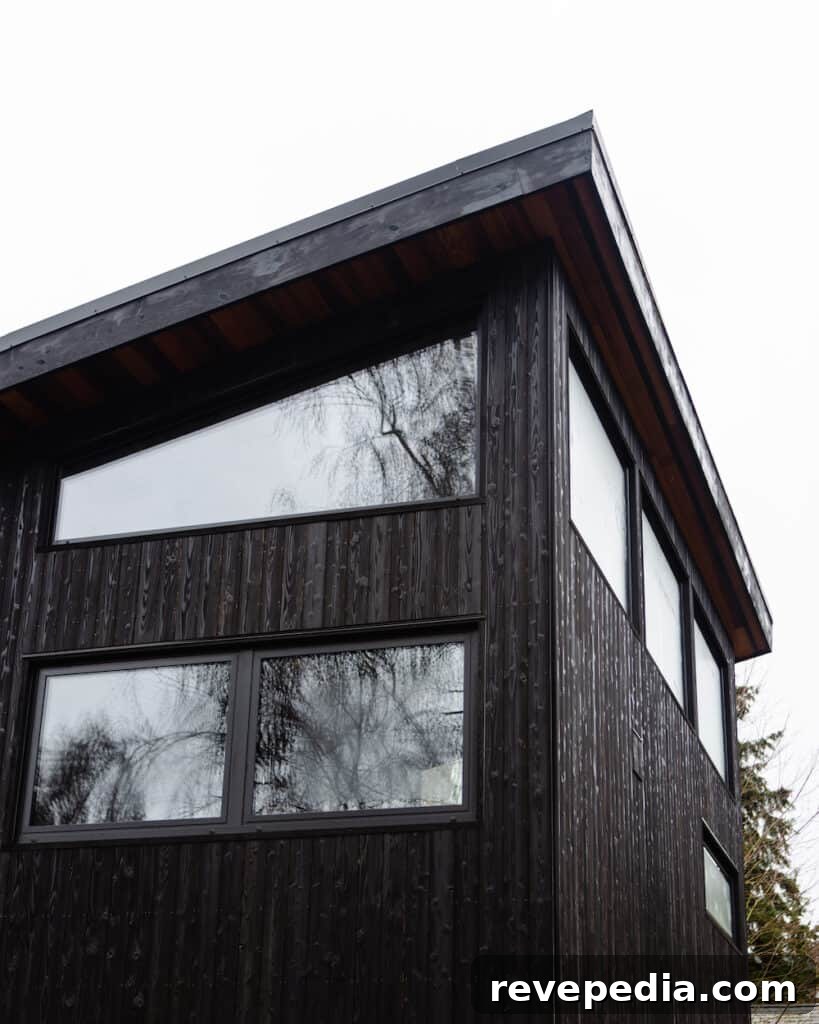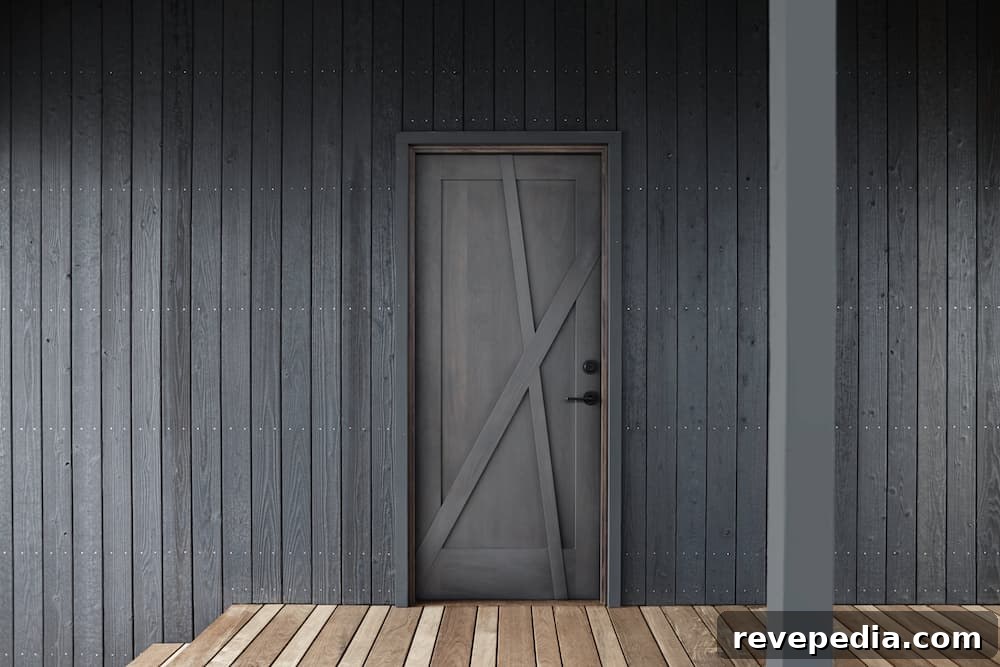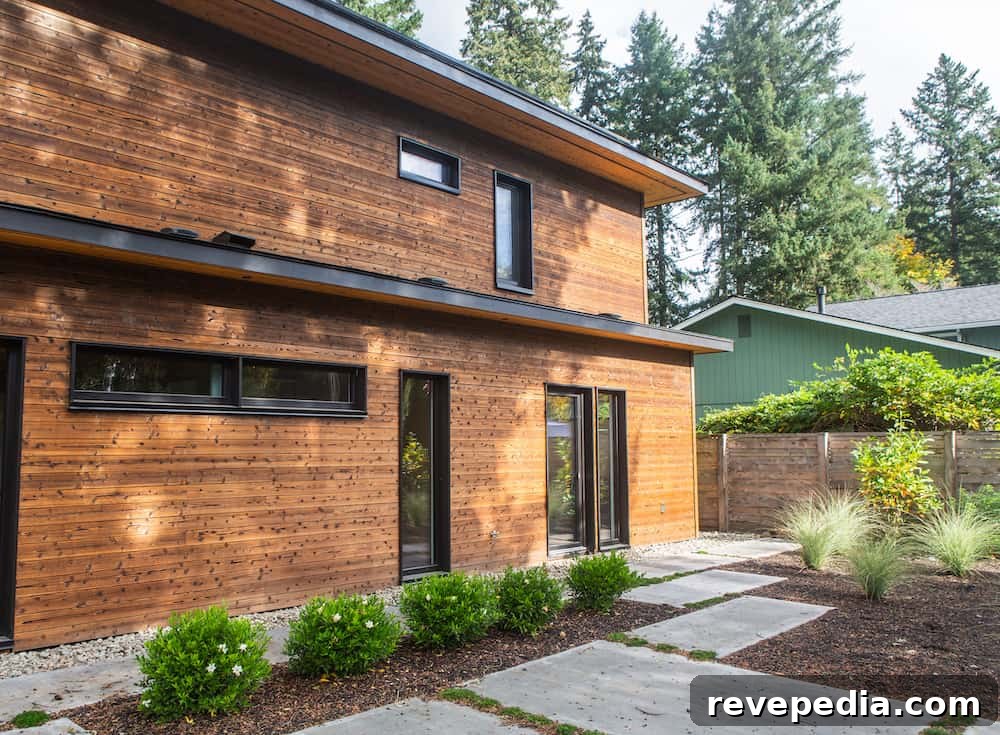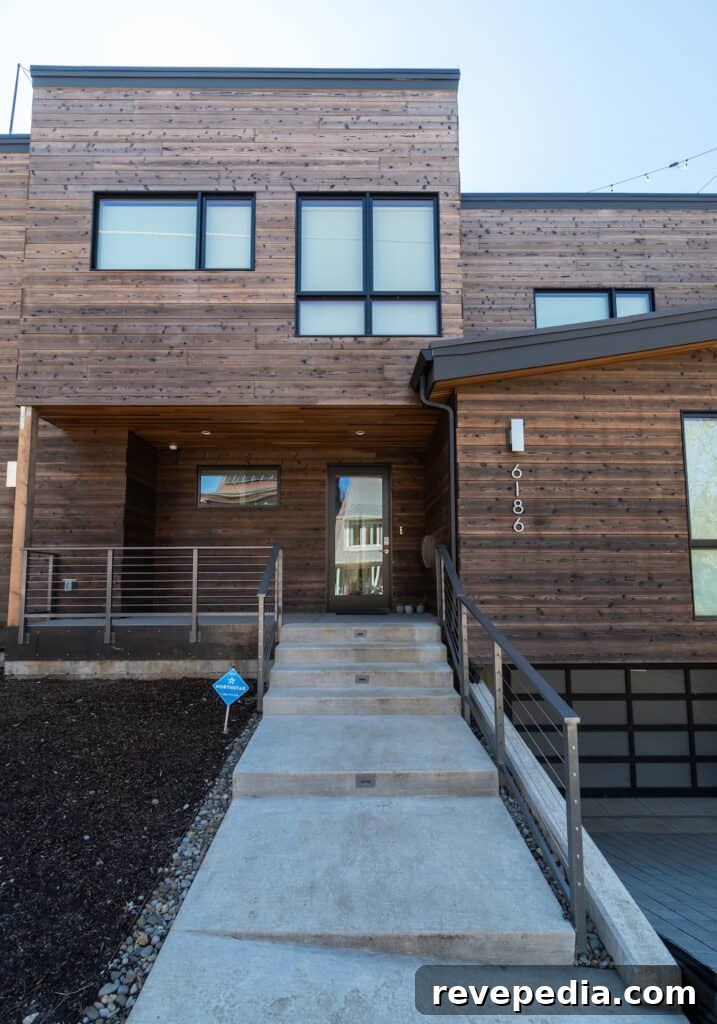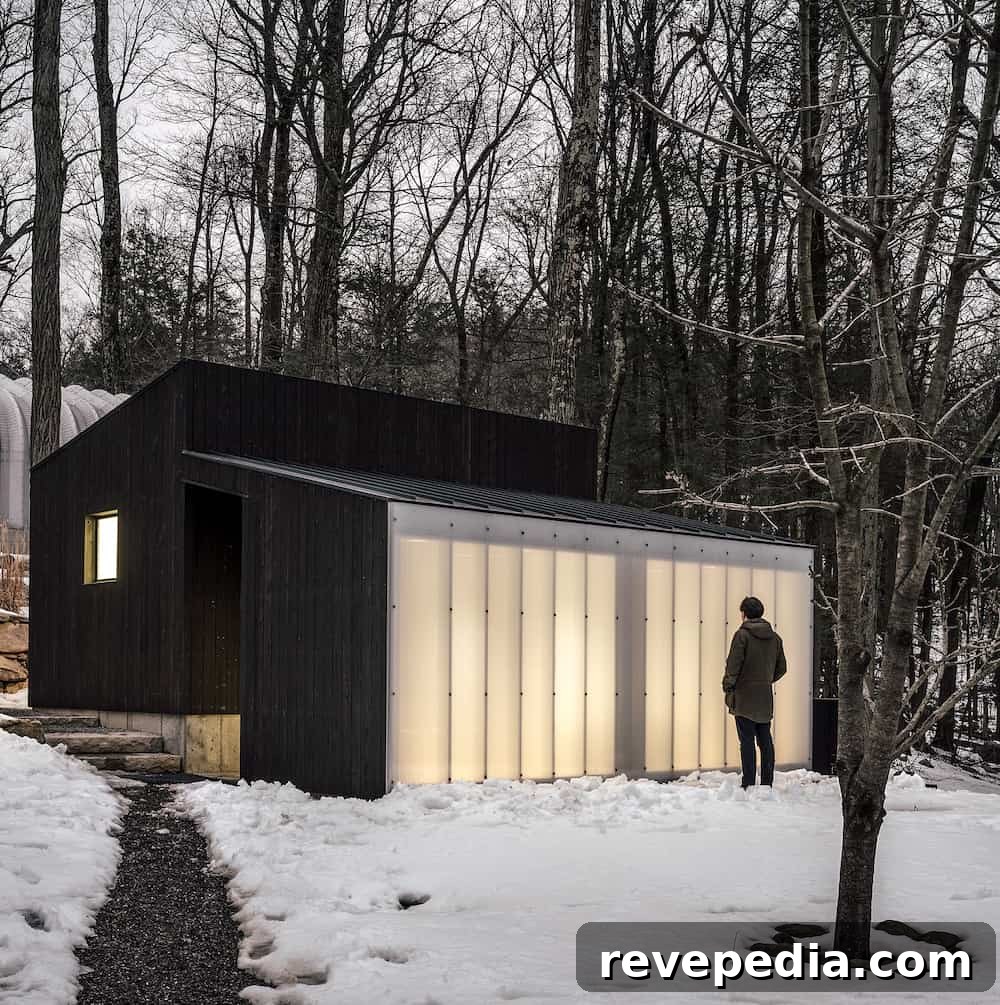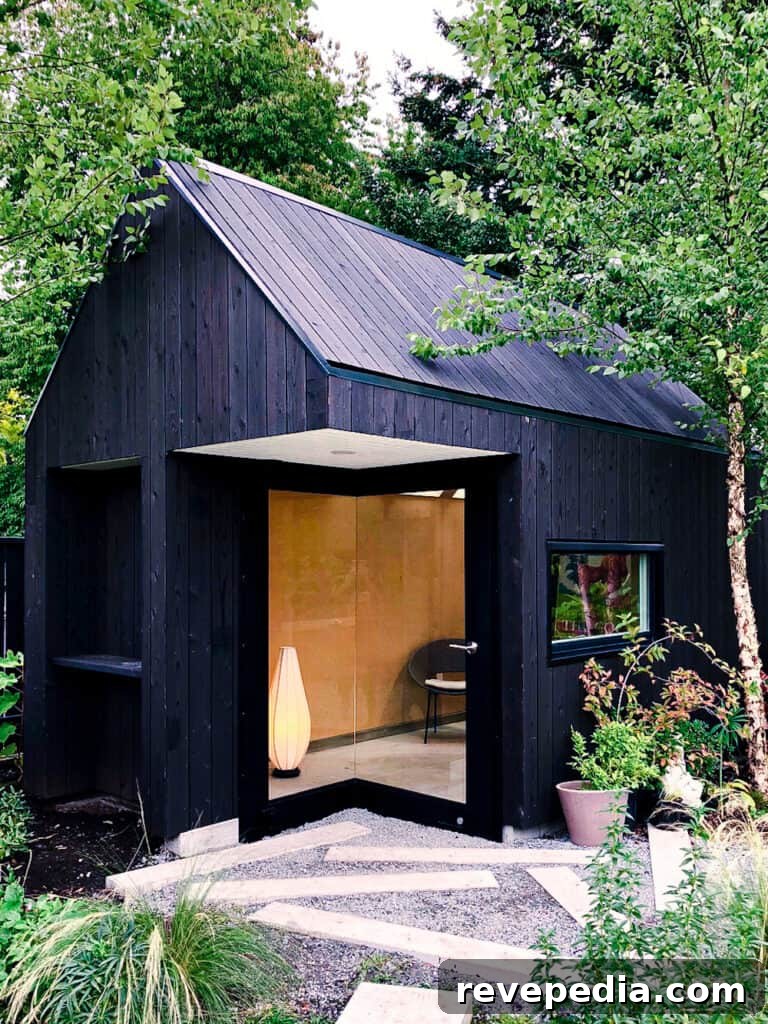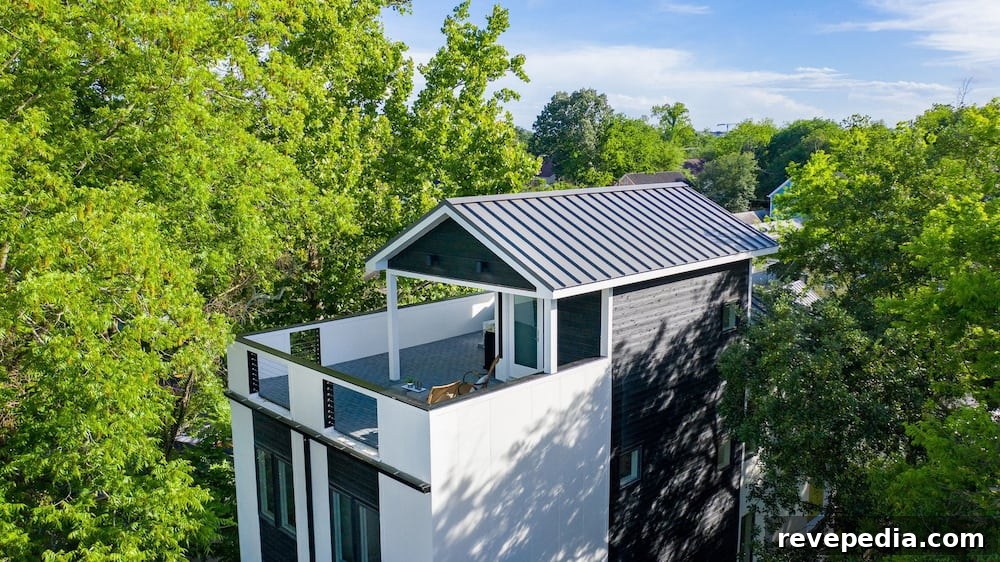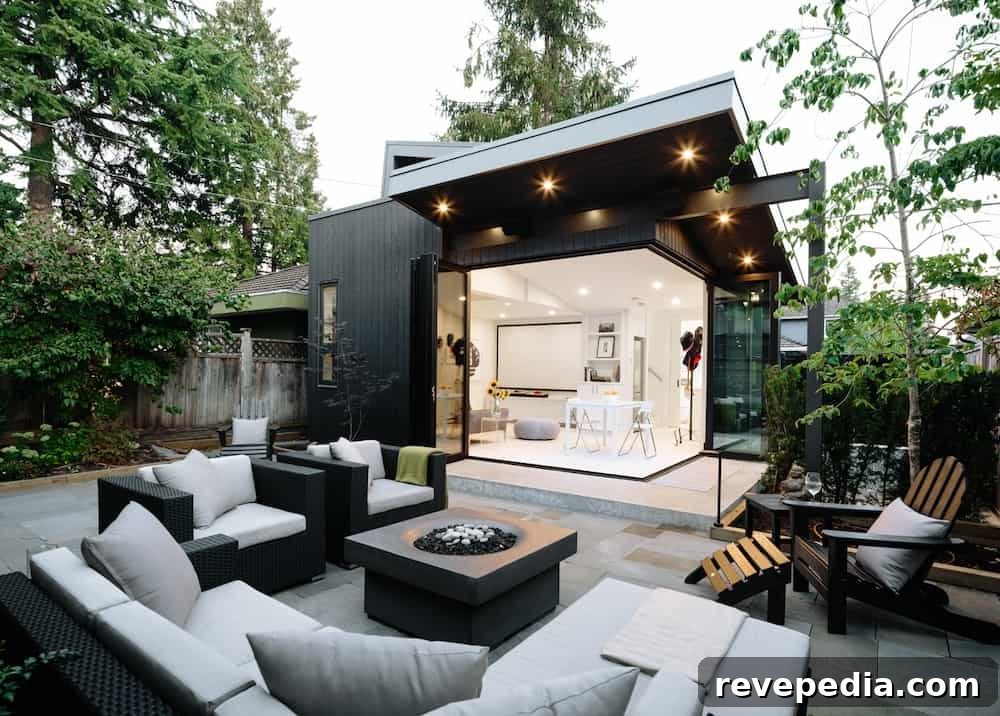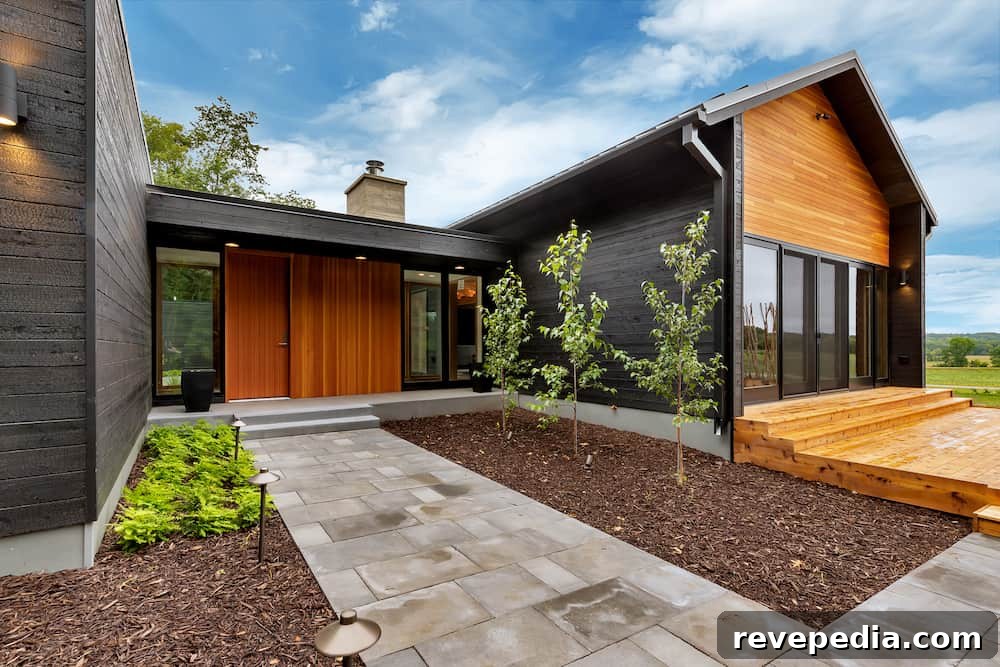
Charred wood siding creates a striking, unique exterior that complements modern architecture and adds warmth and texture to contemporary homes.
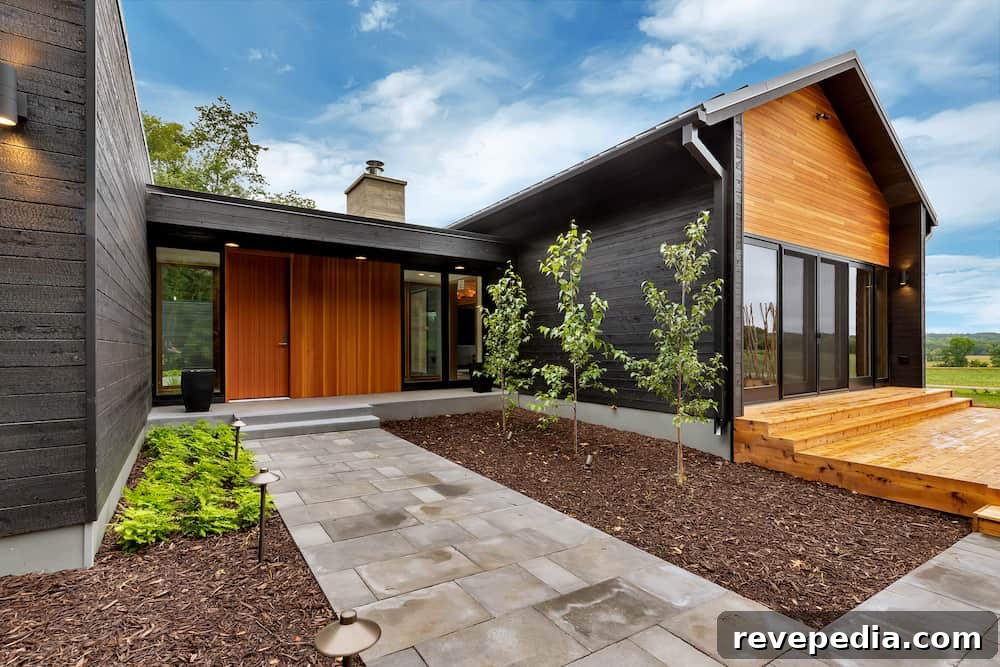
Known as yakisugi, this traditional Japanese technique involves heat-treating boards to improve their durability and resistance to weather, insects, rot, and fire while reducing maintenance needs.
History
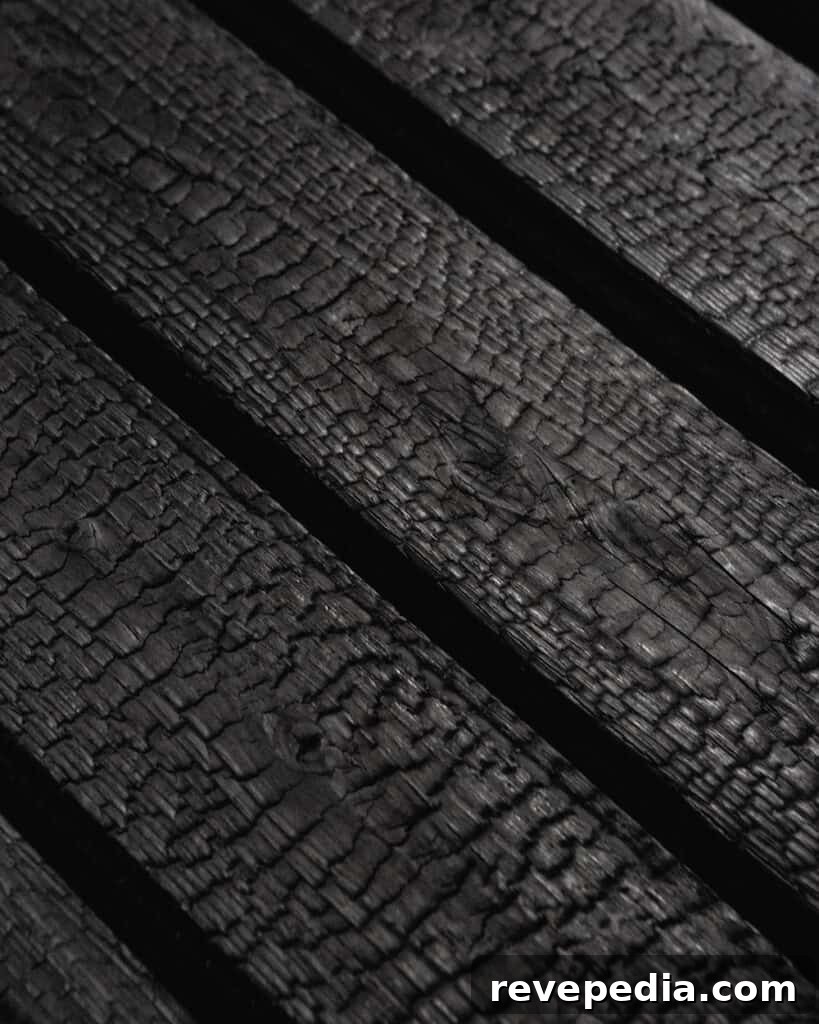
Yakisugi is produced by carefully charring the exterior faces of boards. The process creates a protective layer of carbonized wood that helps shield the material from ultraviolet light, biological decay, and pests. Unlike finishes applied to furniture or interior timbers, yakisugi is a cladding product developed specifically for exterior use.
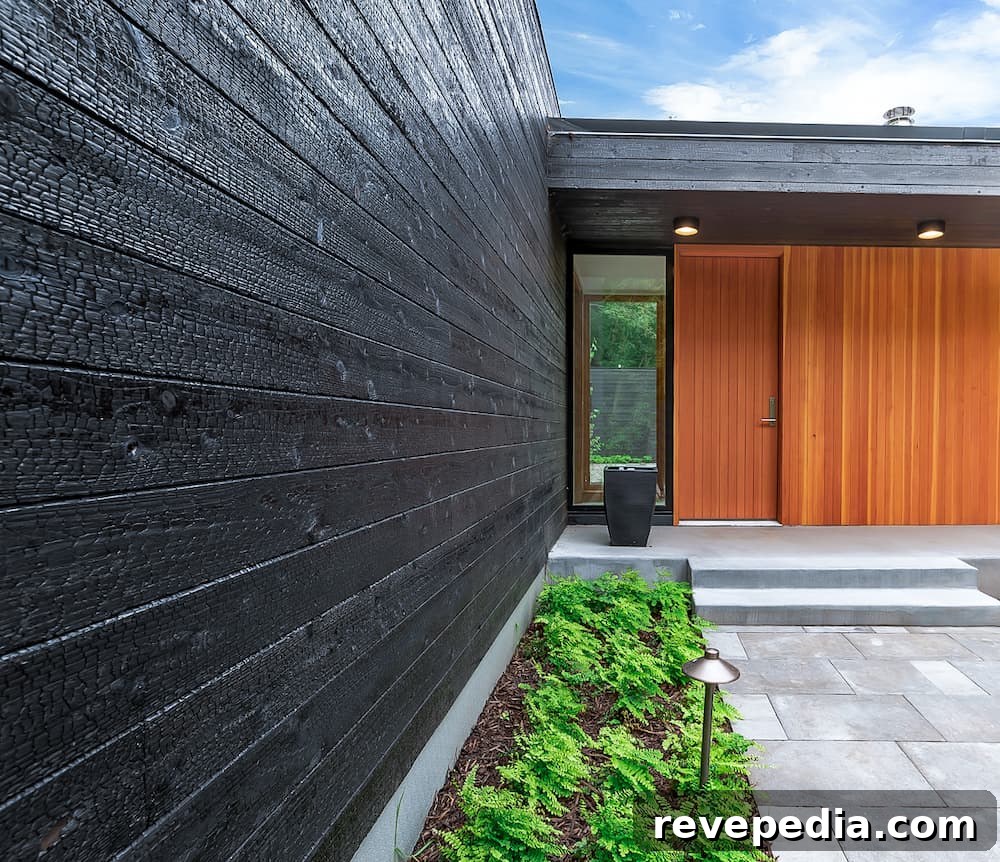
The Japanese term “yakisugi-ita” literally means “burnt sugi planks”—sugi refers to Japanese cedar or cypress. In Western usage, the name “shou sugi ban” has become common, even though it stems from an alternate reading of the original Japanese term.
Nakamoto Forestry
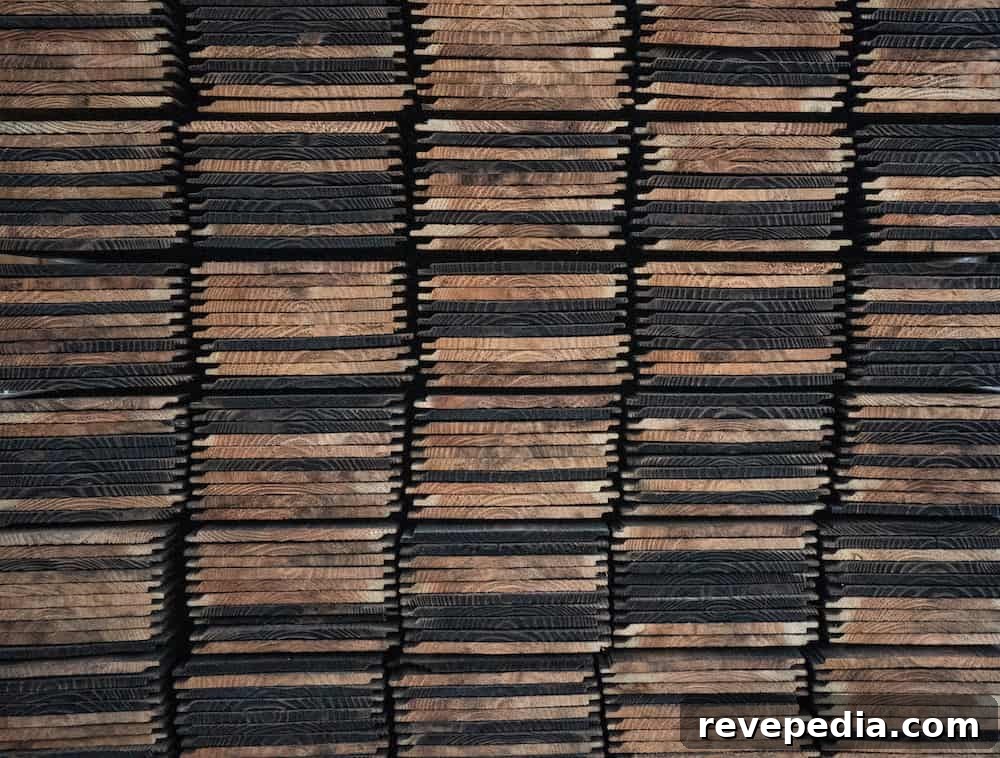
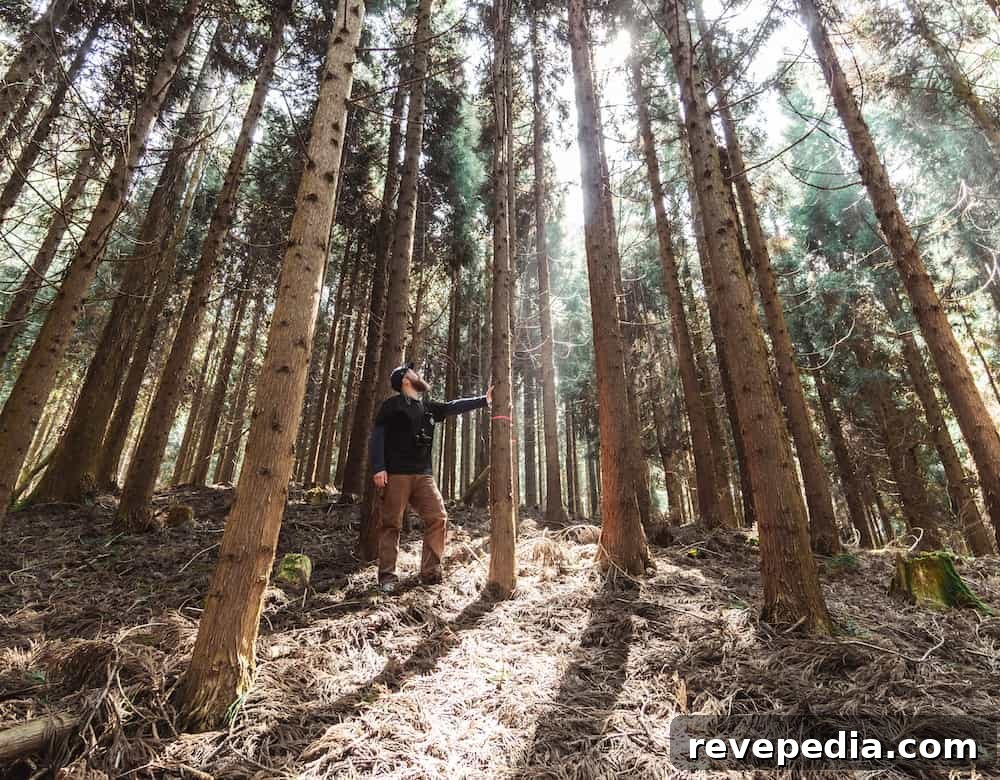
Nakamoto Forestry is a leading supplier of yakisugi in North America. They emphasize ethically sourced materials, health-conscious manufacturing, competitive pricing, and fast lead times. Their supply chain uses sugi harvested from their forests in Japan, and they complete oil finishes in the United States using traditional surface treatments.
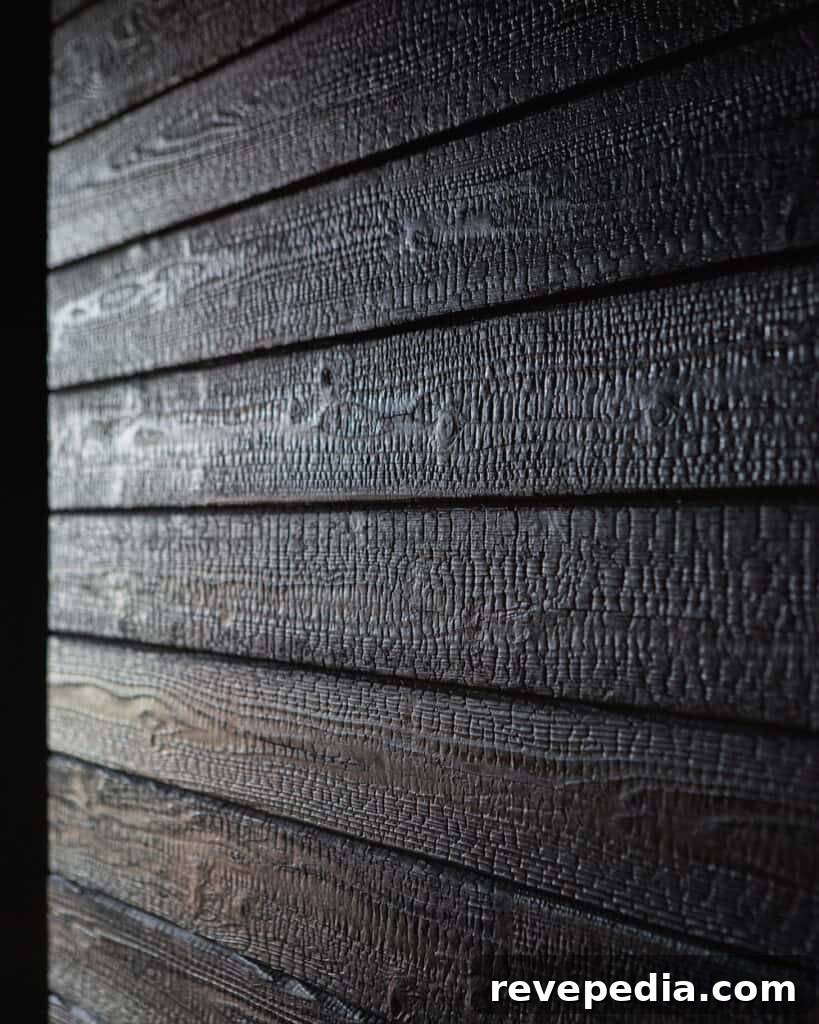
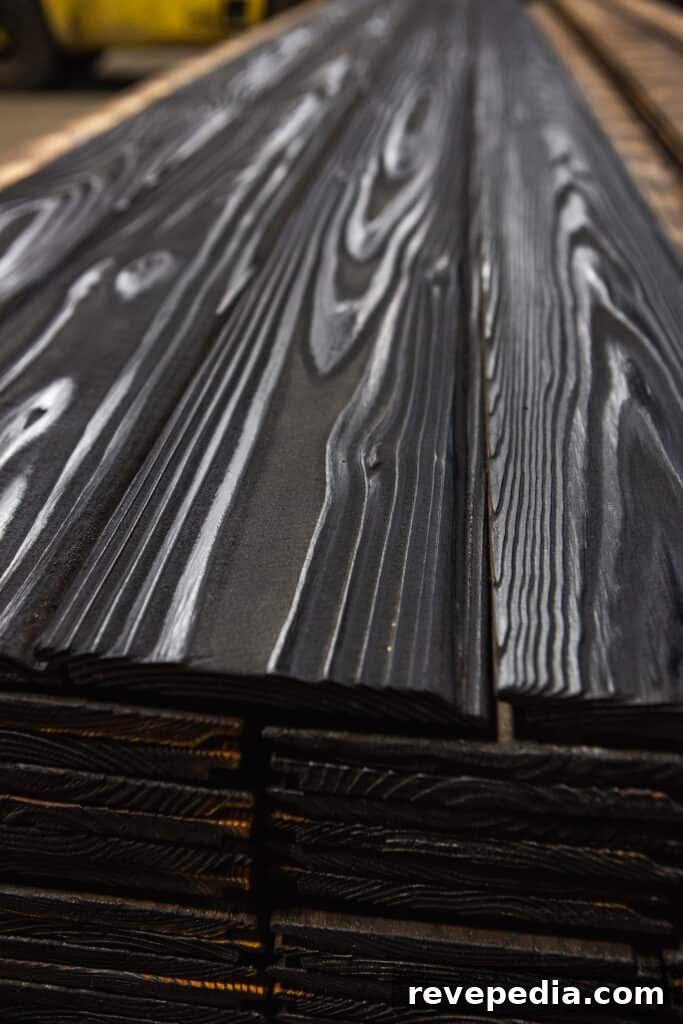
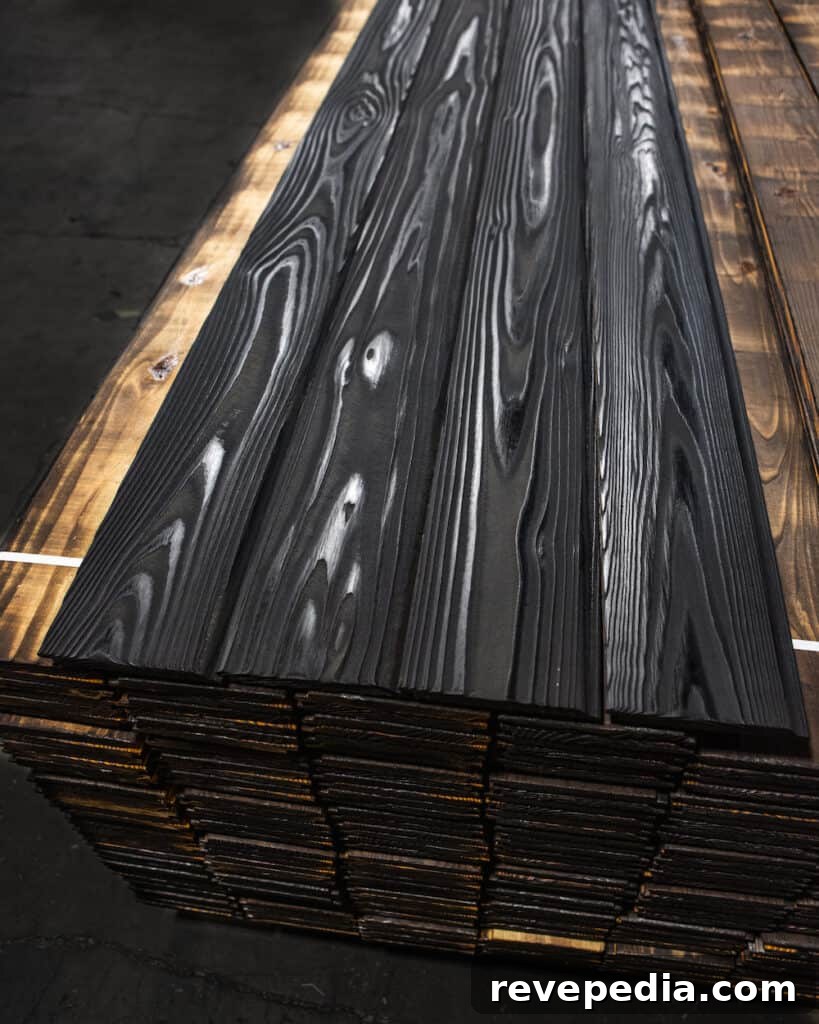
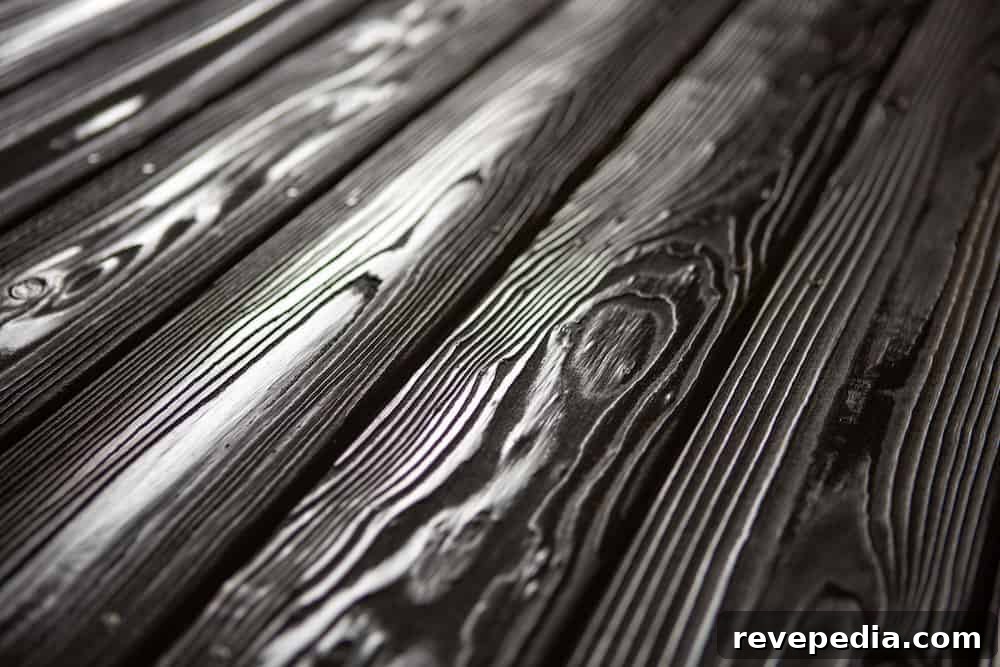
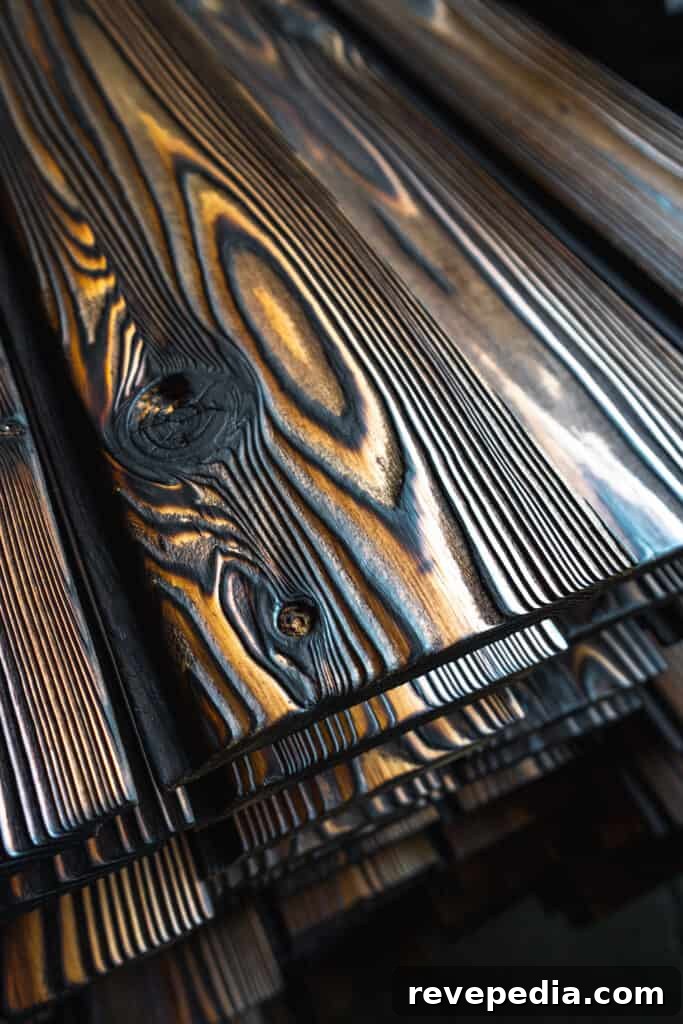
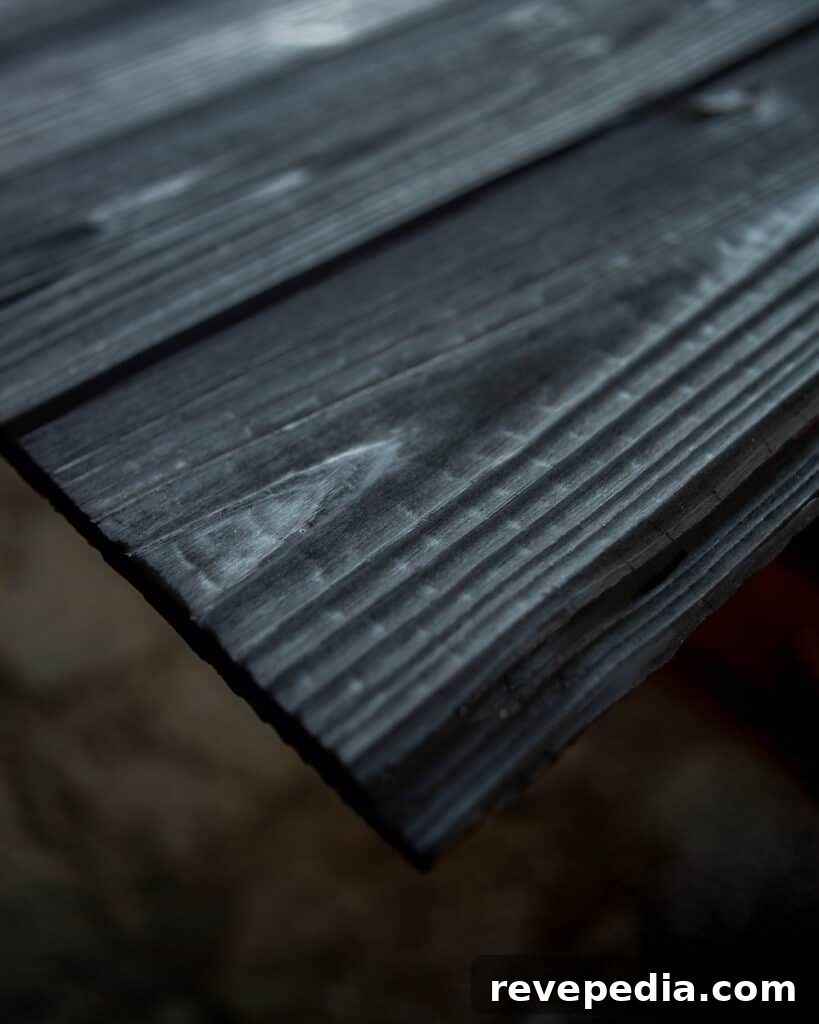
The company offers three classic surface styles: Suyaki, Gendai, and Pika-Pika. Pika-Pika is a favorite for many designers; it receives an additional wire-brushing step that removes loose soot from the softer spring growth rings while preserving the darker, burnt latewood ridges for rich contrast and texture.
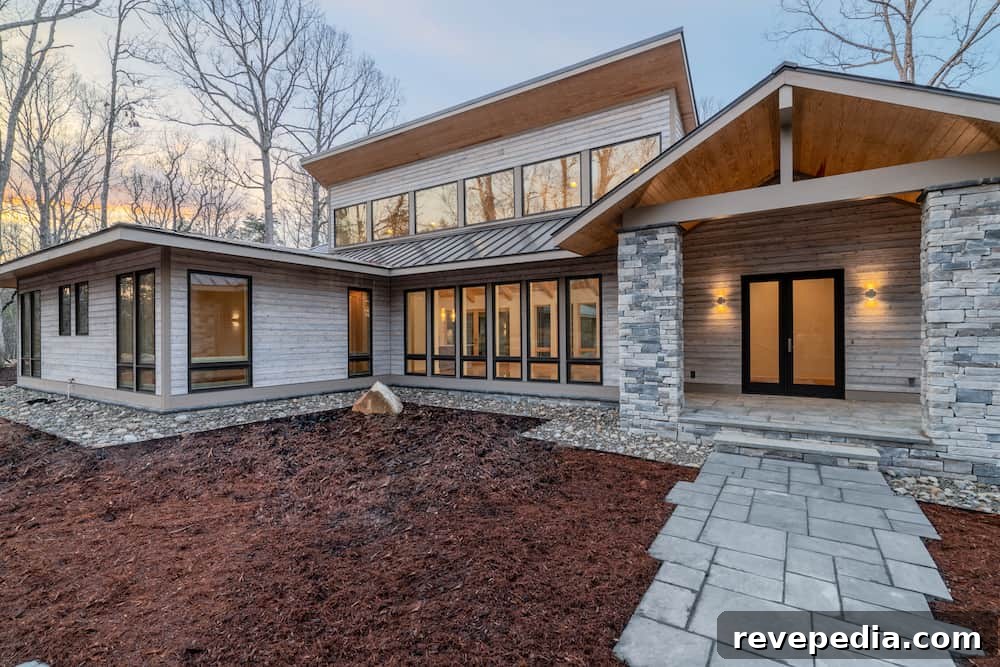
Charred wood siding coordinates beautifully with interior wood decisions, including hardwood flooring choices. For homeowners and renovators planning a cohesive whole-home design, matching exterior yakisugi with interior finishes creates continuity and reinforces a natural material palette.
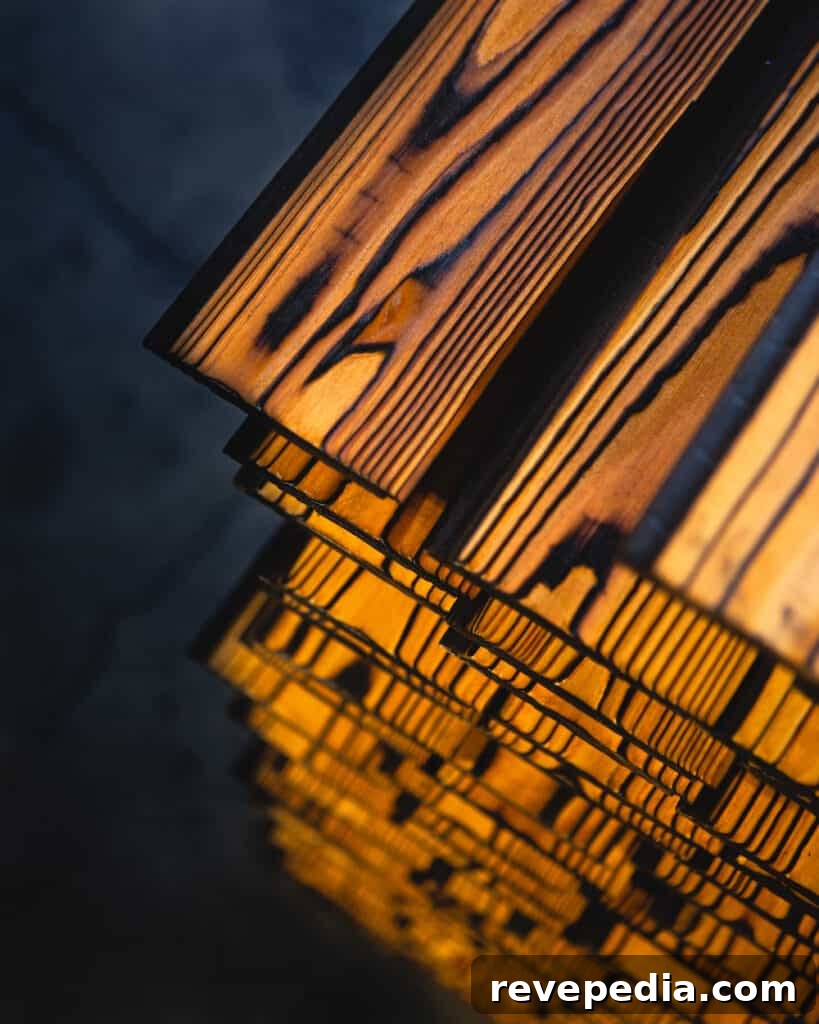
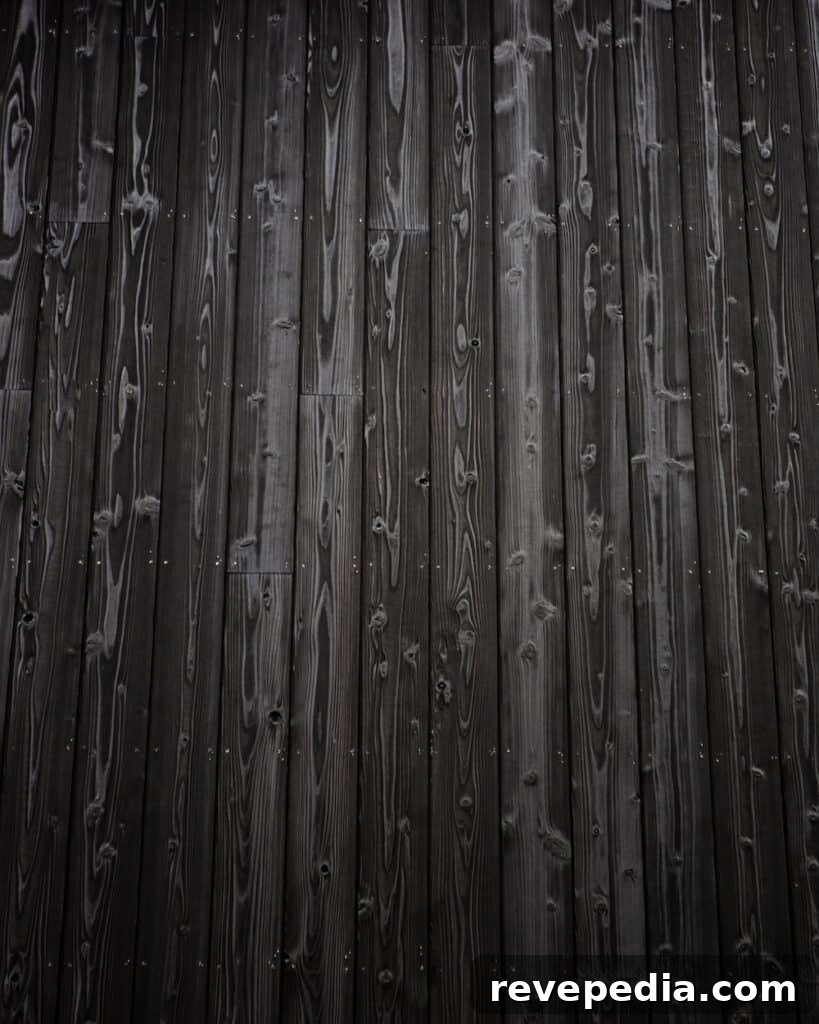
The finished surface reads like a topographic map of the wood grain: textured, tactile, and visually interesting. After the initial charring, planks are hand-graded and finished to balance heartwood and sapwood, ensuring consistent appearance and performance.
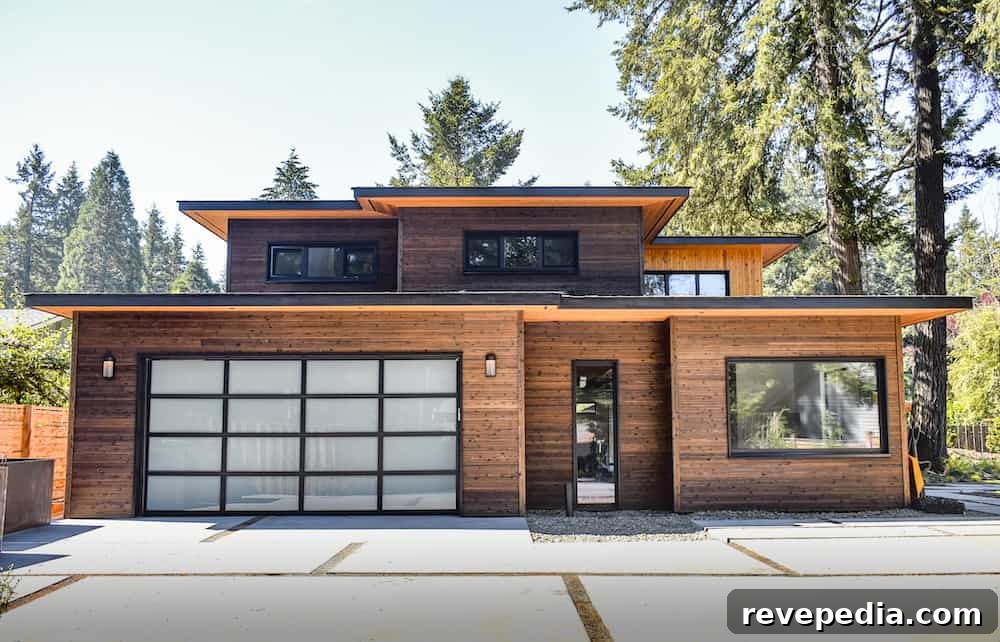
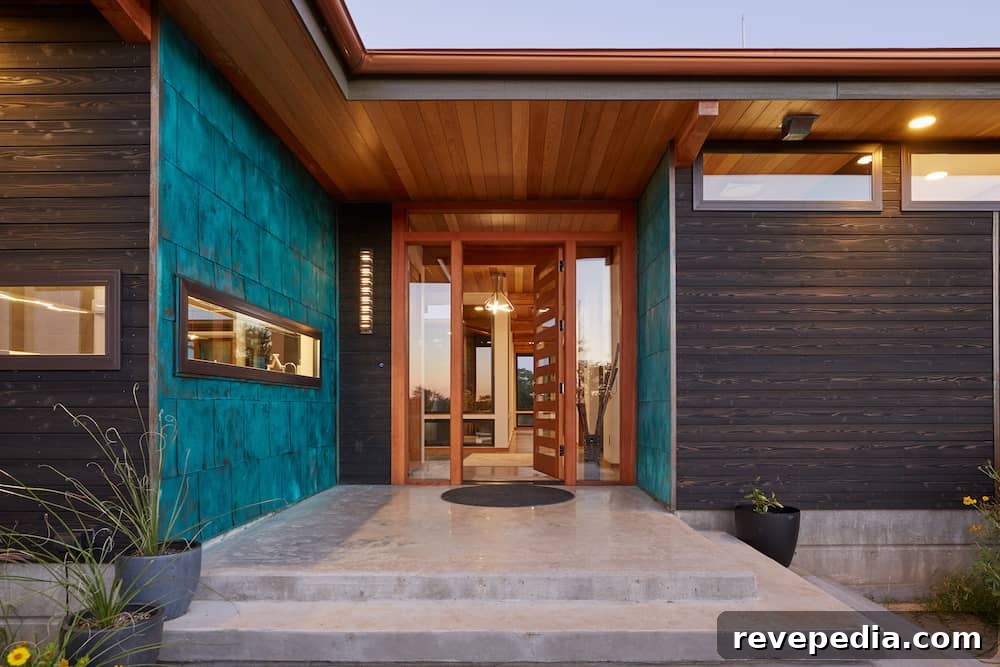
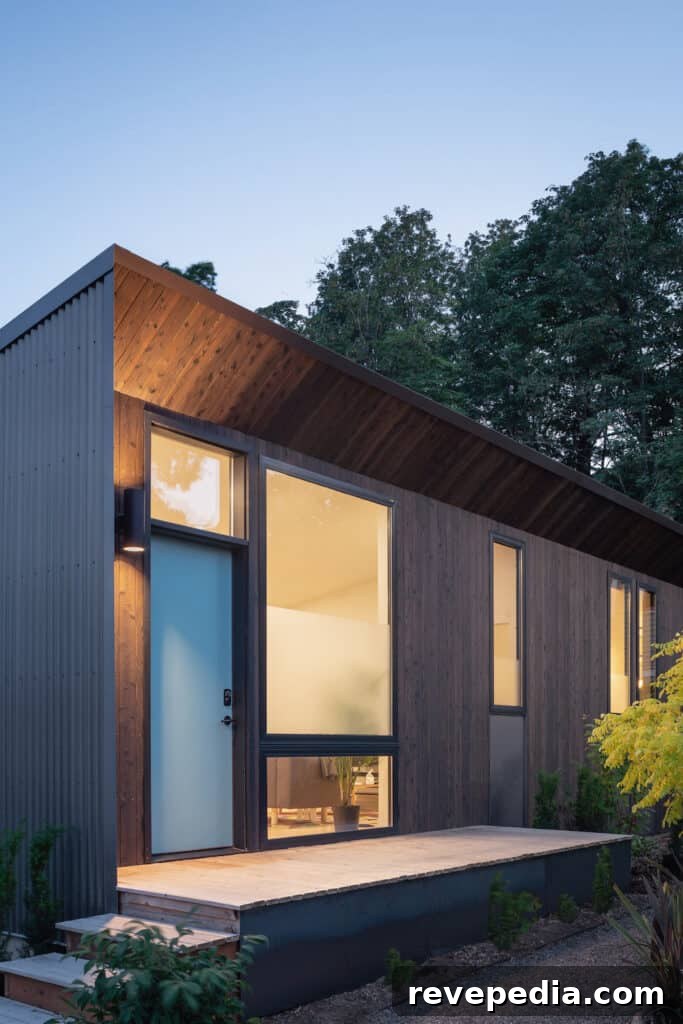
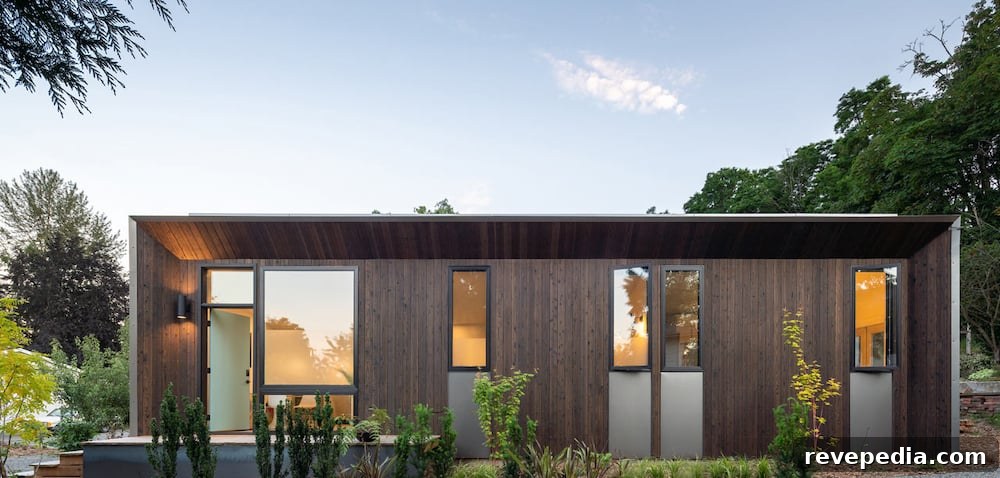
The deep tones of suyaki and gendai finishes create beautiful contrasts when set against glass, steel, or concrete elements. Incorporating natural materials like yakisugi softens modern compositions, adding a sense of warmth and human scale that purely industrial materials sometimes lack.
Yakisugi Around the World
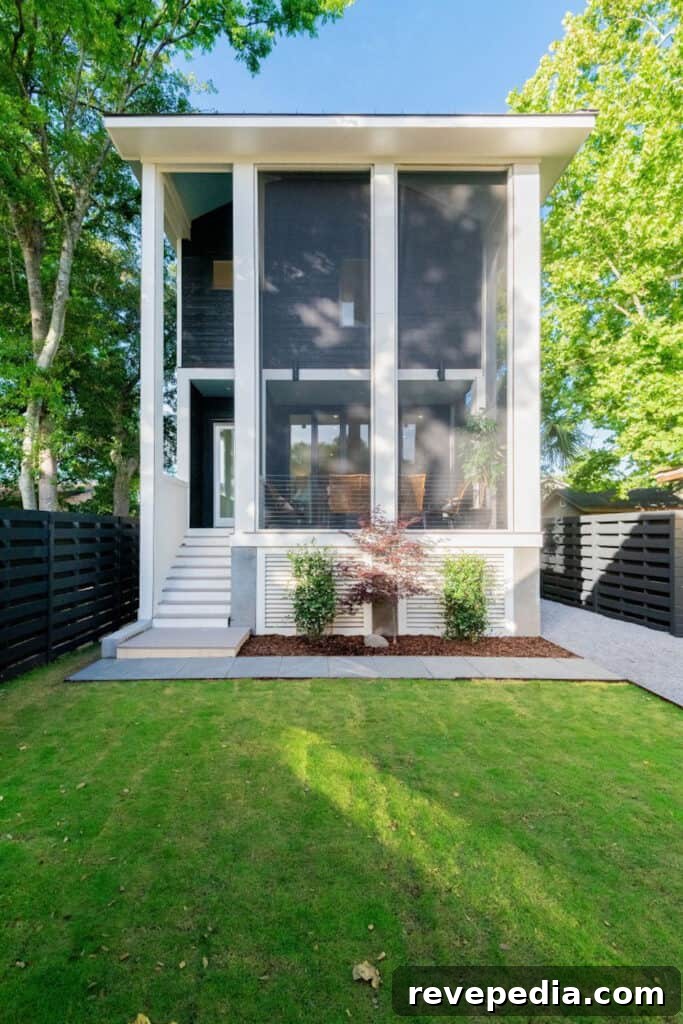
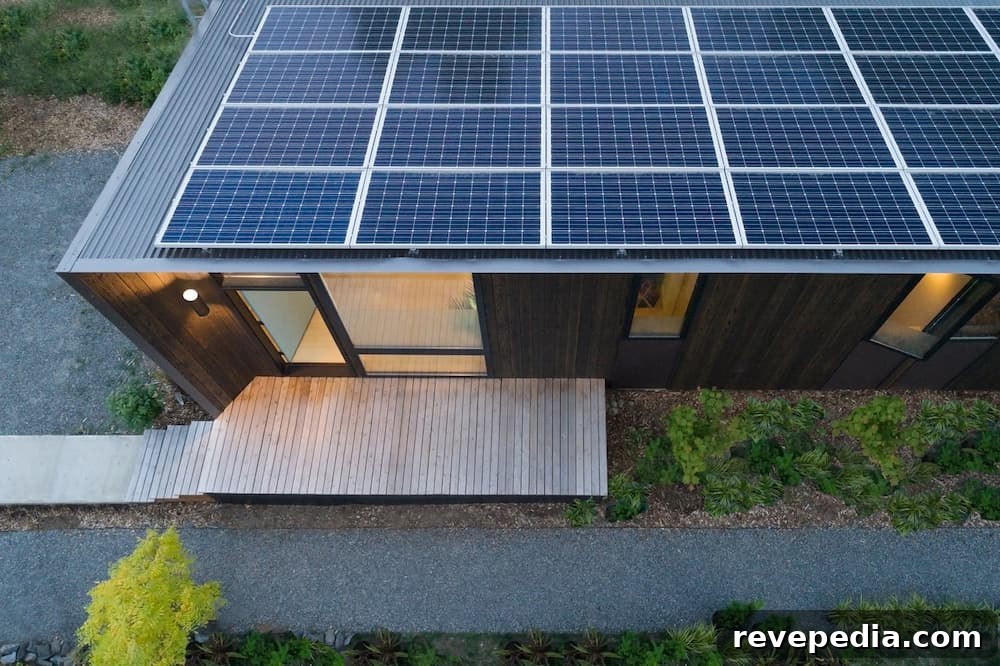
Across the globe, architects and builders are using Nakamoto Forestry yakisugi (often referred to in the West as shou sugi ban) as an exterior finish for modern residential projects. The technique offers a refined, long-lasting cladding option that complements a wide range of styles—from minimal modern to rustic contemporary.