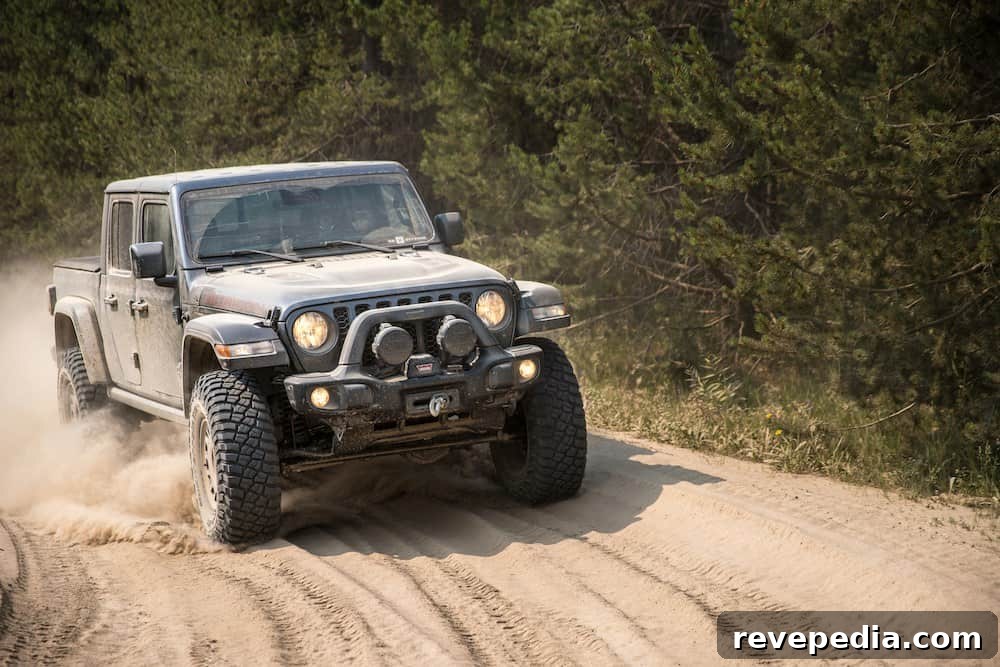
Have you ever been confused by the terminology surrounding off-road vehicles? This guide breaks down common drivetrain systems so you can choose the right setup for your adventures with confidence and clarity.
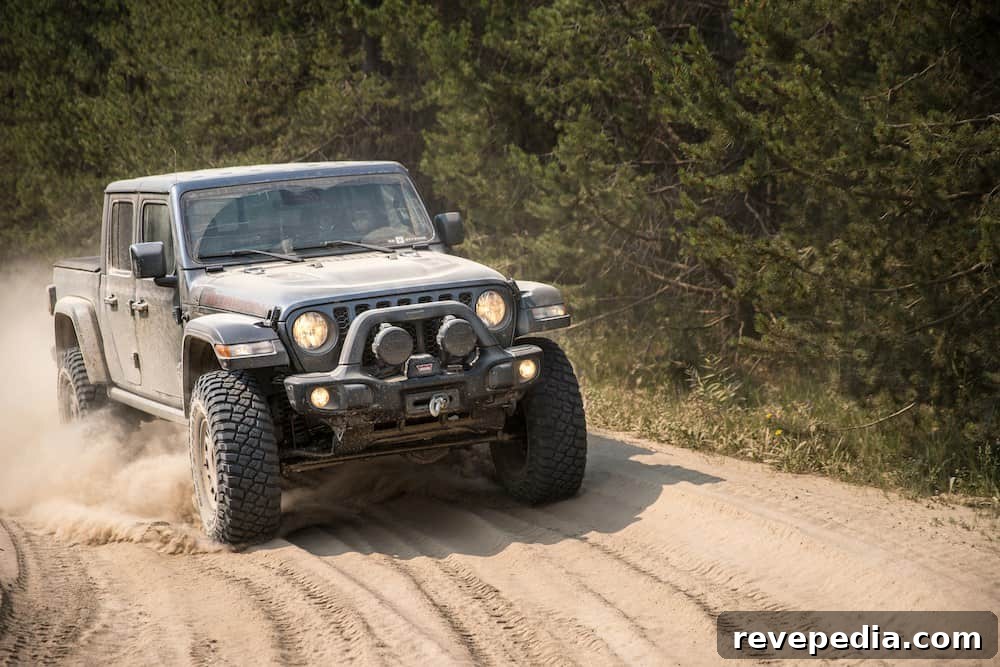
All-Wheel Drive (AWD): The Versatile Everyday Trail Partner
All-wheel drive (AWD) delivers power to all four wheels continuously or as needed, improving traction and stability across a range of conditions. Common on crossovers and many modern cars, AWD uses a center differential or electronic system to allocate torque between the front and rear axles, helping you stay composed in rain, light snow, or on slippery roads without driver intervention.
Benefits:
- Improved stability and traction in varied weather
- Generally better fuel efficiency than heavy-duty 4WD systems
- Automatic operation, requiring minimal driver input
Examples:
- Audi’s Quattro system, known for balanced performance
- Toyota RAV4 with Dynamic Torque Vectoring AWD for enhanced cornering
- Honda CR‑V’s Real‑Time AWD with Intelligent Control System for dependable handling
Best uses:
- Daily driving in unpredictable weather
- Light off-road trails and gravel roads
- Confident handling on winding highways
Four-Wheel Drive (4WD): Built for Rugged Exploration
Four-wheel drive (4WD) systems are engineered for serious off-road use. Many 4WD vehicles let you switch between two-wheel and four-wheel modes and include a low-range gearbox for increased torque at low speeds. When engaged, 4WD sends power to both axles to maximize traction on steep, rocky, or muddy terrain, and is typically built with durability and heavy loads in mind.
Benefits:
- Superior capability on extreme off-road terrain
- Low-range gearing for increased pulling power and control
- Robust construction designed to withstand harsh conditions
Examples:
- Jeep Wrangler with its well-known Command‑Trac® 4WD
- Ford Bronco, designed with off-road-ready hardware and engines
- Ram 1500 TRX, a high-performance truck built for demanding environments
Best uses:
- Serious off-roading and rock crawling
- Towing and hauling in difficult conditions
- Driving through deep snow, deep mud, or loose surfaces
Part-Time Four-Wheel Drive (PT‑4WD): Occasional Off-Road Flexibility
Part-time 4WD systems let drivers engage four-wheel drive when extra traction is needed and return to two-wheel drive for better fuel economy on regular roads. These systems are a practical choice for drivers who occasionally encounter dirt roads, winter conditions, or non-paved terrain and want an affordable, capable option without the continuous complexity of full-time 4WD.
Benefits:
- Cost-effective choice for infrequent off-road use
- Provides capable traction for moderate trails and slippery surfaces
- Improved fuel economy when operated in two-wheel mode
Examples:
- Nissan Frontier with a shift-on-the-fly 4WD setup
- Toyota Tacoma featuring selectable 4WD and traction control systems
- Jeep Wrangler Sport offering a CommandShift® part-time 4WD option
Best uses:
- Occasional weekend off-road trips
- Towing or driving on unpaved surfaces
- Budget-conscious buyers who still want off-road capability
Other Drivetrain Options to Consider
Beyond AWD and 4WD, several other drivetrain configurations may fit your needs depending on driving priorities, fuel efficiency goals, and vehicle type:
- Rear‑Wheel Drive (RWD): Often favored for sporty handling and balanced weight distribution; common in performance cars and trucks.
- Front‑Wheel Drive (FWD): Efficient packaging and generally better fuel economy for everyday commuting and light-weather use.
- Full‑Time Four‑Wheel Drive (FT‑4WD): Constant engagement of all four wheels for consistent traction across varied conditions.
- Automatic or Electronic AWD: Uses sensors and electronics to adjust torque distribution dynamically for optimal grip.
- Hybrid and Electric Drivetrains: Electric motors can provide instant torque and improved traction management while boosting efficiency.
How to Choose the Right Drivetrain
Selecting the ideal drivetrain depends on your driving habits, local climate, and intended use. Ask yourself: Do you mostly drive on paved roads with occasional bad weather? AWD or FWD may be sufficient. Do you plan frequent off-road trips, towing, or camping in remote areas? A 4WD system with low-range gearing will serve you better. Consider budget, maintenance costs, and fuel economy as well.
There is no one-size-fits-all answer. Match the drivetrain to the terrain you expect to encounter and the driving experience you want. With the right choice, your vehicle becomes a reliable partner for both everyday travel and off-road adventures.
Prepare your gear, choose the drivetrain that aligns with your needs, and hit the trail with confidence—adventures await.