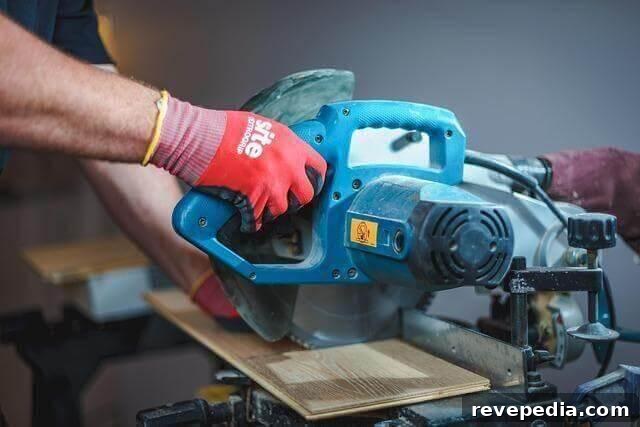
Home improvement projects can be exciting, but they quickly become frustrating when tools are scattered and hard to find. Whether you’re a weekend DIYer or a professional tradesperson, quick access to power tools speeds work and reduces stress. A clutter-free workspace saves time, prevents accidents, and helps you stay focused on the job.
Creating an efficient system for power tools starts with planning. Below are practical strategies to organize your workspace, streamline your workflow, and protect your tools so you can work smarter and safer.
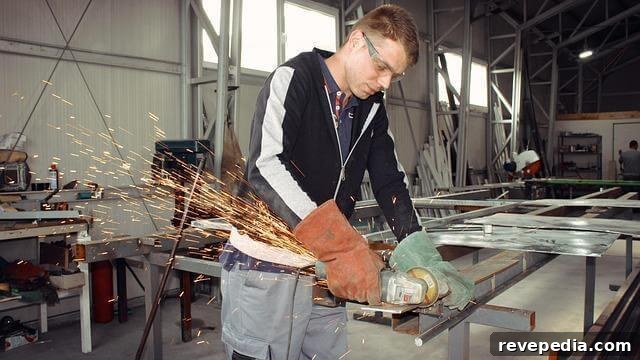
Space Allocation
Choose a dedicated area for your tools—this could be a workshop, storage shed, or a garage corner. Pick a location that supports your workflow and provides adequate lighting and electrical access. A well-chosen space improves safety and helps you stay organized.
Plan the layout so that frequently used tools are within easy reach. Arrange items based on how you work: keep saws and drills near the workbench, and store finishing tools closer to assembly areas. The goal is a layout that feels natural and minimizes the time spent hunting for equipment.
Storage Options
Select storage solutions that make tools visible and accessible. Open shelving keeps items in plain sight, while labeled bins are ideal for small parts like screws, anchors, and drill bits. Pegboards let you hang tools where they’re clearly visible and easy to grab.
Modular, portable systems are especially useful if you move between job sites. A rugged, stackable toolbox system provides durable, customizable storage with rolling options for easy transport. Choose organizers that let you group your most-used tools together and carry them when needed.
Tool Categorization
Group tools by purpose—drilling, cutting, fastening, sanding, etc.—so you can find the right item for each task quickly. Within those groups, create subcategories for accessories like drill bits, blades, and sanding discs.
Label shelves, bins, and tool outlines on pegboards for faster re-shelving. Visual cues, such as photos or silhouettes, help everyone return tools to their proper places and keep the workspace tidy.
Cable Management
Tangled cords are a common nuisance and a safety hazard. Use cable ties, reels, or dedicated cord wraps to keep leads organized and off the floor. Retractable reels or wall-mounted holders clear pathways and prevent tripping.
Consider storage units that include compartments for power leads and chargers. These features maintain neatness, protect cables from damage, and reduce the time spent untangling equipment before each job.
Maintenance and Cleanliness
Routine maintenance extends the life of tools and keeps them working reliably. After each project, wipe down dusty or dirty items, check blades and bits for wear, and address minor repairs promptly.
Set a regular maintenance schedule—monthly or quarterly—to inspect batteries, lubricate moving parts, and test safety features. Use calendar reminders or a simple checklist to keep maintenance consistent and predictable.
Flexible Solutions
Your tool collection will evolve as new projects and interests emerge, so build flexibility into your system. Leave some shelf space open and prioritize modular storage that can be reconfigured as needs change.
Stackable cases, adjustable shelving, and mobile organizers let you adapt storage to new tools, larger items, or changing workspace layouts without a complete overhaul.
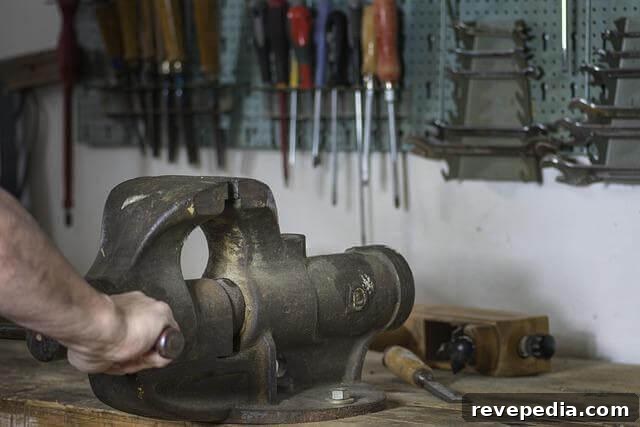
Tool Inventory Management
Maintain a simple inventory to track what you own, where each tool is stored, and its condition. Record purchase dates and warranty information so you know when service or replacement may be needed.
Digital inventory apps or a basic spreadsheet accessible from your phone make updates easy and help you locate tools quickly. A clear inventory prevents duplicate purchases and highlights items that require maintenance or replacement.
With a structured storage plan and a dependable inventory, you’ll complete projects more efficiently and with less frustration.
Safety First
Organizing tools improves safety as much as convenience. Keep floors and work surfaces clear of clutter, and store hazardous items securely. Always use appropriate personal protective equipment—safety glasses, gloves, hearing protection—when operating power tools. Keep a stocked first-aid kit nearby and ensure emergency contacts or procedures are visible in the workspace.
Sharing and Collaboration
If multiple people use the workspace, establish a shared organizational system everyone understands. Create common storage zones for frequently used tools and supply labeled areas for personal items.
Host periodic “tool organization” sessions so everyone helps sort, label, and tidy the workspace. Shared responsibility encourages consistent upkeep and keeps the environment safe and efficient for all users.
By investing a little time into thoughtful layout, storage, and maintenance, you’ll improve productivity, reduce downtime, and make every project more enjoyable. A well-organized workspace encourages creativity, speeds work, and helps you finish projects with confidence. Happy building!