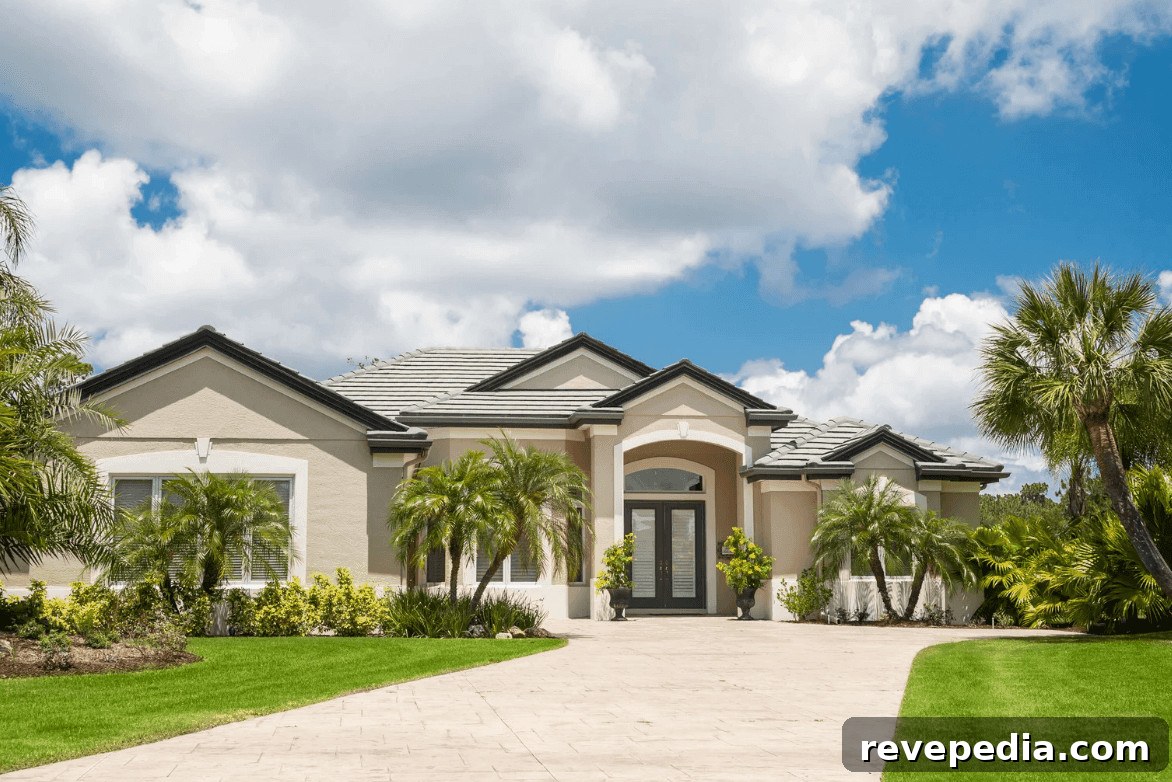
New homes across Pennsylvania are shifting in subtle but meaningful ways. It’s not only about updated kitchens or larger windows; it’s about how people want to live, work, gather, rest, and feel in their homes every day.
From the suburbs around Philadelphia to the rolling fields of Lancaster County, the forested lots of the Poconos, and the expanding neighborhoods near Pittsburgh, homeowners are asking for spaces that feel personal, practical, and built for real life. They want comfort without clutter, style without the sense of living in a staged showroom. Homes that can handle hectic mornings, quiet evenings, remote work, family visits, muddy boots, changing seasons, and everything in between.
These shifts in design are worth attention because they prioritize livability over fleeting trends. Today’s approaches are less about being fashionable and more about creating houses that feel steady, flexible, and genuinely comfortable to inhabit.
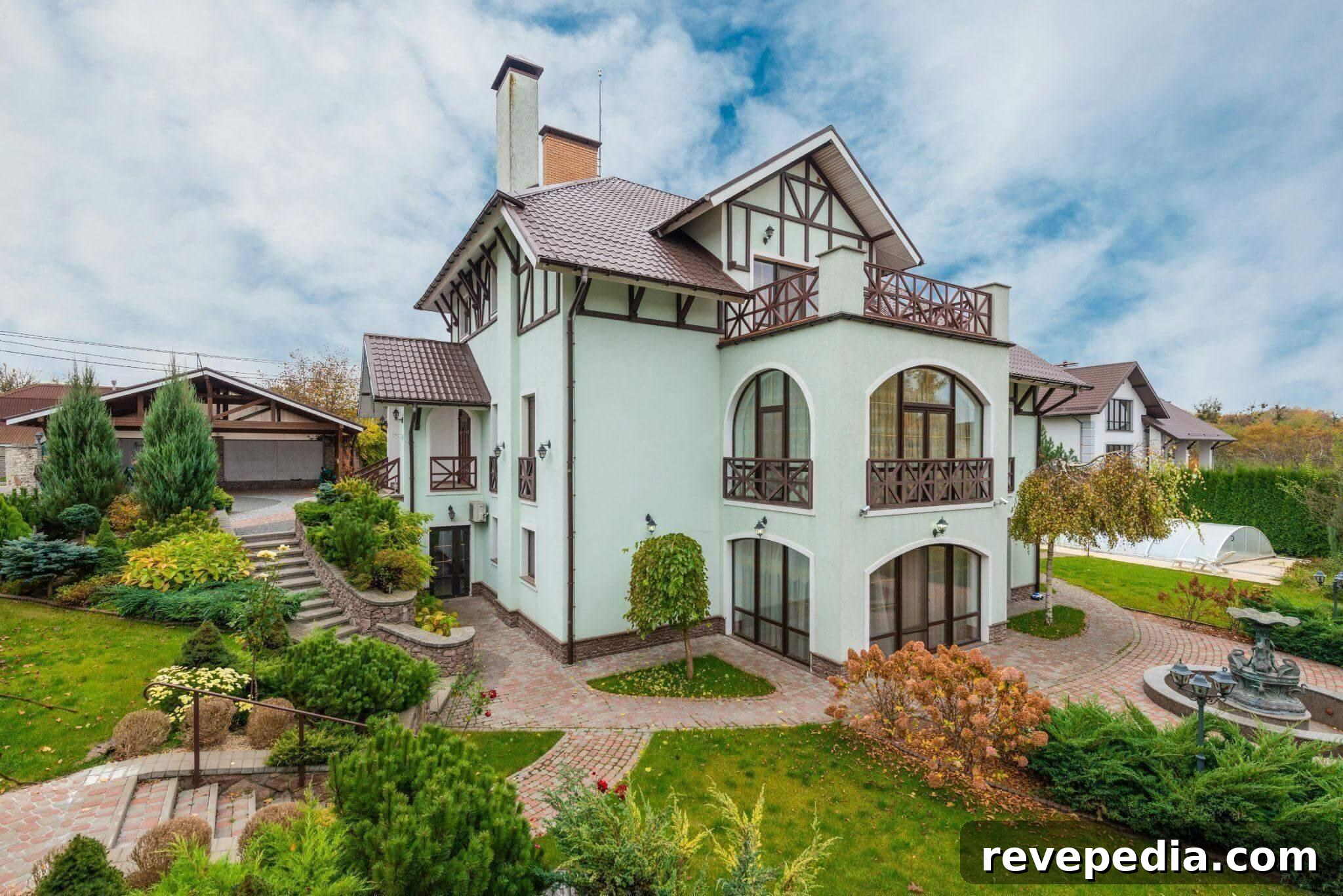
Image source: pexels.com
Flexible Spaces Are Becoming Essential
One of the most notable changes in new Pennsylvania homes is the demand for flexibility. Rather than rooms dedicated to a single use, homeowners want spaces that adapt as life changes.
A formal dining room may double as a homework station during the week. A guest bedroom might serve as a home office. A finished basement can be a media room, workout area, playroom, or quiet retreat depending on the household’s needs.
Families evolve, work habits shift, children grow, and hobbies change. Homes that accommodate those shifts without frequent major renovations are more valuable and more satisfying to live in.
Builders and designers are responding with layouts that offer bonus rooms, pocket offices, flex lofts, and finished lower levels. These spaces don’t have to be large—what matters is thoughtful design: good natural light, built-in storage, and a measure of privacy can make a small room highly useful and noticeably improve daily routines.
Warm, Natural Materials Are Taking Over
After years dominated by cool grays, stark whites, and glossy finishes, many Pennsylvania homeowners are moving back toward warmth and texture. Wood tones are returning, stone accents feel regionally appropriate, and natural fabrics and finishes add depth.
Textiles like linen, matte tile, warm brick, and brushed metal soften new construction and help it feel rooted in place. These materials echo the state’s historic farmhouses, barns, and masonry, making a modern home feel more connected to its surroundings.
Skilled designers and custom home builders can translate these materials into thoughtful choices that fit the site and the people who live there. A home in Chester County may favor classic millwork and natural stone, while a house near State College might prioritize durable flooring and open gathering areas. In the Lehigh Valley, clean modern lines can be balanced with rustic touches. The intent is not to force a single look statewide, but to create homes that feel like they belong where they stand.
Energy Efficiency Is Now Part of Good Design
Energy efficiency has moved from technical afterthought to an integral part of design. Pennsylvania’s cold winters, humid summers, and temperature swings make insulation, windows, HVAC, ventilation, and thoughtful lot orientation essential.
Modern homes increasingly include high-performance windows, enhanced insulation, smart thermostats, and efficient heating and cooling systems. These elements improve comfort and reduce energy use, making homes quieter, more stable, and less costly to operate over time.
Energy-conscious design need not be obvious or clinical. Often it’s nearly invisible: the benefit is felt rather than seen. Consistent room temperatures, lower utility bills, and a generally more comfortable indoor environment are the quiet payoffs of well-executed efficiency measures.
Indoor and Outdoor Living Are Blending
Outdoor living is being designed with intent rather than treated as an optional add-on. Patios, decks, and porches are becoming functional living areas used throughout the year.
Covered porches are especially popular because they extend usability across seasons, offering shade in summer, shelter in spring rain, and a cozy spot on cool fall evenings. Fire pits, outdoor kitchens, dining areas, and simple seating arrangements are common requests that enhance everyday life instead of merely staging it.
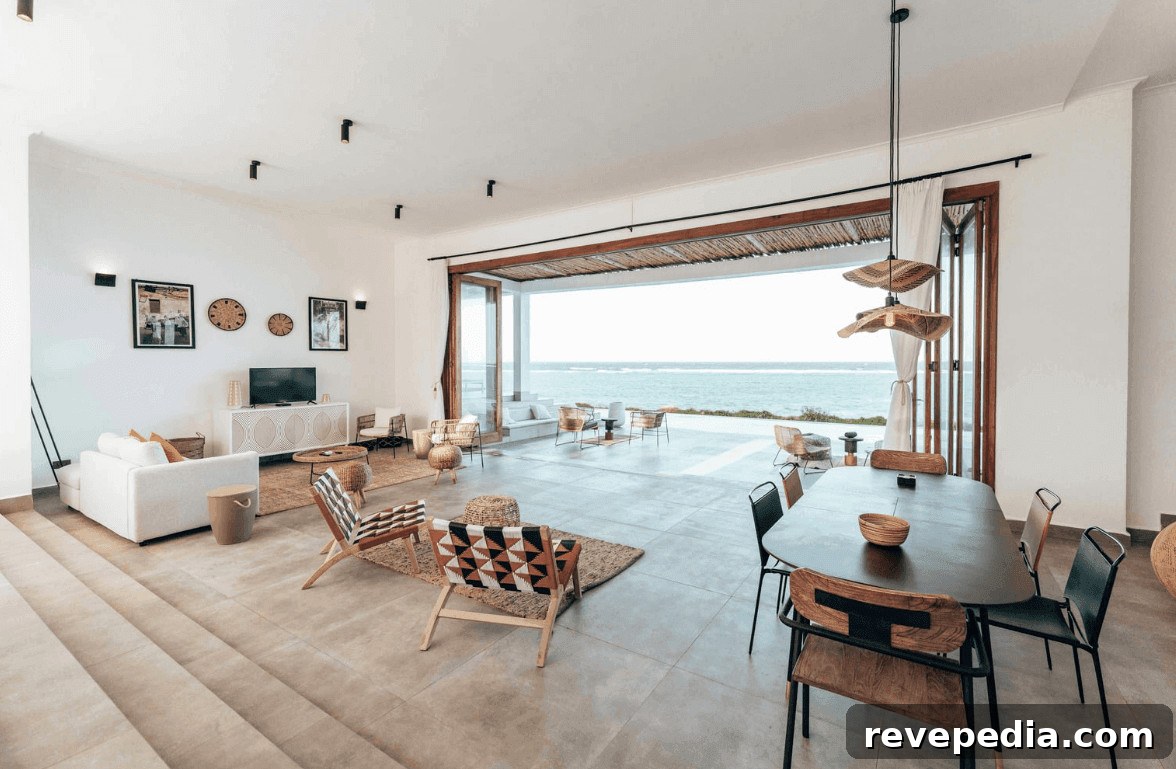
Often the most appealing outdoor spaces are simple: a stone patio, comfortable chairs, thoughtful lighting, and a clear sightline to the yard. In Pennsylvania’s varied landscapes—wooded lots, open fields, rolling hills, and established neighborhoods—large sliding doors, screened porches, and well-placed windows help blur the line between indoors and out while maintaining warmth and comfort.
Kitchens Are Built for Gathering, Not Just Cooking
The kitchen remains central to home life but its role continues to expand. It’s now a place for cooking, working, homework, snacks, and socializing—often all at once.
Functionality drives kitchen design. Large islands remain popular but are now more purposeful, combining seating, storage, prep surfaces, and integrated outlets for laptops and appliances. Walk-in pantries and sculleries are on the rise to keep clutter out of sight and facilitate entertaining.
Kitchens are becoming warmer and more individualized in style. Instead of all-white schemes, homeowners choose stained wood cabinets, soft green or blue tones, stone countertops, handmade tile, and mixed-metal fixtures. The aim is a kitchen that works well for daily life and feels lived-in rather than staged.
In short, a successful kitchen is defined by how well it supports the daily activities of the household.
Mudrooms and Storage Are Getting More Thoughtful
A well-designed mudroom is invaluable in Pennsylvania. Snow boots, wet coats, backpacks, sports gear, pet leashes, umbrellas, and grocery bags all need a logical place when people come in from outside.
Drop zones, mudrooms, and built-in storage solutions are now priorities in new-home design. These areas protect the rest of the home from daily mess and make routines more efficient and organized.
Effective mudrooms use durable flooring, hooks at varying heights, benches, cubbies, and tailored storage that reflects real household habits. Some plans connect laundry rooms to kitchens, include pet-washing stations, or offer direct garage access. While storage may not be glamorous, it fundamentally shapes how comfortable and calm a home feels day-to-day.
Smaller Details Are Feeling More Personal
Personalization is another important trend. Homeowners want features that feel unique without making maintenance difficult or future adaptation impossible.
Small, thoughtful touches provide character: a reading nook under the stairs, a built-in coffee bar near the kitchen, a bedroom window seat, patterned tile in a powder room, a small library wall, a custom fireplace surround, or framed artwork that reflects family memories. These details give a new home personality in ways that generic finishes do not.
New homes in Pennsylvania often carry a sense of history even when newly built. Carefully chosen details help avoid a generic look and create a feeling that the house was made for the people who live in it. The best results come from restraint—selective, well-placed features typically have greater impact than numerous competing elements.
Wellness Is Influencing Layout and Light
Wellness in home design doesn’t necessarily mean a spa bathroom or a dedicated meditation room. More often, it’s about supporting daily well-being in subtle, practical ways.
Natural light, quiet corners, good airflow, and a restful primary suite matter. Thoughtful window placement, calm color palettes, sensible bathroom layouts, and floor plans that manage noise where people sleep, work, or decompress are increasingly important—especially as more people spend significant time working from home.
Design that supports wellness helps residents feel more at ease; achieving that effect requires deliberate planning rather than accidental choices.
The Future of Pennsylvania Homes Feels More Human
The strongest trends shaping new homes across Pennsylvania are practical, warm, and deeply human. Flexible rooms, natural materials, energy-efficient systems, well-thought-out outdoor living, functional kitchens, smart storage, personal details, and healthier, quieter spaces all point toward one thing: homes designed to be lived in, not just photographed.
Homeowners want spaces that perform well on a Monday morning, feel restorative on a slow Saturday afternoon, and welcome everyone for a family dinner. They’re asking for homes that are better, warmer, more useful, and more connected to the people inside rather than simply bigger or trendier for their own sake.
A well-designed home should feel like it understands the people who live there. When it does, even the small, unnamed details begin to matter in ways that make everyday life richer and more comfortable.