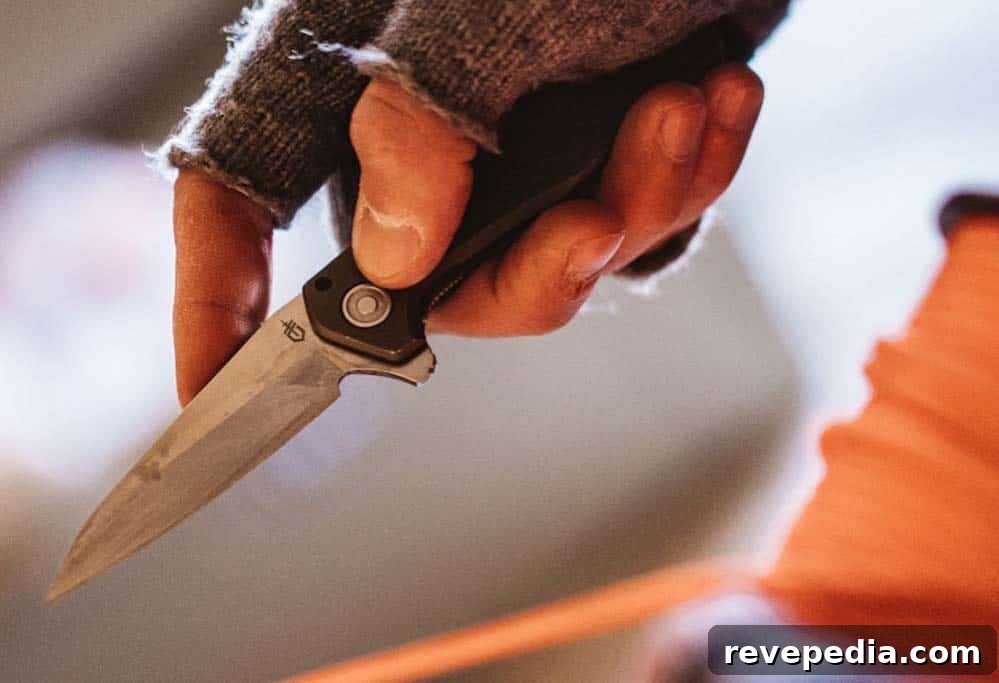
Pocket knives are made from many different steels, and the choice of steel directly affects a knife’s edge retention, corrosion resistance, and toughness. Generally, higher-performance steels cost more, so premium blades usually use harder, longer-lasting alloys that command a higher price.
This guide summarizes some of the best and most common steels used in pocket knives to help you choose the right material for your needs.
S30V
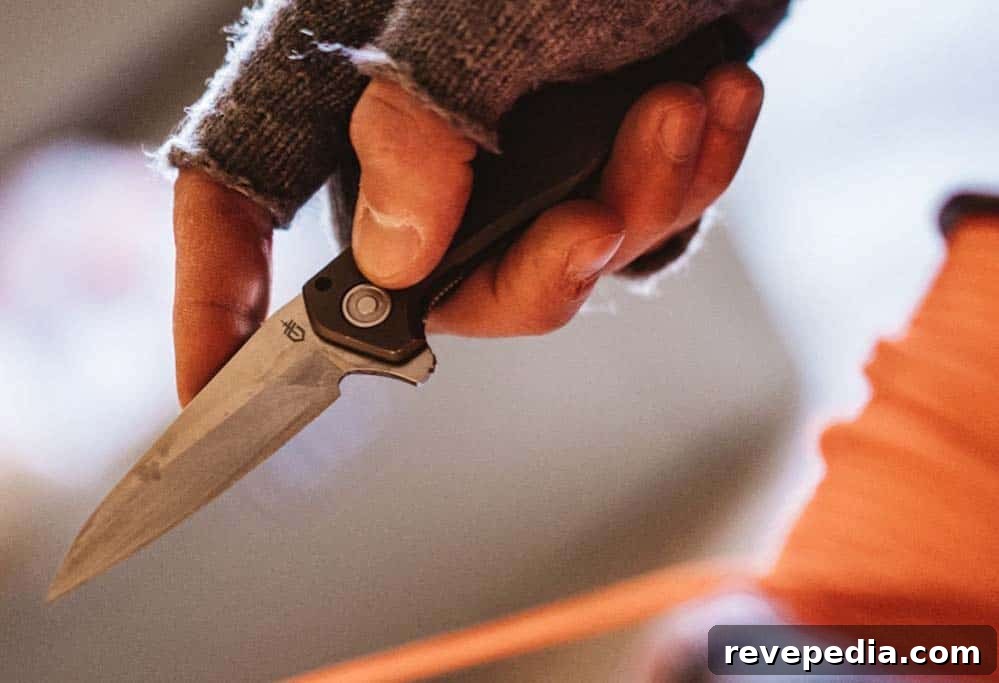
S30V is a popular stainless steel for everyday carry and pocket knives. It’s a powder-metallurgy alloy containing chromium, vanadium, and molybdenum, producing abundant vanadium carbides that boost wear resistance and edge retention. S30V offers a strong balance of toughness and durability, and while it can reach high Rockwell hardness levels, it remains relatively approachable to sharpen and maintain compared with some ultra-hard steels. It was one of the first high-performance steels widely available to consumers and remains a reliable, versatile choice for many knife types.
S35VN
S35VN refines S30V’s formula to improve toughness and sharpenability. Also produced by powder metallurgy, it features fine carbides that support good edge retention while reducing the risk of chipping. S35VN is versatile across hunting, outdoor, and kitchen knives; it’s easier to sharpen than some other high-performance steels and is often priced moderately within the premium steel category.
CPM S90V
CPM S90V is a very hard, wear-resistant stainless steel with elevated amounts of vanadium and other alloying elements. It delivers exceptional edge life and abrasion resistance, which makes it favored for heavy-duty tasks and high-end knives. The trade-offs are that it’s among the more difficult steels to sharpen and typically demands specialized sharpening techniques and tools, and it is one of the more expensive options on the market. For users who need frequent resharpening or prefer easy maintenance, S90V may be less suitable.
CPM S35VN
CPM S35VN is an improved, crucible-process version of S35V designed to enhance toughness and reduce chipping while maintaining strong edge retention. It’s used in demanding knives—outdoor, hunting, and upscale kitchen blades—where a balance of toughness and wear resistance matters. While still a high-performance steel, CPM S35VN is somewhat easier to sharpen than ultra-hard alloys and is typically offered at a moderate premium among performance steels.
M390
M390 is a premium stainless steel prized for excellent edge retention, high corrosion resistance, and very good toughness. With a chemistry that emphasizes chromium and molybdenum plus vanadium and tungsten, M390 holds an edge well and resists rust in demanding environments. It’s commonly found in top-tier knives and is valued for its low maintenance and durable cutting performance. As a harder steel, it benefits from proper sharpening equipment and technique and is priced on the higher end.
S110V
S110V is an extreme wear-resistant “super steel” that emphasizes vanadium-rich carbides for outstanding edge life. It offers superior hardness, wear resistance, and good corrosion resistance, making it a top choice for knives designed for heavy use. Like other super steels, sharpening S110V is more challenging and often time-consuming; it also sits near the top of the price range for blade steels. It’s best suited for users who prioritize maximum edge retention over easy maintenance.
8Cr13MoV
8Cr13MoV is a Chinese-made, budget-friendly stainless steel roughly comparable to AUS-8. It provides a practical balance of edge retention, corrosion resistance, and ease of sharpening, making it a common choice for affordable pocket knives. The alloy is designed to deliver reasonable performance for everyday tasks without the cost of premium steels.
AUS-4
AUS-4 is an entry-level Japanese stainless steel used in budget knives. It has lower carbon and chromium content than higher-grade stainless steels, which translates to reduced edge retention, toughness, and corrosion resistance. Still, AUS-4 is adequate for light-duty knives and everyday carry tools where low cost and easy maintenance are priorities.
AUS-8
AUS-8 is a Japanese stainless steel of medium quality, offering a reasonable mix of edge retention, toughness, and corrosion resistance while remaining relatively easy to sharpen. It contains higher chromium than some budget steels and is often used in affordable folding knives, hunting blades, and tactical models. While not in the same class as S30V or VG-10, AUS-8 provides good performance for its price point.
D2
D2 is a high-carbon, high-chromium tool steel that delivers exceptional wear resistance and edge holding. Often produced in the USA and classified as a semi-stainless steel (because its chromium content is high but not enough to make it fully stainless), D2 is prized for heavy-use blades and industrial cutting tools. It can be more difficult to sharpen than typical stainless steels but rewards users with long-lasting edges. D2 also maintains hardness well at elevated temperatures, which contributes to its use in demanding cutting and forming applications.
VG-10
VG-10 is a high-quality Japanese stainless steel commonly used in premium kitchen knives and many higher-end folding knives. With a higher carbon content and alloying elements such as cobalt, molybdenum, and vanadium, VG-10 provides very good edge retention and corrosion resistance. It is a popular choice among knife makers and cooks who want a reliable, high-performing blade that balances sharpness and durability.
S35VN (reiterated)
S35VN, developed in collaboration between Crucible Industries and knifemaker Chris Reeve, improved on S30V by enhancing toughness and reducing brittleness. It’s widely used in premium folding knives and fixed blades where a balance of edge retention, toughness, and easier maintenance is required. Its combination of properties makes it a common recommendation for everyday carry and demanding outdoor use.
Damascus steel
Damascus steel refers to blades made by layering and forging two or more different steels together, producing distinctive patterned surfaces along with combined mechanical properties. Damascus is prized for its aesthetic appeal and, depending on the base steels and heat treatment, can offer strong performance. Damascus blades are often more expensive because of the labor and skill required to produce them.
Choosing the right steel is important, but it’s only one factor in a knife’s overall performance. Heat treatment, blade geometry, grind, and handle materials all influence how a knife will cut, hold an edge, resist corrosion, and withstand impact. Prices vary widely by brand and model, so evaluate steel properties in the context of the whole knife and your intended use.