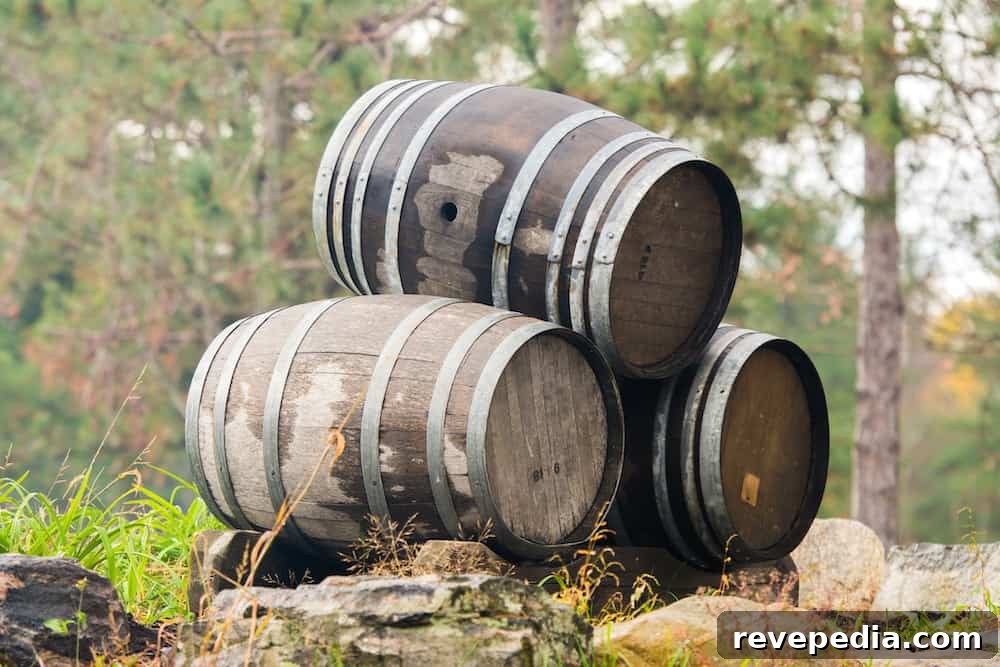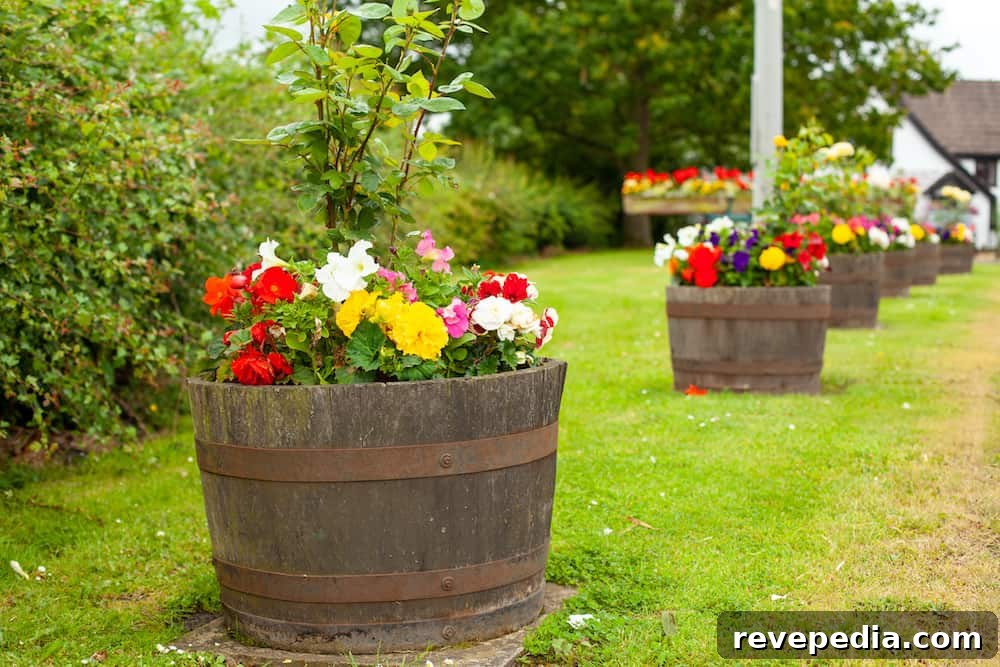
Whiskey barrels make excellent planters thanks to their generous size, sturdy construction, and the warm, natural character of oak. You can find whiskey barrel planters at home improvement stores, salvage yards, or through classifieds like Craigslist. Many are sold already cut in half and ready to accept soil and plants, but they benefit from some preparation before use to ensure proper drainage and longevity.
Oak whiskey barrels come in a range of finishes and patinas to match different styles. If you want a clean, newer-looking barrel you may need to search a bit, but older barrels—those that have spent years aging whiskey or other spirits—often offer a unique, weathered appearance that looks great repurposed as planters.
Reclaimed barrels are especially appealing because they carry character and history, and transforming them into planters gives them a useful second life. Their size makes them ideal for trees, shrubs, and larger groupings of plants, and they typically cost less than large ceramic or clay pots while offering a more authentic look than plastic alternatives.
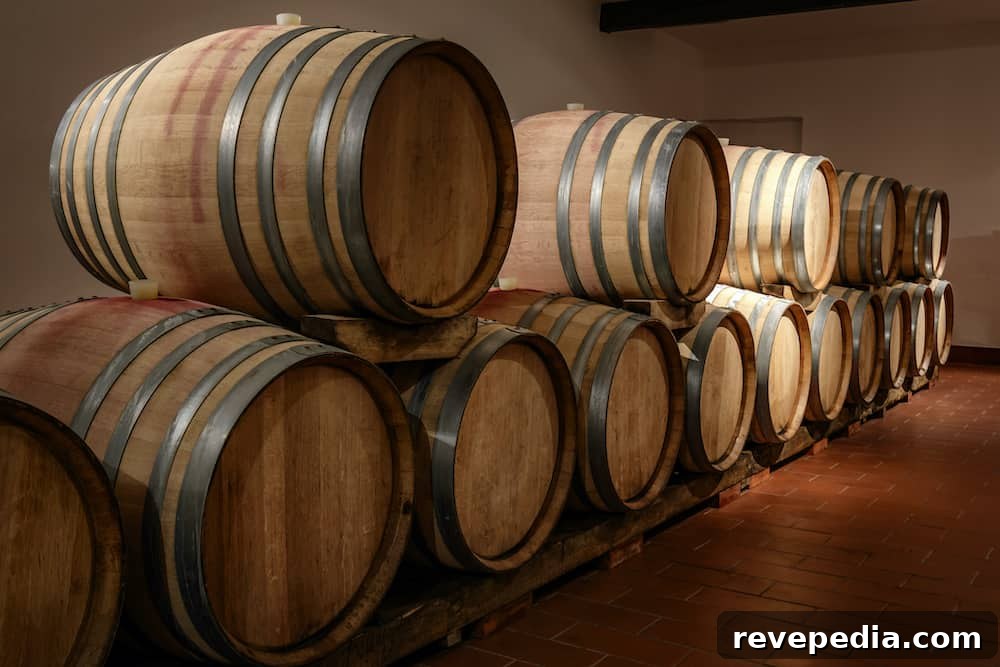
One drawback is weight: whiskey barrels can be heavy and awkward to move, though usually not as heavy as solid clay pots. When buying one, bring a friend to help lift it. Once planted, position the barrel where you want it to remain, because moving it later—especially after filling with soil and a tree—will be difficult.
Recently, we found a pair of strawberry trees (Arbutus unedo) for free on Craigslist. They had been dug out of the ground with damaged root balls and were at risk of being discarded. Lacking extra in-ground space, we chose to plant them in large whiskey barrel halves, hoping the containers would help the trees recover and re-establish healthy root systems.
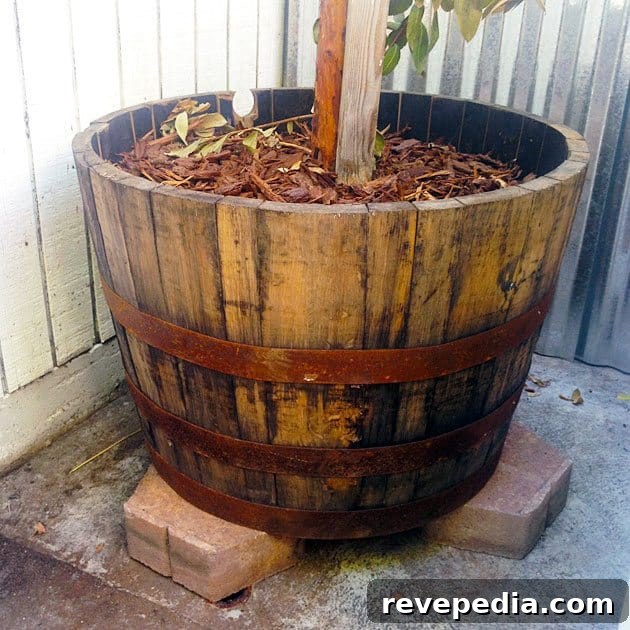
We purchased our half-barrels from Home Depot along with quality potting soil and a bit of fertilizer. These half-barrels hold roughly 20 gallons and are bulky to transport, but we managed to load them into the truck and move them into place without much trouble.
Before adding soil and planting, we drilled drainage holes. Proper drainage is essential—especially for resilient species like strawberry trees—so we drilled five 1-inch holes in each barrel to allow excess water to escape.
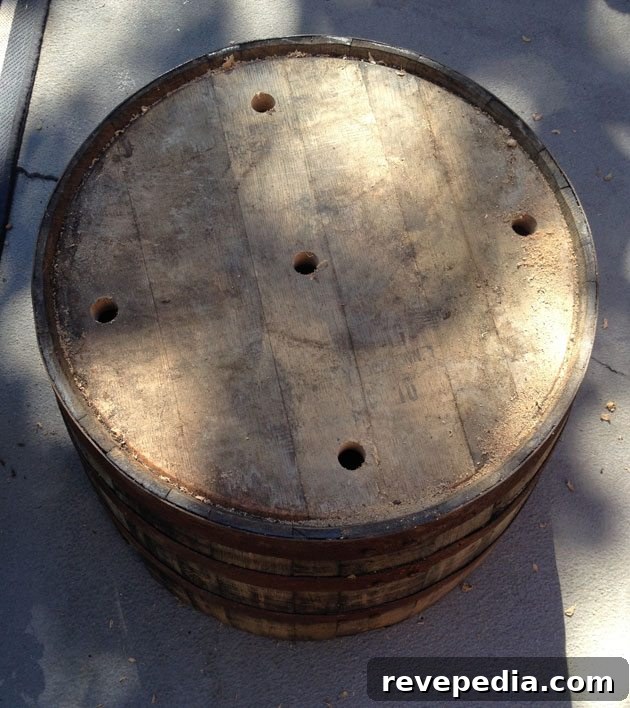
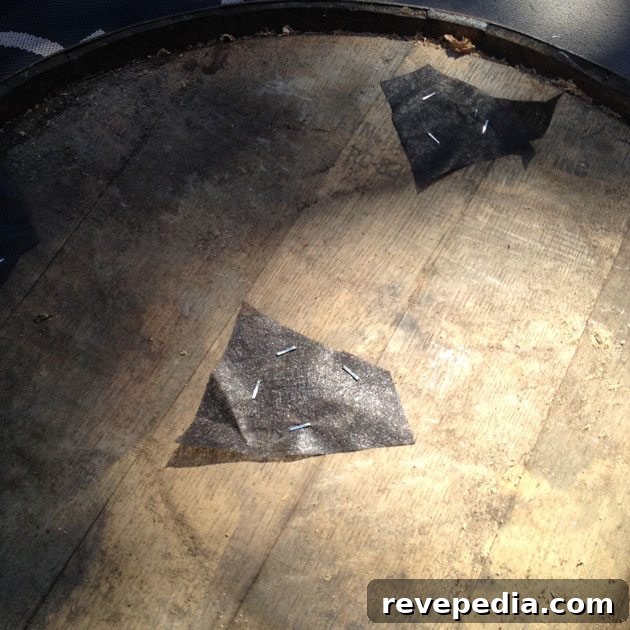
To keep soil from washing out of the drainage holes, we used garden bed fabric. We stapled the fabric to the underside of the barrel, then flipped the barrel upright, added a base layer of soil, and set the tree into the container. In retrospect, lining the entire interior with landscape fabric would have provided a cleaner, more secure solution and helped retain soil while still allowing drainage.
We also elevated the barrels slightly using pavers, which helps air circulate beneath the planter and allows water to drain freely so the wood can dry between waterings. This prevents waterlogging and extends the life of the barrel.
After planting, the trees initially looked stressed—some leaves had not yet returned to full color—but within a few days the top growth began to appear healthier. Recovery takes time, and consistent care, including appropriate watering and monitoring for pests or disease, will be essential over the coming weeks.
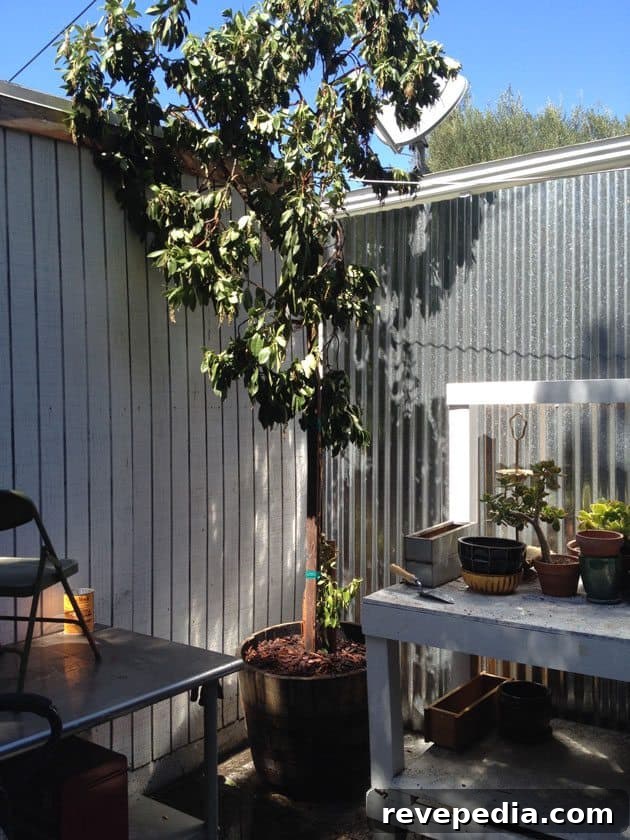
Right now the trees still show signs of stress, but with proper attention—regular but not excessive watering, occasional feeding, and protection from extreme conditions—they should establish in their whiskey barrel homes and eventually flourish, adding foliage and shade to the yard.