
There’s a unique satisfaction to living in a beautiful home: clean lines, coordinated finishes, and that quiet sense that everything finally came together the way you imagined.
But after a few months of daily life, other realities begin to surface.
A home that only looks good doesn’t always live well.
At first the signs are small: a sticky drawer, a light switch that never feels quite right, a layout that seemed open and modern but gradually becomes inconvenient as routines settle in.
Over time, those small inconveniences stop feeling small.
Preparing your home for long-term living means looking beyond the surface. It means creating a space that supports your habits, adapts to change, and continues to feel right long after the excitement of finishing it fades.
Because eventually you stop noticing how your home looks and start noticing how it works.
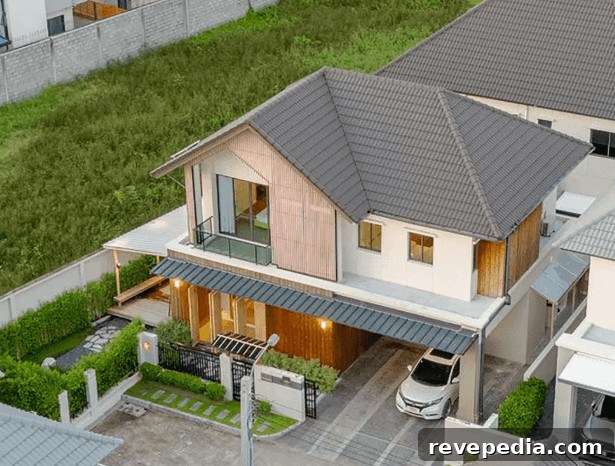
Think in Years, Not Just Right Now
It’s easy to design for today: what you like, what feels right, what fits your routine at the moment. But life changes—jobs shift, families grow, priorities evolve. Spaces that felt perfect at first can begin to feel off as daily demands shift.
Will open shelving still feel manageable when time gets tight? Will minimalist storage work when you inevitably accumulate more belongings? Will a layout that suits your current routine continue to support you if your home becomes a workspace, a schoolroom, or hosts frequent guests?
Designing for the long term isn’t about overthinking every choice. It’s about asking a better question: not just “Do I like this?” but “Will this still work for me later?” That perspective changes how you approach almost every decision.
Function Is the Quiet Foundation
A well-functioning home doesn’t demand attention; it simply makes life easier. You notice it in subtle ways: smoother mornings, everything having a place, movement through rooms feeling natural instead of slightly frustrating.
That ease comes from thoughtful choices made early in the process. Storage often matters more than people expect. It isn’t just the amount of storage, but how usable it is—easy access beats perfectly hidden design every time. A cabinet that looks tidy but forces you to dig for essentials quickly becomes an everyday annoyance.
Nowhere is this clearer than in the kitchen. The kitchen is used daily and must handle movement, repetition, and real-life mess. Poor design can’t be hidden there.
That’s why many people begin searching for experienced professionals—not for showy features, but for solutions that work. Skilled builders and designers understand how people move through a kitchen, how storage should support routines, and how small details can eliminate friction from everyday tasks.
When function is done right, it fades into the background. It simply works.
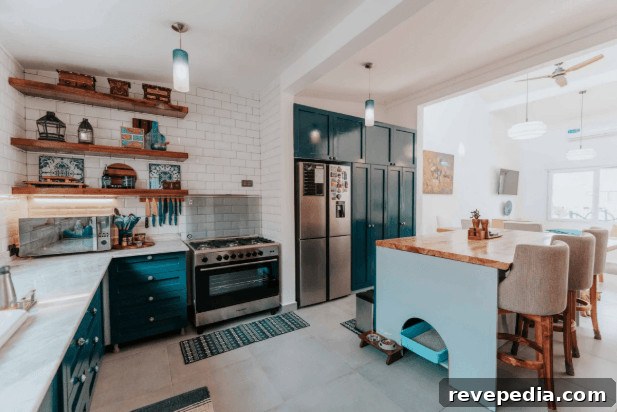
Choose Materials That Age Naturally
Some materials look pristine at first but are difficult to live with: every mark stands out and every scratch feels like damage. That constant vigilance can quietly erode the warmth of a home.
Other materials are more forgiving. They age in ways that feel natural, softening and developing character rather than resisting use. Wood and less highly polished stone are good examples: they tolerate life’s wear without losing their appeal.
This isn’t an argument to ignore durability—high-use areas still need to hold up—but there’s value in choosing materials that don’t fight daily life.
After all, daily life always wins.
Plan for Change, Even If You Don’t Need It Yet
Many homes are designed for a fixed version of life, but life rarely stays fixed. Routines change, needs shift, and spaces are often repurposed in ways you didn’t expect. That’s why flexibility is so important.
Flexibility can be simple: a room that easily adapts to different uses, layered lighting that suits many moods and times of day, layouts that don’t force a single way of moving through a space. Small practical choices help too—extra outlets, modestly more open floor area, and storage that isn’t overly specific.
These choices may not feel critical at the start, but later they make everything easier.
Comfort Shows Up Over Time
Comfort isn’t always obvious at first; it accumulates through daily use. Counter heights reveal themselves during long cooking sessions, seating proves its worth after an hour, and natural light either supports your day or works against it.
These details shape your long-term experience. It’s tempting to prioritize the dramatic or visually striking, but lasting comfort comes from understanding how you actually live. When your home supports those patterns, everything feels more effortless.
Maintenance Is Part of the Experience
Every design choice carries maintenance. Some upkeep is minimal; some accumulates. Finishes that show every fingerprint, surfaces that demand constant care, and features that take extra effort to keep clean all add up.
Initially, maintenance might not seem important. Over time, convenience grows in value as your time and energy are redirected elsewhere. Designing for long-term use means being honest about what you’re willing to maintain and what you’d rather avoid.
The easiest systems are often the ones that last.
The Value of Getting It Right Early
A home designed well for the long term quietly supports life without constant updates or reliance on trends. It continues to function day after day because early decisions prioritized real use over mere appearance.
Those are the homes that feel truly good to live in—spaces that earn trust through consistent performance rather than short-lived visual impact.
Final Thoughts
A beautiful home can catch your eye, but a home that works earns something deeper: trust. When you design with long-term living in mind, your attention shifts to the small details and daily interactions that either support you or slow you down.
Over time, those details become everything.