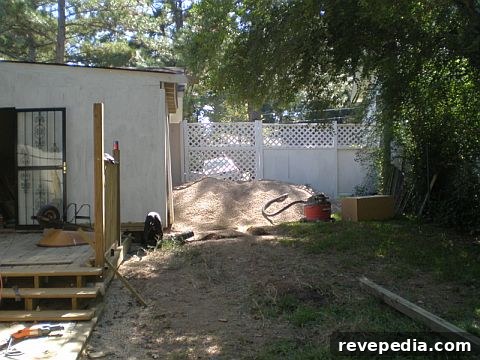
Earlier this week I read a funny story about homeowners who had a massive pile of gravel delivered for a project. Due to a miscommunication, the delivery driver deposited the entire pile a few feet in front of their garage, effectively trapping their car inside. The image of that gravel mound blocking the driveway is a good reminder that material delivery needs planning.
While hunting for tips, I found a helpful video lesson presented by Dean and Derek of the DIY Network that covers preparing for deliveries of construction materials such as pavers, stone, aggregates and lumber. Their recommendations are practical and focus on avoiding common pitfalls that lead to delays, extra labor and unexpected costs.
The key piece of advice is simple: don’t use your own pickup truck—or borrow one—to pick up heavy materials yourself. It may seem like you’re saving the delivery fee (often around $100), but once you factor in fuel, the cost of your time, and the physical strain of lifting, loading and unloading bulky items, hiring a delivery service is typically more cost-effective and far less stressful.
Other essential tips from the video include:
- Confirm the supplier has the right equipment for the drop-off. Some deliveries require a dump truck with a hydraulic bed or a forklift to place materials safely and efficiently.
- Plan the precise staging area in advance. Materials should be placed close to the work zone but not directly on the job site where they could obstruct work or damage finished areas.
- Be present for delivery if possible so you can direct the driver. If you cannot be there, clearly mark the desired drop point with a stake, flag, sign or photograph so the driver can easily identify the location.
Thoughtful preparation reduces the chance of costly mistakes like blocked driveways, damaged property, or having to move heavy materials twice. By communicating clearly with your supplier, confirming their capabilities, and determining an appropriate, marked staging area, you’ll streamline the delivery process and protect your site and equipment.
Photo by timtimes