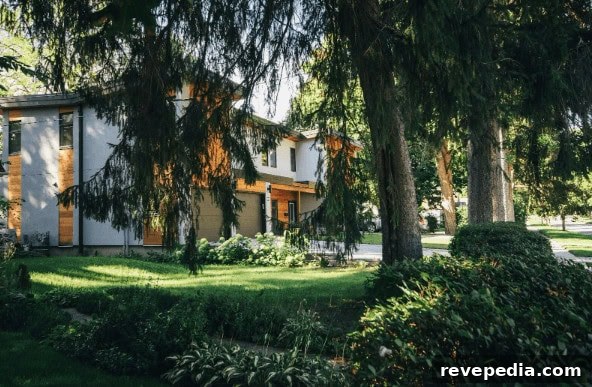
Climate patterns are becoming increasingly unpredictable, creating tangible challenges for homeowners. Flooding, extreme heat, more powerful storms, and shifting ground conditions all affect a home’s long-term performance and durability.
For property owners and managers, adapting to these changes is no longer optional: it is essential to protecting both the structure and the investment. From reinforced roofs and improved drainage to thoughtful design and landscape choices, practical upgrades help homes remain safe, efficient, and comfortable as conditions evolve.
Adapting Structures to Endure
There are several practical steps homeowners can take to protect properties against changing climate risks. In flood-prone locations, elevating foundations or living spaces reduces the risk of water damage. Upgrading to reinforced roofing systems and impact-resistant materials can improve resistance to heavy rain, wind, and debris impact.
Upgrades alone do not solve every problem—ongoing maintenance is critical. Regular roof inspections, gutter cleaning, and prompt repair of small issues prevent larger failures. Property owners should follow local recommendations for professional checkups and seasonal maintenance to catch problems early and extend the life of key systems.
Some homeowners choose more comprehensive retrofits. Fire-retardant exterior finishes, ember-resistant vents, defensible landscaping, and noncombustible hardscaping help reduce wildfire exposure. In hurricane- or wind-prone regions, upgraded connections, bracing, and storm shutters improve a home’s ability to withstand high winds.
Energy-efficiency upgrades are another effective long-term investment. Improved insulation, high-performance windows, and durable, low-maintenance materials protect the building envelope while reducing energy consumption and utility costs. These measures increase comfort and lessen wear on heating and cooling systems, lowering the need for frequent repairs.
Site-sensitive design matters. Orienting a home to take advantage of prevailing breezes, shading, or natural drainage reduces energy demand and structural stress. Selecting materials and systems suited to the local climate—enhanced insulation in cold climates, water-saving strategies in arid areas, or corrosion-resistant components in coastal settings—ensures upgrades perform where they’re most needed.
Preparation and planning are also important. Homeowners and property managers should develop clear emergency plans, maintain disaster-supply kits, and practice simple drills. Checklists and routine reviews of insurance, utilities shutoffs, and evacuation routes reduce confusion and help protect life and property during severe weather events.
Collaboration Across Sectors
Addressing climate risks at scale requires collaboration among governments, private industry, utilities, and communities. Coordinated policy, incentives for resilient construction, updated building codes, and strategic infrastructure investments help align economic goals with sustainability and safety.
International cooperation and shared research allow regions to adopt proven solutions and accelerate improvements in building performance. When technologies and best practices migrate across borders, the pace of adaptation speeds up and costs can decline.
Education is also central to progress. Informing homeowners, contractors, and local officials about practical resilience measures encourages wider adoption. Clear guidance and accessible tools make it easier for communities to prioritize sensible upgrades and emergency planning.
Using Technology to Make Smarter Choices
Advances in remote sensing, geographic information systems, and climate data significantly improve property oversight and planning. These tools provide actionable insights into soil stability, flood plains, water-table changes, and shifting weather patterns, allowing better-informed decisions about siting, materials, and structural systems.
Passive design strategies—such as optimized insulation, strategic window placement, and appropriate shading—use natural forces to regulate temperatures and reduce energy needs. Well-designed passive systems can capture solar gain in winter while minimizing overheating in summer, reducing reliance on mechanical systems.
Smart home technologies also strengthen resilience by supplying real-time data. Leak detectors, smart thermostats, energy monitors, and automated control systems help owners spot problems quickly, limit damage, and manage resource use more efficiently. These systems support proactive maintenance and lower long-term operational costs.
Learning from Nature
Natural systems often provide effective models for resilience. Native plants act as barriers, serving as windbreaks, stabilizing soil, and improving water absorption—reducing erosion and mitigating localized flooding. Vegetation with deep root systems binds soil and enhances long-term landscape stability.
Water-conservation techniques such as rainwater harvesting and greywater reuse make better use of available resources and reduce demand on municipal systems. In coastal or saline environments, choosing salt-tolerant species and soil amendments helps protect landscapes from degradation while maintaining function and biodiversity.
Incorporating natural elements into design also delivers multiple benefits. Vertical gardens and green walls provide insulation and noise reduction while enhancing aesthetics. Small water features and bioswales can manage runoff, improve microclimates, and create appealing outdoor spaces that support both form and function.
Practical Takeaway
Climate change is already reshaping how homes are built, maintained, and improved. The good news is that many effective responses are practical and achievable: targeted upgrades, consistent maintenance, smart design, and thoughtful landscaping can all strengthen a home’s resilience.
Homeowners who adopt a proactive stance—matching improvements to local conditions, preparing for emergencies, and using available technologies—will be better positioned to protect their property and maintain comfort as conditions change. With deliberate planning and sensible investments, homes can remain durable, efficient, and safe in a changing climate.