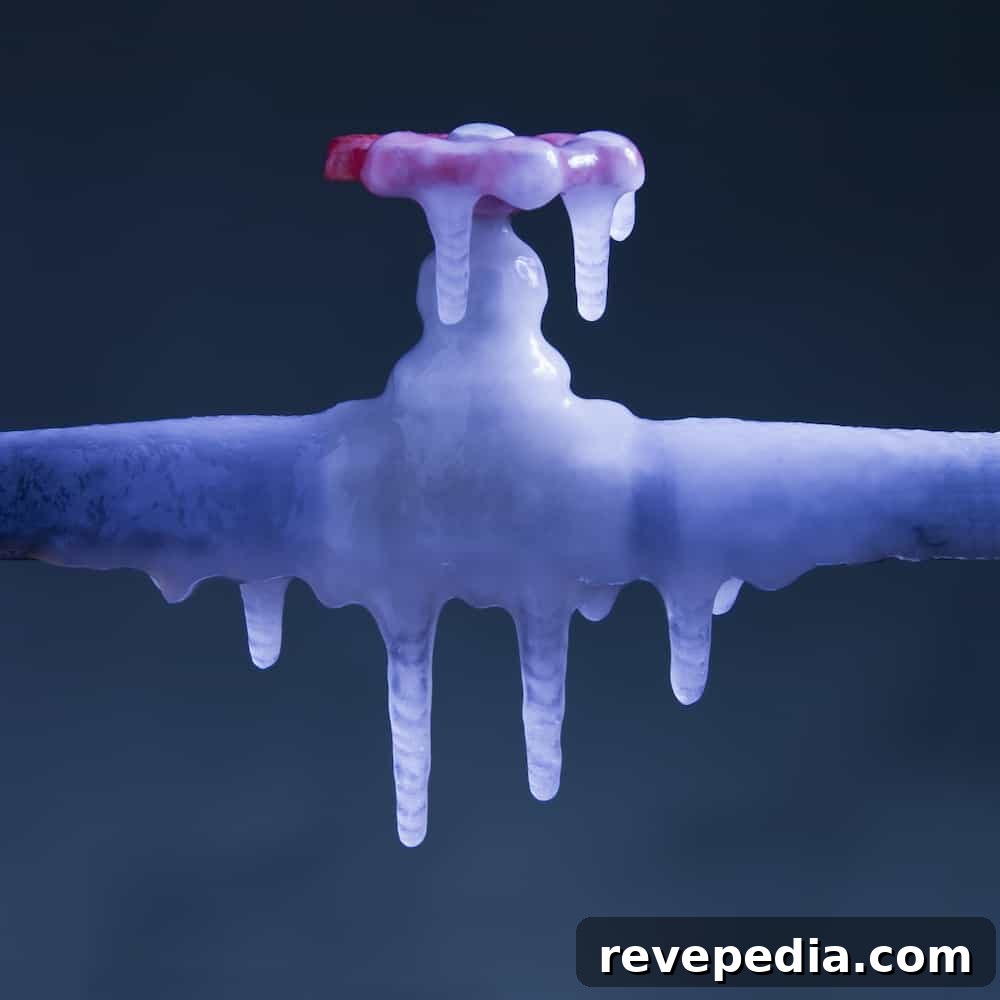
When temperatures plunge and you reach for a faucet only to find no water, the likely culprit is frozen pipes. Water freezes inside pipes, expands, and exerts pressure on pipe walls. Repeated freezing and thawing weakens plumbing and can ultimately cause pipes to burst—leading to costly repairs and water damage.
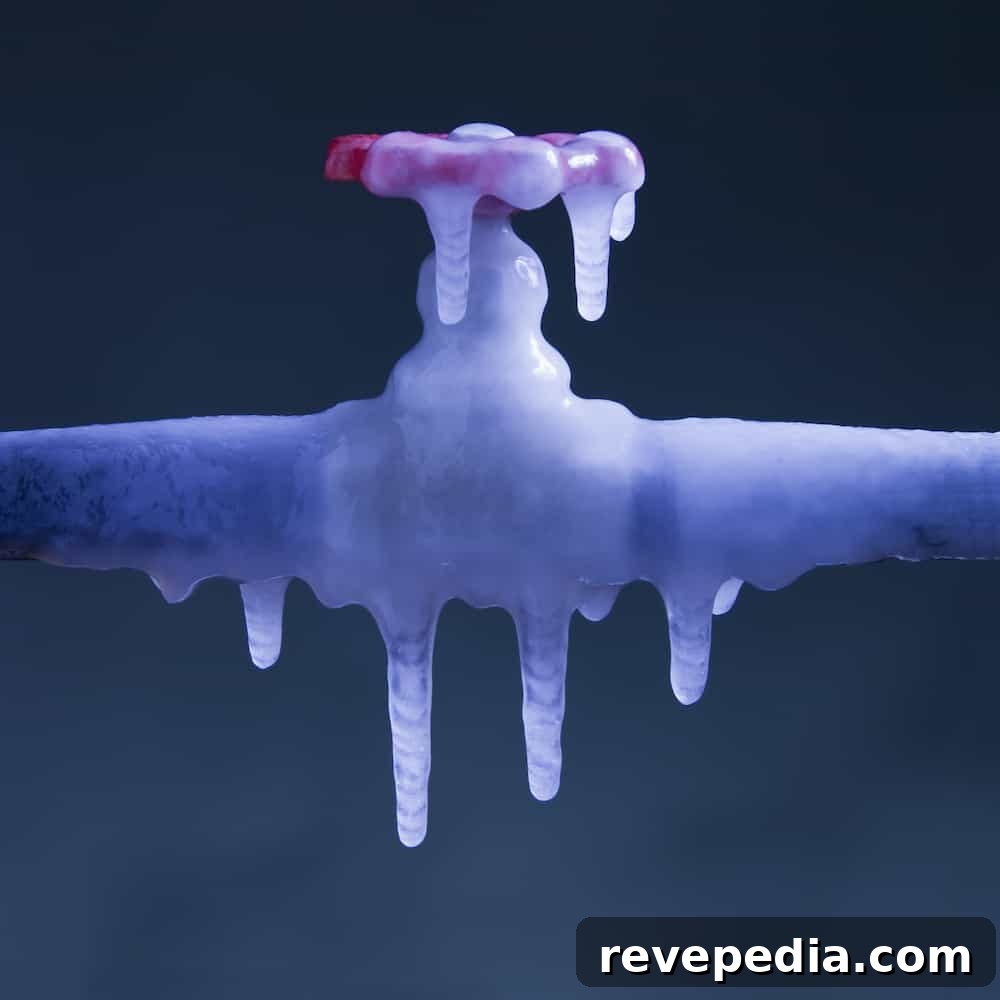
Preventing frozen pipes and the damage they cause requires both awareness and preparation. This article explains when to worry, how to protect vulnerable plumbing, what to do if pipes freeze or burst, and steps to take before leaving your home during cold spells.
When should I worry about my pipes freezing?
Take freeze risk seriously when outside temperatures approach 20°F (-7°C) or lower. In regions with prolonged cold seasons, builders usually place water lines inside insulated walls to reduce freezing risk. However, even in milder climates, exposed exterior plumbing, poorly insulated spaces, or gaps that let cold air into walls and crawlspaces can allow pipes to freeze.
Homes with unheated basements, attics, crawl spaces, or exterior-facing plumbing are particularly vulnerable. Ensure these areas are insulated and sealed to limit cold air infiltration—especially where electrical, cable, or phone lines penetrate the building envelope.
How to avoid frozen pipes
Insulation is the most reliable defense. Fit foam or fiberglass pipe sleeves to exposed water lines in unheated or poorly insulated areas. Sleeves come in different diameters and lengths to accommodate household plumbing.
Seal gaps and cracks around pipes and utility penetrations to reduce drafts. Weatherstripping, caulk, and foam sealant can block cold air from reaching pipe cavities. Keep garage doors closed if water lines run through adjacent walls or the garage itself. In extreme cold, open cabinet doors beneath sinks to allow warmer indoor air to reach plumbing.
Reduce pressure to help prevent ruptures
Allowing a faucet to drip slightly during severe cold can relieve pressure that builds when lines begin to freeze. A slow, steady drip reduces the chance of pressure-induced pipe bursts. If a previously dripping faucet stops, leave it open—frozen sections downstream may have halted flow, and leaving the tap open relieves pressure as the system freezes.
What to do if your pipes have frozen
If you suspect a frozen pipe, call a licensed plumber as soon as possible. A professional can safely locate the frozen section, advise on thawing methods, and recommend insulation or repairs to prevent recurrence.
If a pipe bursts, shut off the main water valve immediately to minimize flooding. The main shut-off is typically near the water meter or where the supply enters the home. After shutting off water, drain faucets by opening them and contact an emergency plumber to repair and assess any water damage.
Preparing your home before vacation
If you’ll be away during cold weather and temperatures are expected to fall below 20°F, take steps to prevent freezing while you’re gone. The safest option is to drain the system completely: shut off the main water valve, open all indoor faucets (including outdoor spigots and toilet tanks) and allow water to run until lines are empty. Close faucets and leave the main valve off while you’re away.
Alternatively, if you prefer to leave the water on, set the thermostat to at least 55°F, insulate vulnerable pipes, and leave cabinet doors open to let heat circulate. Consider asking a neighbor or friend to check the house periodically for signs of freezing or leaks.
Summary: practical steps to protect your plumbing
Key steps to protect pipes from freezing and bursting:
- Insulate exposed pipes with foam or fiberglass sleeves.
- Seal gaps and holes that allow cold air into walls, attics, and crawlspaces.
- Open cabinet doors and keep garage doors closed in extreme cold.
- Let faucets drip slightly during severe freezes to relieve pressure.
- Shut off and drain the water system before extended absences in very cold weather.
- Call a licensed plumber immediately if you suspect frozen or burst pipes.
Taking these preventive measures and responding quickly if freezing occurs will reduce the risk of burst pipes, water damage, and costly repairs. Protecting your plumbing before temperatures drop is the most effective way to stay warm, dry, and worry-free throughout the winter months.