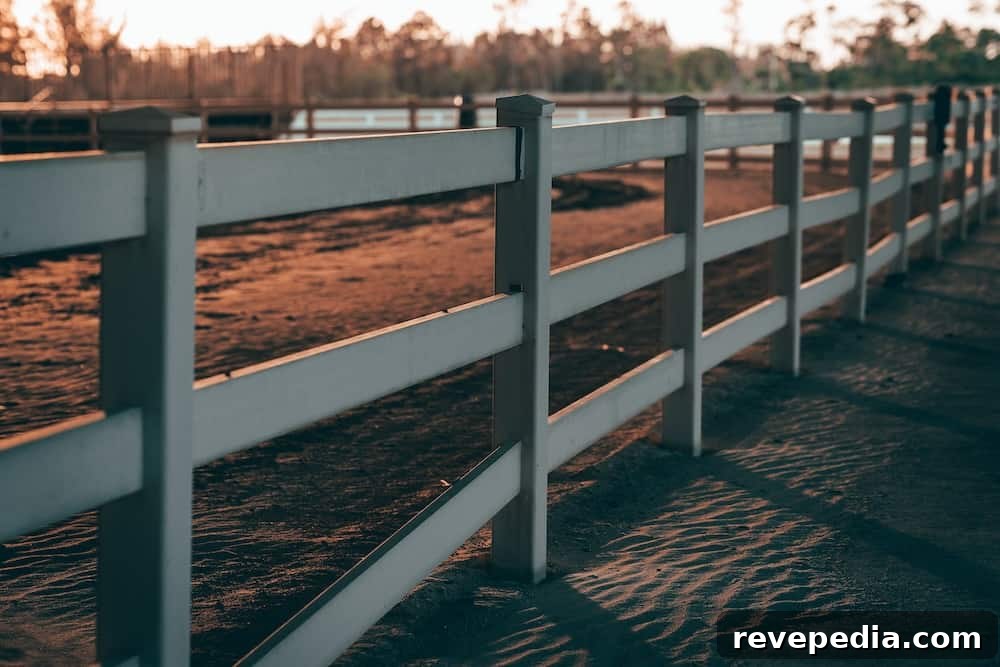
If you live where freezing temperatures are common, you may have experienced post heaving: when soil freezes, expands, and lifts posts or fence posts out of the ground. This movement can cause instability, damage, and costly repairs if not properly addressed. This article explains what causes post heaving, how it affects structures, practical prevention steps, mitigation techniques for frozen ground, long-term solutions, and common misconceptions so you can protect your property and maintain stable structures.
Understanding Post Heaving: Causes and Effects
Post heaving, also called frost heave, happens when soil moisture freezes and expands as temperatures drop. The expansion exerts upward pressure on embedded objects like fence posts, deck posts, and shallow foundations. Repeated freeze–thaw cycles or prolonged cold spells increase the likelihood of uplift and displacement. Recognizing how and why this occurs is the first step toward preventing damage.
The Science Behind Ground Freezing
When soil temperature falls below freezing, water in the soil forms ice crystals that grow and interlock. As ice crystals develop, they push surrounding soil particles aside and draw additional moisture toward the freezing front, increasing soil volume. That expansion creates pressure that can lift or shift buried objects. Factors that influence the severity of heaving include the duration and severity of freezing, soil moisture content, and soil type. Fine-grained, moisture-retaining soils such as clay and silt are typically more prone to frost heave than coarse, well-drained sandy soils.
The depth of frost penetration—often referred to as the frost line—varies by climate and local conditions. Posts set shallower than the frost line are susceptible to being pushed upward when the ground freezes. Conversely, posts placed below that depth are far less likely to move from frost action.
Impact of Post Heaving on Structures
Post heaving can lead to visible and structural problems. Uplifted or tilted posts compromise fences, gates, and decks, affecting both function and appearance. In buildings and other structures, frost movement can result in uneven floors, cracked masonry, and shifted foundations. Repair costs can be substantial—replacing posts, resetting foundations, or correcting drainage issues adds up quickly—so preventive measures and timely maintenance are more cost-effective than reactive fixes.
Regular inspection helps catch early signs of movement—leaning posts, gaps in fence boards, or slight misalignment—so you can address problems before they escalate. Simple corrective steps taken early often prevent more intrusive and expensive repairs later.
Preventive Measures for Post Heaving
Reducing the risk of post heaving requires thoughtful choices in materials, installation, and site preparation. The following practical steps lower the chance that frost will lift or shift posts on your property.
Choosing the Right Materials
Select materials that resist moisture and temperature-related deterioration. Pressure-treated lumber is commonly used for posts in cold climates because the preservative treatment helps prevent rot where wood contacts soil. Metal posts—galvanized steel or aluminum—offer a durable alternative that resists moisture-related decay and can be driven or set to deeper depths. Composite posts, made from wood fibers and recycled plastic, resist moisture absorption and dimensional changes and can be a good choice where budget and appearance align.
Importance of Proper Installation
Proper installation is essential. Set posts at or below the local frost line whenever possible so they are anchored in soil that does not freeze and thaw each winter. Where that depth is impractical, use concrete footings that extend below the frost line. Compact backfill carefully around posts to reduce voids and improve stability. In poorly draining or clay soils, a gravel or crushed-stone base under the post helps improve drainage and reduce frost-susceptible moisture.
Good site preparation also includes removing organic debris, grading soil to divert surface water away, and ensuring the immediate area around posts is free of excess moisture that could migrate into the ground and freeze.
Techniques to Mitigate Ground Freezing
Beyond proper materials and installation, several techniques can reduce the chance of frost heave by controlling moisture and insulating or warming the ground around posts.
Soil Management Strategies
Effective drainage is one of the best defenses against frost heave. Grade the landscape so water flows away from posts and foundations, add French drains or swales where needed, and use permeable backfill materials such as gravel to promote infiltration and reduce retained moisture. Amending extremely fine soils with coarse material or organic matter can improve structure and drainage, reducing the volume of water available to freeze.
Utilizing Thermal Blankets
In sensitive areas or for temporary protection during initial construction, geotextile thermal blankets or insulated mats can reduce freezing depth by retaining heat in the soil. These products are placed over the ground to slow heat loss and can be combined with other insulation methods around footings. While not always practical for large areas, thermal insulation is useful for protecting critical locations during cold snaps.
Ground Thawing Techniques
If frost heave has already occurred, controlled thawing can restore ground stability. Methods include applied heat systems (electrical heating, hot water, or steam) and, in some cases, chemical agents that lower water’s freezing point. These approaches should be used cautiously and typically by experienced professionals because improper application can damage soils, vegetation, or nearby structures.
Long-Term Solutions for Post Heaving
Long-term prevention blends correct design, regular upkeep, and professional input when needed. The goal is to minimize moisture around posts and ensure load-bearing elements are placed below frost-affected depths.
Regular Maintenance and Inspection
Routine checks for leaning posts, gaps, and loose hardware let you repair small issues before they grow. Keep drainage systems clear, regrade areas where pooling occurs, and replace damaged components promptly. Regular maintenance preserves the integrity of posts and reduces the cumulative effects of freeze–thaw cycles.
Professional Services for Post Heaving Prevention
For larger or more complex projects—such as retaining walls, heavy fencing, or structures on challenging soils—engage geotechnical or structural professionals. They can assess soil conditions, recommend footing depths, design drainage, and apply specialized mitigation techniques that suit your site. Professional guidance is particularly valuable where safety, long-term performance, or regulatory compliance are concerns.
Common Misconceptions About Post Heaving
A few myths persist about frost heave. Clarifying them helps homeowners make better decisions about prevention and repair.
Debunking Myths About Ground Freezing
Ground freezing is not limited to extremely cold regions. Even moderate winters can produce frost heave, especially when wet soils and freezing nights coincide. Expect risk wherever the frost line reaches the depth of shallow footings or posts.
Facts Vs. Fiction in Post Heaving Prevention
There is no universal fix that works for every site. Effective prevention depends on matching solutions to soil type, drainage, climate, and the structure’s purpose. Using appropriate materials, installing posts to the right depth, improving drainage, and maintaining the site are practical, proven steps to reduce risk.
In summary, preventing post heaving requires understanding frost action, choosing suitable materials, installing posts correctly, managing soil moisture, and performing regular maintenance. For complex sites or persistent problems, professional evaluation and targeted solutions will deliver the best long-term results. Taking these measures now will protect your posts, fences, and structures from winter damage and save time and money on repairs down the road.