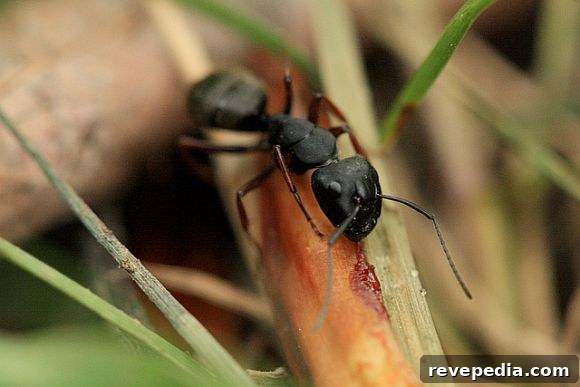
Carpenter ants can remain a serious problem even in regions where cold weather reduces other pest activity. These ants do not eat wood like termites but tunnel through it to build galleries for their colonies, causing structural damage over time. Homes in warmer climates or areas with damp conditions are especially vulnerable, so taking preventive steps is important to protect your property.
Firewood is a common carrier of carpenter ants. When bringing wood onto your property, inspect it for ant activity and store it properly. Keep wood elevated off the ground and covered to reduce moisture and discourage ants from nesting within the pile.
Other practical prevention measures include:
+ Proper ventilation: Good airflow throughout your home helps prevent excess moisture, mold, and mildew. Damp wood and humid conditions are attractive to carpenter ants, so maintaining dry, well-ventilated spaces reduces the risk of infestation.
+ Seal exterior openings: Regularly check the exterior of your house for gaps or holes around wiring, doors, windows, trim, siding, and the foundation. Seal any openings you find with caulk or appropriate fillers to block common entry points for ants and other pests.
If you detect carpenter ant activity, there are several do-it-yourself steps you can try before calling a professional. Locating the nest is the first priority. You may be able to track ants back to their colony by following foraging trails or placing a small amount of sweet bait, such as sugar water, to attract workers. In some cases a large nest produces audible sounds—crinkling or rustling inside walls—when the colony is active.
Once you find the nest entrance, targeted treatments can be effective. Applying a pesticide directly into the nest opening can reduce worker numbers. Placing bait treated with boric acid or other slow-acting toxicants near the entrance encourages workers to carry the bait back to the colony, reaching queens and other members that pesticides may miss. If the nest is located inside a wall or other concealed space, carefully drilling small access holes into the surrounding structure can allow you to apply an insecticide or gel directly into the galleries; follow label instructions and safety precautions when using chemicals.
Keep in mind that long-term control often requires treating both the nest and the conditions that attract ants—moisture, decaying wood, and easy access into the home. If an infestation is extensive, recurring, or involves inaccessible nests, professional pest control services can provide more comprehensive inspection and treatment options.
If you have experience dealing with carpenter ants or additional prevention tips, feel free to share your insights to help others protect their homes.
Photo: Flickr.com/arran_edmonstone