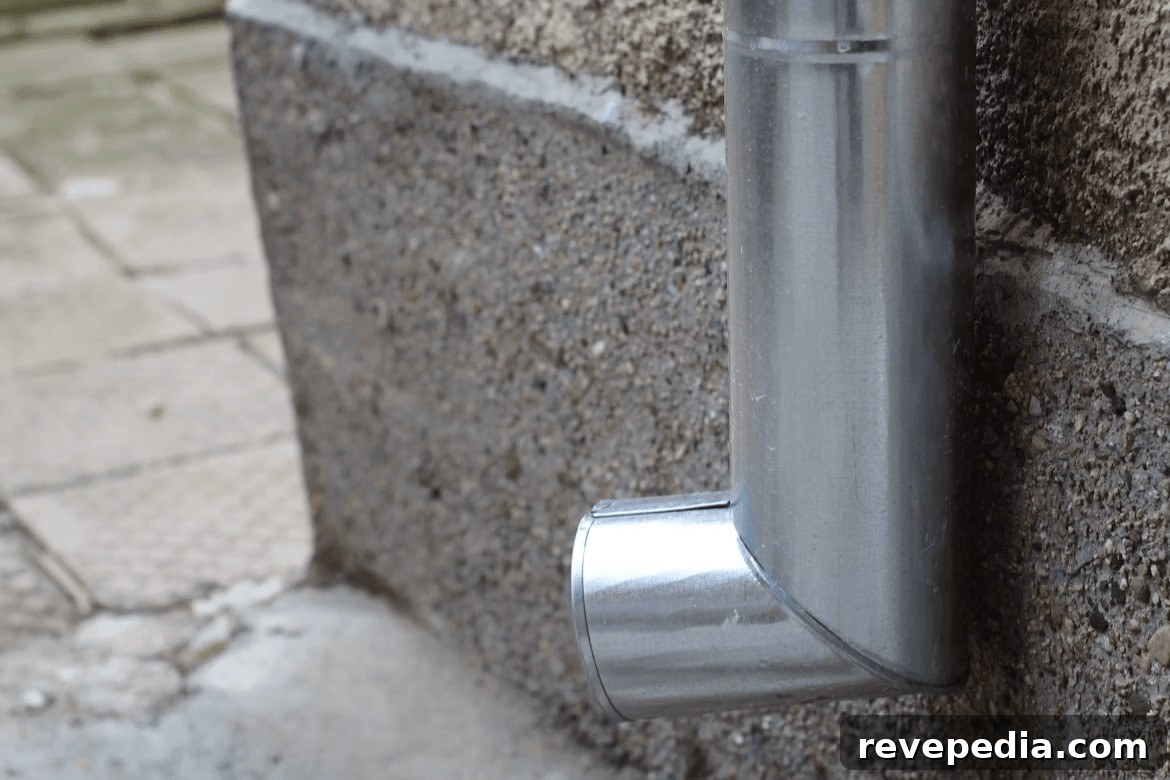
Rain gutters play a vital role in protecting your home from water damage by directing rainwater away from the foundation, siding, and landscaping.
Homeowners frequently ask about the different types of gutters, how various materials compare, and which styles work best for their house.
Knowing the options available in 2026 helps you choose a gutter system that balances performance, appearance, maintenance, and cost.
Common Types of Roof Rain Gutters
1. K-Style Gutters
K-style gutters are the most widely used residential gutters in the United States.
Features:
- Flat bottom with a decorative front edge that resembles crown molding
- Efficient water flow
- Compatible with most gutter guard systems
Advantages:
- Affordable and broadly available
- Handles heavy rainfall well
- Visually appealing for many home styles
Considerations:
- Require a proper slope to ensure optimal drainage
- Can collect leaves and debris without guards
2. Half-Round Gutters
Half-round gutters have a semicircular profile and are often chosen for historic, traditional, or custom homes.
Features:
- Smooth curved design
- Commonly fabricated from copper or aluminum
Advantages:
- Elegant, classic appearance
- Smoother interior reduces debris buildup
Considerations:
- Generally pricier than K-style gutters
- Lower water capacity compared with some modern profiles
3. Box Gutters
Box gutters are built into the roof or edge structure and are frequently used on commercial buildings and larger residential properties.
Features:
- Square or rectangular profile
- Installed flush with the roof edge or within the roofline
Advantages:
- High water-handling capacity
- Discrete, integrated appearance
Considerations:
- Installation is more complex
- Higher upfront cost and potential maintenance needs
4. Fascia Gutters
Fascia-mounted gutters attach directly to the fascia board instead of being hung from separate brackets.
Features:
- Contemporary, seamless look
- Often used together with fascia cladding systems
Advantages:
- Clean design that integrates with the roofline
- Can simplify maintenance when combined with guards
Considerations:
- Typically costlier than standard K-style gutters
- Professional installation is generally recommended
5. Seamless Gutters
Seamless gutters are custom-fabricated on-site from a continuous length of material to minimize joints.
Features:
- Fewer seams reduce the likelihood of leaks
- Commonly made from aluminum
Advantages:
- Durable and less prone to leaking
- Lower maintenance than sectional systems
- Custom-fit for precise installation
Considerations:
- Higher installation cost than sectional gutters
- Requires professional fabrication and installation
Gutter Material Options
Beyond shape and style, material choice significantly affects durability, maintenance, appearance, and price. Consider the following common materials:
| Material | Pros | Cons |
| Aluminum | Lightweight, rust-resistant, affordable | Can dent if struck |
| Copper | Long-lasting, distinctive appearance, low maintenance | High cost |
| Steel | Strong and durable | Can rust without proper coating |
| Vinyl | Economical, easy for DIY installation | Less durable, may warp in high heat |
| Zinc | Very durable, develops a protective patina | High upfront cost and less common for homes |
How to Choose the Right Gutter Type
When selecting gutters, weigh these key factors:
- Climate: Areas with heavy rainfall often need larger or more efficient profiles like K-style or box gutters.
- Home architecture: Half-round gutters suit historic or traditional homes, while fascia or seamless gutters complement modern designs.
- Maintenance: Seamless systems and gutters paired with reliable guards reduce cleaning frequency and leak risk.
- Budget: Aluminum and vinyl are cost-effective; copper, steel, and zinc are more durable and offer premium aesthetics but cost more.
- Roof size and slope: Large roofs or steep slopes may require higher-capacity systems or additional downspouts to handle runoff effectively.
Conclusion
Understanding the range of gutter types and materials allows homeowners to choose a system that balances functionality, longevity, and curb appeal. K-style gutters remain the most common for modern residences, while half-round, box, fascia, and seamless options offer distinct advantages depending on architectural style and specific needs.
Choosing the right gutter system helps ensure effective water management and long-term protection for your home throughout 2026 and beyond.