Yesterday, Hurricane Sandy made landfall along the Eastern Seaboard, producing widespread disruption. Airports, subways, buses and schools were closed, and millions of residents experienced power outages. For those in the storm’s path, conditions were worsened by an accompanying winter snowstorm and higher-than-usual tides driven by a full moon.
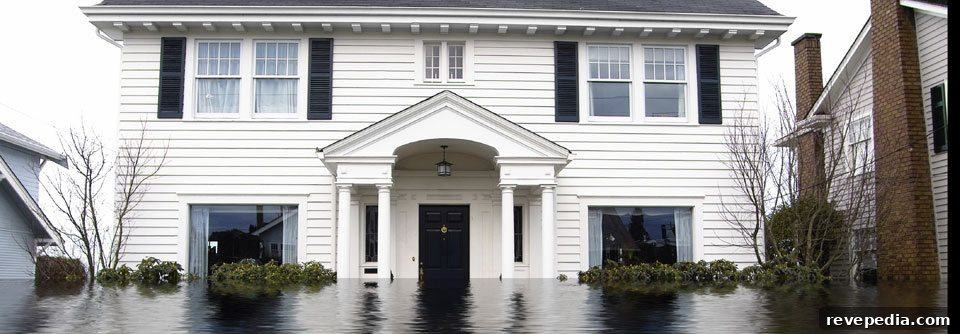
Flooding from the storm has caused billions of dollars in damage. Beyond structural and property loss, flooding presents hidden hazards: downed power lines and energized water, submerged sharp debris, contamination from chemical spills, and weakened foundations or floors that can collapse unexpectedly.
We previously published a series of practical guides on flood response and water damage recovery. With many people returning to flooded homes, these tips can help ensure a safer, more organized cleanup and recovery process. Keep these points in mind—flooding can happen anytime from a busted pipe, a failed appliance or heavy storms, so preparedness matters.
Basic steps for assessing and responding to water damage:
- Check for immediate danger: Before entering a flooded building, verify that it’s safe. Look for structural damage, downed electrical wires, and signs of gas leaks. If power is still on, consider it a hazard—do not walk through standing water where electrical sources may be live.
- Identify the source: Find where the water is coming from—roof leaks, broken pipes, sewer backup or storm surge. Determining the source helps prioritize repairs and prevents further damage.
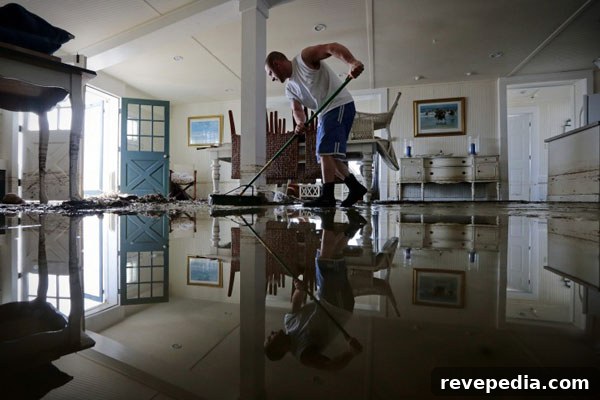
- Prevention and drying: Stop the flow of water if possible, then begin drying and ventilating affected areas quickly to reduce mold growth. Remove wet materials, lift carpets, open windows if weather permits, and use pumps, wet/dry vacuums and dehumidifiers when safe to do so.
- Decide what can be salvaged: Some items can be cleaned, disinfected and restored; others should be discarded. Porous materials like carpeting, drywall and upholstered furniture often retain contaminants and mold and may need replacement.
- Consider insurance and documentation: Document damage with photos and detailed notes. Contact your insurer to report losses and follow their guidance. Understand what your policy covers—flood insurance is separate from standard homeowners insurance.
These steps offer a starting framework for recovery, but each situation is unique. When in doubt, consult licensed professionals—electricians, plumbers, structural engineers, and restoration specialists—who can assess hazards and recommend safe repair strategies.
As communities begin cleanup and rebuilding, prioritize safety: avoid wading in standing water when possible, wear protective gear (boots, gloves, masks), and take care of vulnerable household members. Timely action and cautious decision-making can reduce long-term damage and help accelerate recovery.