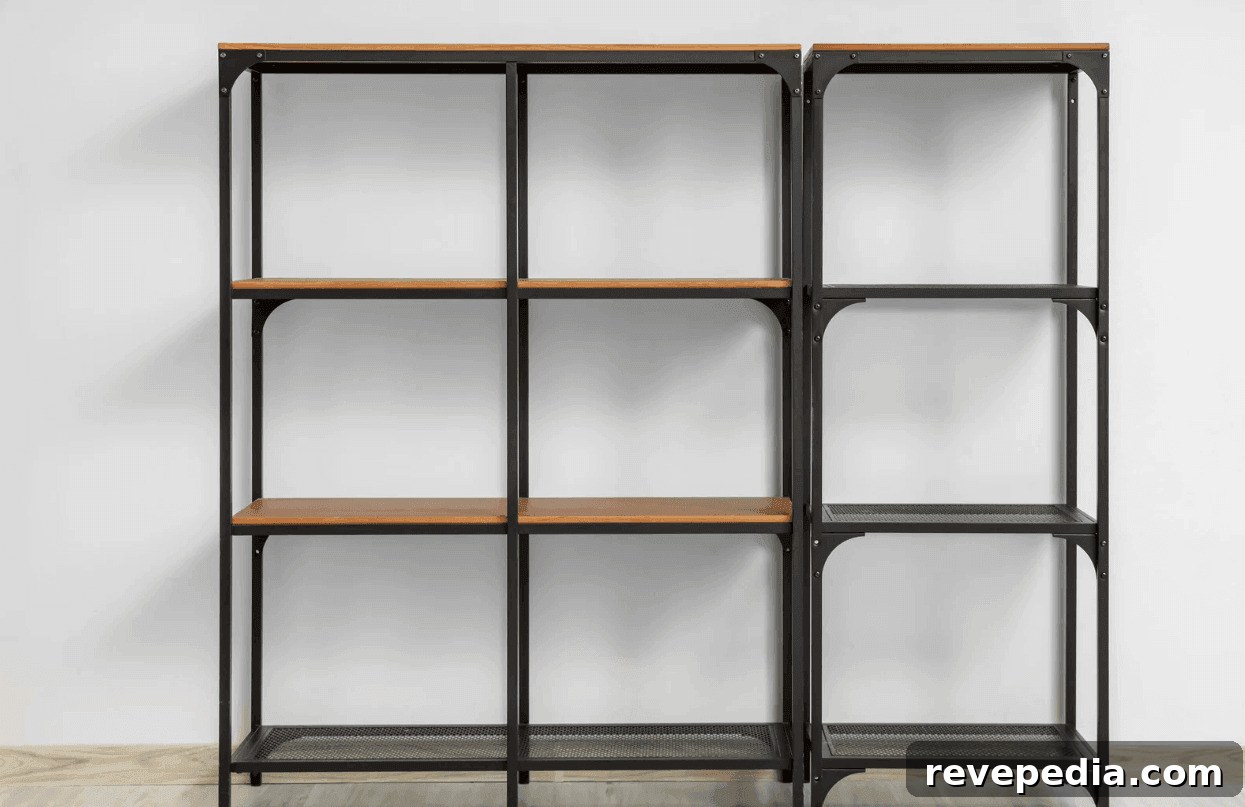
The limited space in small rental units means storage solutions should be non-permanent and leave the walls and structure untouched. Removable shelving offers flexible organization while preserving the property’s original condition.
This approach works especially well for people living in apartments or rented houses who cannot make structural modifications. It also helps make better use of vertical space, which is often underused in small rooms.
With careful planning, shelves can be installed and removed without causing damage, making them a practical long-term option across a variety of living situations. Below are practical tips for designing and installing removable shelving for small rental spaces.
Initial Space Assessment for Removable Shelving
Before building removable shelving, measure the available area: wall width, ceiling height, and floor clearance. Even a few inches can significantly affect how well shelving functions in a compact room. Identify low-traffic zones so shelving won’t block daily movement.
Consider the placement of existing furniture so shelves complement, rather than crowd, the layout. Modular shelving systems often offer the best adaptability and functionality in limited-space living situations, letting renters reconfigure storage to match changing needs.
Choosing Materials for Temporary Structures
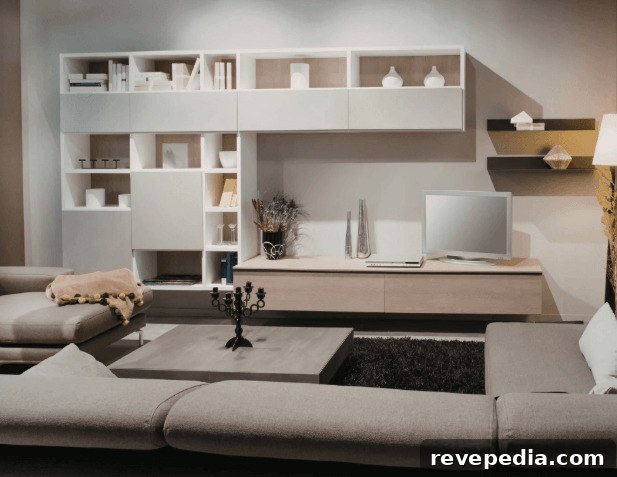
Selecting the right materials is key for a sturdy, easy-to-remove shelving system. Lightweight wood panels, aluminum brackets, and high-quality plastic supports are common choices because they are strong without being heavy. These materials reduce the risk of wall damage when shelves are dismantled.
Choose fasteners that avoid permanent marks: tension rods, removable adhesive mounting systems, and adjustable frames are all effective options. The goal is a load-bearing system that supports your belongings yet can be taken down without repairs—important for tenants concerned about lease terms and move-out inspections.
Designing Adjustable Shelf Layouts
In small rental spaces, flexibility is essential. Adjustable shelves allow you to change shelf spacing to accommodate books, kitchenware, or décor as needs change. This adaptability increases the long-term usefulness of a shelving system.
Designing shelving as modular sections rather than a single fixed unit adds versatility. Individual units can be reconfigured, stacked, or moved to new rooms, which is helpful when relocating. Reusing parts also minimizes waste compared with disposing of a single bulky installation.
Installing Without Permanent Wall Damage
Install shelves to be stable while avoiding permanent marks. Pressure-mounted frames that rely on tension between floor and ceiling are an effective option; they distribute weight evenly and eliminate the need for drilling.
Adhesive mounting systems designed for rentals are another alternative. When applied and removed correctly, they can hold moderate weight and be taken down without damaging surfaces. Proper installation protects both your storage and the property’s integrity.
Maximizing Vertical Storage Efficiency
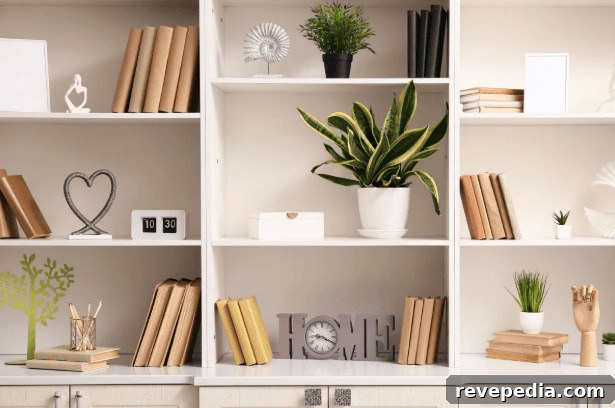
Vertical space is one of the best opportunities for added storage in small rental units. Building upward instead of outward lets you store more without reducing usable floor area—a big advantage in compact apartments or bedrooms.
Arrange shelves by item height and frequency of use: place everyday items at eye level and store infrequently used items higher up. This improves accessibility while keeping the living area balanced and orderly.
Adapting Shelving for Multi-Use Rooms
Many rentals have multi-purpose rooms used for sleeping, working, and storage. Removable shelving can define zones without creating permanent divisions. Lightweight units can act as subtle room separators while still providing storage.
This flexibility lets renters reorganize their space as needed. For example, a shelving unit can be used in a living room and later moved to a bedroom or hallway. That mobility is especially useful for long-term renters whose needs change over time.
Maintenance and Safe Removal Practices
Keep removable shelving well maintained to prevent failures or damage. Regularly check for loose fittings and uneven loads to reduce accident risk. Clean shelves periodically to prevent dust buildup, which affects both appearance and stability.
When removing shelving, proceed slowly and carefully. Follow manufacturer instructions for adhesive removal to avoid surface damage. For tension-based systems, release pressure gradually to prevent abrupt shifts. These precautions help keep the rental property in good condition for inspections and handover.
Conclusion
Portable, removable shelving is an effective way to increase storage in small rental spaces while preserving the property. Its main advantage is flexibility—tenants can plan and reconfigure their living area without committing to permanent modifications. When well planned and properly installed, these systems meet daily needs without violating rental rules.
Over time, flexible shelving improves space utilization and makes small rooms appear tidier and more spacious. With proper maintenance and careful removal, shelving components and rental surfaces remain in good condition and can be reused when moving, making this a sustainable long-term solution.