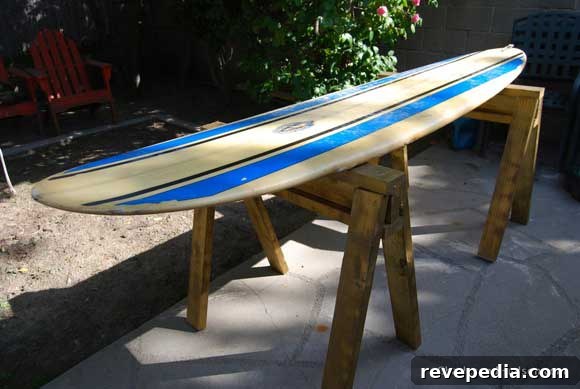
It may be the middle of winter, but in Southern California you can still grab shorts and a t-shirt — or a wetsuit — and head to the water. Lately I’ve shifted from regular surfing to stand-up paddle surfing, so my 9′ Andy Johnson has mostly been a loaner board and hasn’t seen much maintenance. I wanted to get back out, so I inspected the board: a few pressure dings but nothing serious, and the wax had become grimy and packed with sand. Dirty wax is unpleasant and affects traction, so it was time to remove it and prepare the board for fresh wax and a full day in the surf.
1. Warm the Board
Set the board on a stable, elevated surface — sawhorses work well. Let it sit in direct sunlight for about 15–25 minutes depending on how warm it is. The heat softens the wax and makes scraping much easier. On a hot day you’ll need less time; on a cool, cloudy day leave it a bit longer.
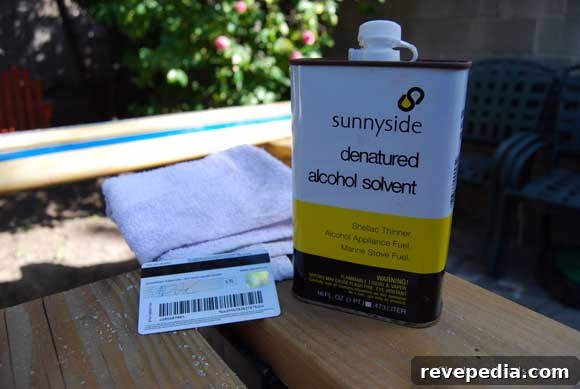
2. Gather Tools
You don’t need fancy gear. A clean rag, a plastic card (an old or spare credit card works well), and a cleaning agent like denatured alcohol are all you need to finish the job neatly.
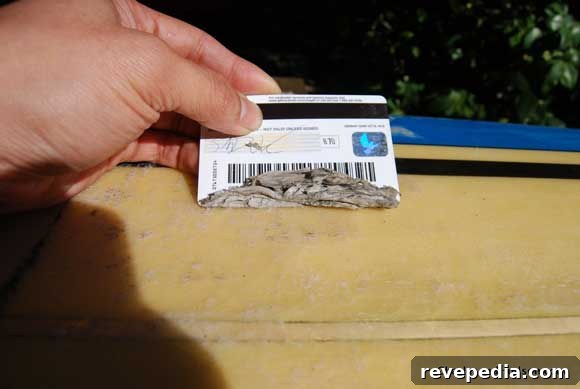
3. Scrape Off the Wax
When the wax is warm and tacky, use the plastic card to scrape it away. Work in one direction and cover the length of the board. You can scrape from the center outward or along the board’s length. Many people find it comfortable to stand to one side and work across their body while moving down the board. Apply steady pressure and keep the card flat to avoid gouging the surface.
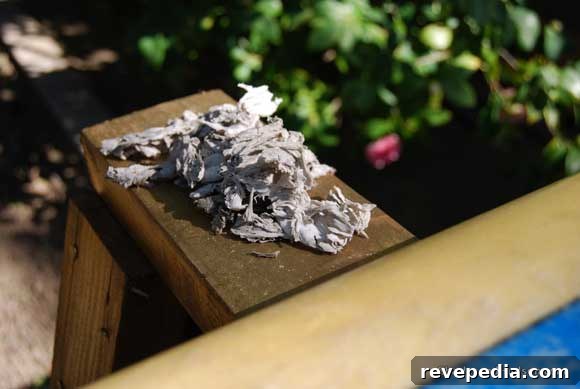
4. Collect and Dispose of Old Wax
Do not let clumps of wax fall onto the ground where pets could ingest them or you might track them inside. Gather the removed wax in one container or pile and throw it away in the trash when you’re finished.
5. Final Cleaning
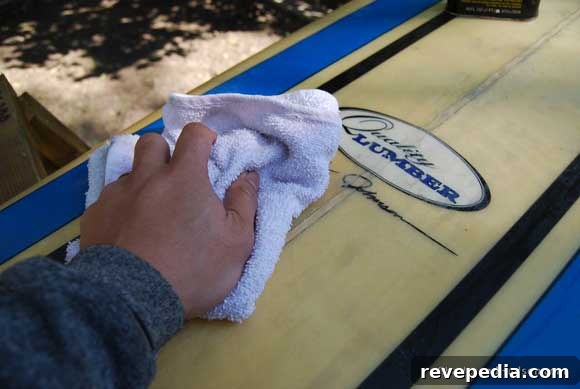
After scraping you’ll likely see a light wax residue remaining. That finish is usually fine for a quick session, but if you want the board completely clean, use a little denatured alcohol on a clean rag and wipe the surface. Apply sparingly and wipe quickly to remove the remaining film without soaking the board.
6. Re-Wax and Hit the Water
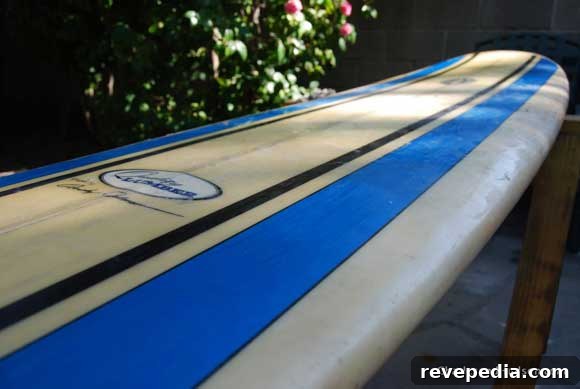
Once the board is free of old wax and residue, choose a new wax appropriate for the water temperature and apply it evenly. With a clean, properly waxed board you’ll have better grip and comfort for a long session. Enjoy the surf!