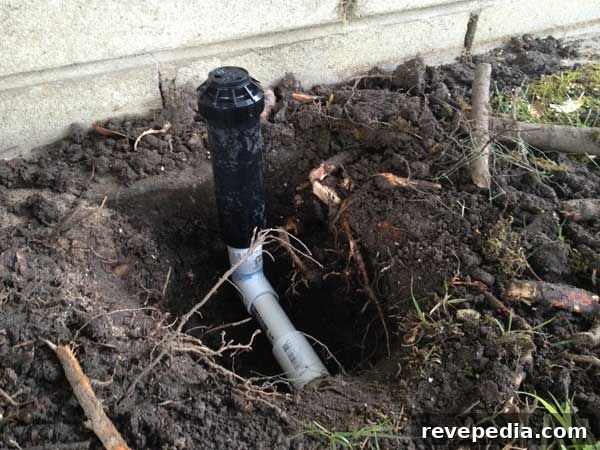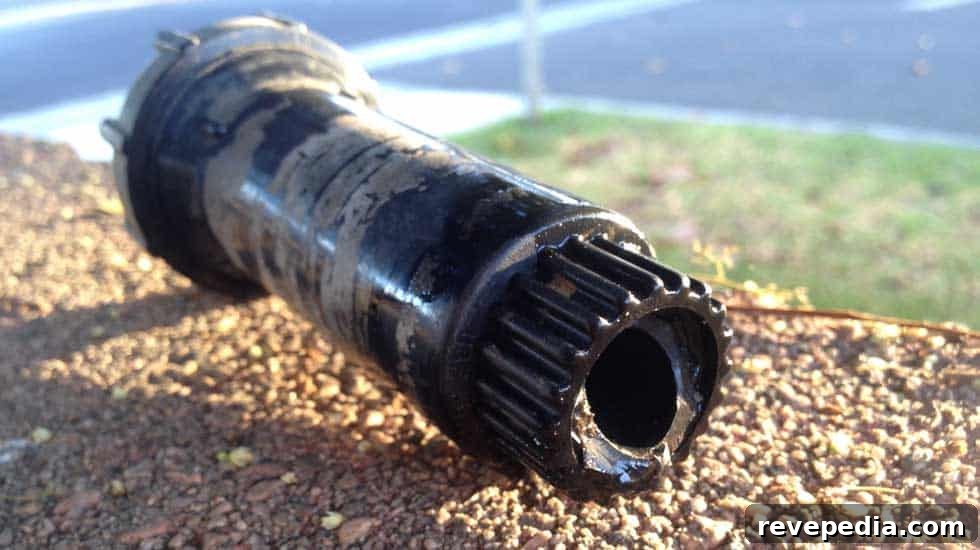
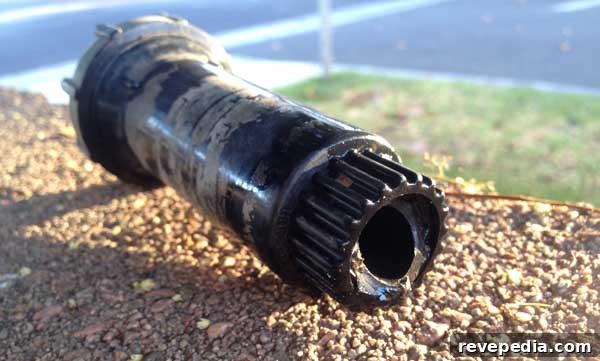
When the grass in the center of our front lawn suddenly died, I was puzzled. That area is shaded, but grass had always grown there before. A quick inspection of the irrigation system revealed one sprinkler head lying loose on the ground. A tree root had apparently sheared the head off the PVC pipe.
I dug around the remaining stub of pipe, cutting through a tangle of roots until I could access the damaged section.
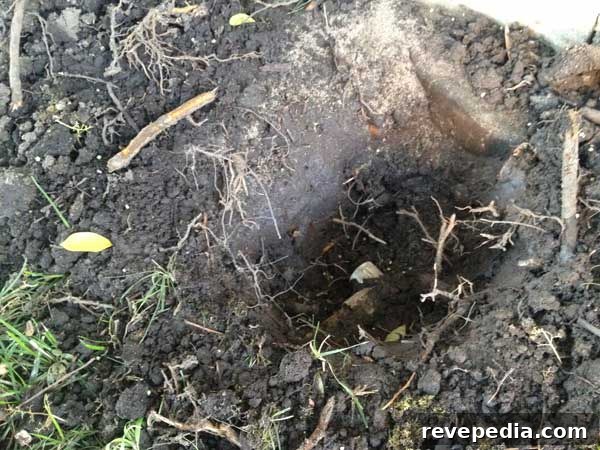
The sprinkler head had broken off at the threaded fitting, so I needed to remove the damaged section of pipe and replace the elbow and connection.
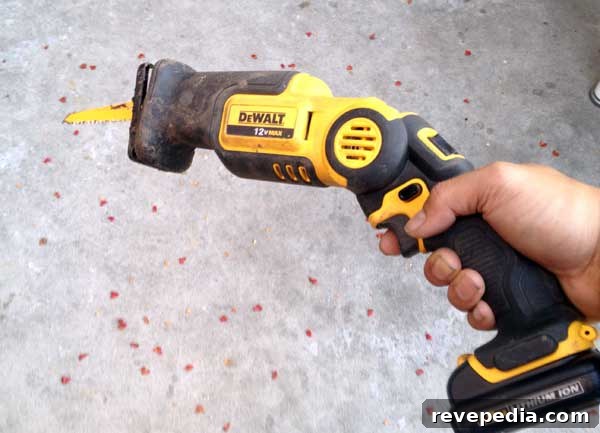
I used a DeWALT pivot reciprocating saw to cut the old pipe, though a hand saw would work fine as well.
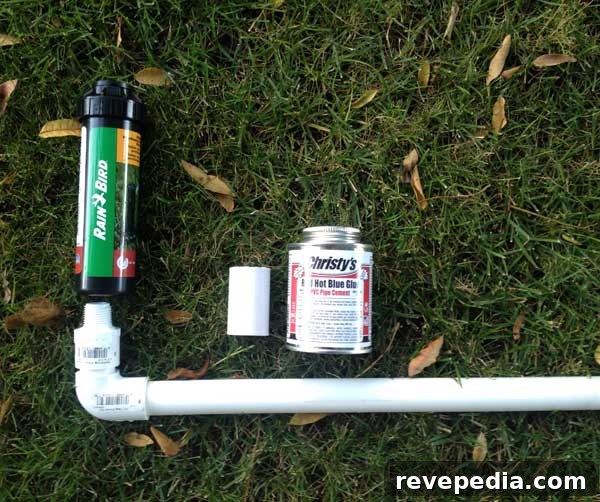
At the home center I picked up 3/4″ PVC pipe, a 3/4″ elbow, a 3/4″ to 1/2″ threaded reducer, a Rain Bird rotor sprinkler head, and PVC cement. I dry-fit the pieces in the store to ensure everything matched and bought a straight length sufficient for the repair.
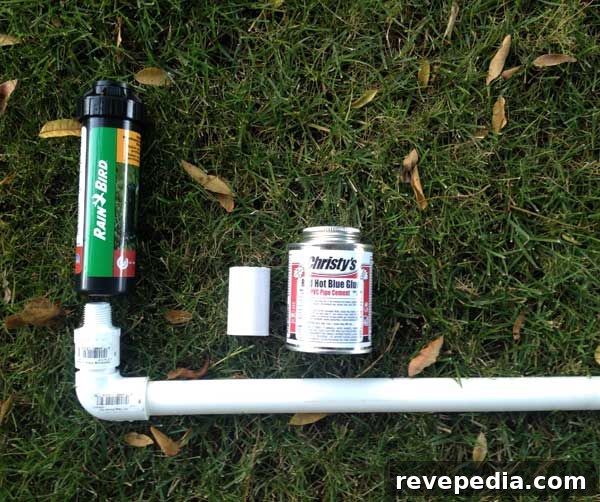
I measured the replacement length so the new sprinkler head would sit about two inches from the wall. Accurate measurement helps avoid unnecessary adjustments later.
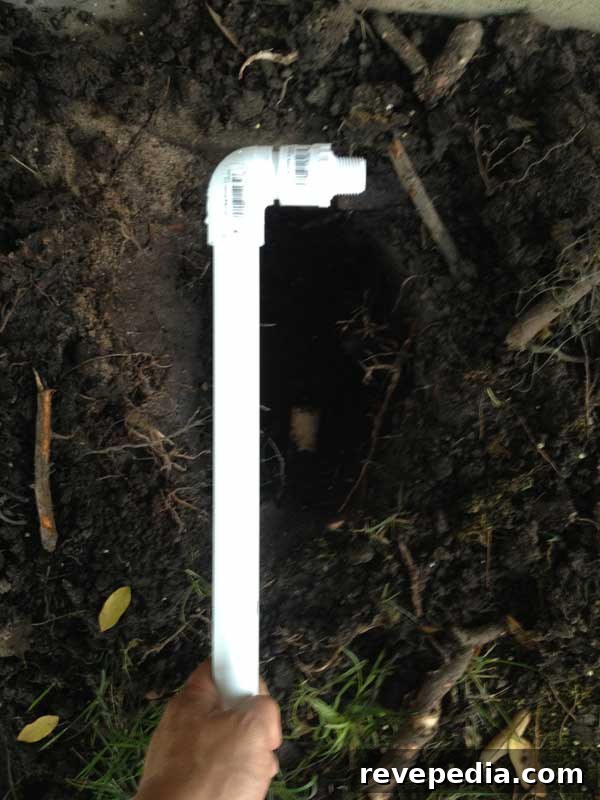
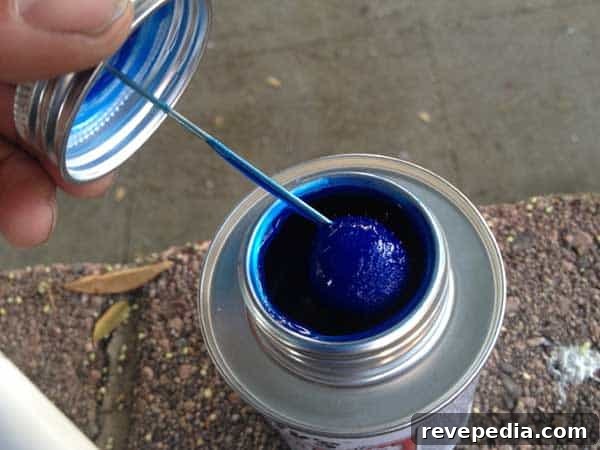
After cutting out the damaged section, I used PVC cement to join the new pipe to the existing line and to secure the threaded fittings. Take care to follow the cement manufacturer’s instructions for proper application and curing time.
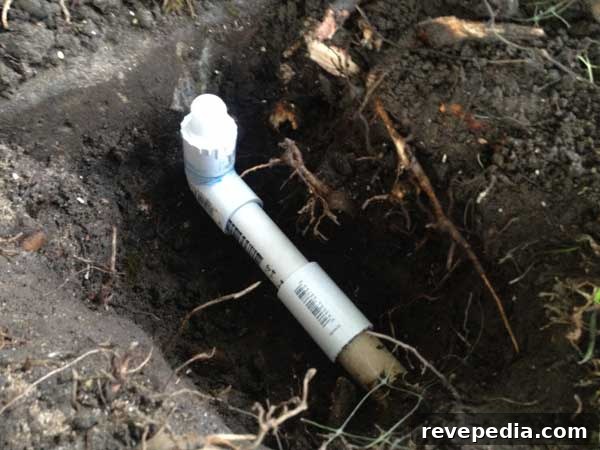
The final step was to screw on the Rain Bird rotor head. I allowed the PVC cement to cure for several hours, then turned the irrigation system on and checked thoroughly for leaks before burying the repaired pipe.
Tree roots in this yard are aggressive, so I hope this won’t recur soon. Still, now that I know the repair process, I can address it quickly if it does.
Within a short time the grass began coming back in the bare spot.