
Dealing with a deceased estate is one of the more difficult responsibilities an executor or family member can face. Besides the emotional burden of losing a loved one, there is often a home full of possessions, furniture, paperwork and household items that require careful attention.
Many inherited properties have been lived in for decades and may need significant work before they are ready for sale, rental or family occupation. While the task can feel overwhelming at first, taking a structured approach can simplify the process and, in many cases, improve the property’s appeal and value.
Below is a practical guide to help you manage a deceased estate more effectively.
What Is a Deceased Estate?
A deceased estate consists of the assets and property left behind when someone dies. The home is often the most substantial part of the estate and typically requires assessment and preparation before any next steps can be taken.
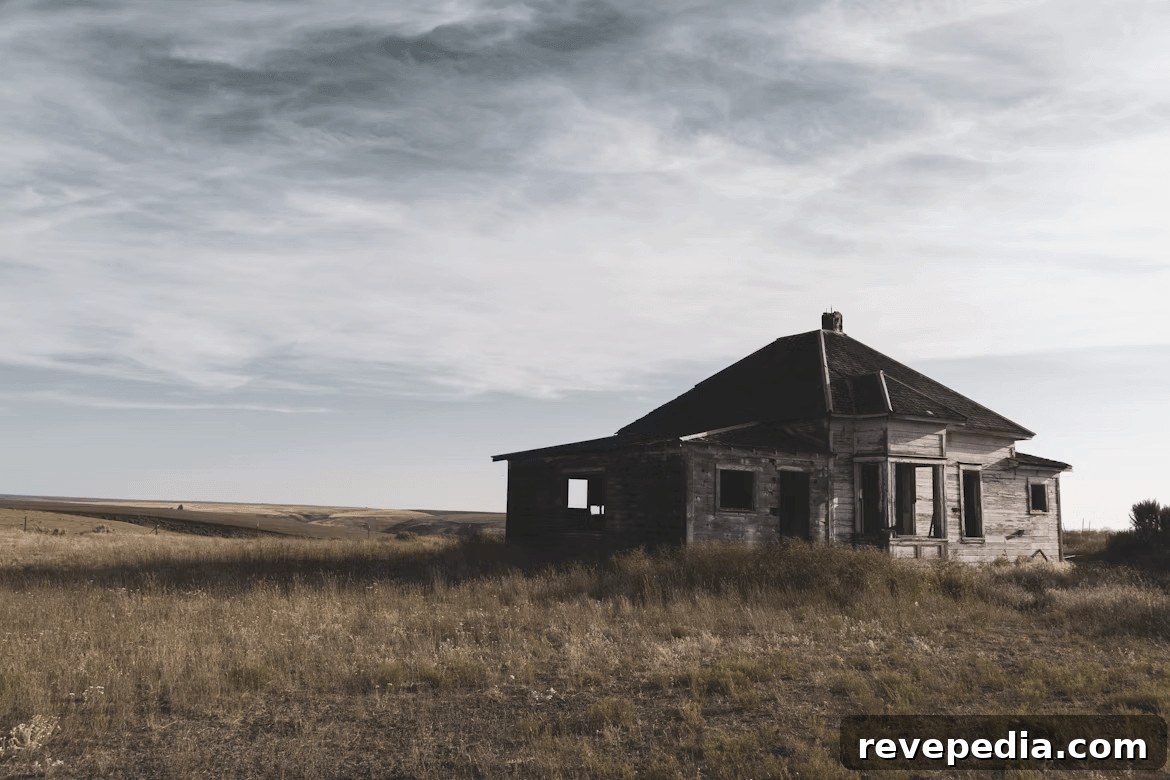
Older homes frequently contain years of accumulated belongings and may show signs of deferred maintenance: outdated fixtures, worn flooring, aging paintwork, and overgrown gardens. Understanding the property’s condition early on helps you plan clean-up, repairs and any improvements needed for sale or reuse.
A thorough deceased estate clean-up is an effective first step to accurately assess the home’s condition and determine priorities.
Where Should You Start When Taking Over a Deceased Estate?
Before removing anything, take a careful inventory of the property’s contents. Begin by locating and securing important documents such as wills, financial records, insurance papers and property titles. Separating and protecting these documents should be a priority.
Next, identify valuables and sentimental items—heirlooms, jewelry, photographs and mementos—and set them aside before any large-scale clearing begins. Working room by room helps keep the process organized, and involving relatives gives everyone the opportunity to claim items they wish to keep.
How Do You Sort Through Years of Accumulated Possessions?
Sorting through a lifetime of belongings can be emotionally taxing. To stay practical, avoid holding on to everything and adopt a simple sorting system. Divide items into four clear categories:
- Keep
- Donate
- Sell
- Dispose
Items not kept can be donated to local charities, sold through online marketplaces or disposed of at the local waste facility. For bulky or damaged items—broken furniture, old appliances or general rubbish—consider hiring a professional removal service to speed up the process and reduce stress.
Which Repairs Should You Prioritise Before Selling the Property?
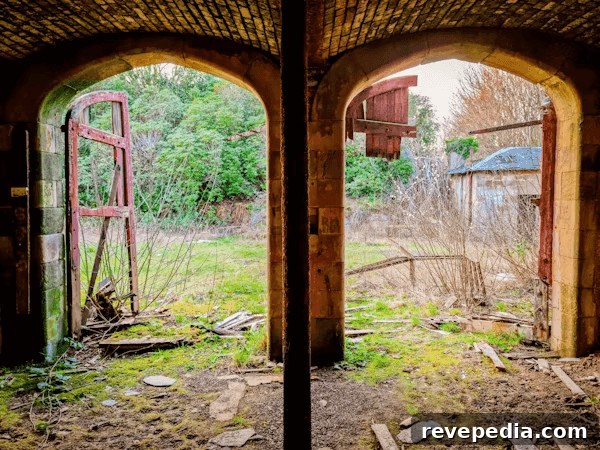
If your plan is to sell, addressing necessary repairs will make the house more attractive to buyers and can increase its market value. Prioritise safety and visible issues that commonly put buyers off, such as:
- Leaking taps or plumbing faults
- Damaged roofing
- Electrical problems
- Broken windows
- Unsafe walkways
- Mould or water damage
Smaller maintenance tasks—gutter clearing, lawn mowing, pressure washing and fence repairs—can also improve kerb appeal. The better the property is maintained, the more favourable the first impression for prospective buyers.
Can Simple Cosmetic Updates Increase a Home’s Value?
Major renovations are not always necessary to improve presentation. Thoughtful, budget-friendly cosmetic updates can have a strong impact. Consider a fresh coat of paint, improved lighting, modern door handles and updated tapware. Refreshing landscaping and decluttering outside spaces also enhances curb appeal.
Replacing worn carpets or polishing timber floors changes how the interior feels. Removing dated curtains, maximising natural light and minimising visual clutter can make rooms appear larger and more inviting—details that often influence buyers’ perceptions.
How Do You Prepare a Deceased Estate for Potential Buyers?
Once cleaning, repairs and updates are complete, prepare the home for inspections. You can hire a professional stylist, but in many cases careful decluttering and thoughtful furniture arrangement are sufficient to present the space well.
Buyers respond positively to homes that feel clean, bright and cared for. Tidy gardens, clean windows and the removal of personal items create a neutral environment where buyers can imagine themselves living. For online listings, invest in high-quality photographs to attract more interest and increase attendance at inspections.
What Common Mistakes Should Families Avoid During the Process?
There are several common mistakes to avoid. Disposing of items too hastily can lead to the loss of important documents, valuables and sentimental possessions. Take time to check thoroughly before discarding anything.
Underestimating the time required is another frequent issue. Even smaller homes may contain decades’ worth of items and paperwork; sorting, deciding and clearing can take weeks, especially if you are balancing work and other commitments.
Finally, skipping necessary repairs can reduce both sale interest and sale price. Minor issues to you can be major concerns for buyers and affect negotiations. Consult a real estate agent if you are unsure which repairs or improvements are most likely to help in your local market.
Handling a deceased estate is rarely simple, but a methodical, patient approach—document security, careful sorting, sensible repairs and thoughtful presentation—will make the process more manageable and help ensure the property achieves its best possible outcome.