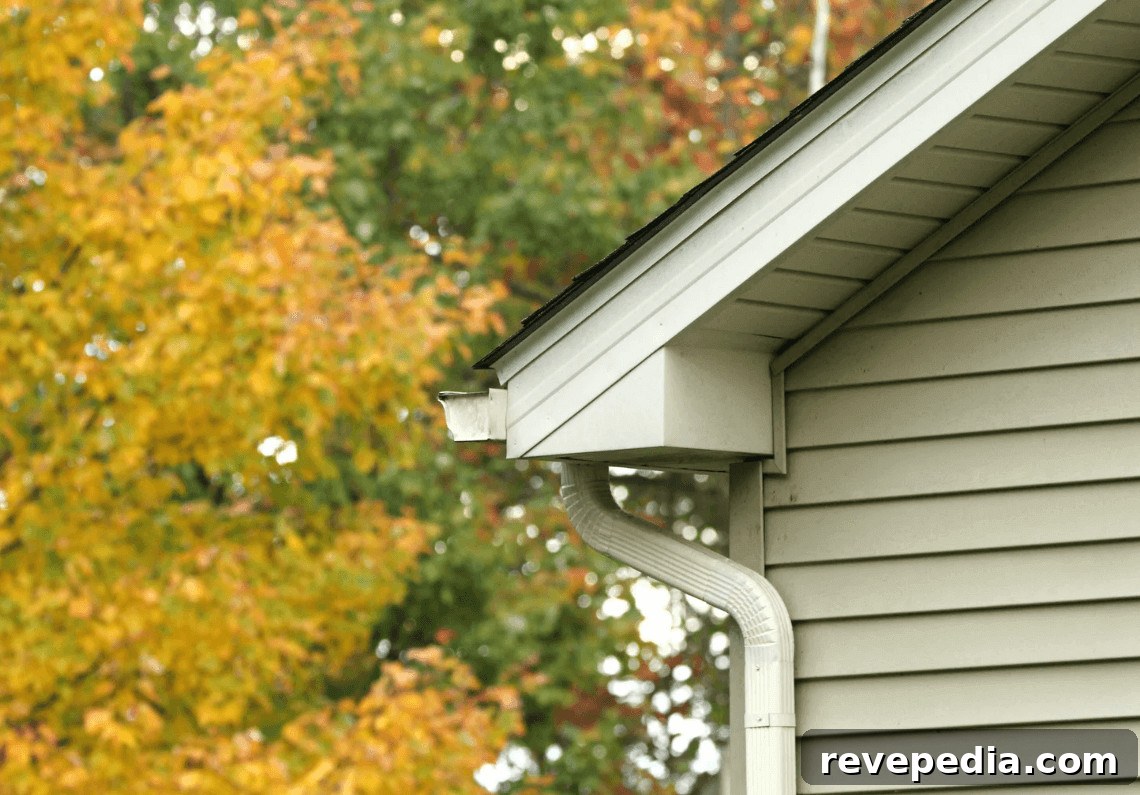
Soffit and fascia are two essential parts of a home’s roofline that often go unnoticed, yet they play a crucial role in ventilation, weather protection, and overall curb appeal.
Common homeowner questions include:
- What are soffit and fascia?
- Where are soffit and fascia located on a house?
- How do soffit and fascia work together?
Knowing the purpose and condition of these components helps homeowners maintain the roof system, prevent damage, and enhance the exterior appearance of their property.
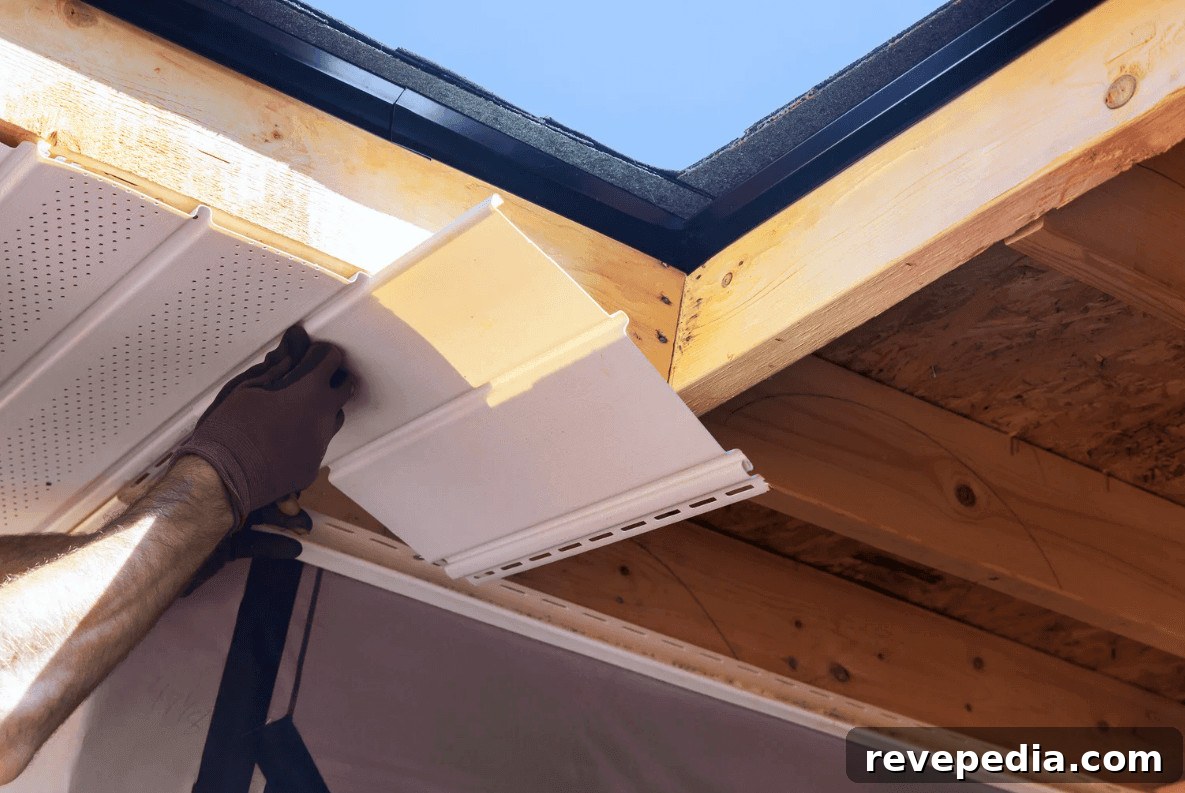
What Is Soffit?
The soffit is the material that covers the underside of the roof overhang, spanning the gap between the roof edge and the exterior wall. It conceals rafters and attic openings while contributing to the roofline’s finished look.
Functions of Soffit:
- Ventilation:
Many soffits incorporate vents that allow fresh air to flow into the attic, helping reduce moisture buildup, lower the risk of mold, and regulate attic temperature. - Protection:
Soffits act as a barrier, keeping insects, birds, and small animals from entering the attic and causing damage. - Aesthetics:
A well-installed soffit provides a clean, polished appearance to the eaves and overall roofline.
Common soffit materials include:
- Aluminum
- Vinyl
- Wood
- Fiber cement
What Is Fascia?
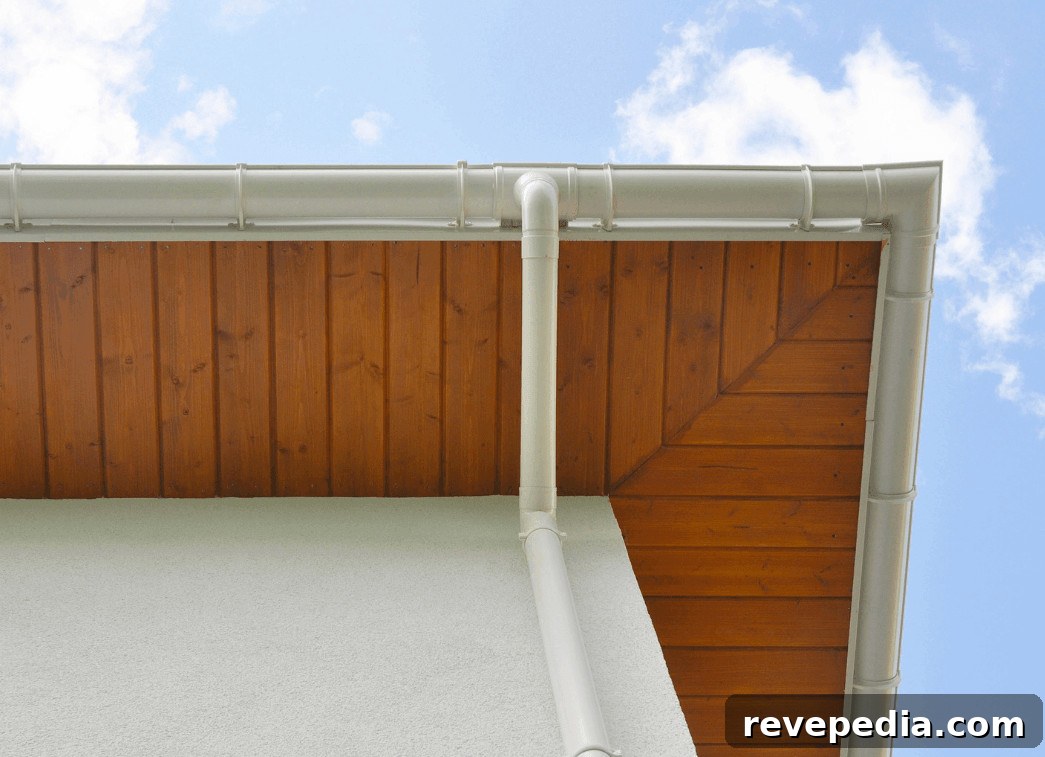
The fascia is the vertical board or trim that runs along the roof’s edge, attached to the ends of the rafters. It creates a defined edge to the roof and serves several practical purposes.
Functions of Fascia:
- Support for Gutters:
Fascia provides a secure mounting surface for gutters, enabling effective rainwater drainage away from the foundation. - Protection:
Fascia protects the exposed ends of roof rafters from direct exposure to water and weather, reducing the risk of rot and structural damage. - Aesthetics:
A properly finished fascia delivers a neat, attractive border to the roofline, improving curb appeal.
Typical fascia materials include:
- Wood
- Aluminum
- Vinyl
- Composite materials
How Soffit and Fascia Work Together
Soffit and fascia are installed as a system to protect the roof and attic while creating a cohesive, finished exterior. The soffit covers the underside of the overhang and allows airflow; the fascia forms the roof edge and supports gutters. Together they:
- Maintain proper attic ventilation, which protects roof decking and insulation;
- Prevent water intrusion and reduce the chance of insect or pest entry;
- Provide a clean, finished appearance along the eaves and roofline.
Correct installation and adequate ventilation are vital for long-term performance and to prevent moisture-related problems such as mold, rot, and ice dam formation in colder climates.
Signs You May Need Soffit and Fascia Replacement
Inspect soffit and fascia periodically for signs that replacement or repair may be necessary. Warning signs include:
- Cracked, split, or rotting wood;
- Peeling or blistering paint on fascia boards;
- Sagging, warped, or detached sections;
- Visible water stains, decay, or evidence of leaks;
- Damage from insects, birds, or small animals;
- Rust, corrosion, or failure of metal components.
Addressing damaged soffit or fascia promptly can prevent more extensive roof or attic issues and preserve the home’s structural integrity.
Benefits of Professional Soffit and Fascia Installation
Hiring qualified contractors for soffit and fascia work provides several advantages:
- Proper installation that ensures adequate ventilation and weather protection;
- Access to durable materials and appropriate finishes that extend service life;
- Reduced risk of water intrusion, mold growth, and pest entry;
- Improved curb appeal and a neat, professional finish along the roofline.
Working with experienced professionals helps ensure the roofline is installed to current building practices and local codes, minimizing future repair needs.
Maintenance Tips
Extend the life of soffit and fascia by following a few practical maintenance steps:
- Inspect these areas at least twice a year and after major storms;
- Keep gutters clean and secure to prevent water overflow against fascia;
- Trim tree branches that rub against eaves and can cause damage;
- Repaint or refinish wooden fascia as needed to protect against moisture;
- Replace damaged vented soffit panels to maintain attic airflow.
Conclusion
Soffit and fascia are small but vital elements of a home’s exterior. They protect rafters and attic spaces, support gutter systems, facilitate ventilation, and improve the roofline’s appearance. Regular inspections, timely repairs, and professional installation when needed will help protect the home, prevent costly repairs, and maintain long-term durability.