Small details can transform a room. Many DIY enthusiasts focus on major renovations like replacing tile, gutting a kitchen, repainting, or installing hardwood floors. But if you want a quick, budget-friendly project that delivers visible results, consider replacing your floor grates. Swapping out basic registers for more attractive options—such as wood, decorative metal, or cast-iron grilles—can significantly elevate a room’s appearance while sometimes improving airflow and functionality.
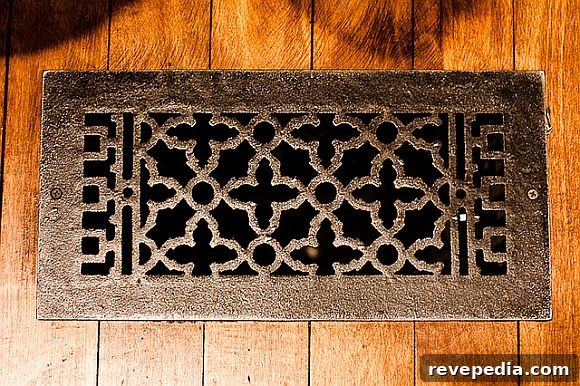
Floor registers come in a range of styles and mounting options, including drop-in and flush-mount designs. Choosing the right grille style and finish helps coordinate with your décor: sleek metal works well in modern interiors, warm wood complements traditional rooms, and antique-style cast iron or reproduction grilles suit period homes perfectly. For older houses aiming for an authentic historical look—Victorian, Craftsman, or mid-century—selecting era-appropriate register designs reinforces the home’s character and adds an enduring, finished touch.
Replacing grates is simple and inexpensive compared with larger remodels. Projects typically involve removing the old register, measuring the duct opening, and installing a new register that fits either directly into the opening or over the floor surface if you prefer a flush appearance. Many modern grilles also offer adjustable louvers to help direct airflow, which can improve comfort and efficiency when paired with thoughtful placement and vent balancing.
Beyond aesthetics and airflow, upgraded registers can improve durability. Cheap stamped-steel grates may bend, corrode, or discolor over time, while solid wood or higher-quality metal grilles resist wear and retain their look. Decorative finishes—brass, bronze, black, or painted wood—allow you to coordinate registers with hardware, baseboards, or flooring, making the detail feel intentional rather than an afterthought.
If you live in a historic home, look for manufacturers that specialize in antique reproductions or cast-iron designs to preserve authenticity. For contemporary spaces, minimalist or industrial-style grilles can add a sleek, tailored feel. Consider grille placement and the direction of louvers to maximize comfort: registers near windows or doors may benefit from adjustable vents to counter drafts or concentrate warmed air in commonly used areas.
Have you updated the registers in your home? Many homeowners notice both a style upgrade and subtle improvements to airflow after installing new grilles. Whether you choose a modest metal upgrade or a handcrafted wooden register, this small change can refresh a room, complement larger renovations, and deliver an impressive return for minimal time and cost.
Photo: Flickr.com/wadem