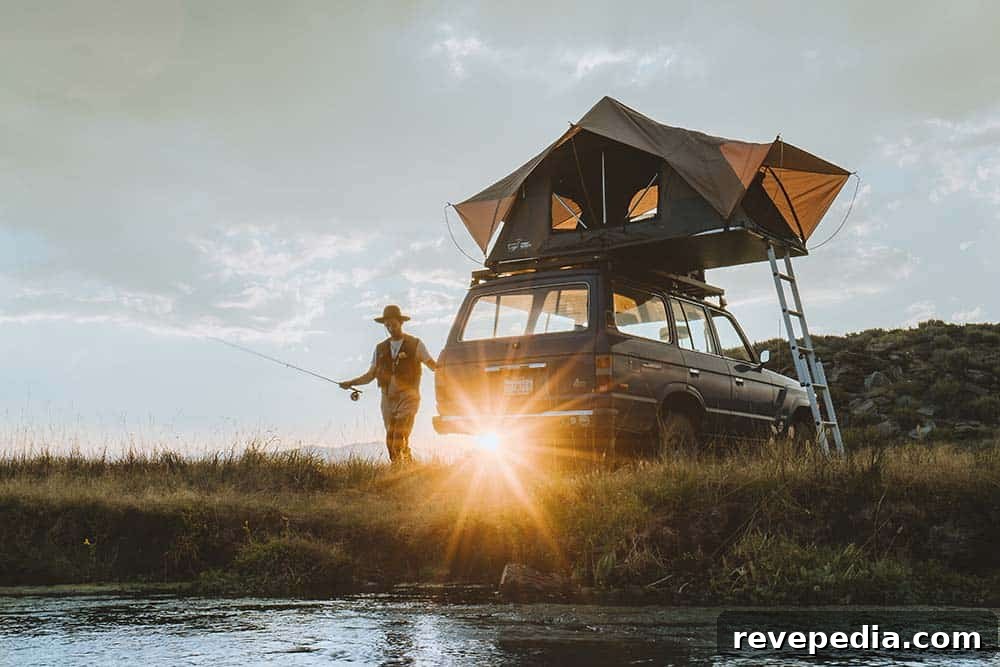
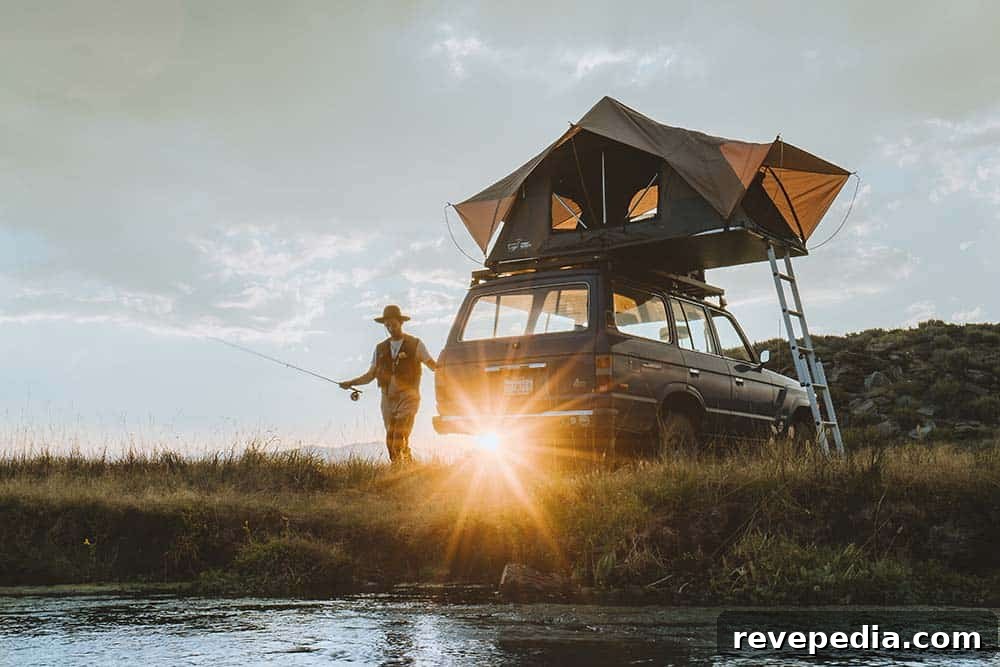
Rooftop tents have become a defining trend in modern camping. For many outdoor enthusiasts they offer instant style and practicality, but they also come with trade-offs. If you’re deciding whether to invest in a rooftop tent or stick with a conventional ground tent, understanding the advantages and limitations of each will help you choose the right setup for your trips.
Rooftop Tents
Once a niche option for overland and adventure travelers, rooftop tents have surged in popularity in recent years. Major outdoor brands now offer models, signaling that rooftop tents will appear more frequently on cars and trucks at campgrounds and scenic overlooks.
Part of the appeal is emotional: a rooftop tent turns your vehicle into a treehouse-like sleeping platform, offering a unique perspective and often spectacular views. Sleeping elevated feels different from pitching a tent on the ground, and many campers enjoy that novelty and the clearer sightlines to the surrounding landscape.
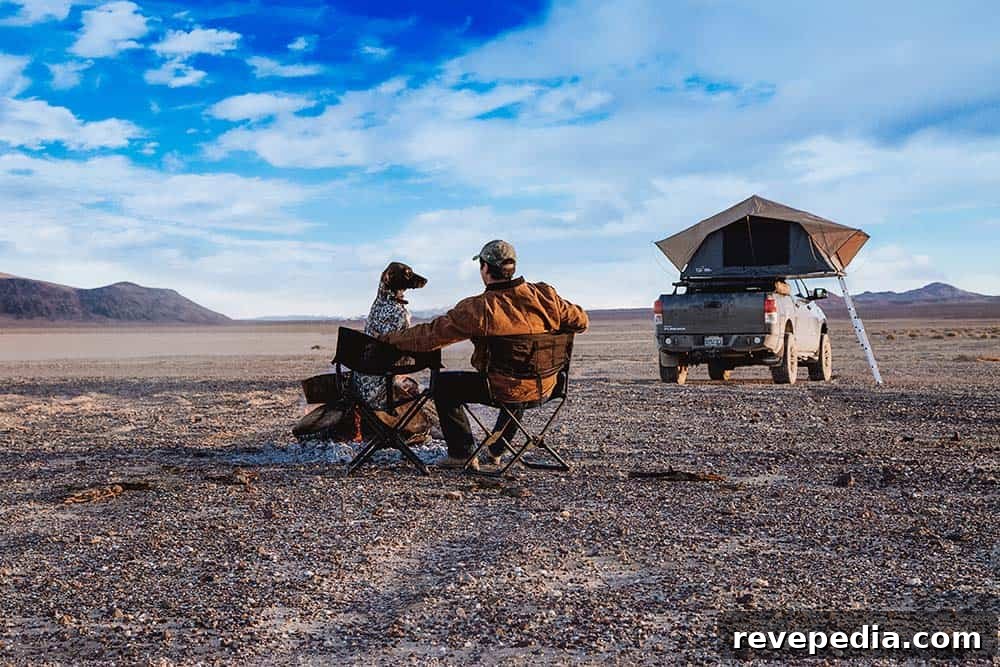
Beyond the romance of the experience, rooftop tents deliver practical benefits. Elevation means you avoid sleeping on cold, wet, or rocky ground and reduce encounters with crawling insects and small animals. Rooftop tents can simplify site selection since uneven or muddy terrain is less of an issue when your sleeping platform is mounted to your vehicle.
Rooftop tents are also fast to deploy. Many models require only removing a cover and releasing a few straps before the tent unfolds. Some campers keep bedding stored inside the tent, so they can climb in and sleep almost immediately after arriving at a site — a big advantage when setting up after dark.
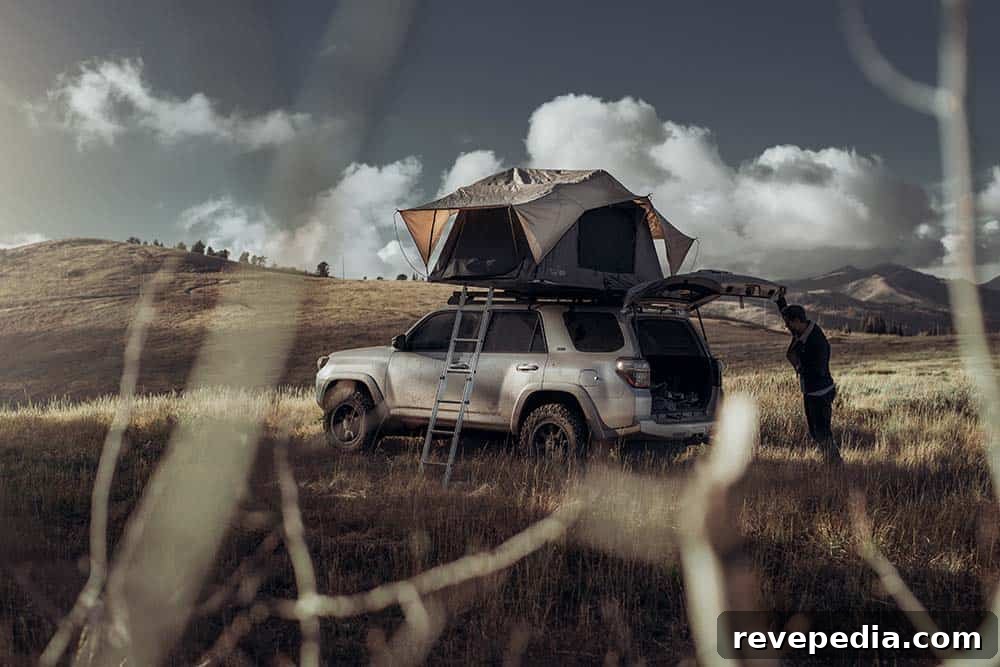
Hard-shell rooftop tents offer even quicker opening and closing compared with soft-canvas designs. They tend to provide a lower internal volume and slightly less headroom, but they are often simpler to operate and some designs allow additional gear to be mounted on top of the hard shell. Soft-canvas models generally provide more interior space but require a little more care when packing and covering.
Ground Tents
Ground tents have also evolved significantly. Modern materials and pole designs have made many models easier and faster to pitch than ever before. Lighter fabrics and streamlined frames have broadened the range of options, from ultralight backpacking tents to large family-style shelters.
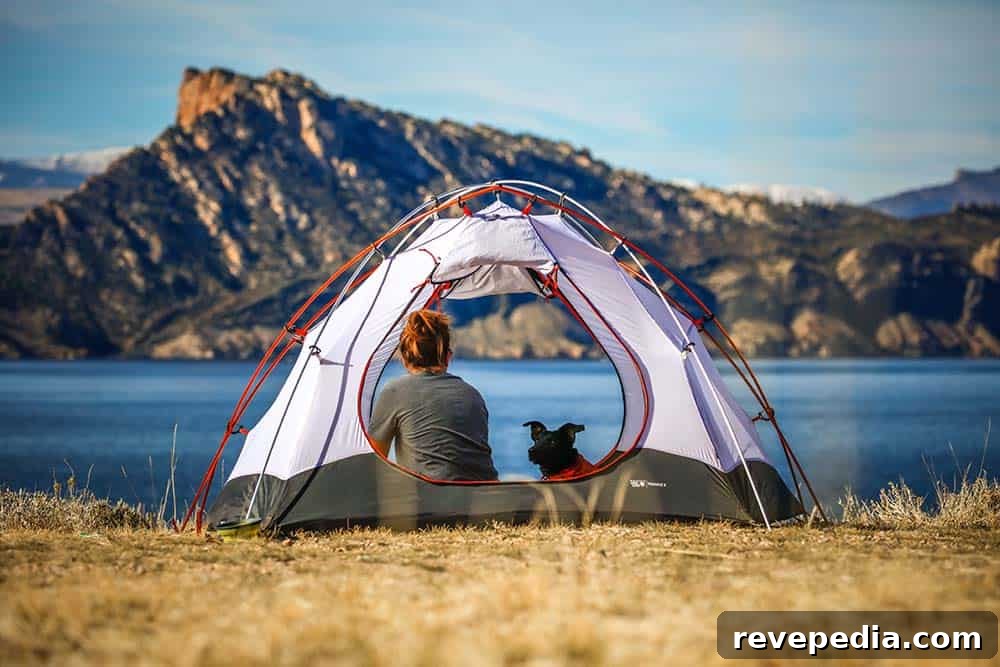
Some contemporary ground tents feature integrated poles or pop-up mechanisms that greatly simplify setup, which is especially helpful in low light or when you want to get settled quickly. There are also large walk-in tents that serve as comfortable base camps, able to accommodate queen-sized air mattresses, cots, and storage for multiple people.
Ground tents give you the freedom to leave your campsite and explore without packing your sleeping area away. Since rooftop tents are attached to your vehicle, they must be closed and secured before driving off, which can limit spontaneous day trips away from camp unless you bring an alternate shelter.

However, ground tents are more exposed to weather and ground conditions. Heavy rain, poor drainage, wind, and uneven rocky surfaces can make ground camping uncomfortable or even hazardous. Proper site choice, a durable groundsheet, and a quality rainfly help, but the ground remains a variable you must manage.
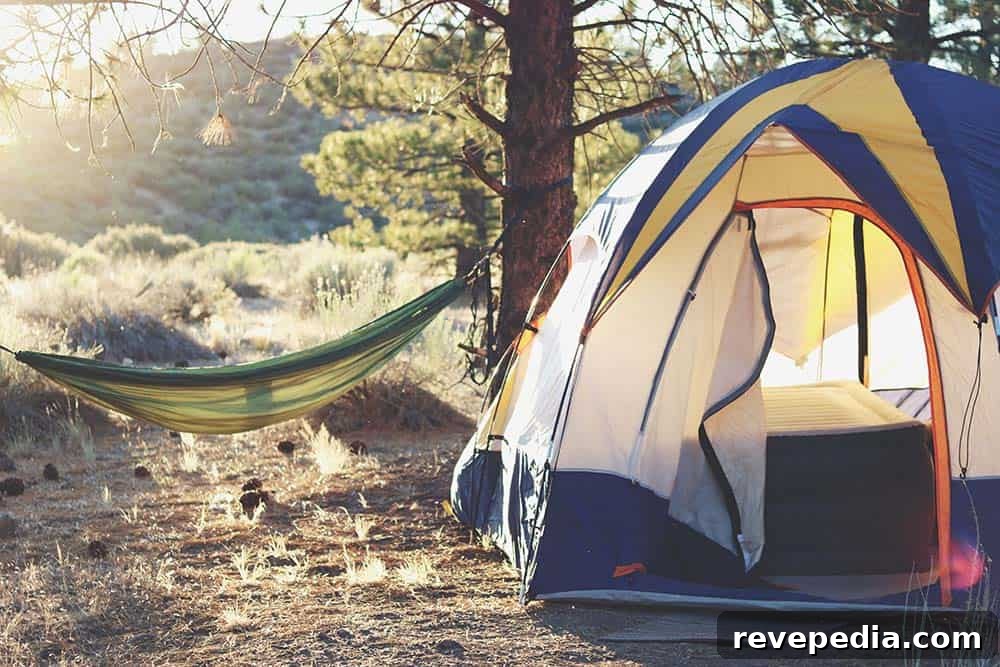
Before committing to a rooftop tent purchase, try one out. Many retailers display rooftop tents so you can climb in and evaluate comfort and access, and borrowing a friend’s setup for an overnight trip gives a realistic sense of whether the elevated sleep experience suits you. Testing in real conditions helps decide if the convenience and views outweigh the cost and vehicle dependency.
There’s also a practical compromise: owning both types of tents. A rooftop tent makes quick, comfortable overnights easy, while a ground tent gives flexibility to leave camp and to choose different sleeping arrangements when desired. For many campers, that combination covers a wide range of adventures and preferences.
Ultimately, the best choice depends on your priorities: comfort and quick setup with a rooftop tent versus flexibility, lower cost, and a wider range of options with ground tents. Consider how you camp, where you go, and how much you travel with your vehicle to determine which tent style fits your outdoor lifestyle.