If you haven’t already put your lawnmower away for the season, now is a good time to prepare it for storage so it stays in excellent condition through the colder months. Proper winterizing preserves engine components, prevents corrosion, and makes the mower easier to start and use when spring arrives. Below are practical steps you can follow to store your mower safely and effectively.
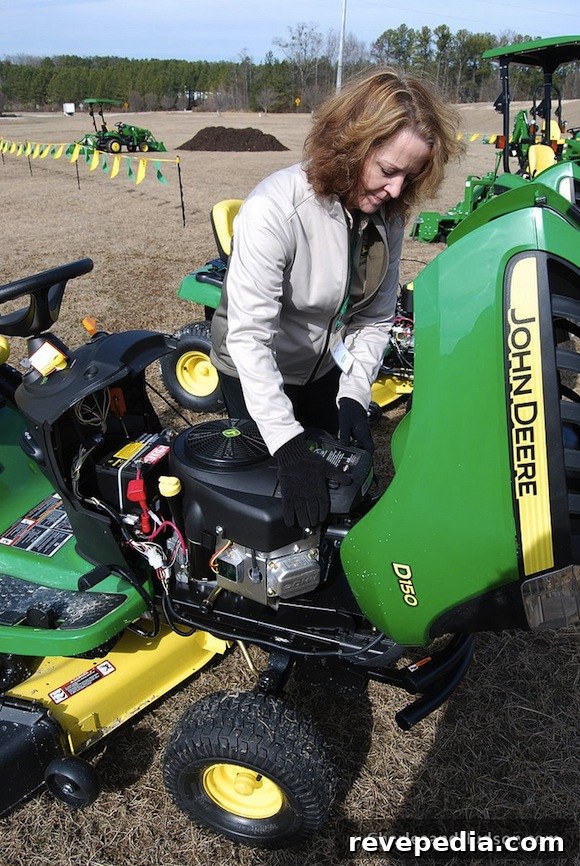
1. Empty the fuel
Gasoline left in the tank and fuel lines can degrade over time and cause clogs, varnish, or gum buildup in the carburetor. The safest approach is to run the mower until the tank and carburetor are empty, or drain the fuel into an approved container. If you prefer to leave fuel in the machine, use a quality fuel stabilizer designed for small engines and follow the product instructions. Stabilized fuel will reduce the chance of stale fuel damaging the system.
2. Clean the mower thoroughly
After removing fuel or adding stabilizer, clean the mower’s exterior, deck, and undercarriage. Use a hose and a stiff brush to remove grass clippings, dirt, and debris that collect beneath the deck and around moving parts. Clearing buildup helps prevent rust and ensures proper airflow, which reduces moisture retention and corrosion while the mower is stored. Avoid spraying water directly into the engine area; instead, protect the air intake and electrical components.
3. Remove, inspect, and sharpen the blade
Take off the blade to inspect it for damage, bends, or excessive wear. Sharpen the blade before storing or replace it if it shows significant damage. A sharp, balanced blade reduces strain on the engine and produces a cleaner cut when you resume mowing. While the blade is off, check the blade mounting area for debris and clean as needed, and be sure to tighten the blade securely when reinstalling.
4. Change the oil and service the fuel filter
Like any small engine, your lawnmower benefits from regular oil changes. Old oil can contain contaminants that harm internal components over time. Change the oil following the manufacturer’s recommended intervals and replace the oil filter if your model has one. Also inspect and replace the fuel filter if it appears dirty or clogged. Fresh oil and a clean fuel filter help maintain reliable starting and efficient performance after storage.
5. Replace the spark plug
Spark plugs on lawnmowers generally last around 100 hours of operation, but replacing them annually is a simple, cost-effective way to ensure dependable starts. A fresh spark plug delivers a stronger, more consistent spark, improving combustion and reducing hard-start issues. While changing the plug, check the ignition system for loose connections or corrosion and correct any problems.
6. Additional maintenance steps
Beyond the major tasks above, consider these extra steps to further protect your mower during storage:
- Disconnect the battery on electric-start models or maintain it with a trickle charger to prevent discharge and sulfation.
- Lubricate moving parts such as wheel bearings, throttle linkages, and pivot points to prevent rust and stiffening.
- Inspect belts and cables for wear or cracking and replace parts showing damage to avoid failures when you next use the mower.
- Store the mower in a dry, covered location away from direct moisture and extreme temperature swings; a shed or garage is ideal.
- Place the mower on a stable, level surface and, if possible, elevate the wheels slightly to reduce tire flat spots during long storage periods.
7. Final checks before storing
Once maintenance tasks are complete, give the mower one final inspection. Look for loose bolts or fasteners and tighten as needed. Confirm that the air filter is clean or replaced, and cap openings to prevent rodents or insects from nesting inside the engine compartment. Label the mower with the date of service so you know what work was done when you bring it out of storage.
When to store and when to keep mowing
If your yard still needs attention before temperatures drop, you can delay storage until the final mowing is complete. Otherwise, follow the guidelines above and put the mower away once the season ends. Proper winterization reduces the chance of corrosion, fuel-related problems, and mechanical failures, so you’ll spend less time on repairs and more time enjoying a healthy lawn when the weather warms.
Whether your mower is already stowed away or you’re waiting for one last pass around the yard, taking these steps will help ensure it returns to service in top condition when spring arrives.