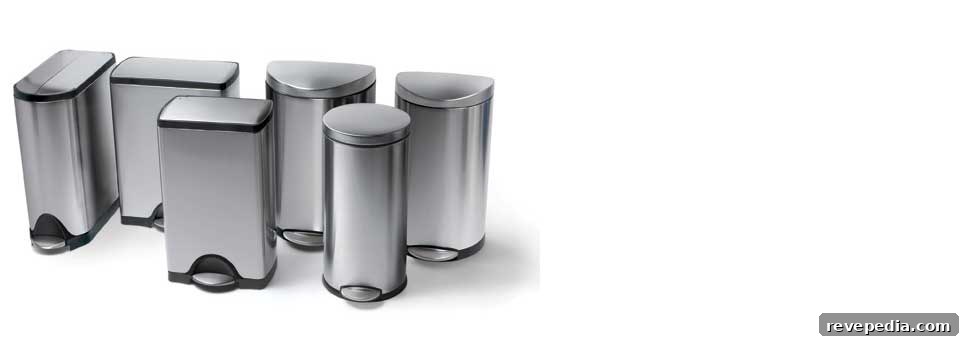
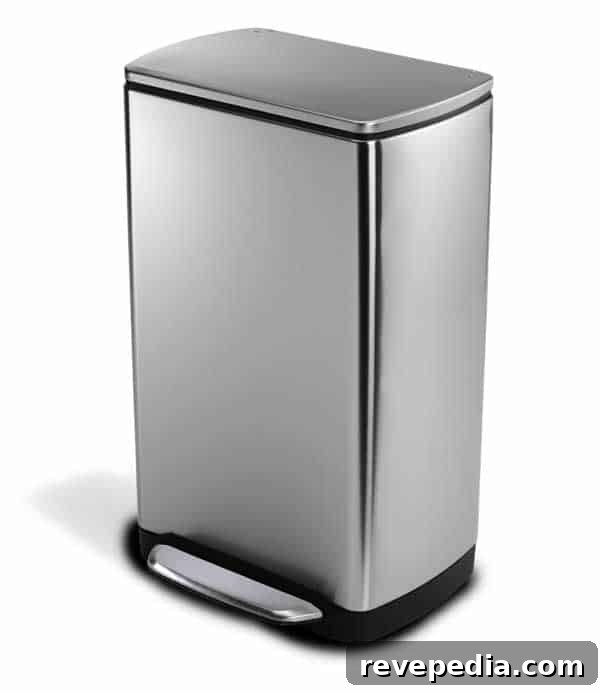
Last month we were invited to visit simplehuman’s design and R&D facility in Los Angeles. Known for their elegant stainless steel trash cans and thoughtfully designed home products, simplehuman asked us to see firsthand how they develop items that blend striking aesthetics with practical functionality.
simplehuman is a privately held company focused on reimagining everyday utilitarian objects—trash cans, soap dispensers and other household essentials—by refining designs and adding useful technology. Their mission is to elevate ordinary products so they work better and look better in modern homes.
We spent a full day behind the scenes, speaking with the leadership team including founder and CEO Frank Yang, who walked us through the company’s creative process: how ideas are conceived, how designers brainstorm and iterate, how prototypes are tested, and how final products are refined for consistent quality.
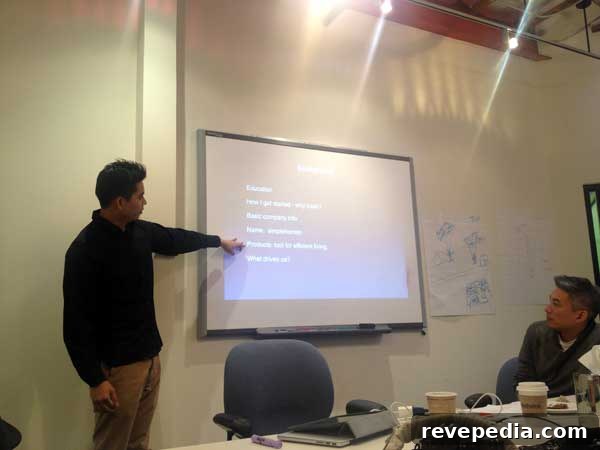
Frank Yang started simplehuman straight out of college and built a small, talented team centered on design excellence and strong customer service. Their approach places them at the forefront of premium home products. The brand’s packaging—sleek white or black boxes with clear product photos and large, readable highlights—signals a consistent, premium identity. Creative director Paul Hamburger has played a central role in elevating everyday items into refined design objects.
simplehuman products aren’t just about polished stainless finishes. Their engineering focuses on how things actually work. Turn one of their step-cans over and the quality of the mechanisms becomes obvious: lids open and close with controlled, smooth motion, and components are designed for longevity. I recently disassembled my own simplehuman step can to clean it thoroughly and was impressed by how easy it was to take apart and how robust the internal levers and bars felt.
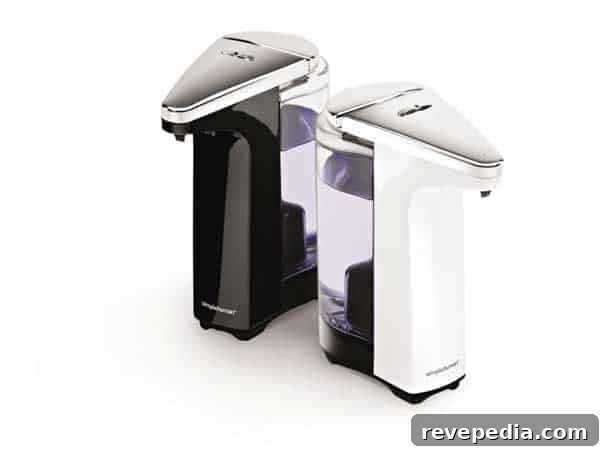
Beng Liu, who leads quality control, described the extensive testing their team performs—particularly for soap pumps. Since hand soaps vary widely in viscosity and thickness, designing an automatic dispenser that reliably handles many formulas requires exhaustive testing and iteration. The result is dispensers that work with virtually any soap most consumers use, a testament to simplehuman’s commitment to rigorous validation.
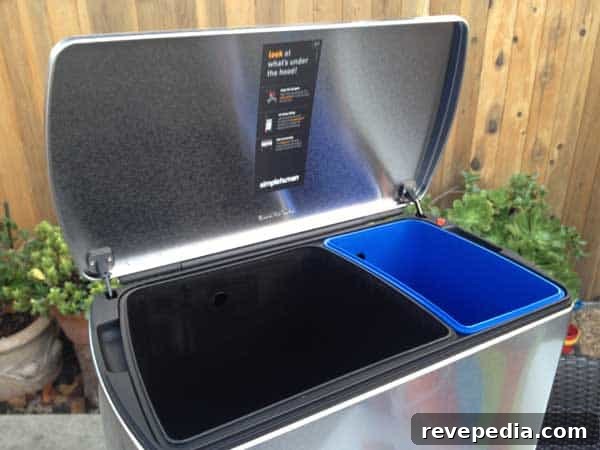
At home we own two generations of simplehuman step cans and a smaller can that we’ve used for many years. These were the only kitchen and bathroom items we brought when we relocated from New York to Los Angeles because we trusted their durability and functionality. The step cans have proven resilient through daily use, and our newest model includes a dedicated section for recyclables—an elegant, built-in solution that replaces the earlier habit of hanging a shopping bag for bottles and cans.
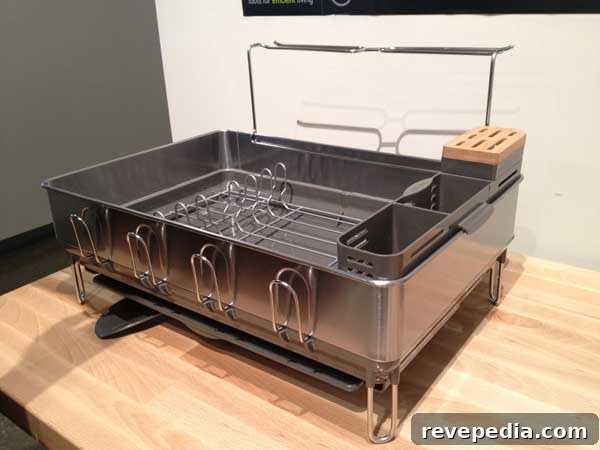
Over the coming year we’ll share more insights about the simplehuman brand and highlight new products such as their automatic hand pumps and the sensor mirror. These items showcase the company’s continued focus on blending functional engineering with refined aesthetics, producing household products that are both useful and visually pleasing.
Do you own any simplehuman products? We’d love to hear which items you rely on every day and how they’ve held up in regular use.