Lowe’s recently published a comprehensive smart home study based on responses from more than 2,000 adults across the United States. The research explored which home technologies matter most to people and what features homeowners want most as smart devices become increasingly common.
Overall, the survey found that a majority of Americans consider having a smart home important. Yet beneath that broad approval, there are clear priorities and specific features that stand out on homeowners’ wish lists. Understanding these priorities helps manufacturers, retailers, and homeowners focus on devices and systems that deliver real value, convenience, and peace of mind.
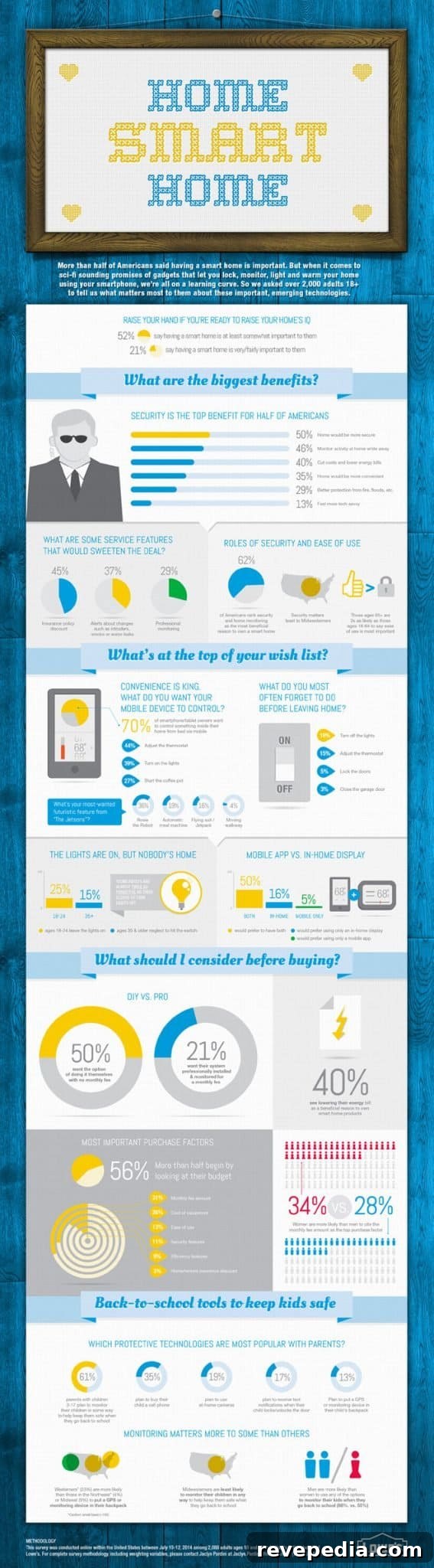
The study highlights several themes that repeatedly surfaced in respondents’ answers. Security and safety top the list: many homeowners prioritize smart door locks, video doorbells, and integrated security systems that can be monitored remotely. These devices offer tangible benefits, such as real-time alerts, remote access, and recorded footage, which give users a stronger sense of control over their home environment.
Energy efficiency and cost savings also emerged as critical concerns. Smart thermostats, lighting systems, and energy monitors are popular because they help reduce utility bills and encourage more sustainable energy use. Respondents appreciate features like scheduling, occupancy sensing, and usage reports, which can make it easier to identify waste and optimize consumption without significant lifestyle changes.
Another consistent preference is for convenience: homeowners want smart devices that simplify daily routines. Voice-controlled assistants, integrated systems that work seamlessly together, and automation routines (for example, lights, shades, and climate responding to a single command) are highly valued. People want solutions that are intuitive and reduce friction rather than adding complexity.
Interoperability and compatibility are recurring issues. While many respondents are eager to adopt smart home technology, they express frustration when devices from different brands don’t work together smoothly. The desire for a cohesive ecosystem—one that supports multiple devices and platforms without constant troubleshooting—was a major takeaway from the study. Consumers prefer solutions that are future-proof, with regular software updates and broad support across ecosystems.
Privacy and data security are also top of mind. As devices collect more personal and household data, homeowners want clear, straightforward policies about how their information is used and protected. Transparent privacy controls, local data storage options, and strong encryption are among the features that build trust. The study shows that even enthusiastic adopters will hesitate if they feel their privacy is at risk.
Design and aesthetics matter too. Many respondents emphasized that smart devices should blend into the home rather than dominate it. Preference leans toward sleek, unobtrusive hardware and customizable interfaces that match different interior styles. Devices that are easy to install and maintain were also favored, particularly among homeowners who prefer DIY upgrades over professional installation.
Price and perceived value remain practical considerations. While a segment of consumers is willing to invest in high-end systems, many prioritize affordable, entry-level products that deliver clear benefits. Bundles and starter kits—offering a package of core functionalities—appeal to buyers who want to try smart home technology without upfront complexity or excessive expense.
The Lowe’s study also points out generational differences in priorities. Younger homeowners tend to emphasize connectivity, automation, and integration with mobile apps and streaming services, while older homeowners often place higher value on safety, reliability, and straightforward controls. Retailers and manufacturers can use these insights to tailor products and marketing to different age groups.
Finally, the study reinforces that education and support matter. Consumers reported greater confidence in adopting smart home technology when retailers offered clear guidance, in-store demonstrations, and accessible online resources. Ongoing customer support and simple troubleshooting guides help sustain long-term satisfaction and reduce returns or abandoned setups.
In summary, while more than half of Americans consider a smart home important, their preferences are focused and practical. Security, energy efficiency, convenience, interoperability, privacy, design, and affordability lead the list of priorities. These findings provide a roadmap for companies and homeowners seeking to invest in smart home solutions that feel intuitive, secure, and genuinely useful in everyday life.