
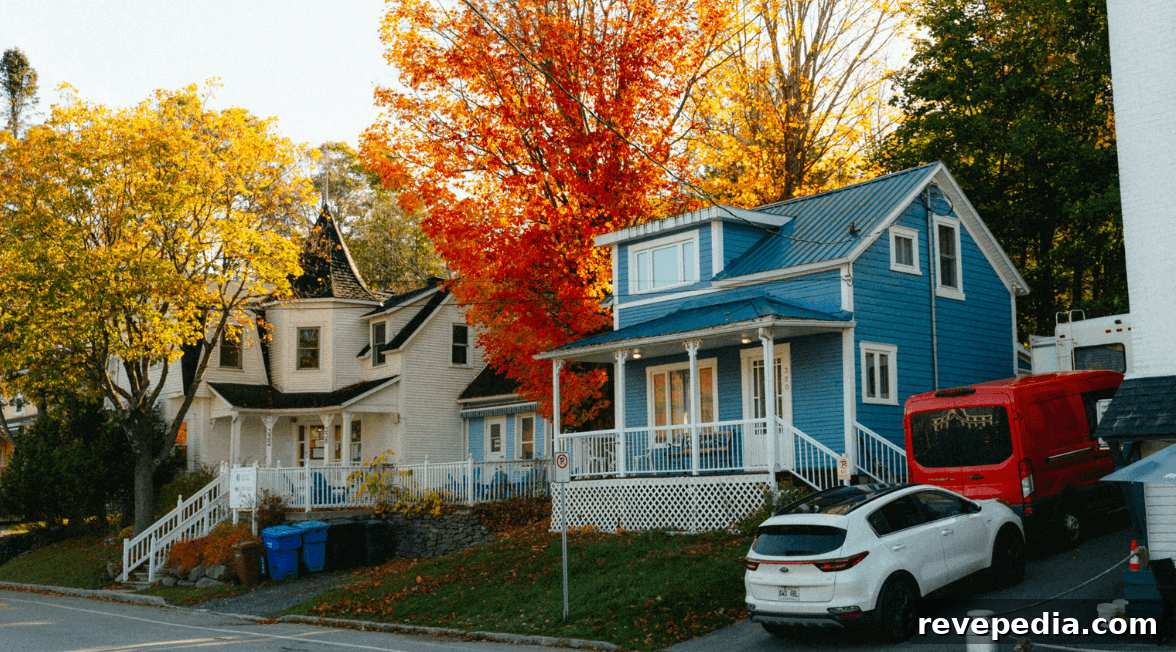
Cold weather places unique demands on a home. Freezing temperatures, heavy snowfall, and persistent moisture affect windows, insulation, exterior materials, lawns, and outdoor surfaces. In regions with wide seasonal swings—such as many parts of Canada—homeowners benefit from thoughtful maintenance and targeted upgrades that improve comfort, reduce energy use, and preserve curb appeal.
The following practical improvements focus on durability, energy efficiency, and year‑round livability. They prioritize actions that prevent damage, save money over time, and keep the property looking its best throughout changing seasons.
Stay Comfortable Year-Round With Better Windows and Doors
Upgrading windows and exterior doors is one of the most effective ways to stabilize indoor temperatures and reduce heating and cooling costs. Older units and poorly sealed frames allow warm air to escape in winter and let heat in during summer, forcing HVAC systems to work harder.
When choosing replacements, look for products with proven energy‑efficiency ratings, durable materials that stand up to freeze‑thaw cycles, and professional installation that includes proper sealing and flashing. Well‑installed, efficient windows and doors reduce drafts, improve comfort, and can lower monthly energy bills.
Maintain a Healthy Lawn With Seasonal Care
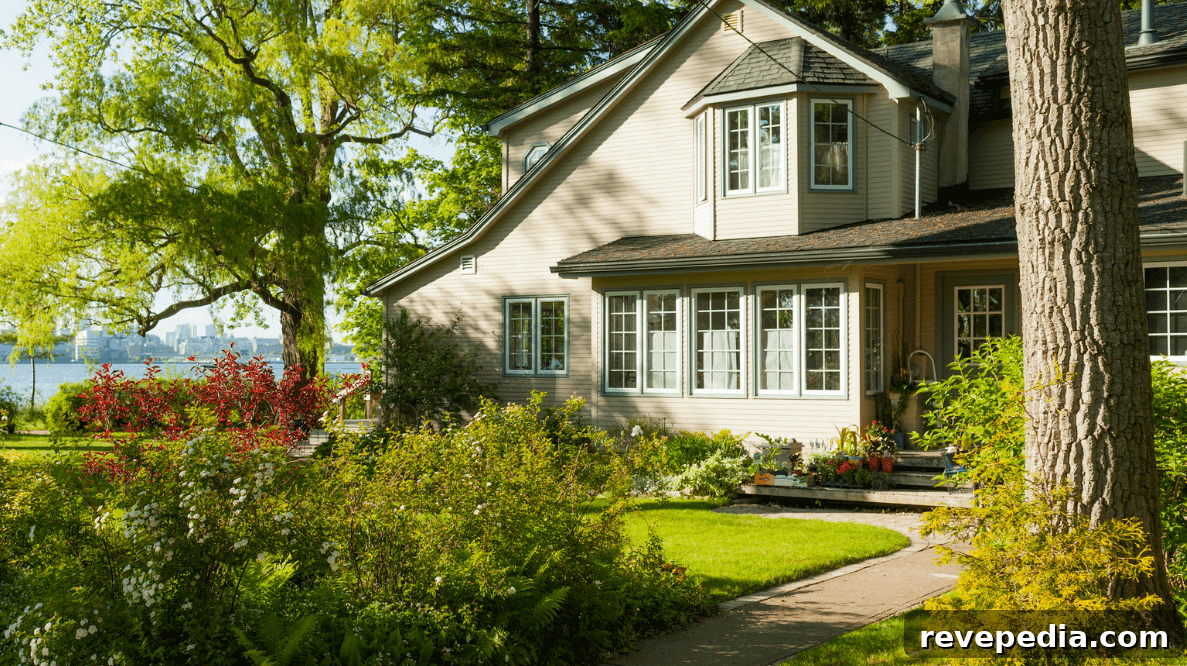
A well‑maintained lawn enhances curb appeal and creates a welcoming outdoor space. Seasonal routines—spring cleanup, regular summer mowing and edging, and fall aeration or overseeding—help turf recover from harsh winters and remain resilient throughout the growing season.
Homeowners who prefer professional assistance should evaluate local service providers based on reputation, scope of services, and the specific needs of their property. Regular care reduces long‑term maintenance and preserves the visual and functional quality of outdoor spaces.
Improve Insulation to Reduce Energy Use
Proper insulation is critical in cold climates. Attics, exterior walls, basements, and crawl spaces are common sources of heat loss in older homes. Inadequate insulation creates uneven room temperatures and forces heating systems to run longer.
Conducting an insulation assessment can reveal gaps, settling, or missing insulation. Adding or upgrading insulation where needed helps maintain a consistent indoor climate, reduces energy consumption, and eases the strain on heating and cooling equipment.
Seal Drafts Before Temperatures Drop
Tiny gaps around window frames, exterior doors, vents, and utility penetrations allow conditioned air to escape and unconditioned air to enter. Sealing these openings is an inexpensive yet effective way to boost comfort and efficiency.
Apply weatherstripping to moving parts and use caulk for stationary gaps. Inspect seals annually and replace worn materials. Combined with improved insulation, thorough air sealing significantly lowers heat loss and improves indoor comfort.
Refresh Exterior Surfaces for Longevity
Exterior finishes take a beating from snow, rain, wind, and sunlight. Peeling paint, cracked siding, and damaged trim not only reduce curb appeal but can allow moisture to penetrate structural elements.
Regular exterior inspections—especially after winter—allow homeowners to address small issues before they become costly repairs. Use paints and finishes formulated for local climate conditions, and repair or replace damaged materials promptly to protect the underlying structure.
Protect the Home with Effective Drainage
Spring snowmelt and heavy rainfall can create drainage challenges that lead to foundation and basement moisture problems. Clogged gutters, misdirected downspouts, and low spots near the foundation are common contributors.
Maintain clean gutters and ensure downspouts direct water well away from the house. Grade soil so water flows away from foundations, and inspect the perimeter after storms for signs of pooling. Good drainage reduces the risk of water damage and costly remediation.
Switch to Energy‑Efficient Lighting
Upgrading to LED lighting reduces electricity use and offers long bulb life, making it a practical improvement for any home. Focus on frequently used interior fixtures and outdoor lighting near entries, walkways, and driveways.
Energy‑efficient lighting improves visibility during long winter evenings, enhances safety around the home, and contributes to lower utility bills.
Make Outdoor Spaces Functional and Low‑Maintenance
Well‑kept patios, paths, garden beds, and driveways increase the home’s usable space and aesthetic appeal. In climates with snow and ice, durable, slip‑resistant surfaces and easy‑to‑clear pathways are especially important.
Choose low‑maintenance planting schemes and durable materials for high‑traffic areas to minimize seasonal upkeep while keeping outdoor spaces comfortable and inviting during warmer months.
Follow a Seasonal Maintenance Routine
Routine seasonal inspections and tasks keep small issues from escalating. In spring, check for winter damage and clear debris. Summer is ideal for exterior repairs and landscaping. In fall, clean gutters, inspect weatherstripping, and prepare systems and outdoor areas for cold weather.
Create a checklist that covers windows, doors, insulation, drainage, and lawn care. Regular attention makes it easier to spot problems early and schedule repairs before they become urgent.
Invest in Improvements That Deliver Long‑Term Value
Home improvements don’t have to be completed all at once. Prioritize projects that improve comfort, safety, energy efficiency, and structural integrity—such as correcting drainage issues, repairing exterior materials, and addressing drafty windows—before pursuing cosmetic upgrades.
Compare products and contractors, evaluate lifecycle maintenance costs, and plan projects according to budget and urgency. Thoughtful planning helps ensure that upgrades offer durable, cost‑effective benefits for years to come.
By focusing on insulation, air sealing, drainage, exterior care, and strategic upgrades, homeowners in cold‑climate regions can protect their property, lower energy use, and enjoy a more comfortable, attractive home through every season.