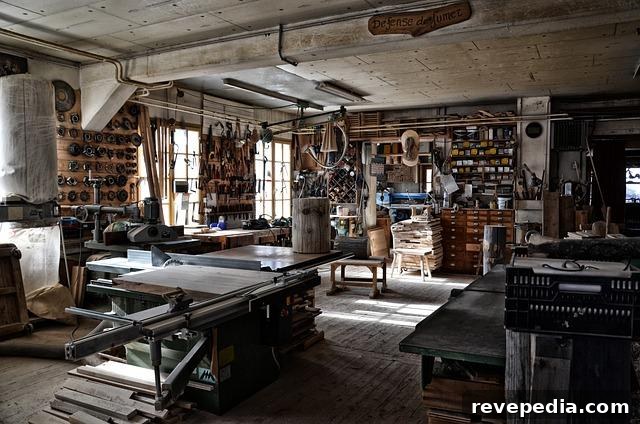
Running a busy professional workshop teaches one clear lesson: efficiency matters. When tools, materials, and people are all moving at once, even small delays can ripple through the entire operation.
You don’t need a commercial shop to apply these lessons. Many of the strategies used in high-traffic workshops can make a home workshop more organized, safer, and more productive.
If your garage or workspace feels cluttered or hard to manage, a few targeted changes can make a big difference. The suggestions below adapt proven systems from high-output shops to help you streamline a residential workspace, whether that’s a garage, basement, or dedicated shed.
Here are the key areas where improvements deliver the most impact.
1 Optimize the Physical Space for Maximum Throughput
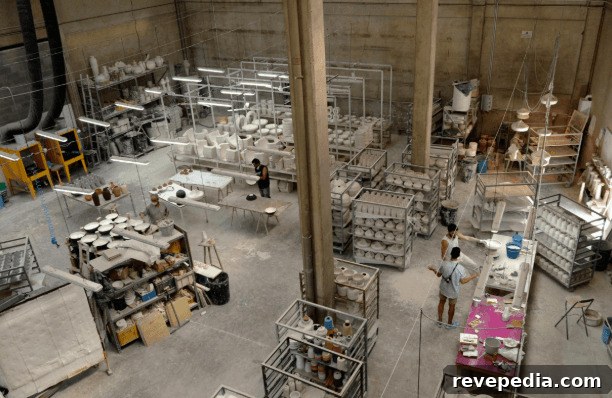
When a shop opens and everyone gets to work, a jammed aisle or a misplaced cart can halt productivity and create hazards. Optimizing your layout is the foundation of an efficient workspace: the goal is to move people, tools, and materials quickly without creating safety risks. This is especially important in small home workshops.
Start by mapping how you move through your space while working on typical projects. Identify tight spots where movement feels restricted and clear those areas. Even modest adjustments—relocating a bench, shifting storage, or angling a tool cabinet—can noticeably improve flow in a garage or basement.
Keep pathways open and exits accessible. In many jurisdictions, commercial layouts must comply with fire codes and accessibility standards; while home workshops aren’t always bound by those same rules, adopting similar practices is wise. Aim for clear walkways and unobstructed emergency access where possible.
Organize your workshop into simple zones: storage, active work, and cleanup. Place frequently used tools and materials within easy reach to avoid constant stopping and searching. Use flexible furniture such as rolling carts, mobile tool chests, or foldable tables so your workspace can adapt to different projects and free up floor space when needed.
2 Implement Frictionless Security and Safe Storage
High-traffic facilities balance security with efficiency because they handle valuable tools, expensive materials, and sensitive work. While a home shop doesn’t require industrial screening systems, you can apply the same principle: protect your tools and control access without adding friction to your workflow.
Store sharp tools, power equipment, and hazardous materials securely when not in use—lockable cabinets or dedicated high shelves keep items out of reach of children and visitors and reduce the risk of accidents. Label storage clearly so everyone knows where items belong and can return them quickly after use.
Keep entry points tidy and free from clutter to maintain smooth entry and exit flow. Small habits—returning tools after use, wiping surfaces, and clearing off passageways—prevent bottlenecks and make your space safer. Consider simple measures such as cabinet locks, labeled bins, and a regular tidy-up routine to preserve both security and accessibility.
3 Modernize Inventory Control to Prevent Bottlenecks
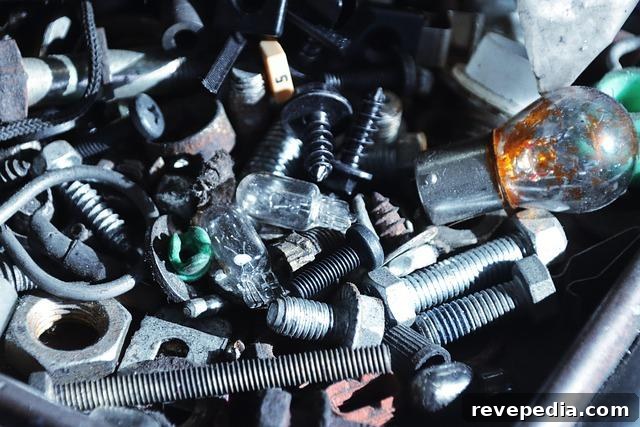
Projects stall quickly when materials run out or tools can’t be found. Professional shops reduce delays with real-time inventory systems that track stock and tool usage. While full-scale systems aren’t necessary at home, the underlying approach—making inventory visible and predictable—translates well.
Begin with clear, labeled storage zones and bins so every part and tool has a designated place. Group commonly used items together and keep them within easy reach. Store rarely used materials out of the main work area but in labeled containers so they are still easy to locate when needed.
If you want digital support, basic barcode or inventory apps can help track supplies across multiple projects. Even a simple digital checklist or spreadsheet that notes current stock and reorder points will prevent unpleasant surprises mid-project. For hobbyists who juggle a variety of materials, a quick inventory system saves time and money.
Regularly review your stock levels and restock items that run low. Establish simple reorder thresholds for consumables like sandpaper, screws, adhesives, and drill bits so you spend time working instead of searching for supplies.
Efficiency Is Your Workshop’s Greatest Asset
You don’t need a large, busy shop to enjoy the benefits of professional practices. Adopting a few core habits—clearing and zoning your layout, securing and labeling tools, and keeping inventory visible—will make your home workshop faster, safer, and more enjoyable to use.
Start small: tidy your floor plan, place frequently used tools where you can reach them, and create straightforward storage zones. Notice how you move through the space and make incremental changes where you encounter friction.
Over time, these adjustments compound. A well-organized workshop keeps projects moving smoothly, reduces stress, and increases the time you spend creating rather than searching or cleaning up. Build a workshop that works with you, and you’ll get more done with less hassle.