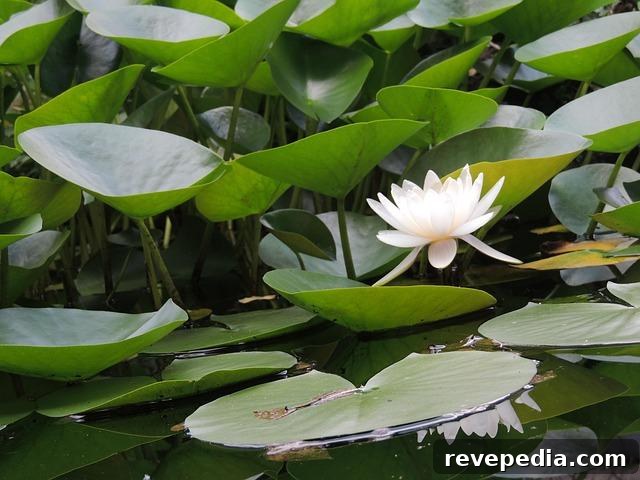
Adding a pond to a garden transforms the space. The gentle movement of water creates a calming sound, and clear water helps fish and plants thrive. Increasingly, garden pond owners are looking for solar-powered solutions to keep their water features running cleanly and quietly.
A solar pond filter pump can be an attractive option, but before committing to a fully solar setup, it helps to understand what these systems do, how they operate in real conditions, and whether they suit your pond and local climate.
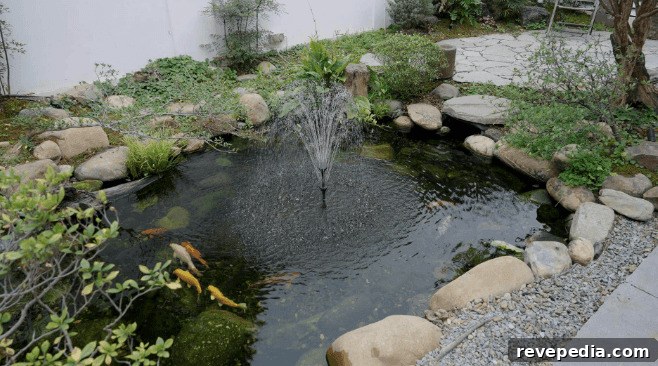
What Is a Solar Pond Filter Pump
Defining a Solar Pond Filter Pump System
A solar pond filter pump system uses energy from the sun to circulate and clean pond water. Typical components include:
- A solar panel to capture sunlight
- A DC water pump powered by the panel
- A filter box equipped with mechanical and biological filter media
In operation, the solar panel powers the pump, which draws water from the pond, passes it through filter pads and biological media, then returns cleaner water to the pond. Some systems include a battery to store solar energy for use during low-light periods or at night, while others operate directly from the solar panel and only run when sunlight is sufficient.
How a Pond Pump and Filter Solar System Works
The performance of a solar pond pump depends on available sunlight: brighter sun produces stronger flow. Water is drawn into the pump, enters the filter chamber where mechanical filter pads trap debris, and then flows through biological media (such as bio-balls or rings) where beneficial bacteria break down dissolved wastes. Cleaned water is returned to the pond. Flow will drop when clouds pass or when sun angles are low—this behavior is normal for solar-powered fountain pumps.
Solar vs Electric Pond Filter Pumps
Electric AC pumps plug into household power and run continuously at a constant speed unless switched off. They provide predictable, steady flow day and night. Solar pumps avoid electricity costs and are easier to install because they typically require no underground wiring, but they depend on sunlight. That makes them ideal for many decorative or wildlife ponds but potentially less suitable for large koi ponds or installations that require consistent, high-flow filtration regardless of weather.
Key Things to Know Before Going Fully Solar
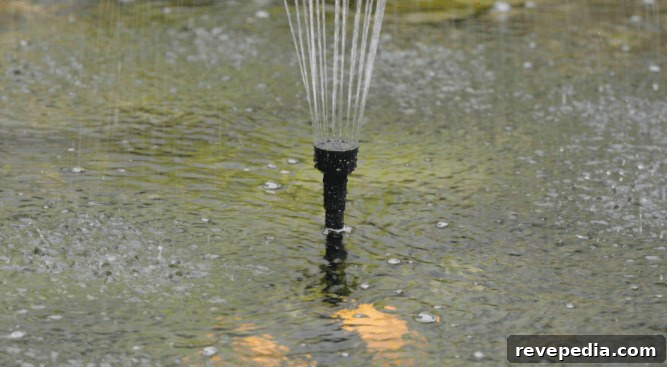
Understanding Solar Power Limitations
Solar power is clean and free once installed, but it isn’t always available. Early morning and late afternoon sun is weaker, rainy or overcast days reduce output, and winter days with shorter daylight hours produce less energy. If you need strong, continuous flow, consider whether solar alone will meet your requirements.
Sunlight Requirements and Panel Placement
Panel placement matters. For best performance, position the solar panel where it receives direct sunlight most of the day and avoid shading from trees, fences, or buildings. Keep the panel clean of dust, bird droppings, and leaves—dirty panels significantly reduce efficiency.
Battery Backup vs. Direct Solar Operation
Direct solar systems operate only when sunlight is available. Systems with battery backup store excess energy and can run the pump after sunset or during cloudy spells. The choice depends on the pond’s needs: small decorative ponds often do well with direct-solar units, while fish ponds that require constant oxygenation and filtration benefit from battery-backed or hybrid setups.
Seasonal Performance Expectations
Expect seasonal variation. Solar systems generally perform best in summer when sunlight is abundant and less effectively during short, cloudy winter days. If you live in a region with long, cold winters, you may rely less on your solar pump during those months or consider supplemental power.
How to Choose the Right Solar Pond Filter Pump
Matching Pump Flow Rate to Pond Size
Choose a pump with a flow rate (gallons per hour, GPH) matched to your pond volume. A practical guideline is to circulate the entire pond volume every one to two hours:
- 100-gallon pond: 100–200 GPH
- 300-gallon pond: 300–600 GPH
A pump that’s too small won’t filter effectively; one that’s too large can cause excessive splashing and water loss. Good filtration includes both mechanical filtration (filter pads to trap solids) and biological filtration (media where beneficial bacteria break down dissolved waste). Both are important, especially if you keep fish.
Head Height, Hose Length, and Flow Loss
Head height (the vertical lift the pump can provide) and hose length affect delivered flow. Pumps lose flow as head and hose length increase, so account for waterfalls, raised features, and long runs when sizing your system. Ensure the pump can supply the desired flow at the intended height.
Energy Efficiency and Pump Reliability
Most solar pond pumps are DC and energy-efficient. Higher wattage pumps deliver greater flow but require larger panels and more sunlight. Prioritize pump reliability and correct sizing over simply choosing higher wattage; a dependable, properly matched system provides the best long-term results.
Pros and Cons of Solar Pond Pump and Filter Systems
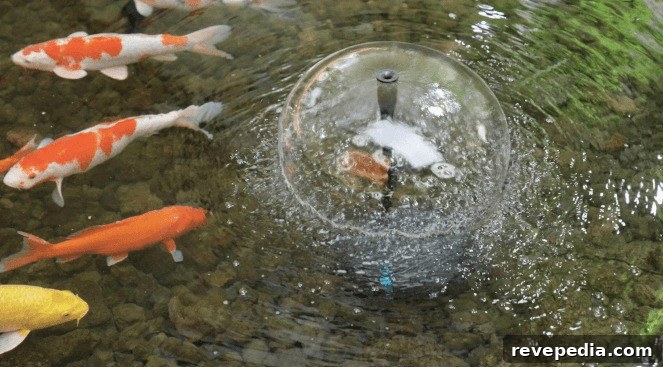
Benefits of Going Fully Solar
- No ongoing electricity costs
- Simple, typically tool-free installation
- Environmentally friendly operation
- No need for underground electrical wiring
- Quiet running
For many backyard ponds, water gardens, and decorative or wildlife features, solar filtration provides a practical, low-maintenance solution.
Common Limitations and Trade-Offs
- Requires sufficient sunlight to operate effectively
- Reduced performance in winter and on cloudy days
- Does not run at night without a battery backup
- Less suitable for very large ponds or heavy fish loads
Solar systems work best when expectations are matched to local weather and pond requirements.
Best Pond Types for Solar Pond Filter Pumps
Solar filtration is well suited for:
- Small backyard ponds
- Water gardens
- Wildlife ponds
- Decorative water features
For ponds with a modest number of fish or primarily aesthetic features, solar systems often provide adequate filtration and circulation.
When Hybrid or Traditional Systems Make More Sense
Hybrid systems, which combine solar power with supplemental AC power or battery storage, are a strong choice for larger ponds or heavy fish loads because they offer consistent performance across varying conditions. Traditional AC systems remain the most reliable option for large koi ponds and installations that require continuous, strong filtration and aeration.
Why Poposoap Solar Pond Filters Are a Practical Option
Poposoap Solar Pond Filter Design and Performance
Poposoap’s solar pond filter series is offered in multiple wattages so you can choose a pump size that matches your pond. Matching panel output, pump capacity, and filter box size helps ensure the system operates efficiently and effectively.
Easy Maintenance and User-Friendly Setup
Complete systems that pair the correct panel with a matched pump and filter box reduce the trial-and-error of DIY setups. Properly sized components simplify installation and minimize compatibility issues.
Choosing the Right Poposoap Solar Pond Filter Pump
To pick the right model, first calculate your pond volume. Then consider:
- Desired water circulation rate
- Required lift for waterfalls or fountains
- Average daily sunlight at your location
If you’re unsure, opting for a pump slightly above the minimum recommended capacity provides extra margin for cloudy days and minor flow losses. With realistic expectations and correct sizing, a solar pond filter pump can be an efficient, low-impact way to keep your garden pond clear and healthy.