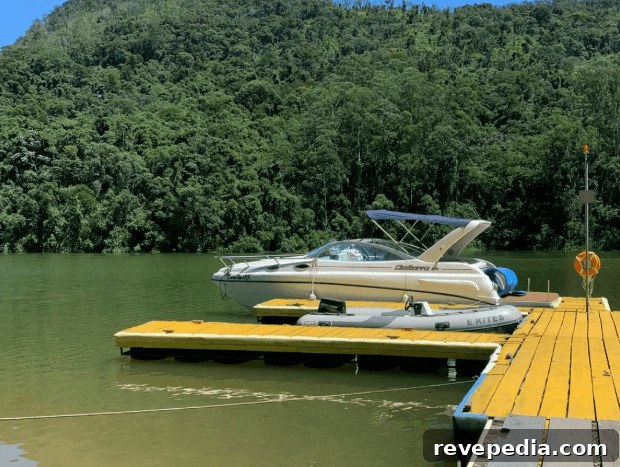
A dock is more than a simple platform—it’s where you secure your boat, relax by the water, and expand your outdoor living space. Yet docks face continuous forces from wind, waves, and fluctuating water levels. Even well-built docks will weaken over time if they are not inspected, maintained, and reinforced.
Reinforcing your dock frame protects your investment, extends service life, and keeps boats and equipment safe during adverse weather. Strengthening the frame also ensures the dock remains functional for everyday activities, whether you’re heading out on the water or spending time with family at the shoreline.
You don’t necessarily need a full rebuild to make significant improvements. Thoughtful upgrades and routine inspections can substantially increase stability and reduce damage from storms and daily wear.
The following recommendations focus on practical, effective ways to reinforce dock frames and improve performance under challenging conditions.

Assess Your Dock’s Exposure to Wind and Waves
Begin by evaluating how wind and waves affect your dock. Open shorelines typically receive the most direct force, while narrow inlets can channel wind and create concentrated pressure on certain sections.
Observe the dock during different weather and tidal conditions. Note which areas move, sway, or feel unstable—those are the first places that need attention.
Also monitor environmental changes near the dock. Shoreline erosion, shifting water levels, and heavy boat traffic can increase stress on select points. Listen for creaks or feel for flexing under load—early signs of structural fatigue that should be addressed before they escalate. A stable dock is safer and more comfortable for everyday use.
Find Weak Points in Your Dock Frame
A dock is only as strong as its weakest connection. Inspect joints, fasteners, and support intersections closely. Loose hardware, worn bolts, or corroded fittings can fail quickly when exposed to wind and large waves.
Look over wooden components for cracks, splits, rot, or water damage; compromised timber loses strength and becomes prone to bending or breaking under stress.
Pay special attention to transition zones—where the dock meets the shore and where floating sections connect to fixed portions. These areas typically endure greater movement and wear more quickly than other parts.
Tackling weak spots early prevents costly repairs later and ensures the dock remains dependable when you need it most.
Improve Dock Anchoring for Better Stability
Proper anchoring is essential for maintaining stability under wind and wave action. Verify that anchors are secure and spaced to distribute forces evenly across the structure, reducing strain on any single point.
Upgrade anchor lines or add additional tie-down points if necessary. These relatively simple improvements can enhance stability without major construction.
In deeper or more exposed waters, consider adaptable anchoring systems that allow controlled movement. Flexibility helps the dock move with changing conditions rather than resist them, which reduces stress during storms and helps prevent structural damage.
This approach works well for recreational docks—such as kayak launches—where controlled motion and stability both matter, making boarding and loading safer and more comfortable.
Reinforce Dock Pilings and Footings
Pilings and footings bear the dock’s load, so keeping them in good condition is critical. Over time, water flow, impacts, and erosion can weaken these supports.
Inspect pilings for cracks, shifting, decay, or surface damage. Consider protective sleeves, sacrificial wraps, or driving pilings deeper for improved holding power.
For docks in heavy-use areas or rough water, adding extra pilings spreads loads more evenly and reduces strain on the primary supports, limiting unwanted movement.
Solid, well-supported pilings provide a stable base, minimizing flex across the frame and producing a firmer feel underfoot.
Strengthen Dock Frame Connections
Secure connections are vital to keeping the frame intact under load. Check that all joints and fasteners are tight—nails alone are often inadequate in high-stress conditions.
Replace or upgrade connectors with bolts, galvanized or stainless steel brackets, and corrosion-resistant hardware where needed. These provide greater holding power and reduce movement between structural members.
Add reinforcement plates or gussets at critical joints to prevent twisting or separation during storms. Concentrate on areas that bear the most load or already display movement.
Stronger connections enable the dock to behave as a unified structure, improving durability and reducing long-term wear while keeping the deck surface steady and comfortable.
Add Cross-Bracing for a Stronger Dock
Cross-bracing resists lateral movement and helps the dock retain its alignment. Absent adequate bracing, repeated wave action can gradually shift the frame out of square.
Install diagonal supports to distribute forces more evenly across the structure, reducing stress on joints and limiting deformation during rough weather.
In open-water or storm-prone locations, use heavier-duty bracing materials and secure connections to prevent loosening over time.
Thoughtfully placed cross-bracing maintains the dock’s shape, reduces wear, and can prevent expensive repairs—while also creating a steadier platform for walking and working.
Best Materials for a Strong and Long Lasting Dock
Material choice greatly influences longevity. Constant exposure to sun, salt, and freshwater can rapidly degrade inferior materials.
Use pressure-treated lumber, composite decking, or marine-grade metals to resist moisture, minimize warping, and preserve structural integrity in harsh environments.
Consider how materials interact within the overall design. Ideally, durable components should still allow for slight movement so the dock can accommodate changing water levels without damage.
Incorporating features such as hydraulic boat lifts can reduce wave and wake impacts on moored boats, which in turn lowers the load transmitted to the dock frame.
Selecting the proper materials reduces maintenance frequency, extends service life, and helps the dock maintain a clean, well-kept appearance.
Replace Corroded Dock Fasteners and Fittings
Fasteners and metal fittings are often the first elements to show wear. Continuous exposure to water promotes rust and corrosion, weakening connections.
Inspect bolts, screws, nuts, and brackets for corrosion and fatigue. Replace compromised hardware with stainless steel or marine-grade alternatives to improve longevity.
Make hardware checks part of a regular maintenance routine so small issues are discovered and corrected before they cause failures in high winds or storms.
Using corrosion-resistant fittings maintains strong connections and contributes significantly to overall dock strength and reliability.
Reduce Wave Impact at the Shoreline
The shoreline junction is frequently the most vulnerable section of a dock. Waves focus energy on this connection point, which can cause accelerated wear and damage.
Mitigate impact by installing wave deflectors or reinforcing the shoreline with riprap, boulders, or engineered armor. These measures absorb or deflect wave energy before it reaches the dock frame.
Where feasible, adjust the dock’s orientation or elevation to lessen direct exposure to prevailing waves. In particularly rough locations, adding a breakwater or floating barrier can reduce incoming wave energy.
Reducing shoreline wave impact protects the dock’s entire structure and improves long-term stability, creating a calmer area for safer, more enjoyable use.
Add Features Without Weakening Your Dock
Carefully planned additions can enhance usability without compromising structural integrity. Floating extensions, storage platforms, or modular sections can help distribute weight across the frame more evenly.
When installing extras, ensure each component is well-supported and securely fastened to avoid creating new stress concentrations.
Balance is essential—spread seating, equipment, and storage so no single area becomes overloaded.
Thoughtful upgrades increase functionality and can even improve stability in windy or choppy conditions, allowing you to enjoy the dock without sacrificing safety.
Conclusion
Creating a stronger dock begins with thorough inspection and targeted improvements. By identifying weak points, enhancing anchoring, reinforcing pilings, improving connections, and choosing durable materials, you can minimize damage and keep the dock stable in rough water.
Consistent maintenance is equally important—addressing small issues early prevents costly repairs and reduces the risk of unexpected failures when the dock is in use.
With the right approach, your dock will remain safe, reliable, and ready for daily use. Whether you’re launching a boat, storing gear, or enjoying time by the water, a well-maintained dock enhances your outdoor experience and protects your investment.