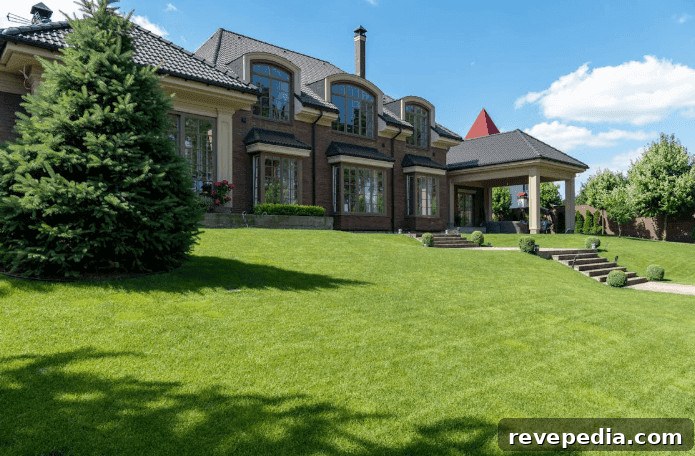
Outdoor spaces are no longer limited to simple lawns and gardens. Homeowners increasingly want yards that look attractive, feel relaxing, and support healthier outdoor living. A well-cared-for yard boosts curb appeal, creates a more enjoyable environment for families, and can even raise a property’s value. Whether working with a compact backyard or an expansive landscape, thoughtful improvements can transform how an outdoor space looks and functions.
Sustainability has become a major focus in modern home improvement. Many homeowners aim to reduce water waste, lower maintenance needs, and cultivate healthier lawns without heavy reliance on chemicals or constant attention. Smart landscaping choices and efficient watering systems are essential to creating greener, more resilient outdoor spaces.
A healthy yard begins with planning and long-term care. Grass, plants, trees, and garden beds all depend on consistent watering, fertile soil, and practical landscape design. By prioritizing improvements that balance beauty and efficiency, homeowners can develop outdoor spaces that remain attractive and easier to maintain throughout the year.
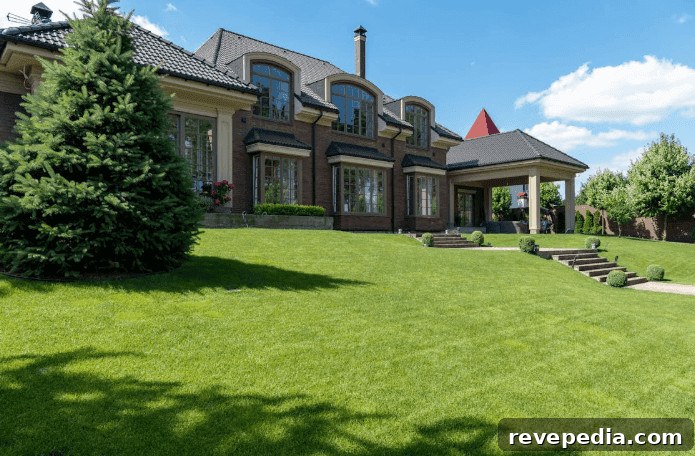
Start With an Efficient Irrigation System
Proper watering is one of the most important elements of a healthy yard. Without an effective irrigation system, homeowners commonly face dry patches, uneven turf growth, overwatering, and higher water bills. Even well-designed landscaping will suffer if lawns and plants do not receive reliable, balanced moisture.
Professionally planned sprinkler systems improve water distribution and support healthier lawns and landscapes. Customized irrigation layouts, smart controllers, and zoned watering solutions help deliver the right amount of water to different parts of the yard. These systems reduce waste, increase watering accuracy, and make it easier to maintain lush outdoor spaces with less manual effort.
Modern irrigation technology can automatically adjust schedules based on weather and seasonal changes, helping prevent overwatering and promoting year-round health. Zoned systems are particularly effective because they allow distinct areas to be watered according to plant type, sun exposure, and soil conditions.
Efficient irrigation also supports long-term sustainability. Lawns that receive consistent, appropriate watering develop stronger roots and more uniform growth, which reduces the need for frequent repairs and intensive maintenance as seasons change.
Many homeowners underestimate the importance of irrigation when enhancing their outdoor spaces. A dependable sprinkler system often becomes the foundation for other landscaping upgrades. When plants and turf are consistently cared for, the entire yard becomes greener, healthier, and easier to maintain.
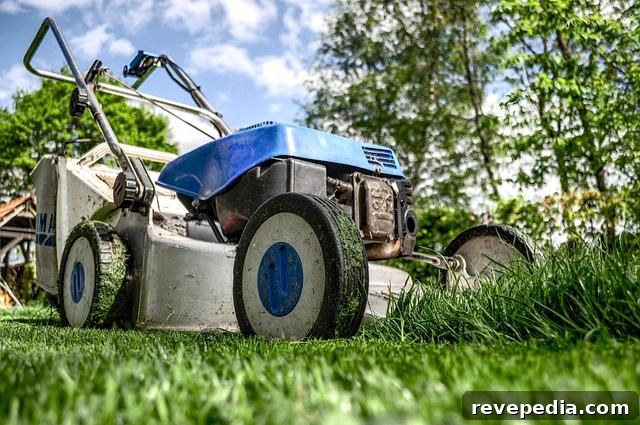
Choose Native Plants and Low-Maintenance Landscaping
Native plants and low-maintenance landscaping are popular because they create healthier yards with less effort. Plants native to your region are already adapted to local climate and soil, so they generally require less water, fertilizer, and ongoing care than non-native varieties.
One key advantage of native landscaping is improved water efficiency. Once established, native plants often need less supplemental irrigation, making them an excellent option for homeowners who want a greener yard while conserving water.
Decorative grasses, flowering shrubs, drought-tolerant species, and mulched garden beds enhance visual appeal while suppressing weeds and improving soil conditions. These elements contribute to a cohesive landscape that looks polished with minimal upkeep.
Low-maintenance design saves time. Rather than constantly mowing, pruning, or replacing struggling plants, homeowners can enjoy outdoor spaces that stay attractive with simpler routines. Using mulch, stone borders, and layered plantings helps create structure and reduce the need for frequent maintenance.
Native plantings also support local pollinators like bees and butterflies, strengthening the surrounding ecosystem. Landscaping that works with native biodiversity promotes healthier, more resilient outdoor environments.
You don’t need elaborate or costly upgrades to achieve a greener yard. The most effective improvements often combine long-term beauty with reduced maintenance to deliver sustainable results.
Improve Soil Health for Stronger Lawns and Plants
Soil health is one of the most overlooked aspects of lawn and garden care. Many homeowners concentrate on watering and mowing but neglect the vital foundation beneath: the soil. Strong grass and plants start with fertile, well-structured soil.
Healthy soil supports robust root systems, enhances water retention, and helps plants take up nutrients more efficiently. Without quality soil, even well-watered lawns can fail to thrive.
Simple practices such as adding compost, applying mulch, aerating the lawn, and using seasonal, appropriate fertilization can significantly improve soil quality over time. Compost increases organic matter and nutrient availability, while mulch conserves moisture and reduces surface erosion.
Aeration helps relieve soil compaction, allowing water, oxygen, and nutrients to reach grassroots. Over time, compacted soil limits root growth; aerating encourages stronger, more even turf development.
Improving soil health also reduces dependence on chemical treatments and excessive watering. Lawns with deep, healthy root systems are more resilient to heat, drought, and seasonal shifts without sustaining long-term damage.
Rather than seeking quick fixes when problems arise, focusing on long-term soil health yields better, more durable results. Soil improvement benefits every element of the landscape and is fundamental to creating greener, more vibrant outdoor spaces.
Creating a greener and healthier yard requires thoughtful planning and steady care. Efficient irrigation systems, improved soil management, native plant choices, and sustainable design features work together to support stronger lawns and more enjoyable outdoor areas.
Contemporary home improvement is no longer just about appearance. Homeowners want practical, water-efficient landscapes that are easier to maintain year-round. By making informed landscaping decisions, it becomes far simpler to establish a yard that remains healthy and attractive over time.
Small but strategic improvements can have the greatest effect. Proper watering, seasonal maintenance, and low-maintenance landscaping choices can transform the look and feel of a property while reducing ongoing upkeep.
A healthy yard does more than boost curb appeal. It creates a pleasant, relaxing outdoor space where families can spend time comfortably and appreciate the natural beauty of their surroundings every day.