Home generators are becoming increasingly common, but residential battery systems promise an even more practical and flexible solution. Elon Musk, CEO of Tesla, SpaceX, and chairman of SolarCity, has announced plans for a very large utility-grade home battery that could reshape how homeowners manage electricity.
Home battery systems charge during off-peak hours when utilities typically offer lower electricity rates, then discharge during the day to power household loads. Although these systems can cost several thousand dollars, many utilities and local incentive programs offer rebates or other financial support to reduce upfront costs and improve the return on investment.
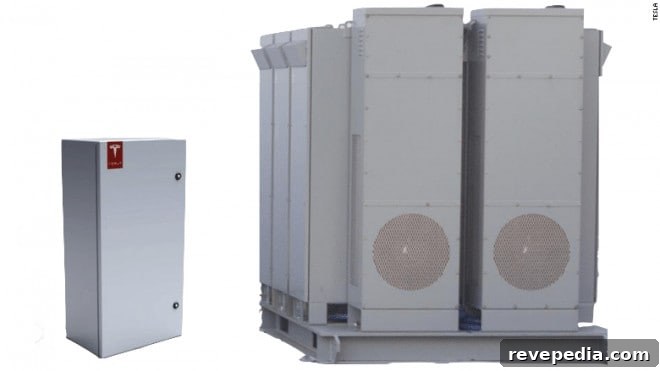
At a battery industry conference last year, Arch Padmanabhan, Tesla’s Director of Stationary Energy Storage, highlighted early product concepts including a roughly 10 kWh battery aimed at residential use and a larger 400 kWh unit designed for commercial or utility-scale applications serving larger buildings or aggregated energy needs.
Tesla has already moved from concept to pilots. In partnership with SolarCity, where Musk serves as chairman, Tesla deployed home batteries to SolarCity customers as part of a pilot program. According to industry analyst Trip Chowdhry, about 330 U.S. households were operating on Tesla batteries during the initial rollout, with most installations located in California.
Pricing for those early systems started near $13,000 before incentives. In California, for example, Pacific Gas and Electric Company (PG&E) has offered significant rebates—at times covering up to half of the purchase price—helping to make residential battery installations more affordable. Tesla’s pilot units have a compact footprint: roughly three feet tall and 2.5 feet wide, and require installation at least 18 inches above the ground. They also include remote monitoring and control options through both web and smartphone apps, enabling homeowners to check status and manage usage patterns.
At this stage it is not yet clear whether the battery Tesla plans to introduce will be the same model used in the pilot deployments or one of the earlier concepts presented at the industry conference. What is clear is that Tesla’s focus on scalable stationary storage—ranging from individual homes to large commercial sites and utilities—reflects a broader trend toward decentralized energy systems, smarter demand management, and greater resilience for homeowners and communities alike.