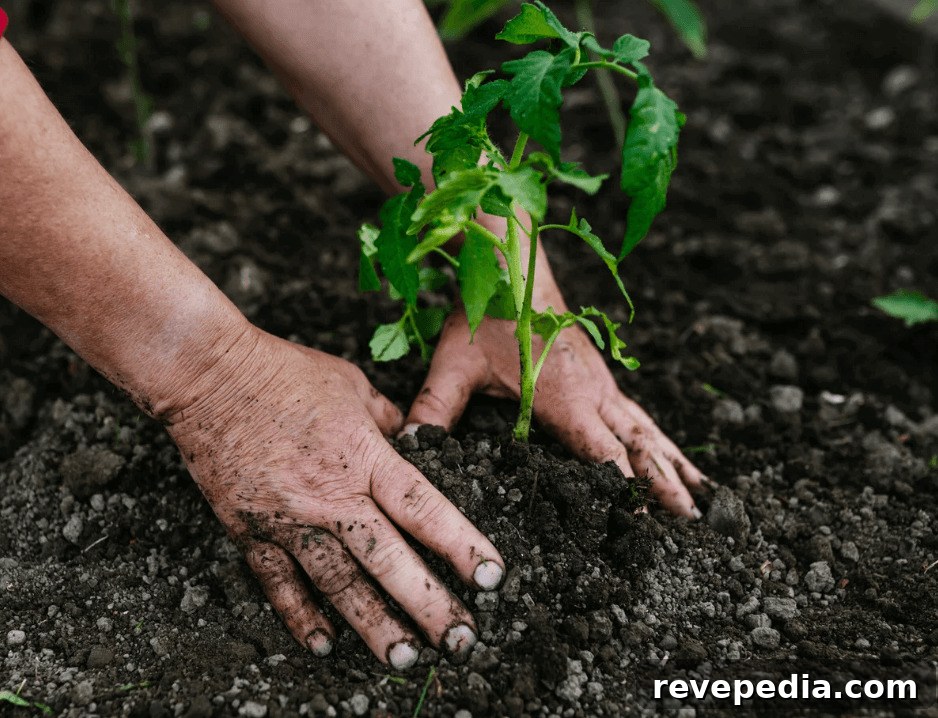
There’s something quietly powerful about kneeling in the earth, pressing seeds into the soil, and watching green life push through the surface. Gardening is an ancient human practice — and modern research is confirming what gardeners have long known: tending a garden can be one of the most effective ways to support your mental health.
The Science Behind the Soil
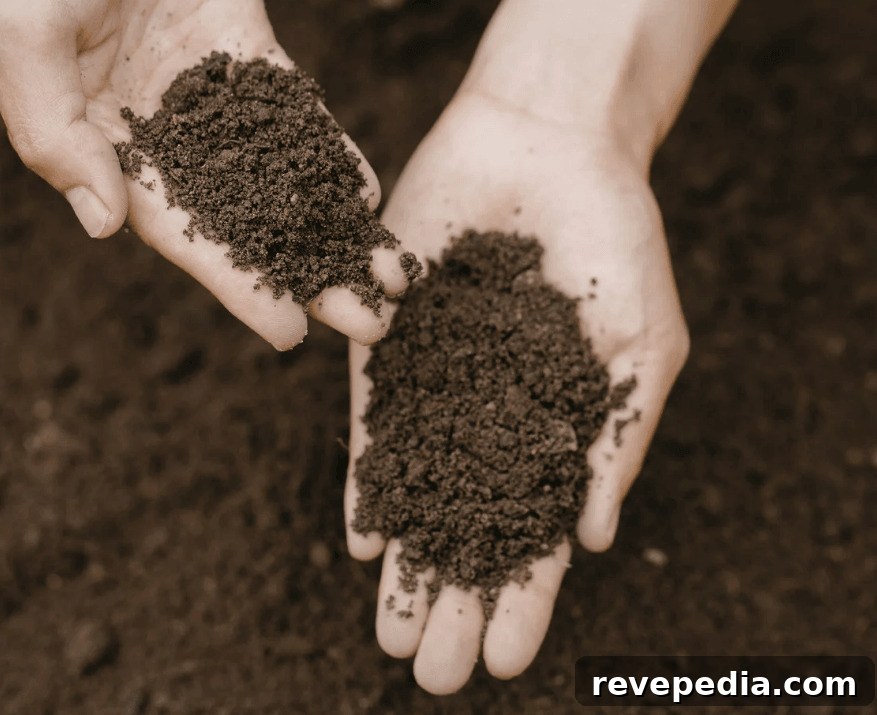
It may sound simple, but contact with soil can genuinely boost your mood. Scientists have identified a naturally occurring bacterium in healthy soil, Mycobacterium vaccae, that appears to stimulate serotonin production in the brain—the same neurotransmitter involved in mood regulation and targeted by many antidepressants. Simply digging in the dirt can start this process.
Beyond the biological effects, gardening encourages you to slow down. In a world full of constant alerts and distractions, tasks like watering, weeding, or pruning demand focused, calm attention. That focused attention is a form of mindfulness, and regular mindfulness practice is one of the best-supported strategies for managing anxiety and depression.
Getting Out of Your Head
Mental health struggles often trap people in repetitive thought patterns—rumination—that replay worries and worst-case scenarios. Gardening interrupts that loop naturally. When you are focused on transplanting seedlings, adjusting soil conditions, or diagnosing why tomatoes aren’t flowering, there’s little room for spiraling thoughts.
The garden presents tangible problems to solve, and working on those problems—imperfectly or not—builds a quiet confidence that carries through the day. Engaging with the physical world shifts attention away from internal worry and toward achievable tasks with visible outcomes.
Soil quality matters for healthy plants, and that principle applies to people too: we thrive with the right conditions—rest, nourishment, connection, and purpose. Gardening can teach and reinforce all of those elements at once.
A Sense of Purpose and Progress
Having something to care for and watch develop gives life structure and small, meaningful expectations. Plant a bulb and wait for its shoot. Prune a rose and observe new growth emerge. Each stage of growth provides a tangible reward for showing up.
This rhythm—effort followed by visible change—is deeply satisfying. It counters feelings of helplessness common in depression by replacing “nothing I do matters” with evidence that care creates results. A garden becomes proof that consistent attention leads to change.
The Social Side of Growing
Gardening can be deeply social. Community gardens provide shared spaces where people meet, converse, and collaborate, reducing isolation and building a sense of belonging. For those facing loneliness—one of the major risk factors for mental health decline—these connections are especially important.
Even private gardeners often share produce, cut flowers, or gardening tips with neighbors and friends, creating a gentle cycle of giving. Generosity and social exchange benefit both the giver and the recipient, reinforcing wellbeing through connection.
You Don’t Need Much to Start
A common barrier people cite is the belief that gardening requires a large yard, expensive tools, or extensive experience. None of that is necessary. A few containers on a balcony, a small raised bed, or a single tomato on a sunny windowsill can provide meaningful benefits.
The mental health gains from gardening don’t depend on the size of your plot; they depend on how engaged you are. Even ten minutes spent watering plants and observing growth in the morning can set a calm, purposeful tone for the day.
The Bigger Picture
Across cultures and history, gardens have been places of solace during grief, recovery, and transition. Today, horticultural therapy is used in healthcare settings, veteran programs, and schools to support emotional and physical rehabilitation. The impulse to return to the soil is deep-rooted.
Getting your hands dirty is not an escape from life; it’s a way to reconnect with it at a gentler pace. Whether you tend flower beds, grow vegetables, or care for a pond, these routines foster mindfulness and create a sense of calm. The garden doesn’t care about your inbox or your to-do list; it needs water, light, and attention.
It turns out we need much the same things.