Whether you need a new backsplash, wall or floor, tiling is a popular DIY project. With some practice, tiling can be straightforward, but beginners benefit from a few practical tips to avoid mistakes and costly repairs.
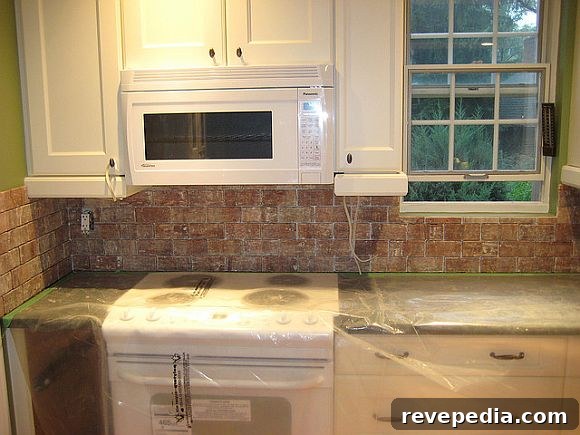
In his “The Pragmatist” column for the New York Times, Bob Tedeschi describes his early experience learning to tile. His top recommendation is to start small—choose a backsplash or another limited-area project. Smaller projects let you learn the materials and techniques without tackling the greater complexity of a full floor.
Having the right tools makes a big difference. Basic supplies include buckets, a large sponge, rubber gloves, cheesecloth, safety goggles, a dust mask, caulk, a sanding stone and tile spacers. You’ll also want specialty tools such as a notched trowel, margin trowel, grout float, tile nippers and a tile cutter.
You will need thinset mortar, grout and a grout sealer as well. Tedeschi suggests choosing your tile before buying grout, because grout comes in many colors and should complement the tile you select.
If you are new to tiling, ceramic tile is a good choice because it is easier to work with. As with budgeting, plan a cushion for materials: purchase about 15 percent more tile than your measured need so you have extras for cuts, breaks or future repairs.
Before you begin, clear the workspace and protect nearby surfaces. Keep tile spacers handy and aim to work in a moderate room temperature—ideally between 65 and 75 degrees Fahrenheit—so mortar and grout set properly.
When mixing thinset mortar, aim for the consistency of peanut butter. Apply mortar in manageable sections—about four feet at a time—so it doesn’t dry before you place the tiles. Lay out tiles with spacers on the counter so they are ready to pick up and set into place. After setting the tiles, wipe away excess mortar from the tile faces and allow the installation to dry overnight. The following day, apply grout to the joints, clean off any residue, and your new tiled surface will be complete.
Have you completed any DIY tiling projects? Share your tips and experiences to help others learn.
Photo: flickr.com/photos/garyjwood/2807768141