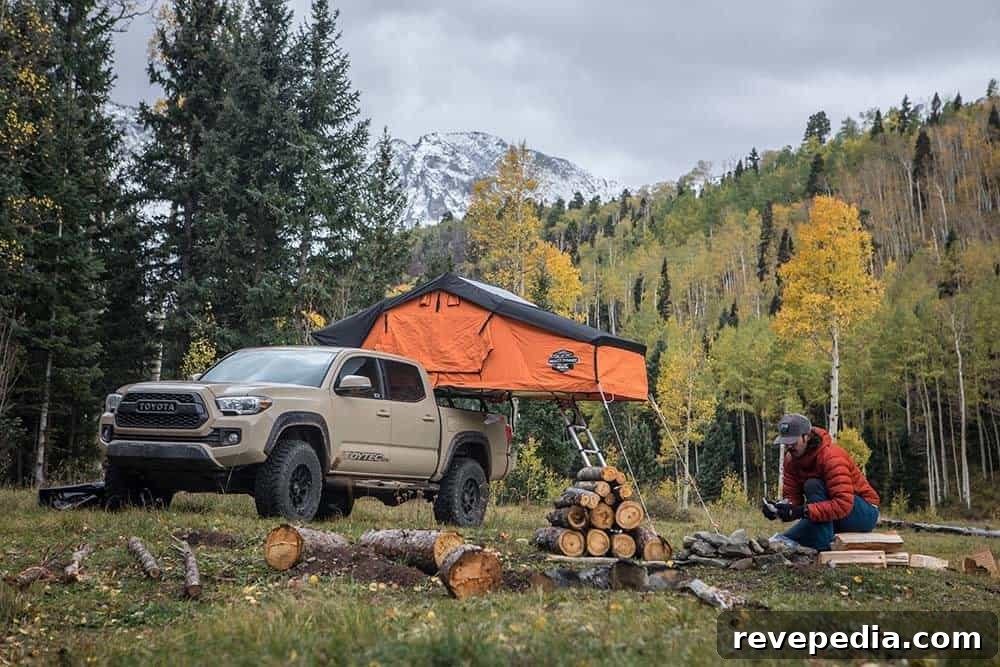
The right roof top tent is out there waiting to become part of your next great adventure. Today’s market offers a wide selection of high-quality roof top tents that suit a range of budgets and uses, so you don’t have to assume the most expensive option is best or the cheapest option is poor quality.
I own a 1989 FJ62 Land Cruiser and a 2008 F-150, both fitted with racks that accept roof top tents. That has given me the chance to test many of these tents in real-world conditions. While a few models here I’ve only seen at events like Overland Expo and Outdoor Retailer, most I’ve spent multiple nights in and can vouch for their comfort and durability.
Choosing a Roof Top Tent
Before you pick a roof top tent, answer a few key questions to narrow your options:
- What is your budget?
- How will you use the tent—weekend car camping, extended overland trips, or occasional use?
- How often will you use it each year?
- How many people need to sleep in the tent?
Once you know the answers, you’ll have a clearer idea of the size and type of tent you need. Below are the roof top tents I’ve tested or examined closely and recommend based on different needs.
The Best Roof Top Tent System
Most roof top tents are sold as independent units that attach to a variety of racks using mounting brackets for round, aero, and square bars. Few brands offer a fully integrated rack-and-tent solution, but Front Runner Outfitters is an exception. Their racks have proven strength from years of hard use, and their tent is built to match that reliability.
What stands out is Front Runner’s quick-release roof top tent mounting system: the tent slides into four locking mounts for fast and secure installation or removal. The tent’s relatively light weight—around 100 pounds—makes it manageable for two people to take on and off, avoiding the hassle of heavier hard-shell models.
The Best Roof Top Tent for Car Camping
For weekend car campers and action-sports enthusiasts, Yakima strikes a strong balance of price, availability, and ease of use. Many buyers already own Yakima racks or accessories, making their roof top tent an accessible upgrade. It’s well suited to people who use a tent a few times each year and prefer an easy, reliable setup.
Compared to some other models, the Yakima tent is a little heavier than Front Runner models but offers slightly more interior space. During extended drives we experienced a bolt loosening after several hundred miles, so it’s important to routinely check and tighten all hardware after installation.
The Best Hard Shell Roof Top Tent
Hard shell roof top tents are the most robust option and can remain mounted for long periods without degrading. Some designs even support attaching gear on top of the shell, restoring roof storage that’s often lost when using soft-shell tents. They typically open with gas or hydraulic struts, deploying quickly and easily.
The trade-offs are weight and cost: hard shell tents are heavier and more expensive, which affects ease of removal, storage, and vehicle fuel economy. The elevated center of gravity can also matter if you carry heavy items like spare tires on the roof.
James Baroud produces some of the best hard shell tents on the market. They are among the pricier options, but they deliver straightforward opening and closing, durable construction, and useful features like secure interior storage when the tent is closed.
The Best All-Season Roof Top Tent
Tepui has long been a leading name in roof top tents. Their all-season offerings let you adapt the tent to different climates by swapping canopies. The Baja Series, for example, provides a mesh canopy for warm, humid conditions, a lightweight ripstop nylon for mild weather, and an aluminized canopy for colder or harsher environments. A detachable rainfly adds extra protection when needed.
This modular approach suits campers who use their tent year-round and travel through diverse weather zones, because it allows you to optimize ventilation and insulation based on expected conditions.
Best Roof Top Tents
Beyond the models already mentioned, several reputable manufacturers have earned loyal followings by producing reliable roof top tents for many years.
Cascadia Vehicle Tents (CVT) is frequently seen on overland rigs because they offer one of the widest selections of sizes and configurations. Whether you need a compact two-person tent or a larger family-sized option, CVT is likely to have a solution that fits your needs and budget.
Smittybilt, a longtime maker of off-road gear, also offers a popular roof top tent that delivers many features commonly found on higher-priced models at a more accessible price point. For campers seeking value without sacrificing core functionality, their tent is a strong contender.
At its core, a roof top tent’s purpose is simple: to make car camping more comfortable and convenient. Waking up to a sunrise from seven feet above the ground is a small luxury that makes the effort of finding the right tent worthwhile.