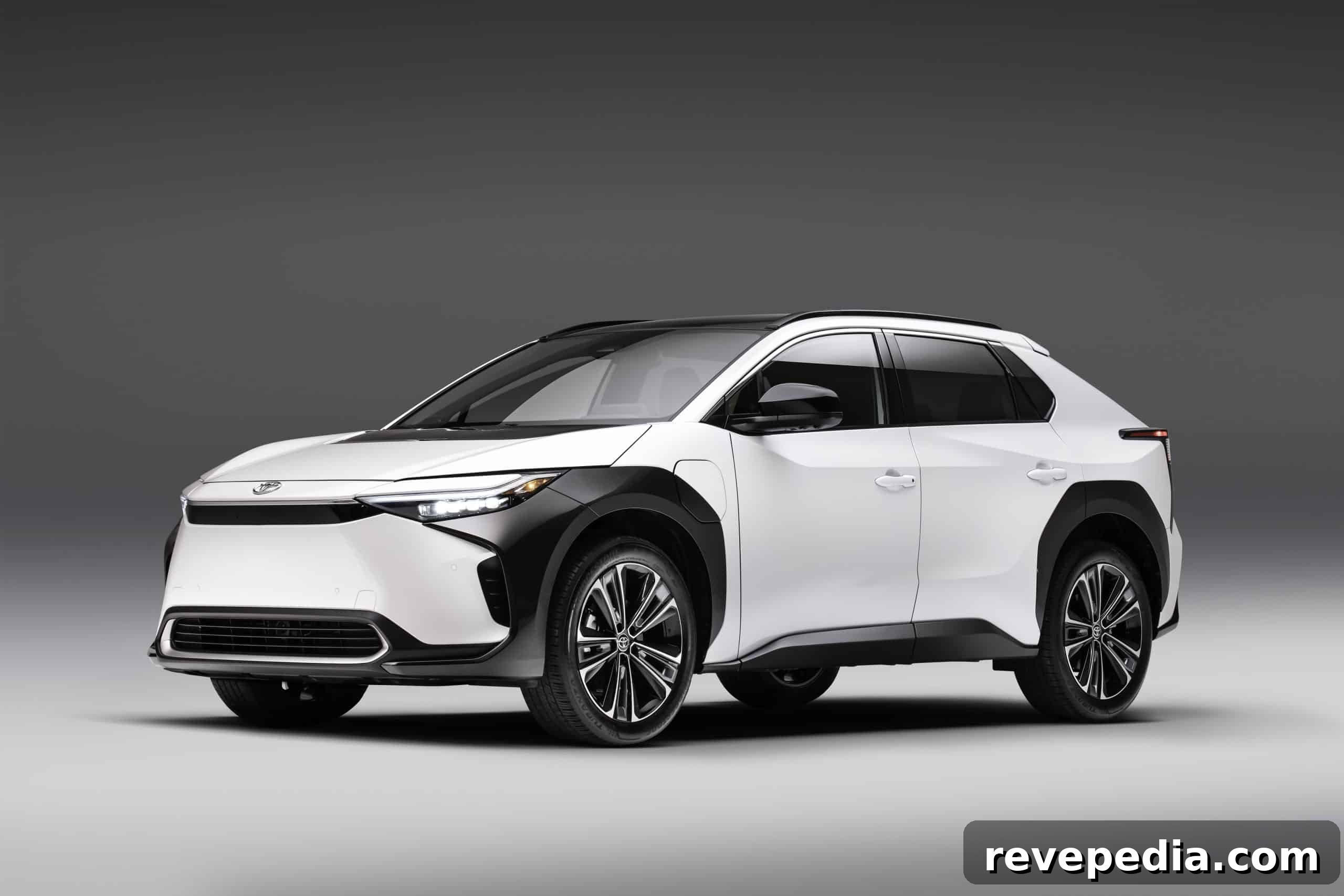
Toyota raised the bar for electrified vehicles with the Prius, and the all-new 2023 Toyota bZ4X aims to set a similar benchmark in the battery-electric segment. While Tesla currently leads EV market share, Toyota — the world’s largest automaker — has committed heavily to electrified powertrains, including hybrids, plug-in hybrids and fully electric vehicles. For two decades Toyota has been the top manufacturer of electrified powertrains, and the bZ4X will be the flagship of a broader BEV lineup.
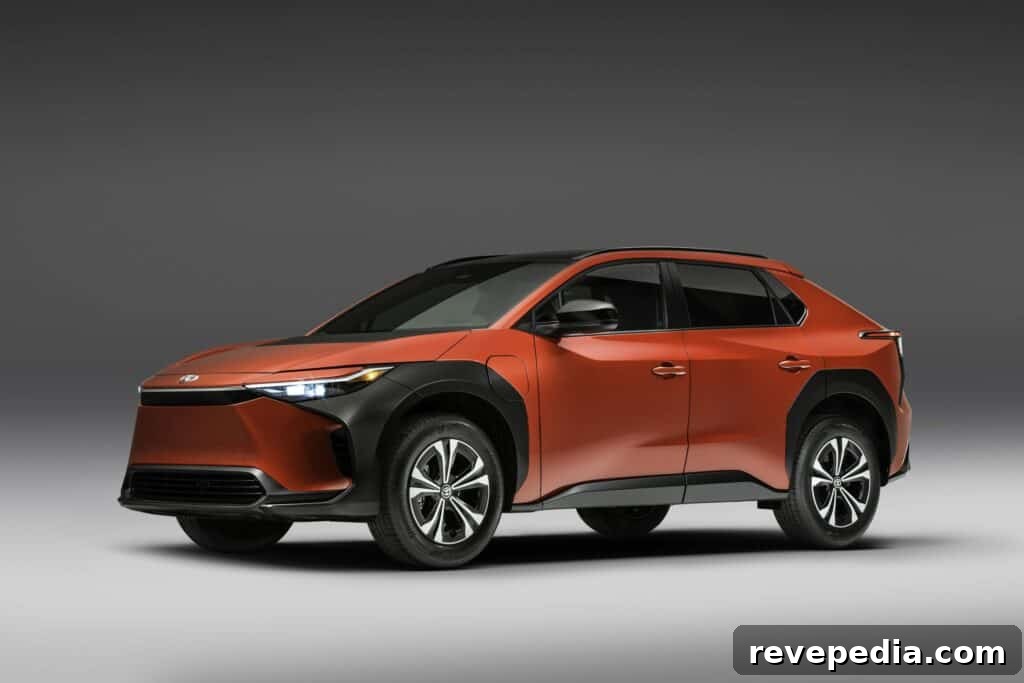
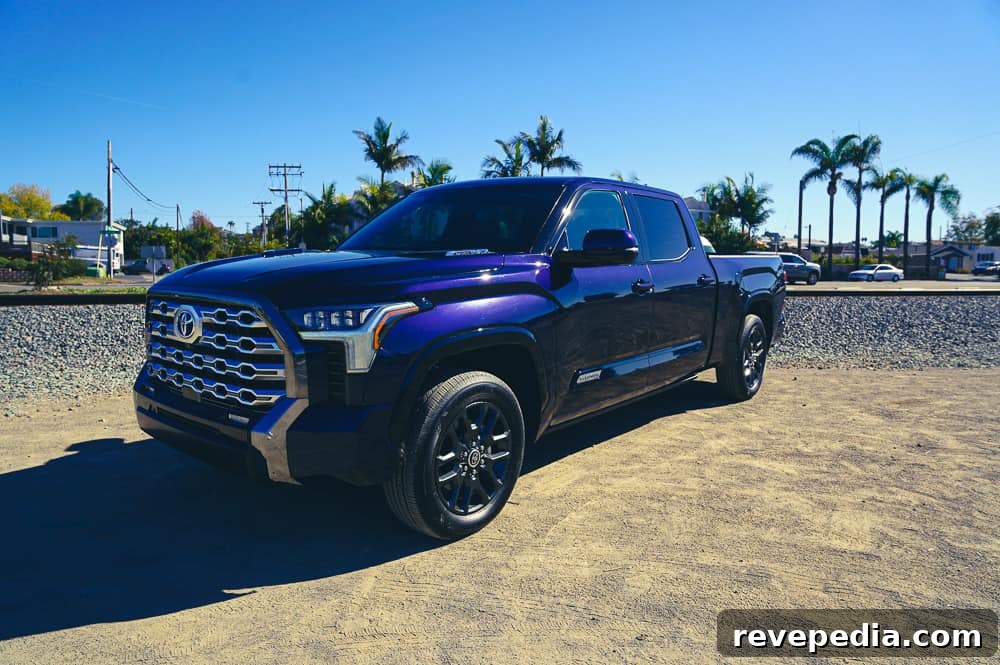
Even Toyota’s full-size Tundra truck has an electrified variant, showing how the company is expanding electrification across its range. The bZ4X is Toyota’s first purpose-built battery-electric crossover in this new “bZ” family, and it’s designed to be a practical, reliable and accessible option for mainstream buyers.
The Launch
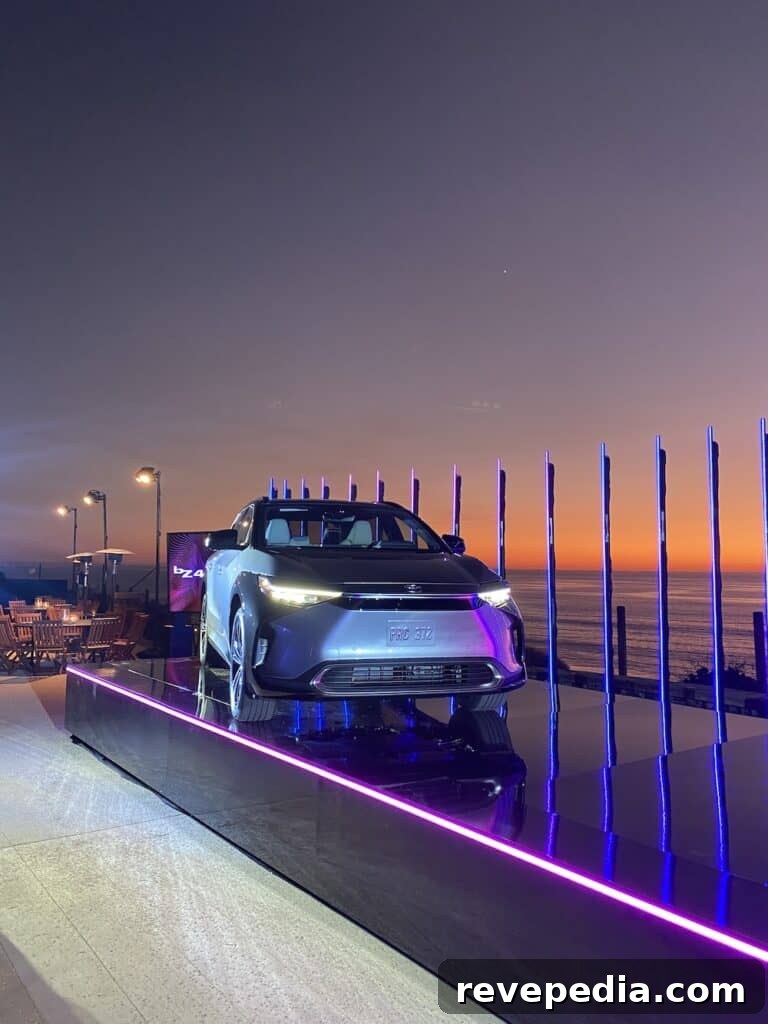
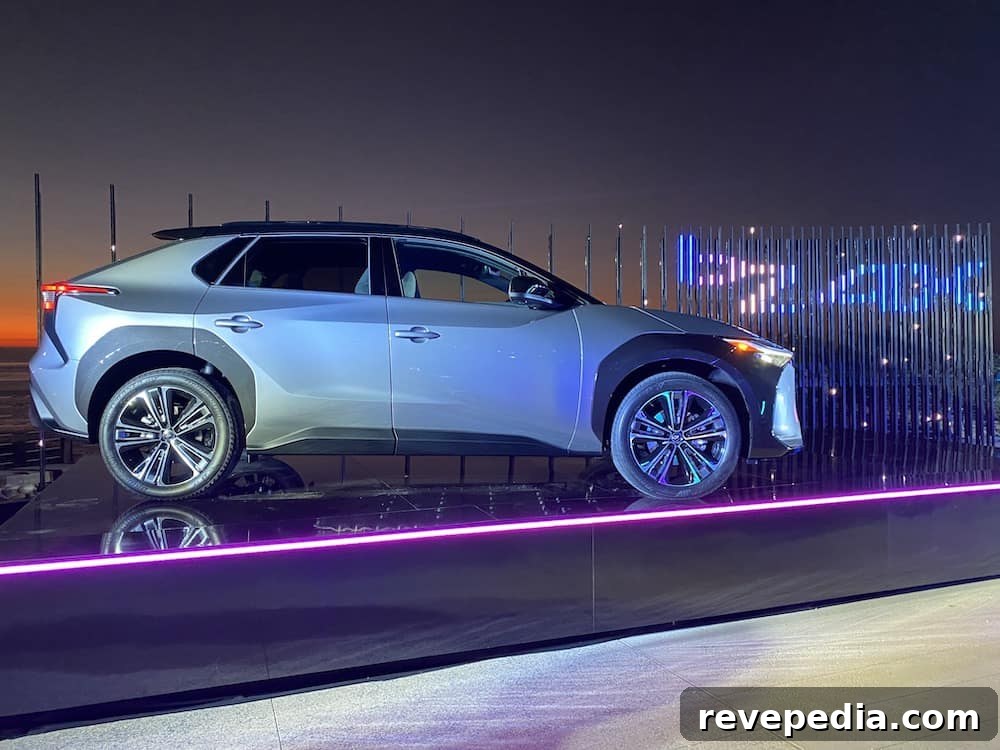
Toyota unveiled the bZ4X at an exclusive media event at the Alila Marea resort in Encinitas, California. Presenting the vehicle against the Pacific Ocean and a sunset emphasized its lifestyle appeal and signaled Toyota’s intention to make a strong impression as it pushes further into the EV market.
First Impressions
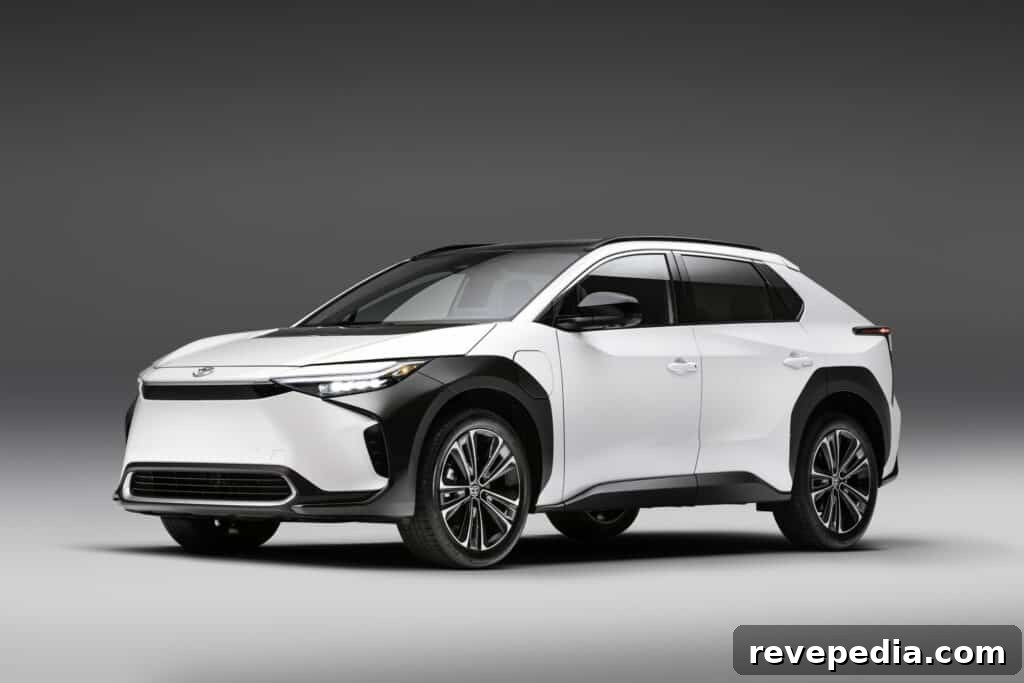
The bZ4X looks distinctive. Its sharper, angular lines stand out from the increasingly homogenized crossover field, giving it a bold identity. Although this visit didn’t include a drive, I spent time inside the vehicle. Build quality felt excellent — consistent with Toyota’s reputation — and controls were intuitive and well laid out.
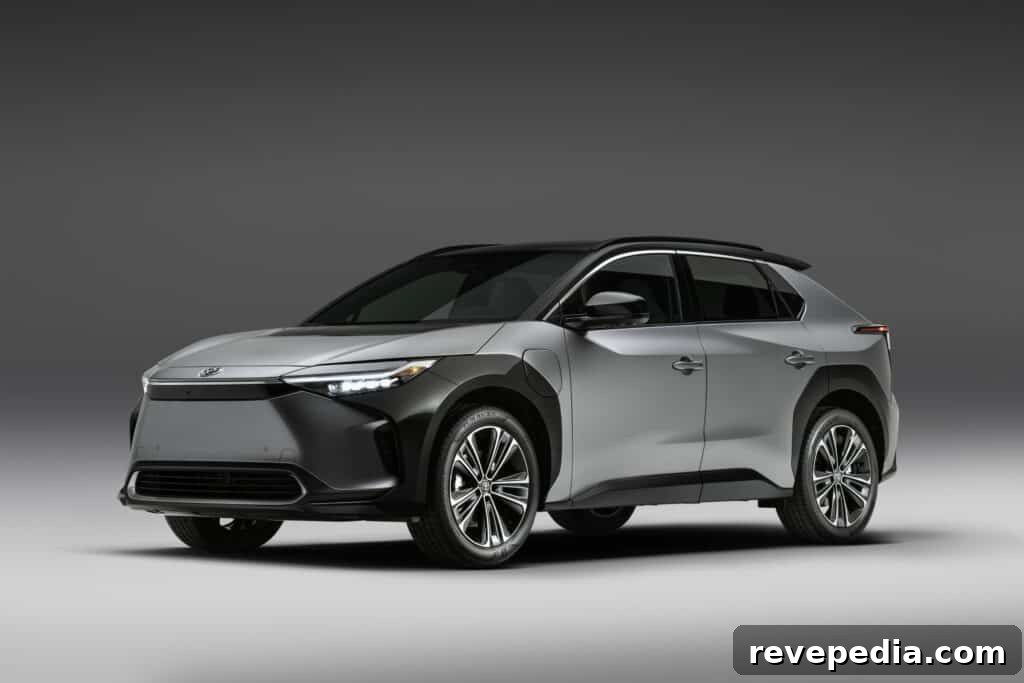
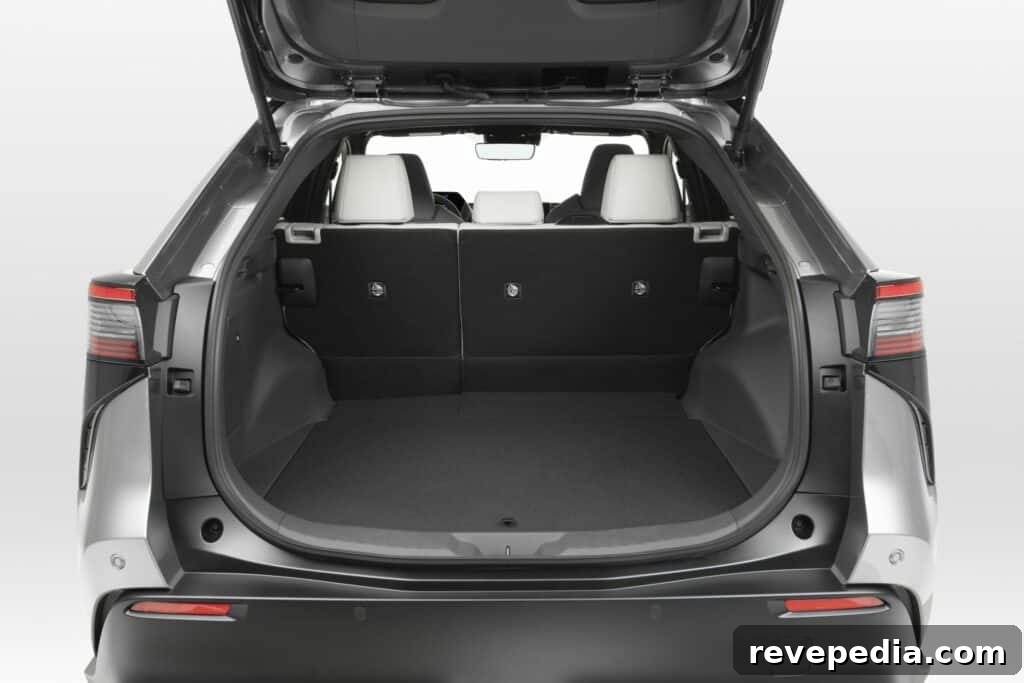
The cabin and overall packaging are larger than expected, both inside and out. That extra space makes the bZ4X a comfortable choice compared with compact SUVs like the RAV4: occupants should not feel cramped, and cargo capacity remains practical for everyday needs and family use.
bZ4X Interior
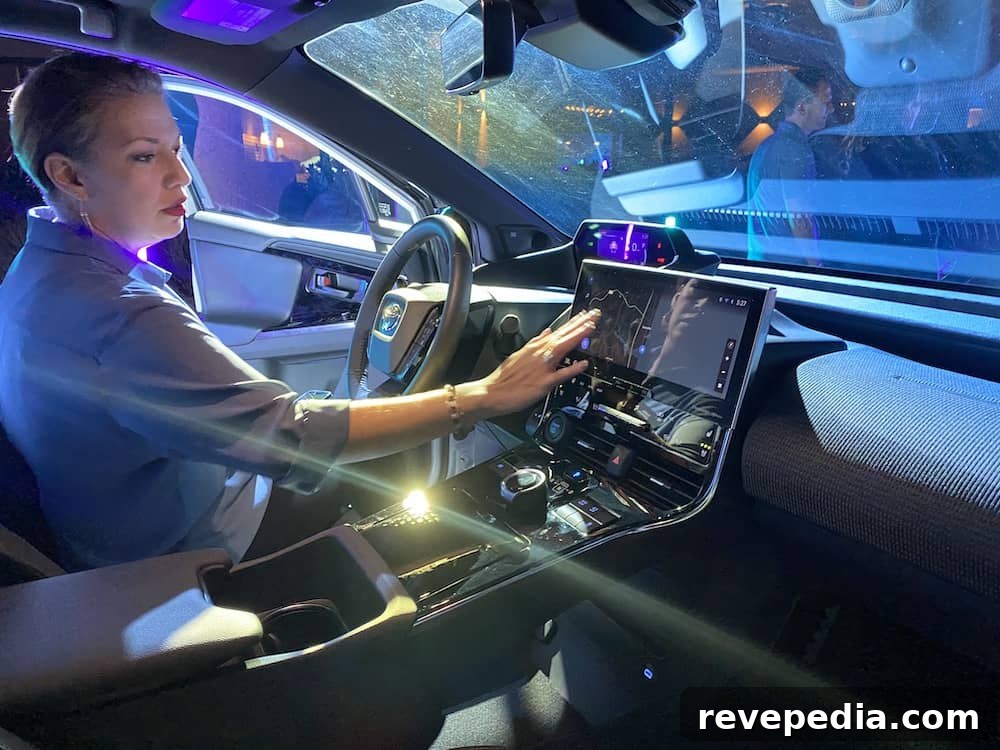
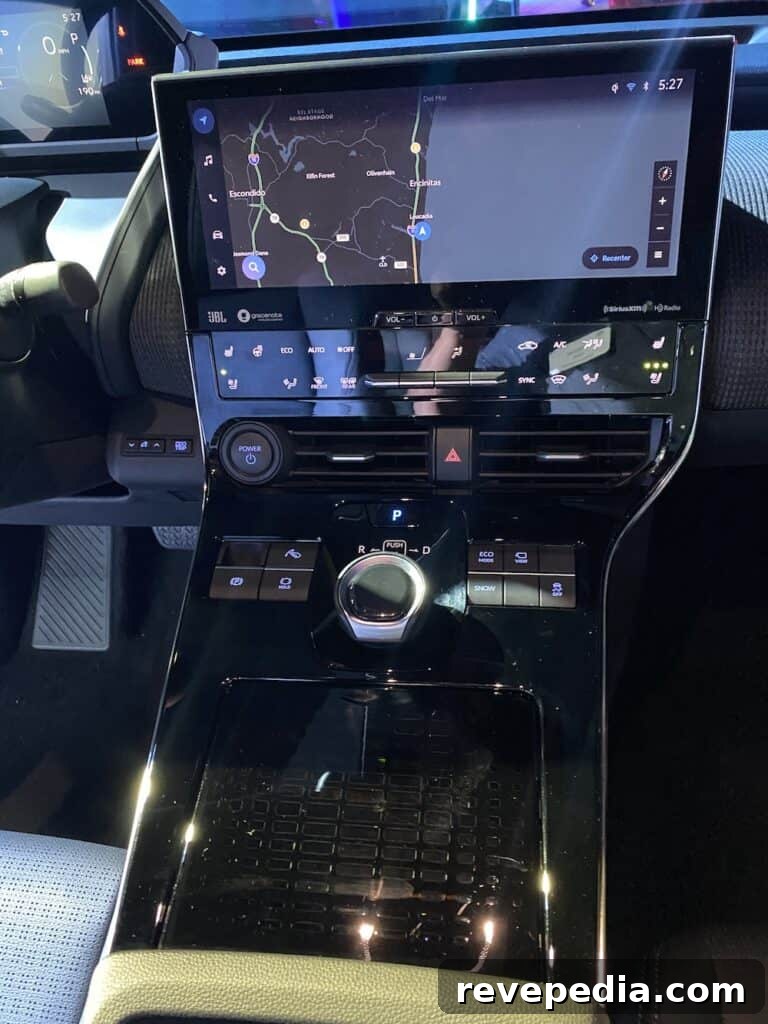
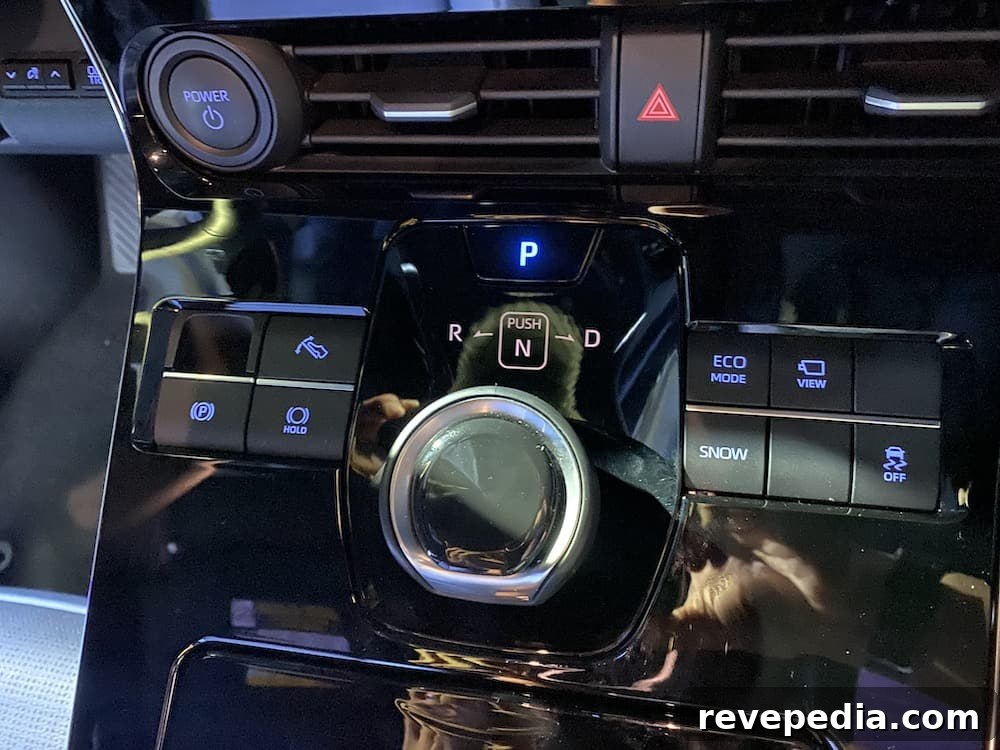
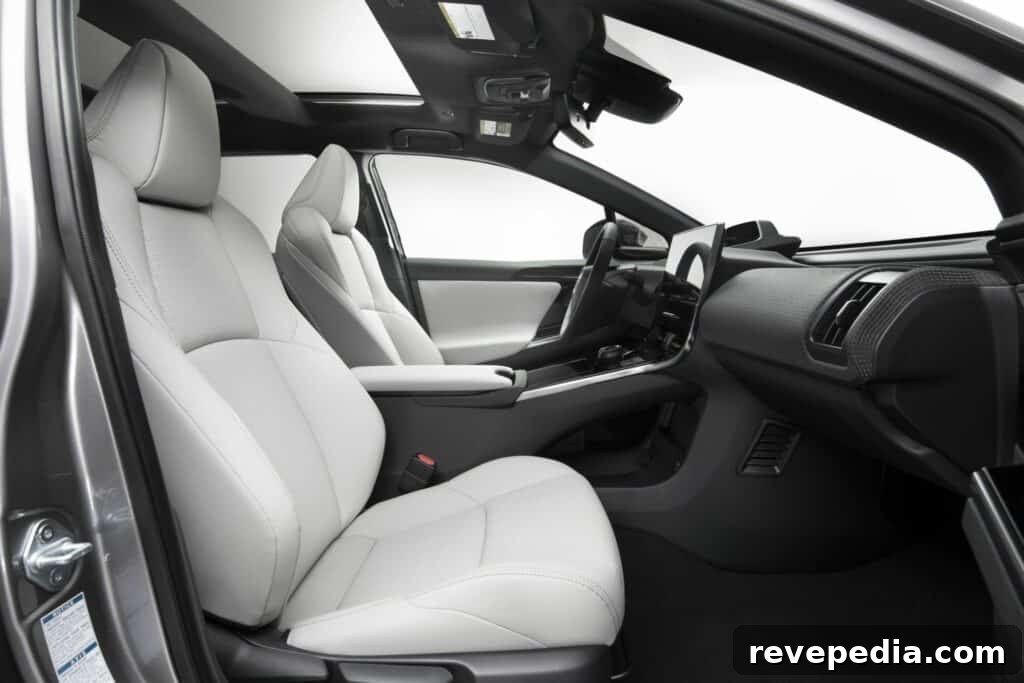
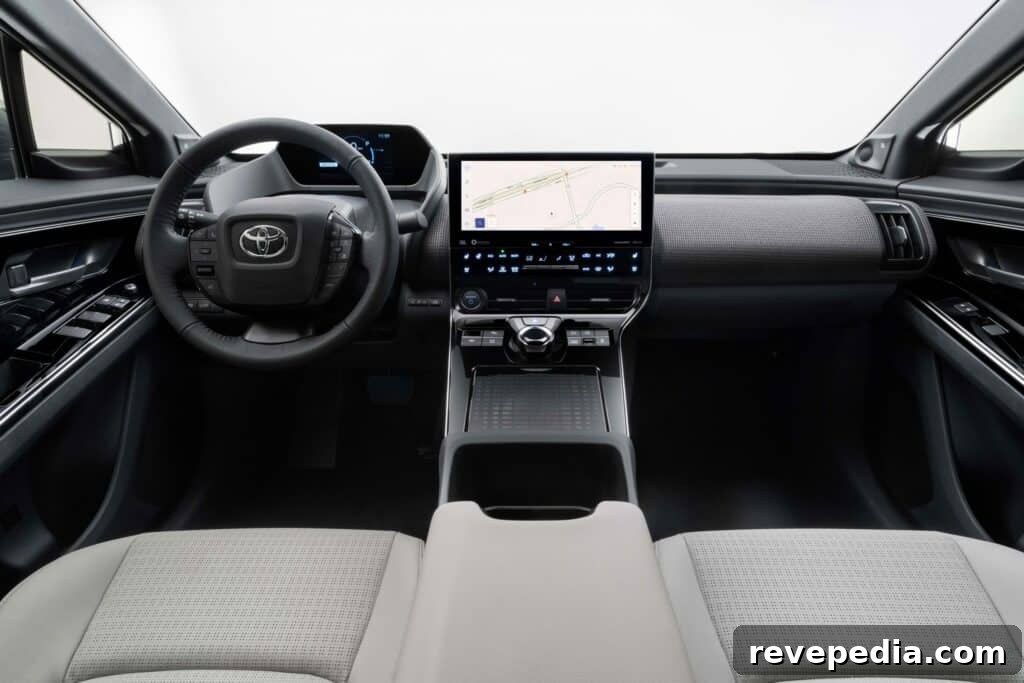
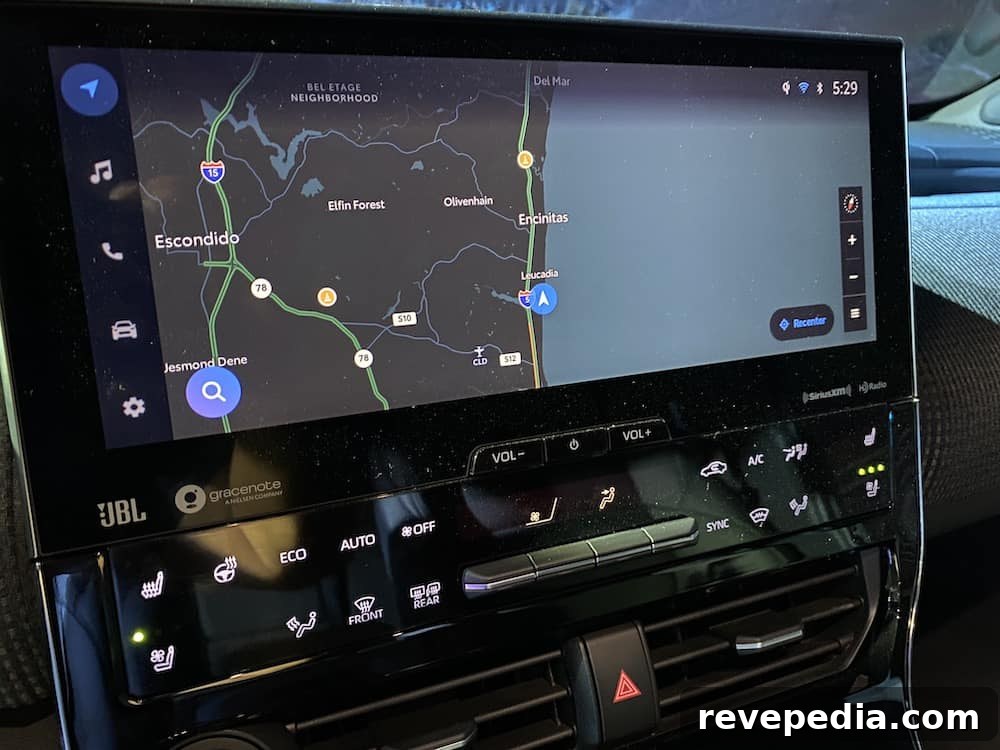
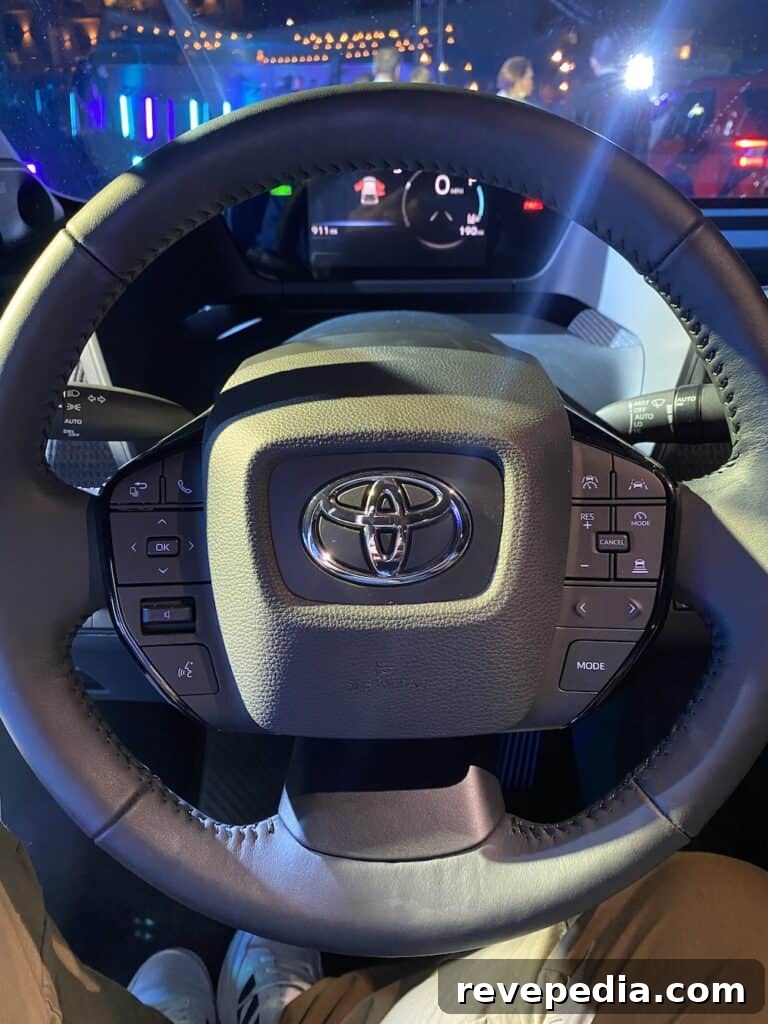
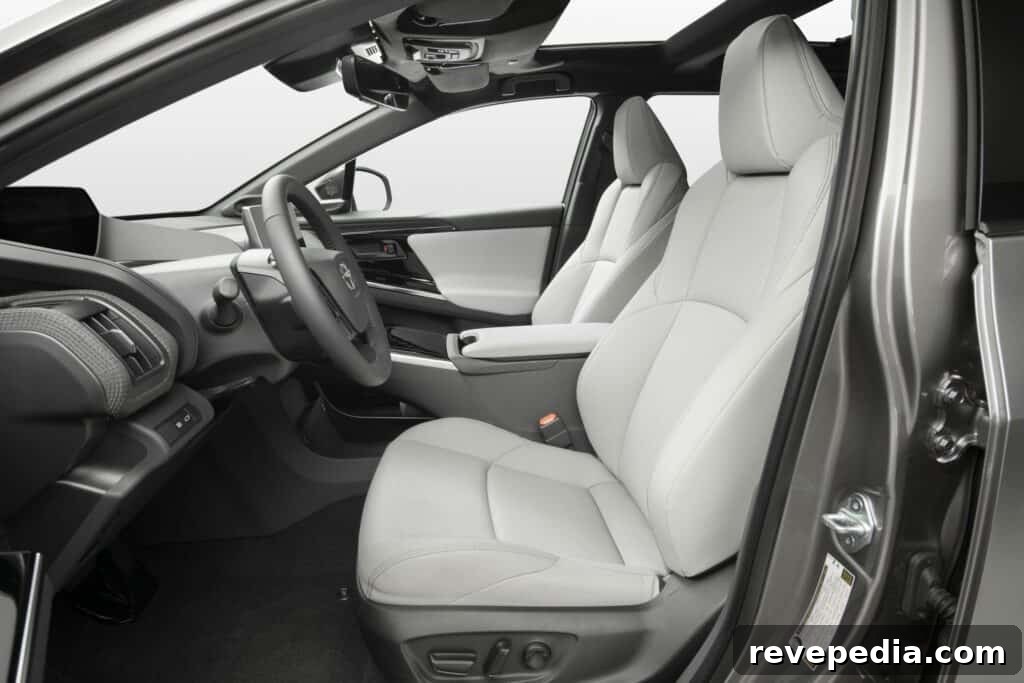
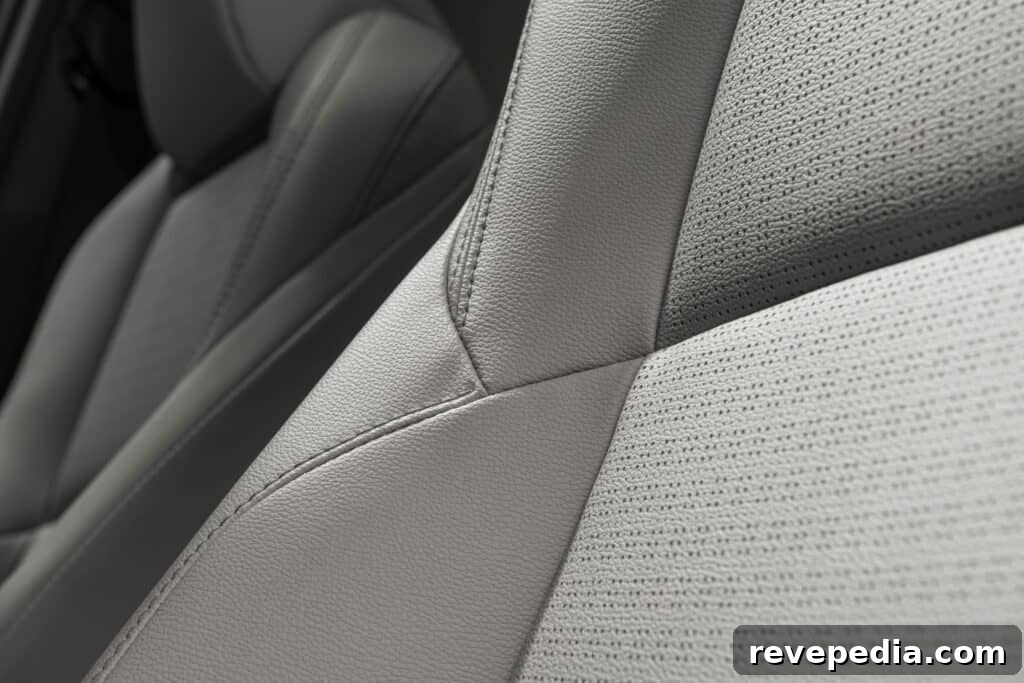
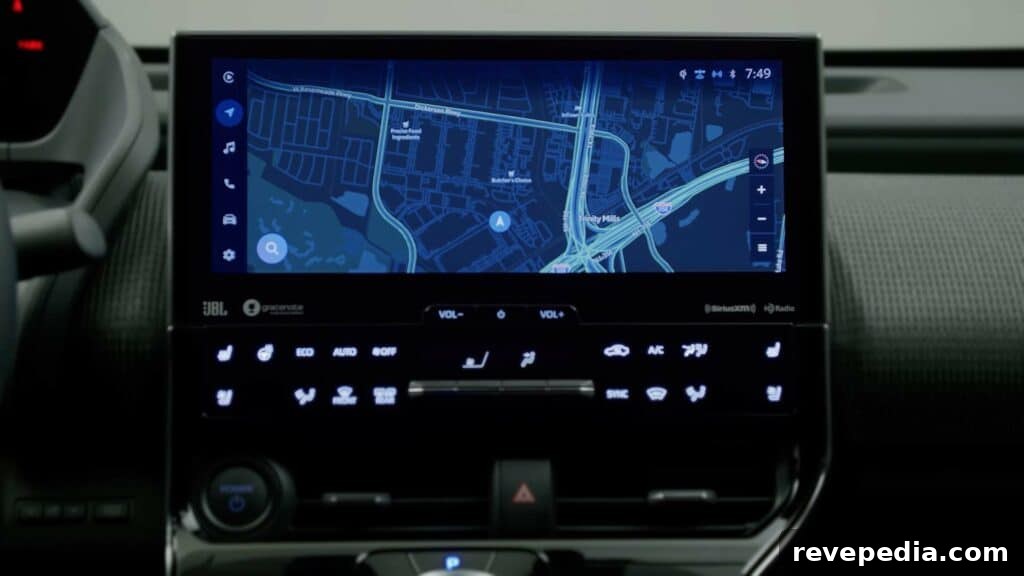
The interior design is clean, modern and tech-forward. A large touchscreen handles infotainment and vehicle settings, while physical climate controls remain as a separate panel beneath the screen — a practical choice that helps usability while driving. The digital instrument display is clear and easy to read, and sight lines forward appeared wide and unobstructed, though a full driving evaluation will confirm visibility in everyday conditions.
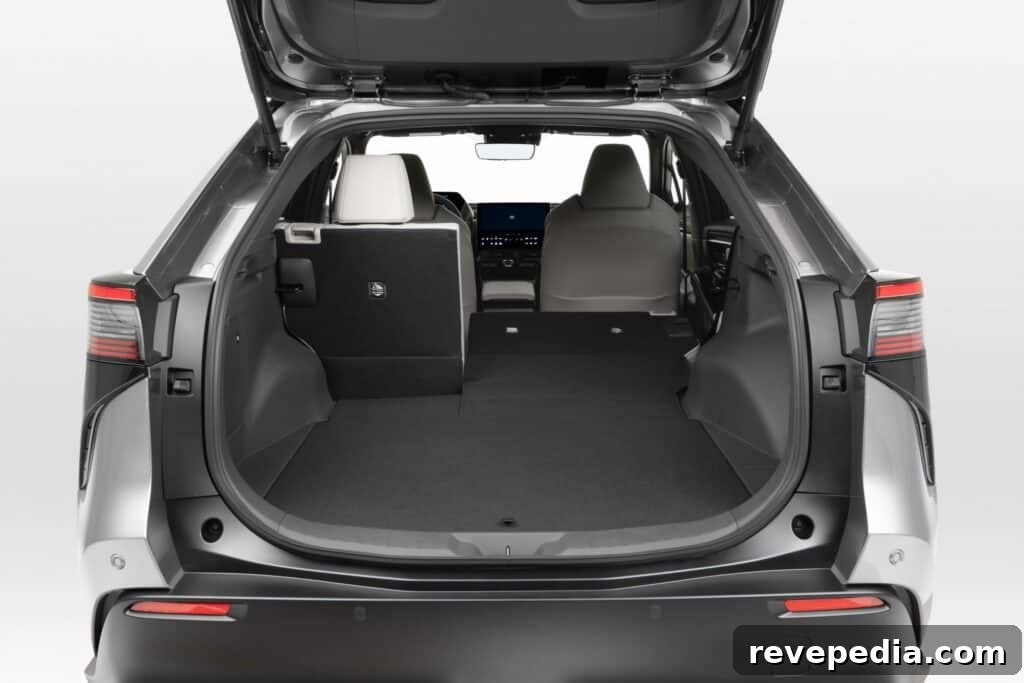
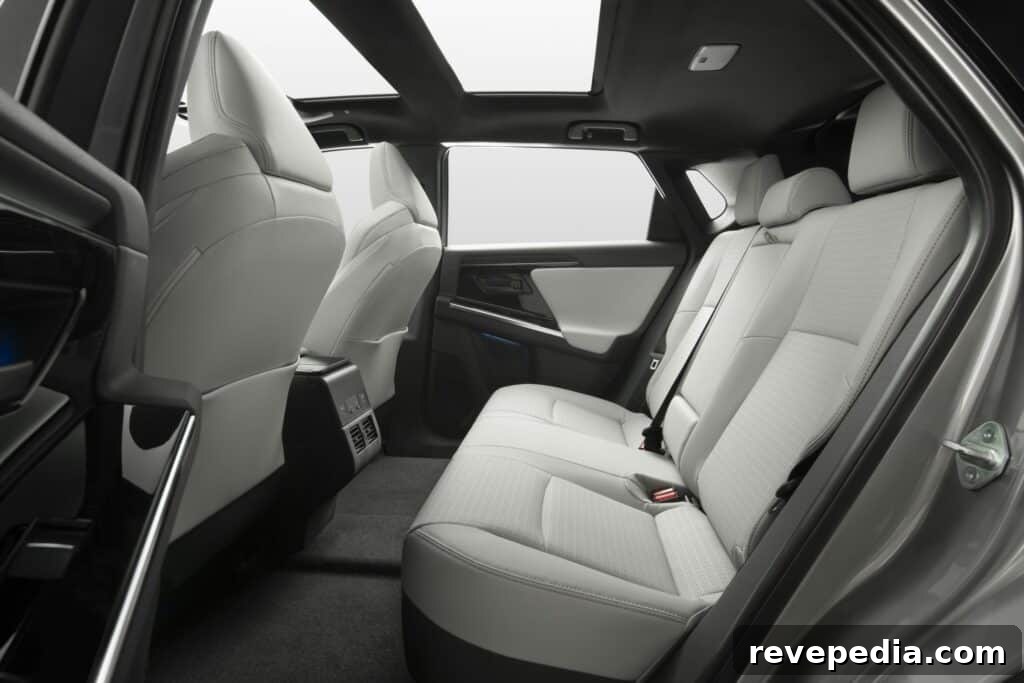
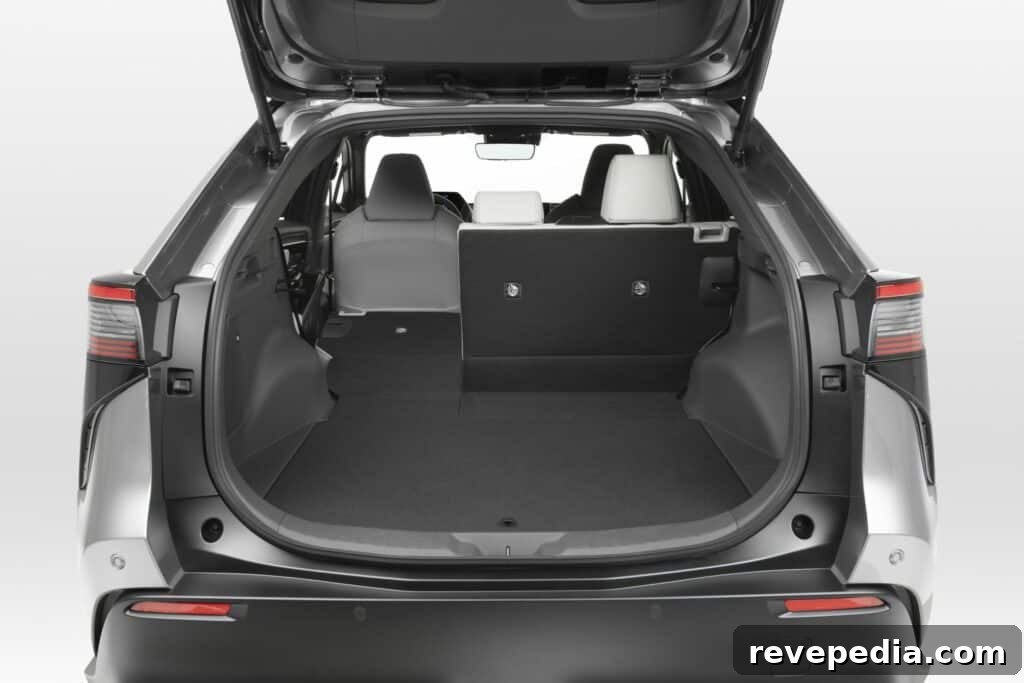
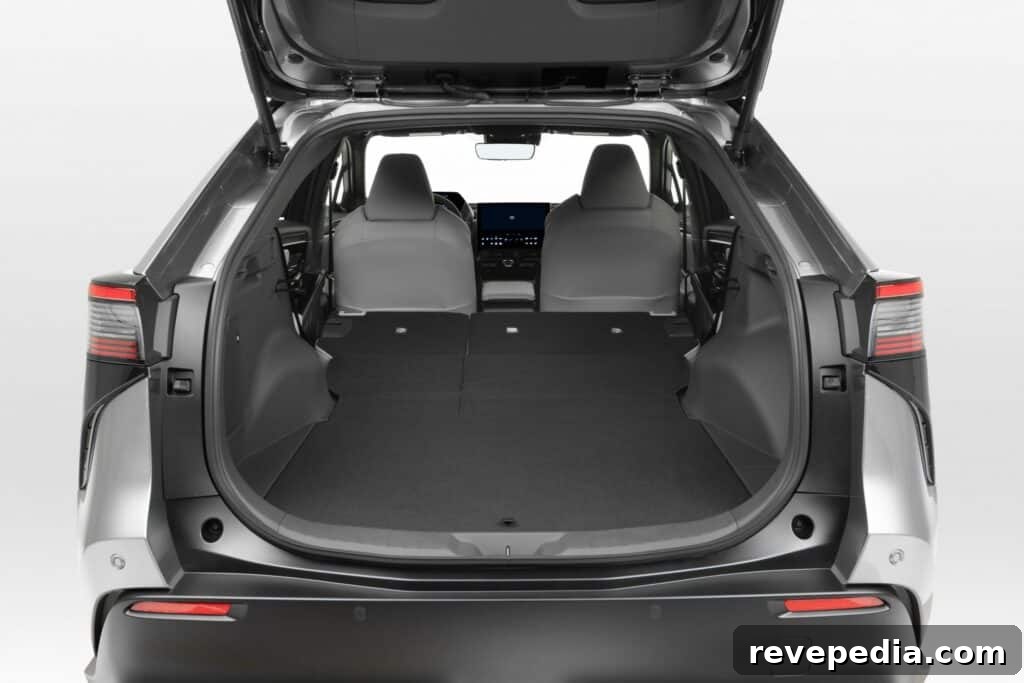
Front and rear seating were comfortable and roomy enough for four adults; a family of five with children should also find space adequate. The trunk offers generous cargo capacity, reinforcing the bZ4X’s practicality for daily use and road trips. The shown vehicle was a working prototype, so small details could change before production.
bZ4X Exterior
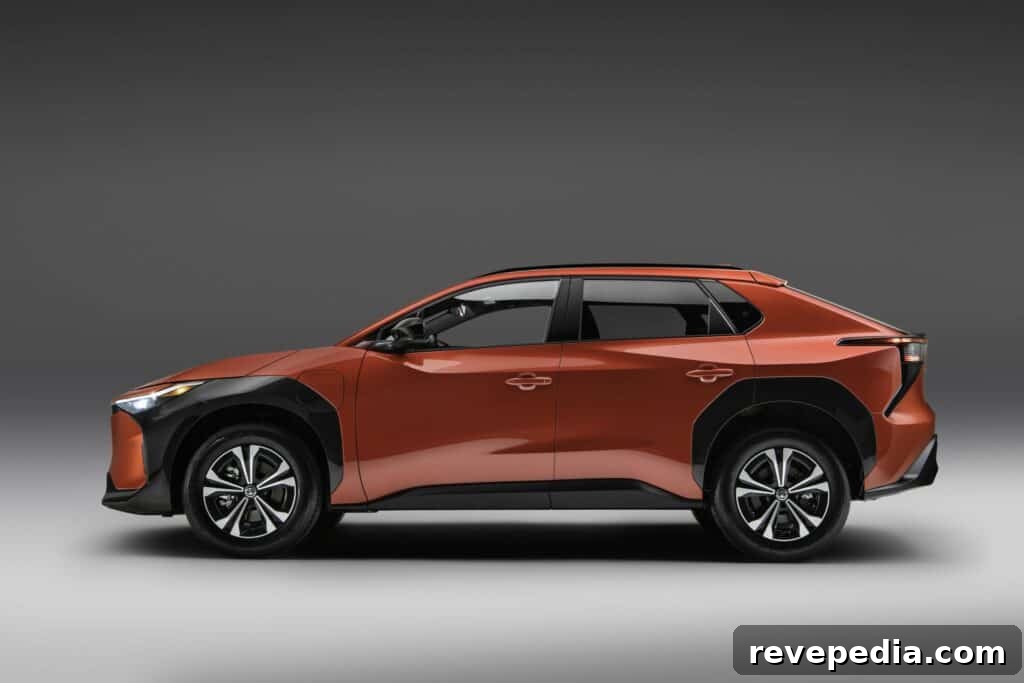
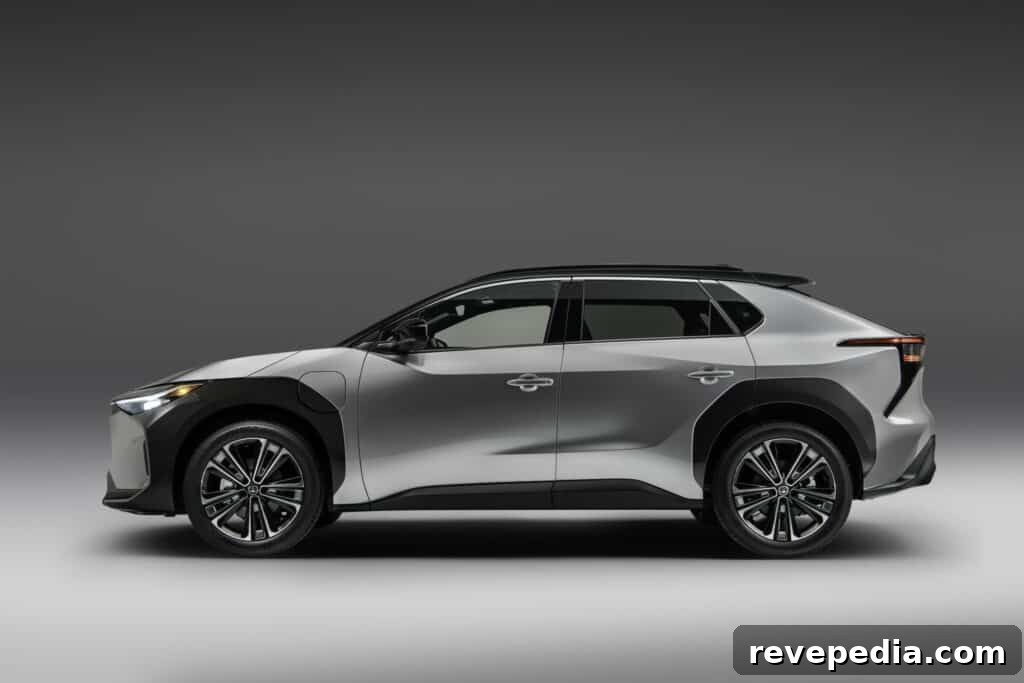
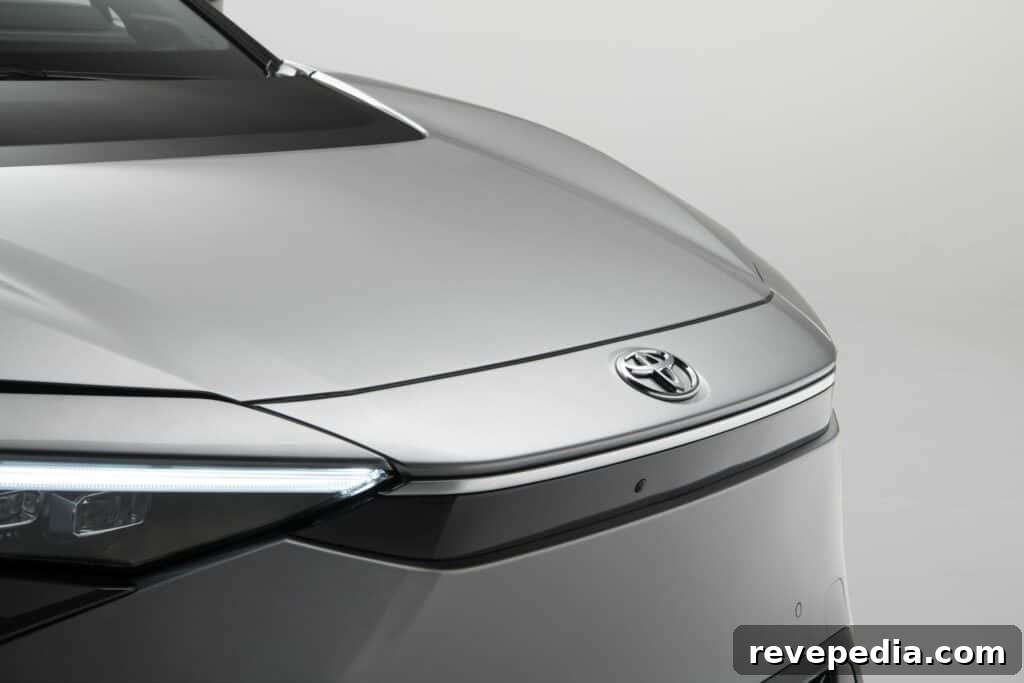
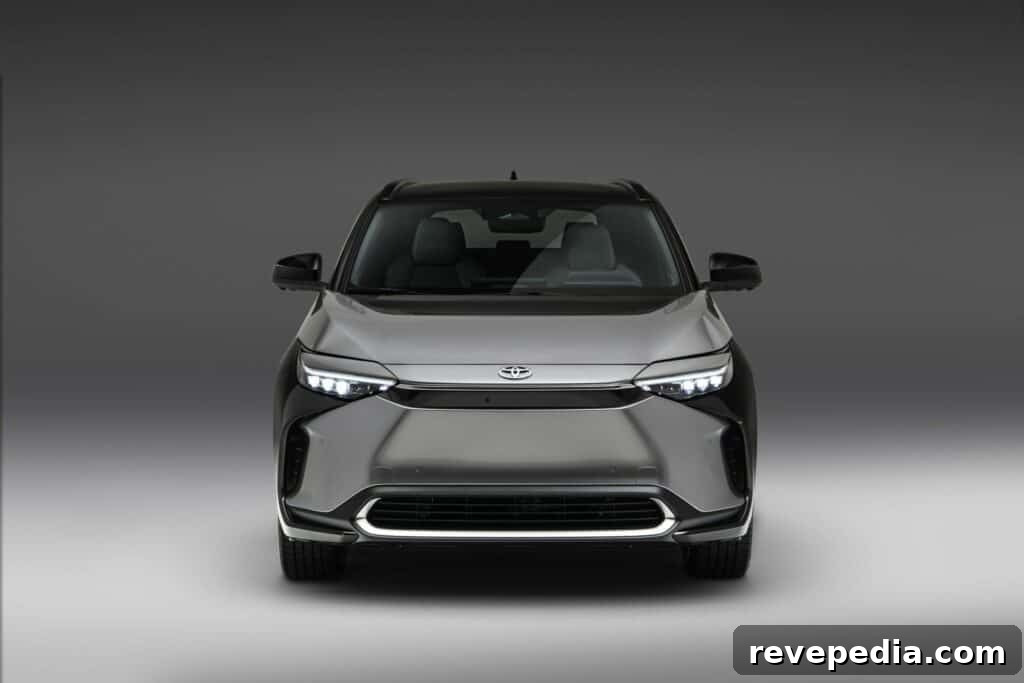
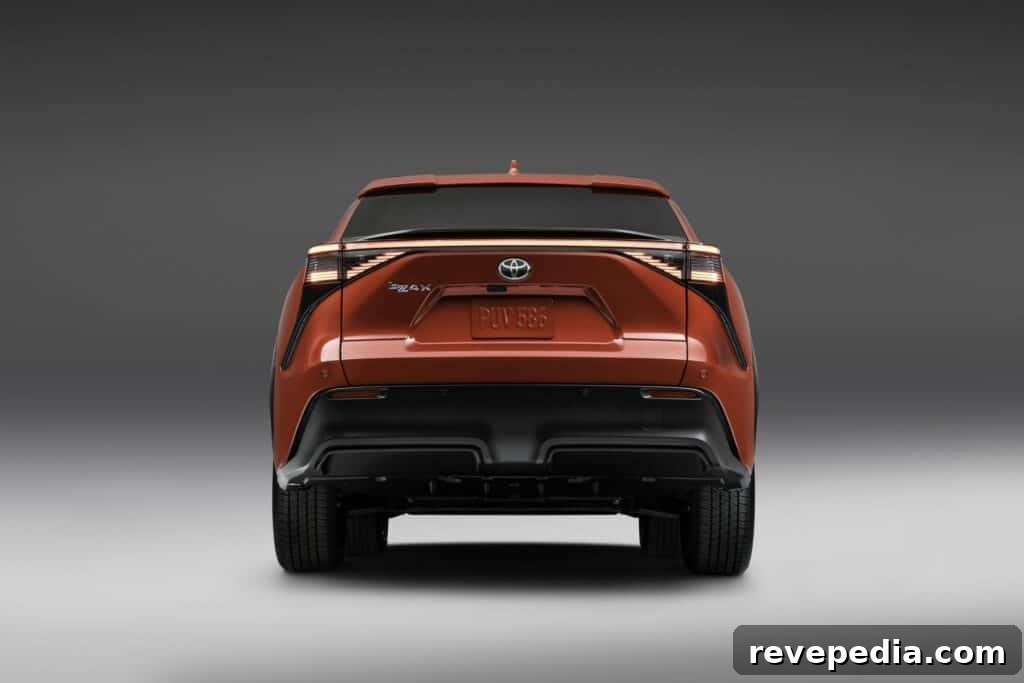
Exterior styling further emphasizes the bZ4X’s distinctiveness among crossovers. Its squared-off, stout stance, balanced wheel proportions and height create a purposeful look that avoids blending in with the crowd. The upright front fascia and compact headlights tucked into the corners give the bZ4X a unique face, while black fender flares add a slightly rugged aesthetic that complements the vehicle’s proportions.
bZ4X Power, Performance, and Range
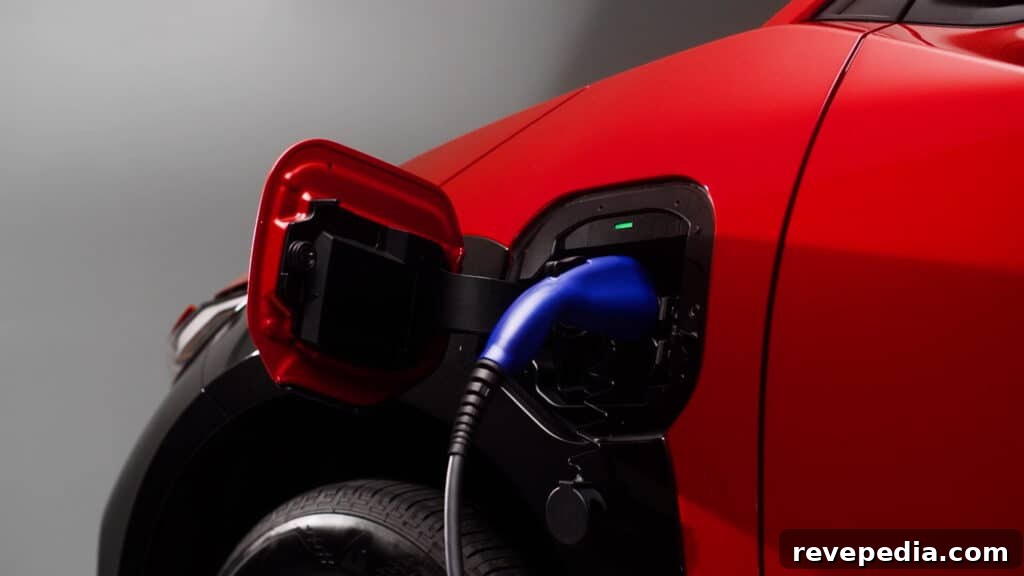
The bZ4X is a pure battery-electric vehicle with no gasoline engine or hybrid system. It uses a 64.0-kWh battery pack powering a single motor front-wheel-drive setup that produces about 150 kW (roughly 201 horsepower). Thanks to electric torque, Toyota estimates a 0–60 mph time around 7.7 seconds for the single-motor model.
Toyota quotes up to about 250 miles of range for the single-motor front-wheel-drive variant. A dual-motor all-wheel-drive option is available for buyers who want extra traction and power; AWD will reduce range somewhat but not dramatically. An important ownership advantage Toyota highlights is battery longevity: the company expects the battery to retain approximately 90% of its capacity over the first 10 years, addressing a common concern about long-term EV battery degradation and resale value.
bZ4X Pricing
Toyota had not released final U.S. pricing for the bZ4X at the time of the preview, but it is expected to be positioned competitively within the compact-to-midsize electric crossover segment. That should place the bZ4X in a price range comparable to rival EVs in its class. Federal incentives and other programs may further influence the effective purchase price for buyers depending on timing and eligibility.
Toyota bZ4X Driving Impressions – Update
A subsequent driving event in Encinitas allowed hands-on driving in both front-wheel-drive and all-wheel-drive bZ4X models. The following impressions reflect on-road experience after roughly an hour behind the wheel and as a passenger in both configurations.
Performance
The bZ4X is not a high-performance EV focused on speed; instead it offers adequate acceleration and smooth, usable power delivery. Instant torque is present as with most electric vehicles, so highway merging and everyday acceleration feel responsive. For most buyers — commuters, families, and daily drivers — the bZ4X delivers the right balance of performance, comfort and efficiency. The front-wheel-drive model feels slightly peppier and is likely the best value for drivers in milder climates who do not need all-wheel traction.
Comfort
Seats are wide and supportive, with good legroom in both front and rear rows. The lack of a third row frees up space for cargo, making the bZ4X practical for errands, family outings and weekend trips. Ride quality and interior comfort align with Toyota’s focus on usability rather than sportiness.
Summary
Toyota’s strengths — dependability, user-friendly design and broad dealer support — will help the bZ4X succeed even in a competitive EV market. For many buyers, particularly those purchasing their first EV, the bZ4X’s combination of practicality, interior space, and Toyota’s reputation will be very appealing.
Toyota bZ4X or Subaru Solterra
The bZ4X was developed in partnership with Subaru, which will market a very similar vehicle called the Solterra. The two models share platform and many components, so side-by-side comparisons will be useful once both reach showrooms. Toyota expected dealer deliveries to begin around mid-2022.
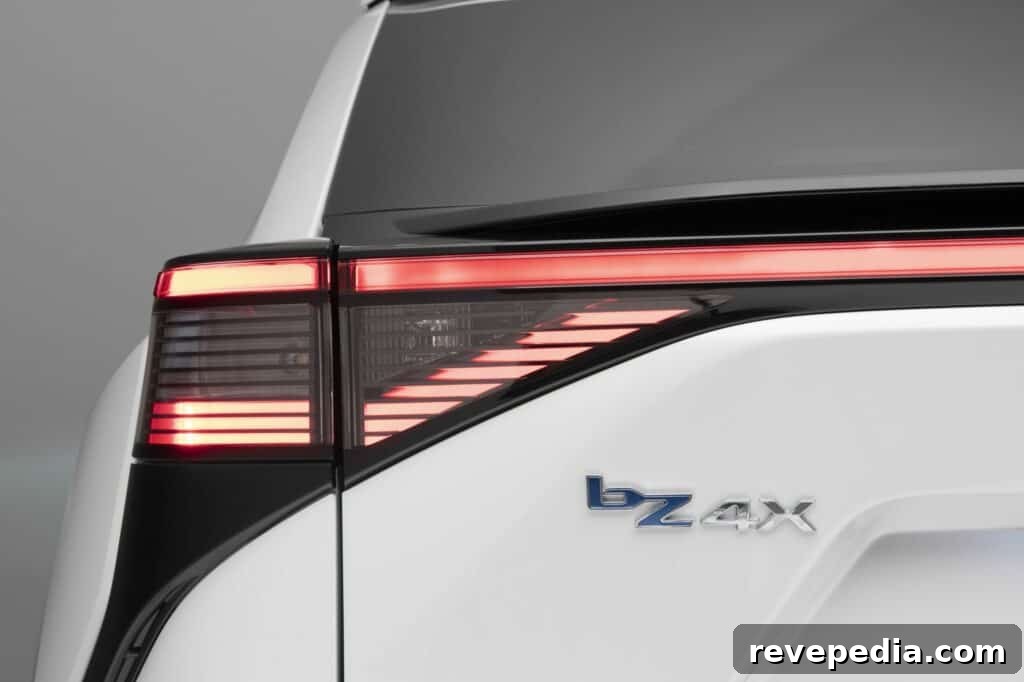
Toyota bZ4X Photos
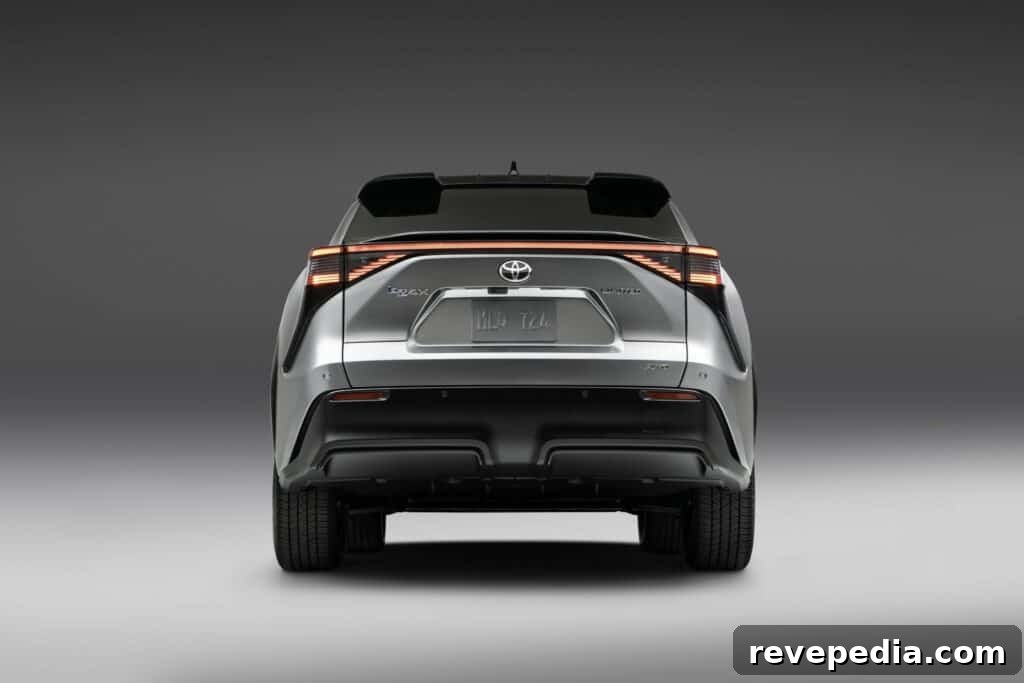
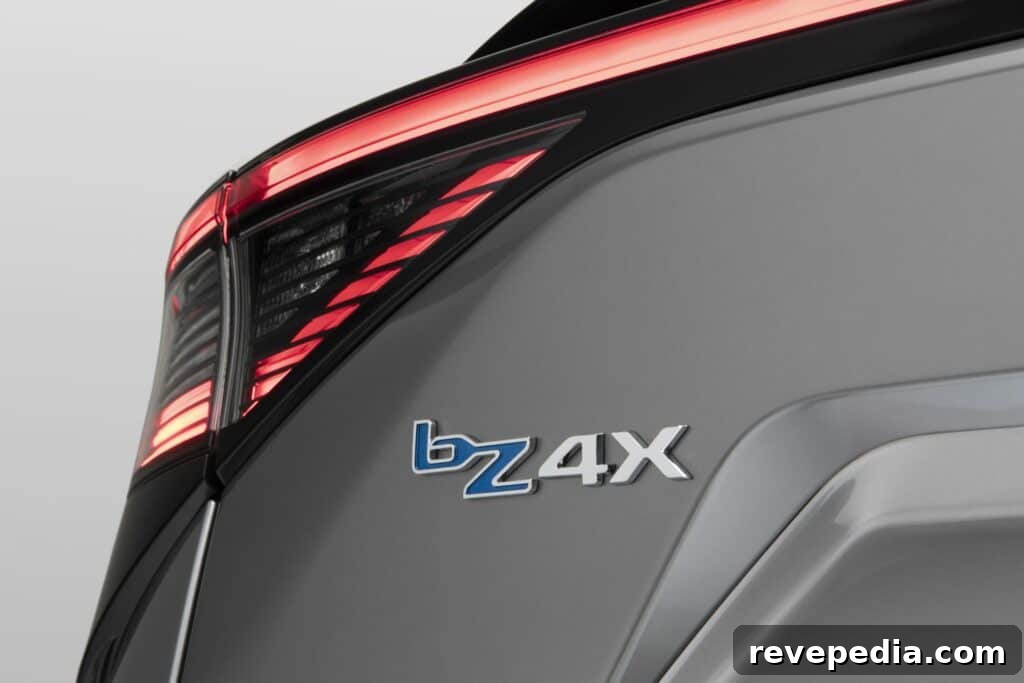
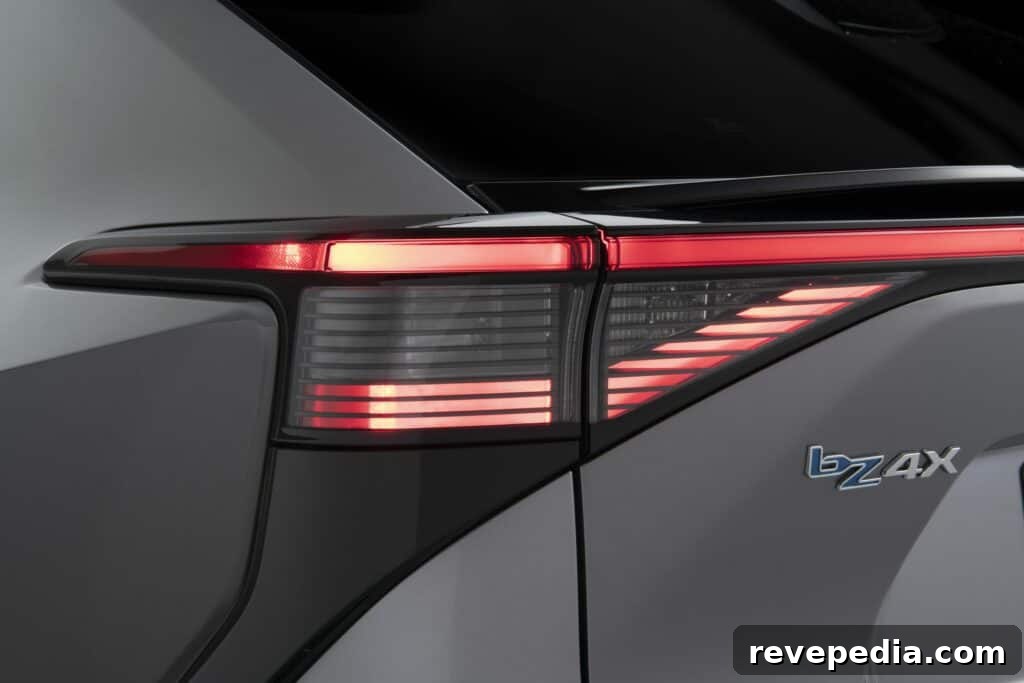
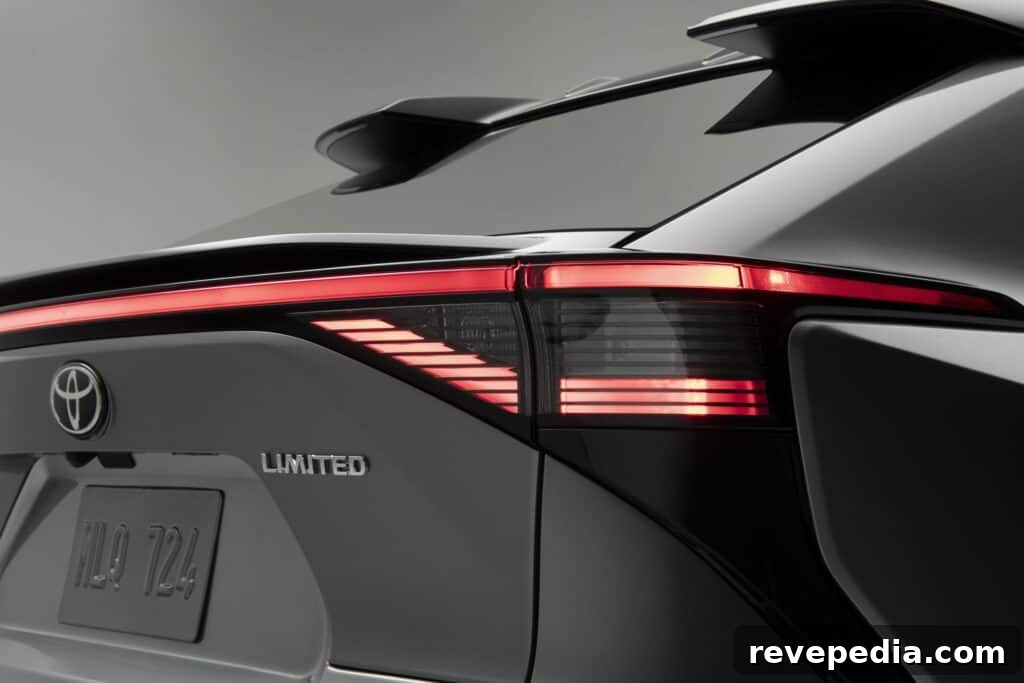
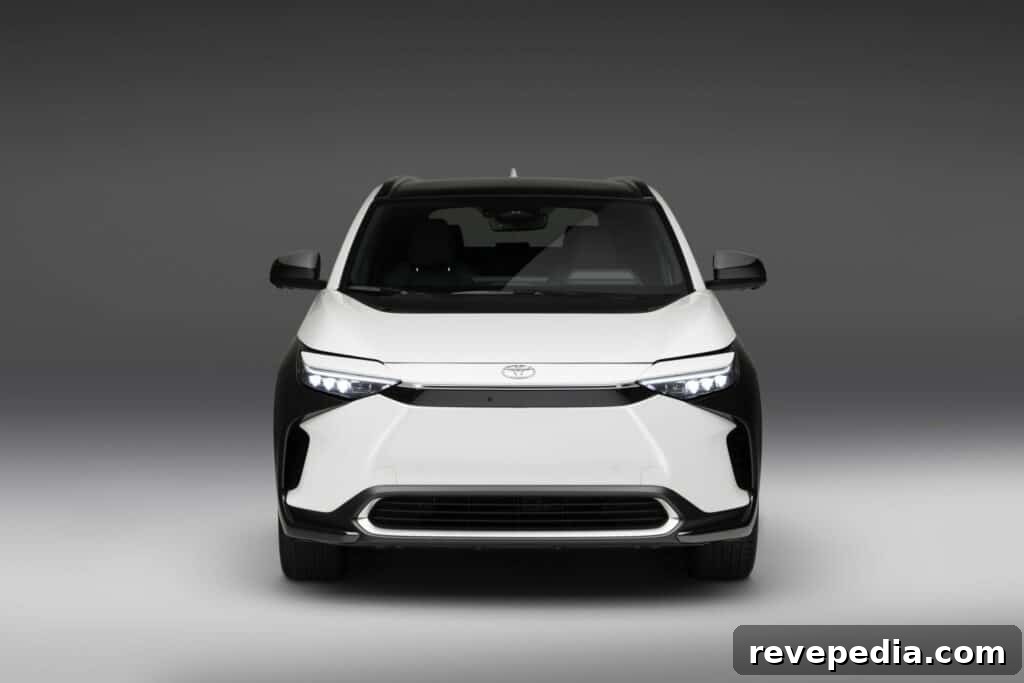
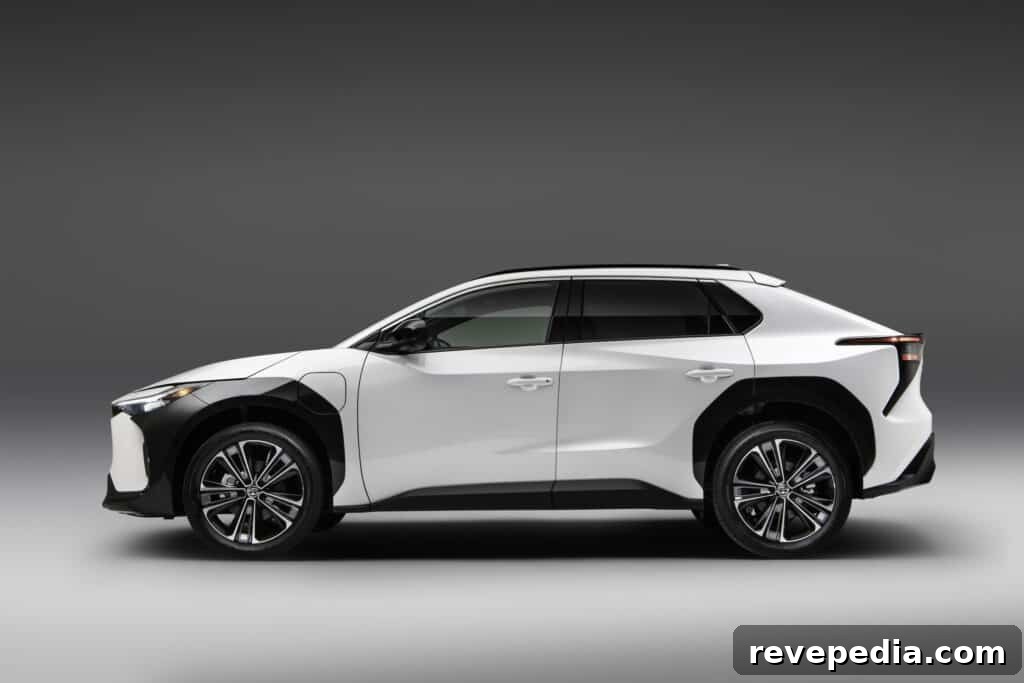
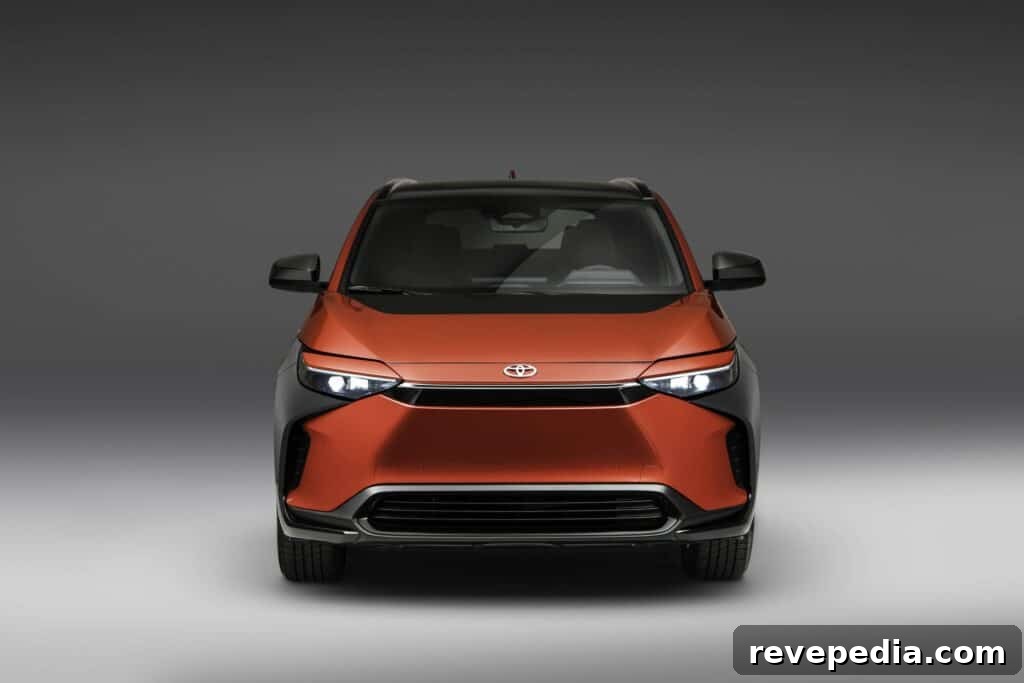
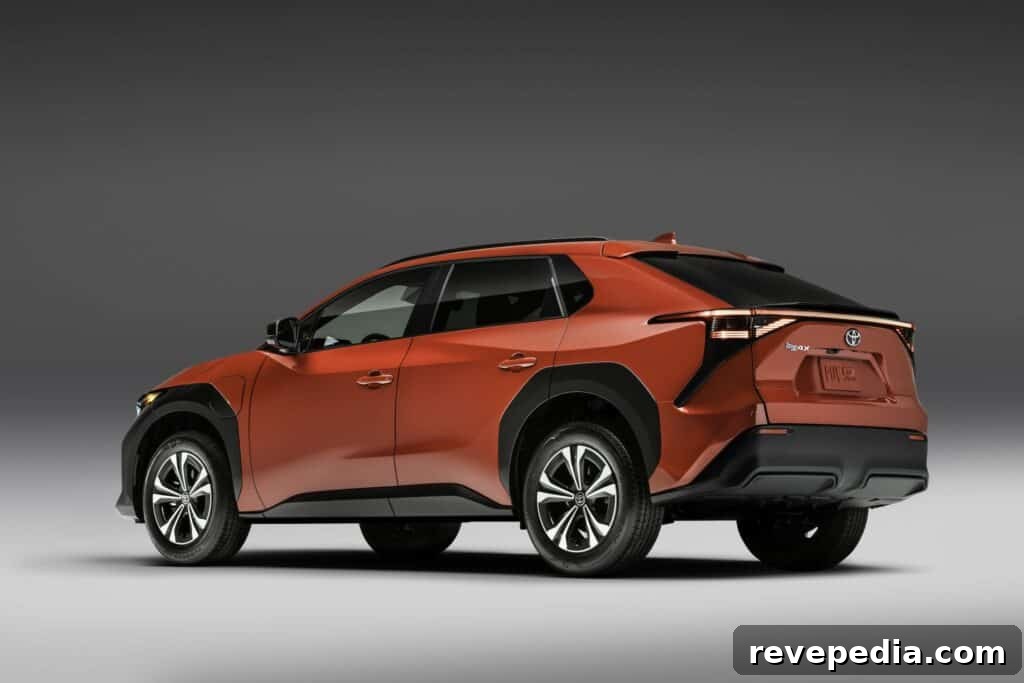
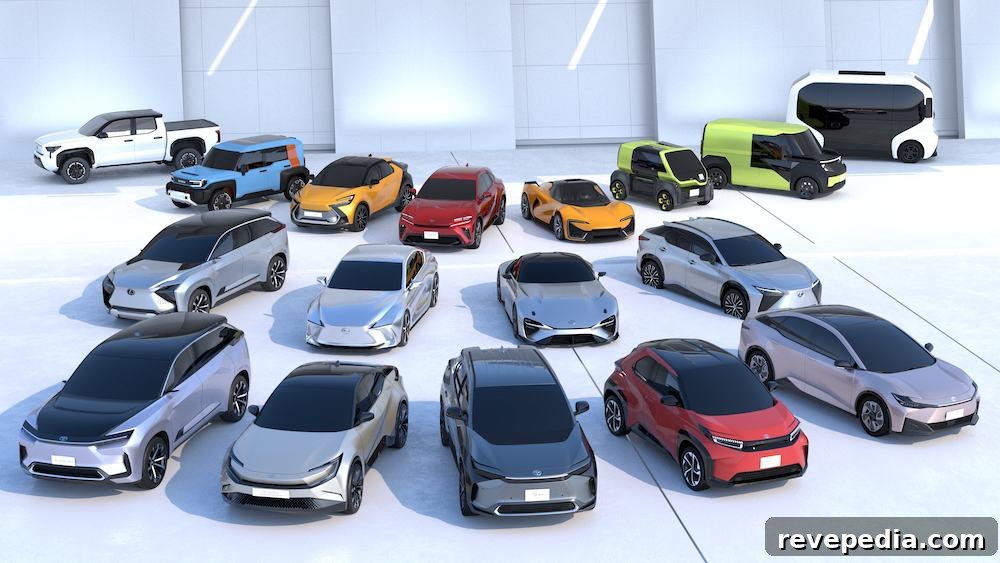
Toyota BEV Concept Vehicles
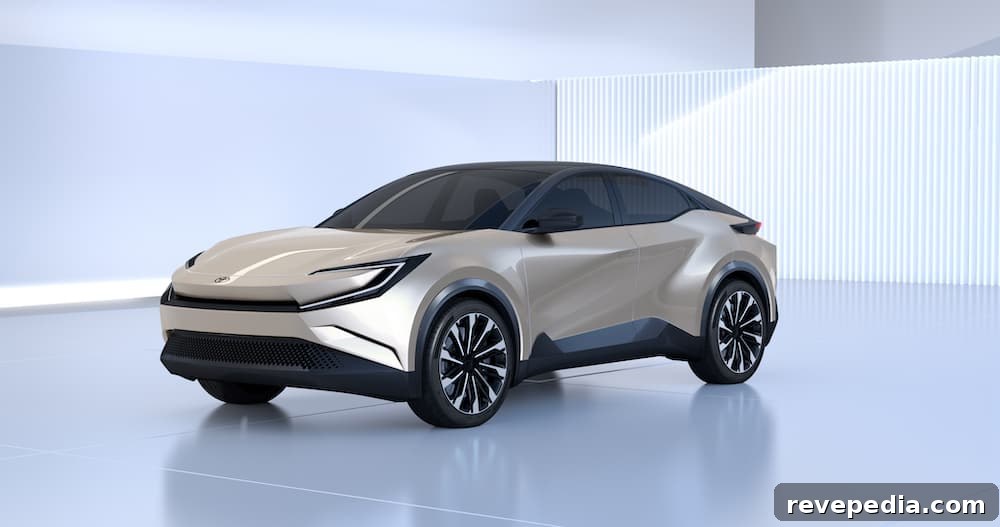
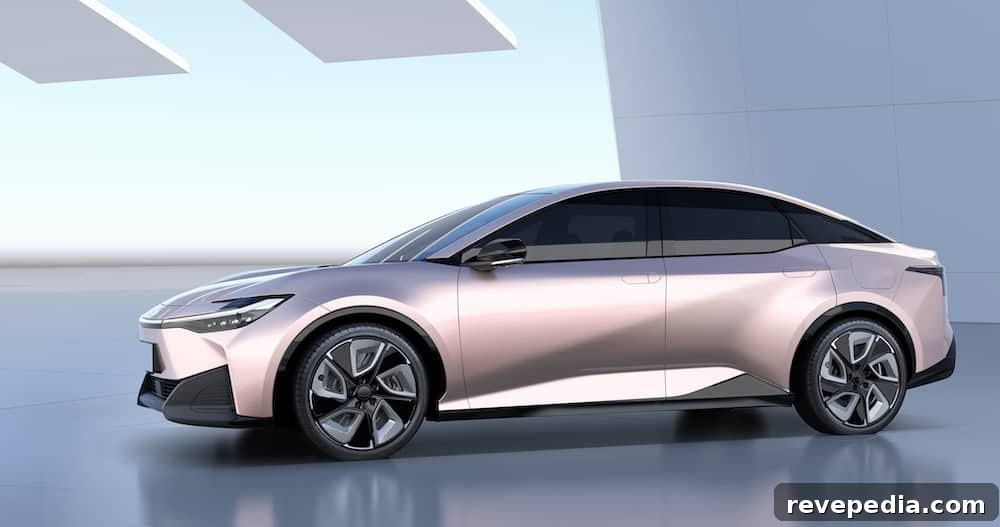
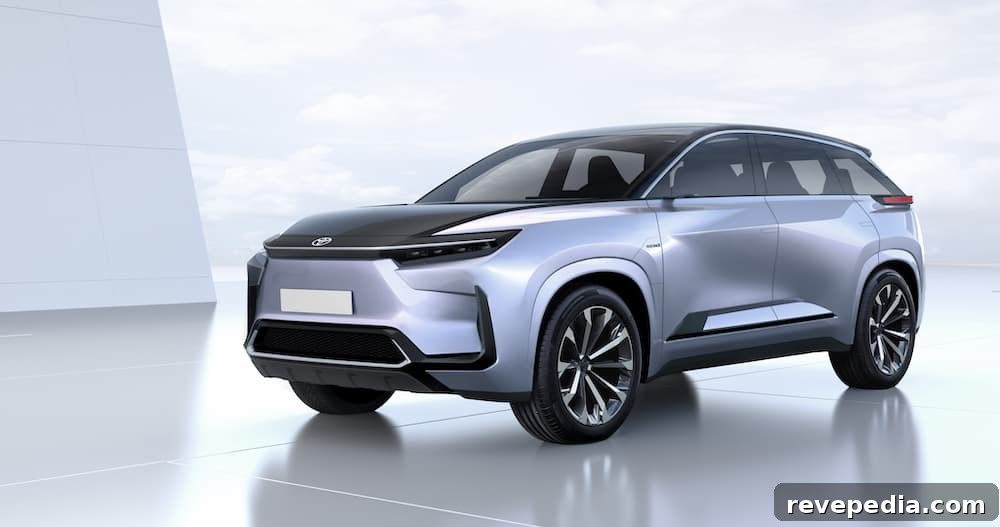
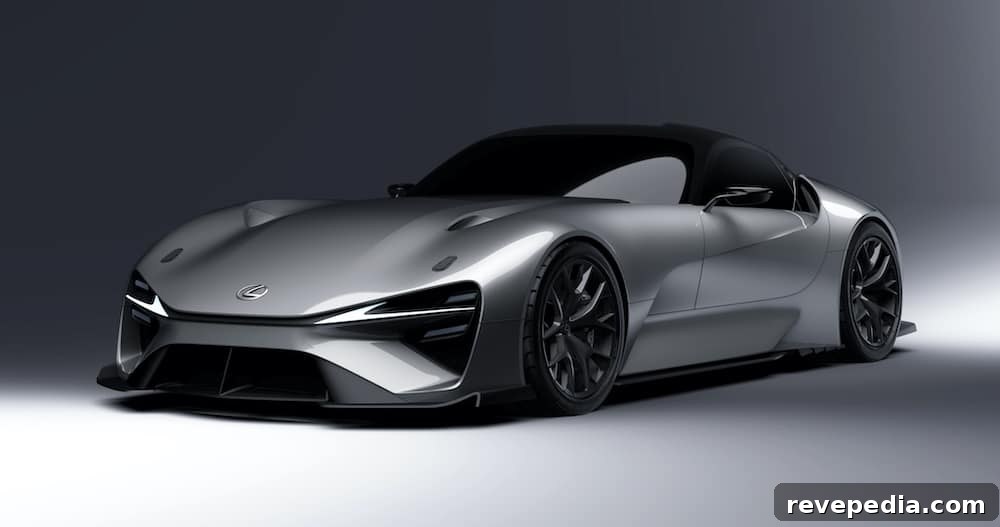
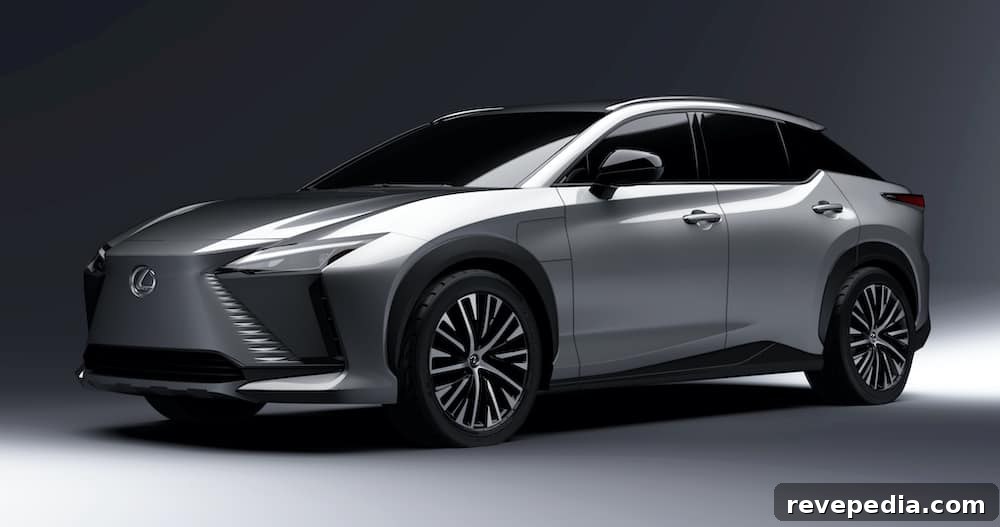
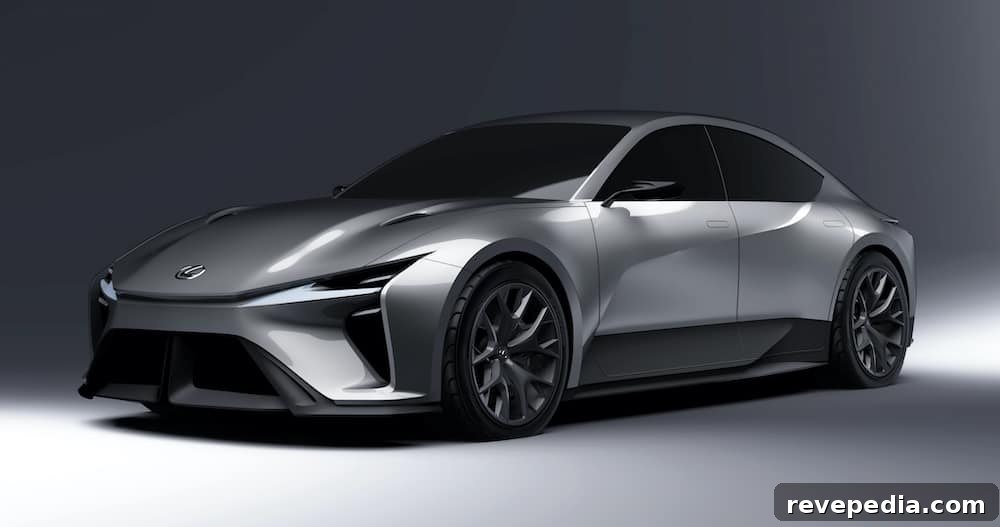
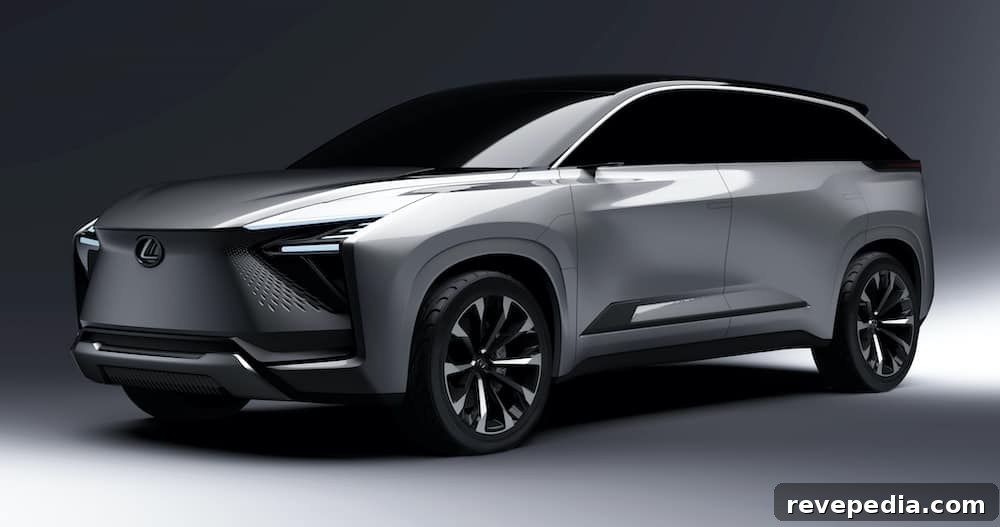
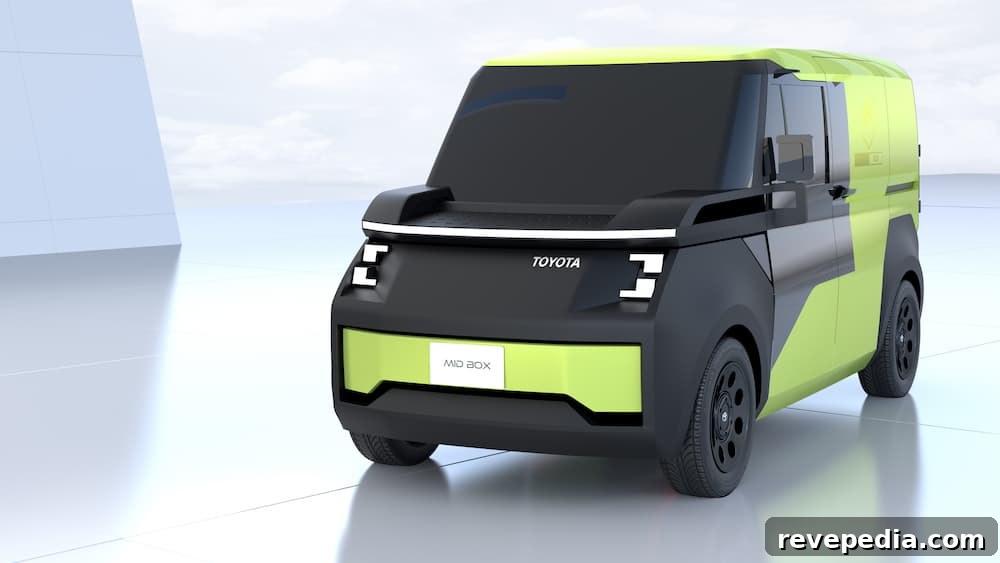
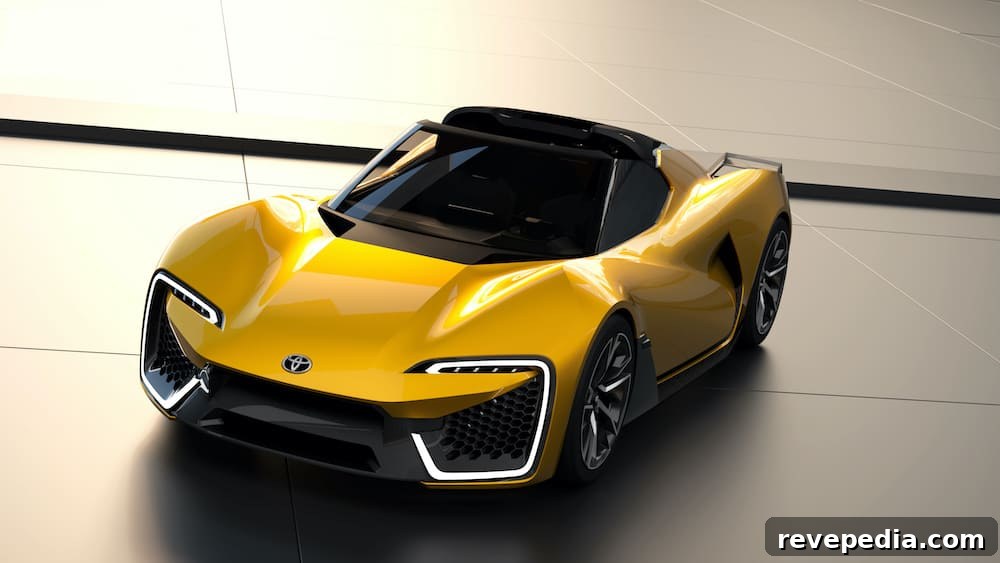
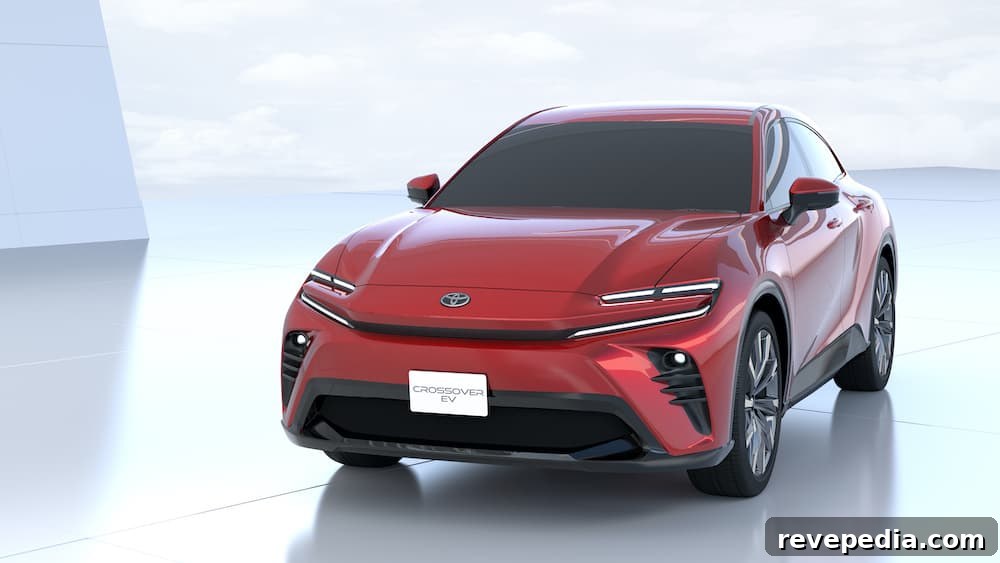
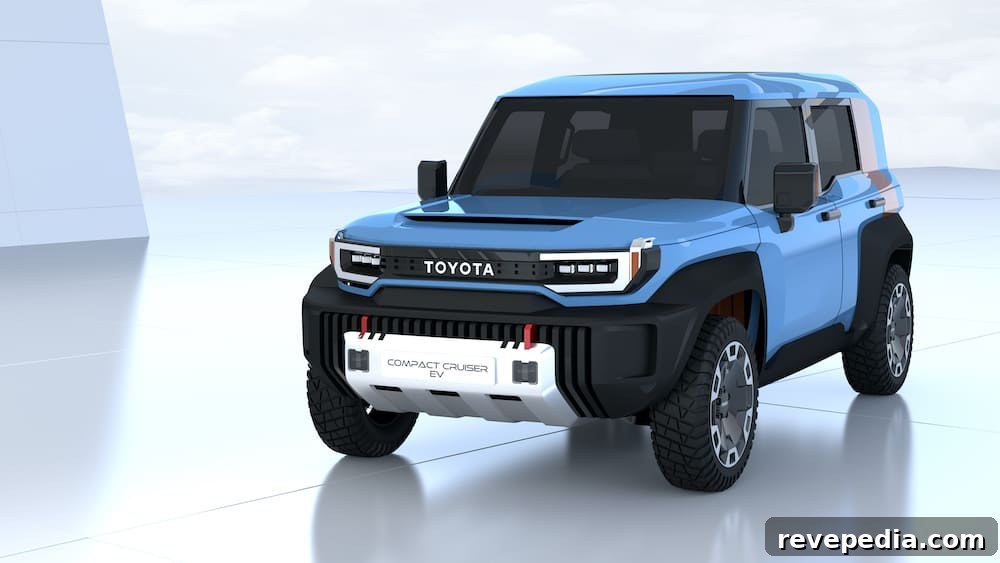
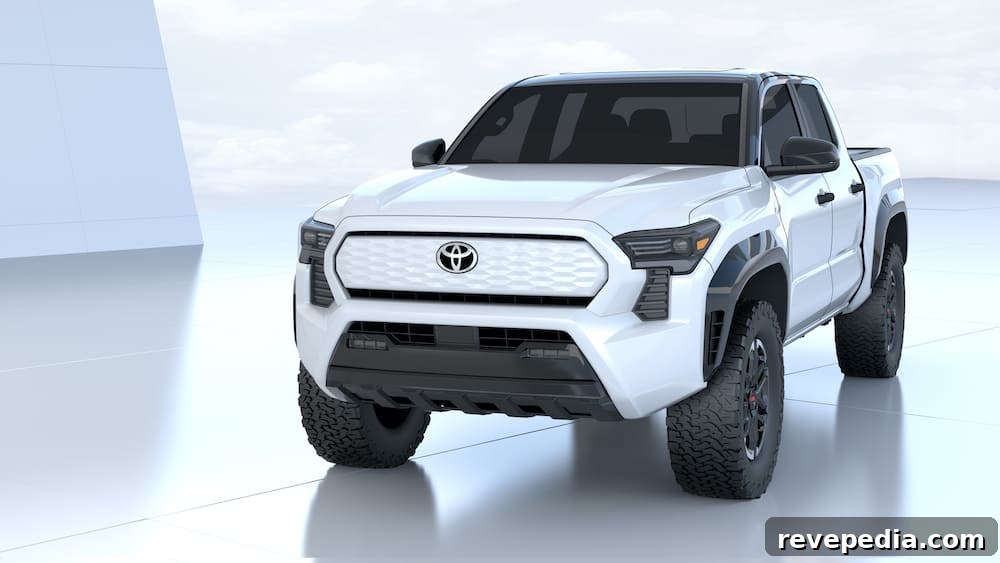
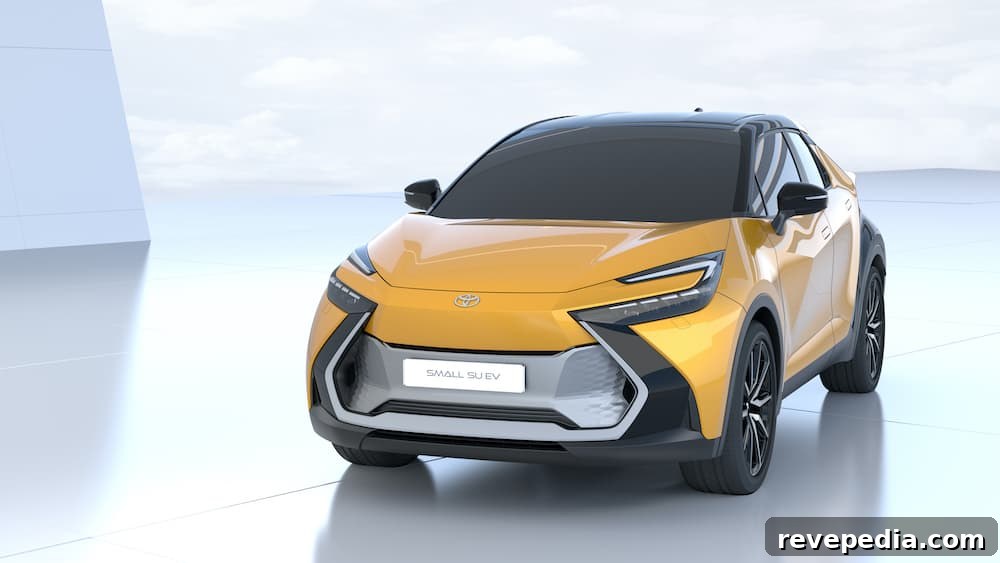
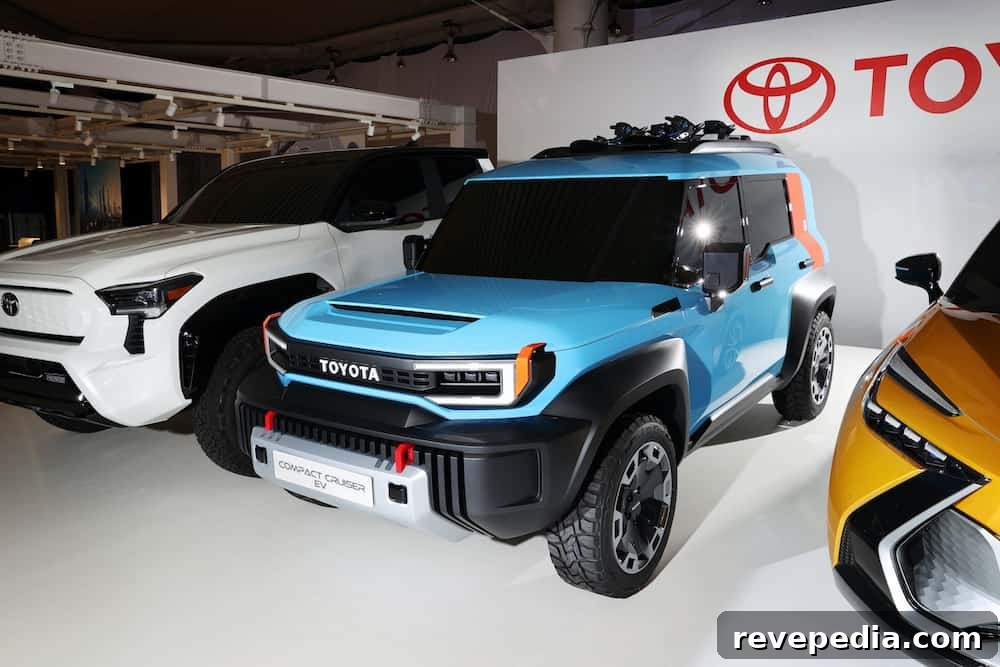
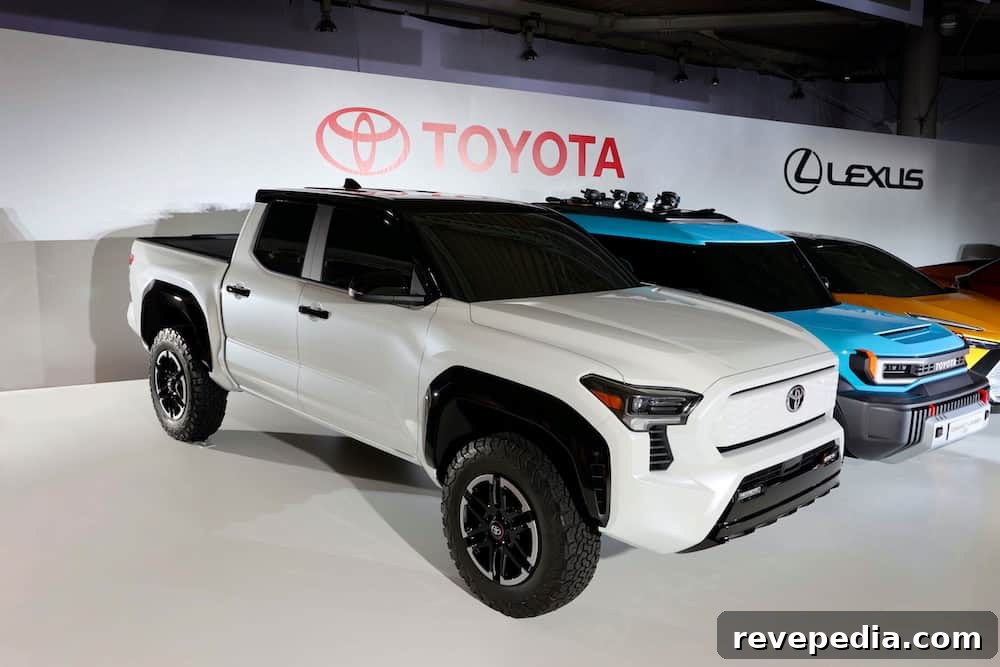
UPDATE: Toyota announced a new family of BEV concept vehicles as the company accelerates its electrification roadmap. Toyota’s president has set an ambitious target of achieving global sales of roughly 3.5 million battery-electric vehicles per year by 2030. To reach that goal, Toyota is developing a wide range of body styles — including coupes, sedans, SUVs and potential pickup designs — that hint at future production models and a broadened BEV lineup.