
Most students spend hours choosing the perfect comforter for their dorm but rarely consider how their study space should change as they progress academically. This stage-by-stage guide explains how to grow your study environment alongside your education so your space supports your needs at every phase.
Think back to your first time in a college dorm: cinderblock walls, a twin bed bolted to the floor, and a desk that looked like it had survived decades of late nights. It wasn’t much, but it was yours, and you made it work.
Fast-forward a few years. You may be deeper into your studies, possibly pursuing a graduate degree online while balancing work and life. That same initial dorm setup would feel limiting and could actively hold you back. Study spaces aren’t static—they should evolve as your needs change.
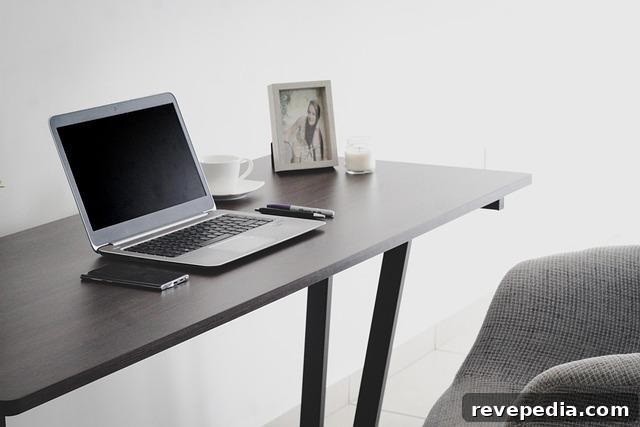
Here’s how to approach each stage of academic life.
Stage 1: The Freshman Dorm — Survival Mode Design
The freshman dorm is an exercise in constraints: roughly 120 square feet, institutional furniture, an unfamiliar roommate, and only a few belongings to make the space feel like home. At this stage, function trump aesthetics.
The single most important priority is protecting the desk. It’s easy for that surface to become a catch-all for laundry, takeout containers, and chargers, but the desk is your productivity engine. Keep it clear, keep it well-lit, and treat it as a dedicated workspace—even if it sits inches from your bed.
A small clip-on task lamp can have an outsized impact. Dorm overhead lights are designed for visibility, not prolonged focused reading. Proper task lighting reduces eye strain and signals to your brain that it’s time to work.
Multi-use furniture is invaluable at this stage: storage ottomans, loft beds that free up floor space, and desk-top shelving all help every square inch pull double duty. You don’t have to sacrifice style—coordinated bedding, a couple of framed prints, and a plant can make a generic room feel intentional.
Freshman life teaches fundamental lessons: what you truly need versus what you thought you needed, and how much a tidy, designated workspace improves focus.
Stage 2: The Undergrad Apartment — Your First Real Say
Moving off campus marks a turning point: you now control layout, furniture, lighting, and maybe even paint. Many students lavish attention on the living room while neglecting the study area—don’t repeat that mistake.
Even without a dedicated room, you can carve out a functional study corner. A supportive chair at the correct height, a desk large enough to spread out on, and shelving to organize materials can convert a dining nook into a serious workspace. Rugs are particularly useful in open-plan layouts: they define zones and create a psychological boundary that signals this area is for work.
Invest in furniture that can move with you. A solid desk, a quality chair, and a reliable lamp are long-term purchases that will serve you through multiple moves. Cheap flat-pack furniture often fails after one relocation.
Distractions become a real issue in apartment life. A roommate’s TV, an always-visible kitchen, and friends who know you’re home can undermine focus. Simple strategies help: noise-cancelling headphones, consistent seating for work versus leisure, and keeping only task-related items on your desk.
By the time you leave your undergrad apartment, you should have a clear sense of what your ideal study environment looks and feels like—knowledge that will be crucial in the next stage.
Stage 3: The Graduate Home Office — Where It Gets Serious
Graduate study changes how you work. For online graduate students, the home becomes a campus, and your environment matters more than ever. Without a library or campus building to escape to, your space must provide separation, focus, and the cues that help you switch into “work mode.”
Separation is the first priority. If you can spare a room, make it your office—a door you can close creates a psychological commute that helps your brain switch contexts. If a dedicated room isn’t possible, clearly define and protect a study zone, and keep it consistent.
At this level your setup also needs to be professional. Video calls are routine: seminars, group meetings, presentations, and advisor meetings all require a neat, well-lit background. Good lighting and an uncluttered backdrop make a positive impression. A quality USB microphone improves clarity during discussions and presentations.
Tailor your setup to your field. For example, students in health-related graduate programs benefit from a calm, professional background for observed practice sessions and synchronous coursework, along with an organized desk for managing heavy reading and case materials.
Storage becomes critical. Graduate coursework generates textbooks, journals, printed readings, and notes; an organizational system—floating shelves, filing cabinets, or labeled bins—prevents the physical clutter from spilling over into mental clutter.
Ergonomics matter more than ever. If you spend six to eight hours at your desk, a supportive chair, a monitor at eye level, and a keyboard positioned to keep wrists neutral are essential to avoid fatigue and discomfort.
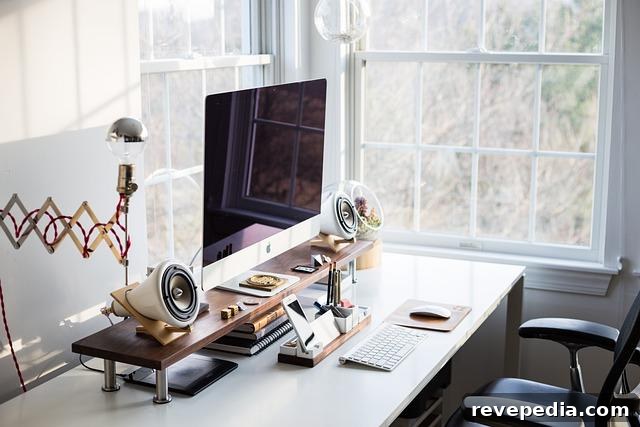
Stage 4: The Professional Home Office — Built to Last
After completing a graduate degree, you’ll have refined what you need to produce focused, sustained work from home. A professional home office is the culmination of those lessons, and it supports long-term productivity in remote or hybrid work environments.
Now you can make more permanent investments: a standing desk, a multi-monitor setup, curated artwork, and lighting that adapts to different times of day. The space should reflect who you are professionally, not just be a corner you claimed.
Also consider practical details: soundproofing for noisy surroundings, blackout curtains to control glare, and a separate charging station to keep devices out of reach during deep work. The goal is a workspace that reduces friction and supports focused work.
Your Space Is Always a Work in Progress
The common thread through all stages is intentionality. Students who struggle with their study environments often accept whatever they’re given without asking which changes would genuinely improve their ability to work.
Each academic stage brings new demands and opportunities: dorm life requires clever small-space solutions, apartments invite purposeful design choices, graduate studies ask you to treat your home like an institution, and a professional office brings everything together into a durable system. Start where you are, make incremental improvements, and continually ask: does this space help me do my best work? If the answer is no, make the change.