
Home improvement projects can quickly become expensive, and siding replacement is no exception. To avoid unpleasant surprises, it’s important to budget accurately for a vinyl siding replacement. If you only plan for a fixed amount and don’t allow any cushion for unexpected costs, a final bill can derail your plans and strain your finances.
Vinyl siding installation costs vary widely depending on several factors: where you live, the type and quality of siding you choose, and any preparatory repairs required before installation. Understanding these variables will help you create a realistic budget and prevent sticker shock when the work begins.
Common Items People Overlook When Estimating Vinyl Siding Costs
1. Waste Overage
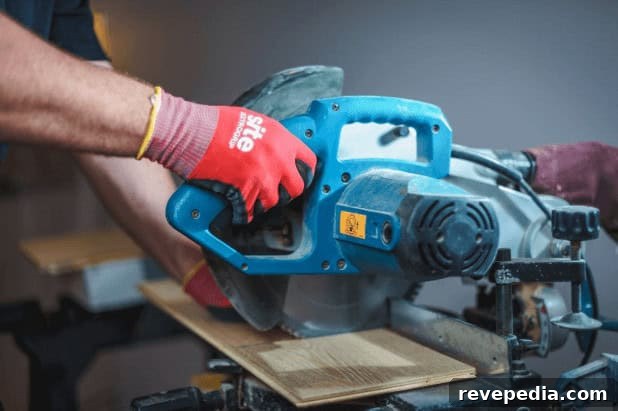
Cutting errors and on-site adjustments mean you’ll typically need more material than the exact wall square footage suggests. Professionals usually account for waste in their bids, but if you’re estimating costs yourself, plan to purchase roughly 10–15% extra material. This buffer covers unforeseen errors and ensures you won’t run short during installation.
2. Removal and Disposal
Many homeowners forget the labor and disposal costs associated with removing existing siding. Tearing off old material, hauling it away, and properly disposing of it can be labor-intensive and costly. When obtaining bids, ask each contractor to itemize removal and disposal charges so you can compare proposals accurately and identify potential savings.
3. Trim and Accessories
J-channels, corner posts, window trim, fascia, and soffits are necessary components of a complete siding job. These accessories add to the total cost and should be listed separately in any estimate you receive. Treat trim and accessory costs like your material overage: unavoidable but manageable when accounted for in advance.
4. Underlayment and Surface Preparation
Siding installation often requires preparatory work, such as replacing damaged house wrap, replacing rotten sheathing, or repairing framing. These repairs are crucial to prevent future problems and ensure the siding performs correctly, but they can raise the overall price. Confirm whether bids include inspection and any recommended repairs so you can make an informed decision.
5. Permits and Inspections
Most siding projects require permits and may require inspections after work is completed. Permit fees and inspection costs vary by municipality and can add a noticeable amount to your total. Make sure contractors include permit-related expenses in their quotes or clearly state whether you’ll be responsible for securing permits yourself.
6. Complex Architectural Features
Houses with complex rooflines, steep pitches, gables, dormers, or many corners demand more time and skill to clad properly. Such features often require additional cutting, custom fittings, and specialized labor or tools, which increase labor costs. Request detailed quotes for complex areas so you understand how each contractor prices intricate work.
7. Shipping and Material Availability
If your chosen siding or accessories must be shipped from distant suppliers, shipping costs can significantly affect your budget. Some regions have easier access to building supplies than others, so factor shipping and lead times into your plan. Ensure shipping is included in any contractor bid, particularly if materials are being sourced from out of town.
Why Replacing Siding Is Often Worth the Investment
Replacing worn or damaged siding improves your home’s curb appeal, protects the structure from moisture and pests, and can boost resale value. Knowing the full range of likely costs ahead of time means you can budget confidently and avoid last-minute financial stress. A well-planned siding project preserves the home’s envelope and prevents costly future repairs.
Whether you’re fixing aged or damaged vinyl siding or investing in a fresh look for aesthetic reasons, a realistic budget is essential. Ask contractors for itemized bids that include materials, labor, removal, permits, trim, underlayment, and shipping. With complete estimates and a contingency for unexpected issues, you’ll be prepared to manage the cost of siding replacement and enjoy the long-term benefits.