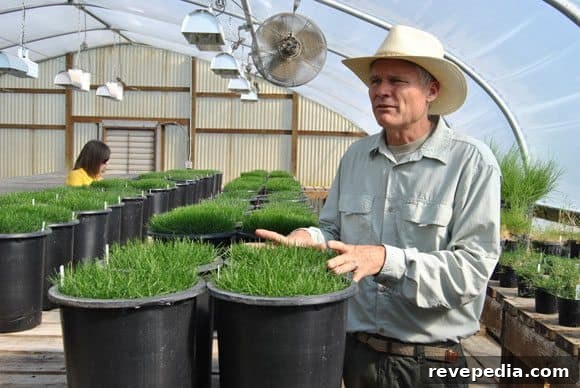
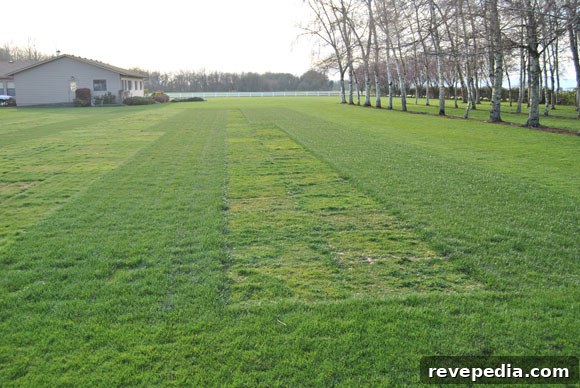
I knew very little about grass seed before my visit to NexGen Turf Research last week. I had recently laid sod and tried my best to keep it alive and green, but some areas turned patchy and brown despite my efforts.
When Pennington Seed invited me to learn how grass seed is developed, tested, packaged and used—a process that takes many seasons—I gladly accepted. The visit gave me new appreciation for the work behind the seed sold at stores and planted in our yards.
Cutting-Edge Plant and Seed Science
NexGen Turf Research is located in the Willamette Valley near Albany, Oregon, known as the “Grass Seed Capital of the World.” The region’s climate—mild, wet winters—and its flat valley floor protected from the ocean by a mountain range make it ideal for producing high-quality grass seed. The same conditions support world-class vineyards, but on this visit we focused solely on turf research.
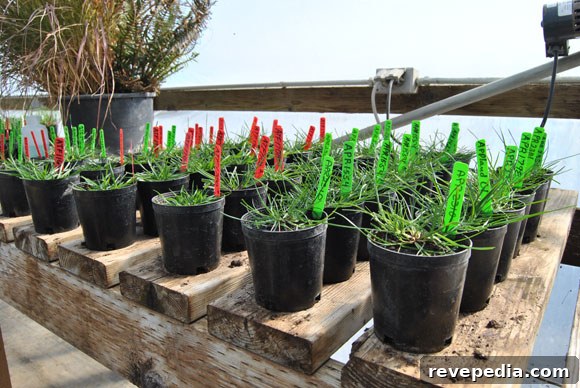
Pennington Seed began as a family-owned seed store in Madison, Georgia, and has grown into an industry leader in grass seed production. To advance their research and develop drought-tolerant varieties, Pennington acquired NexGen—the largest private turf research facility in the United States.
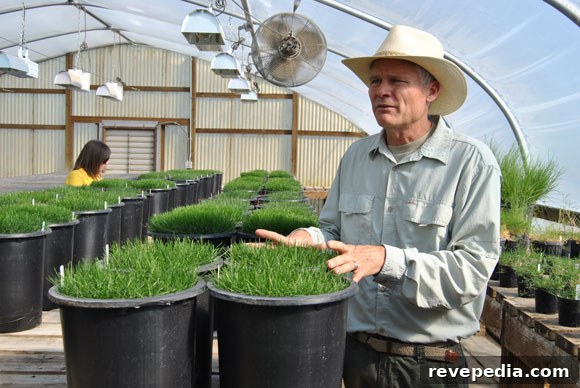
At NexGen we met the research team led by Kenneth Hignight. Most of the scientists and technicians I spoke with have devoted their careers to plant and seed research. They are passionate about creating superior turf varieties and about reducing the environmental impact of lawns through water conservation and responsible management.
One compelling story they shared was how researchers sometimes collect seed samples from unlikely locations—like cemeteries—where grass is often left unwatered and unmanaged. Seedlings that survive in those harsh conditions often carry genes for superior drought tolerance, making them valuable for breeding programs aimed at low-water turf.
Developing drought-resistant turf can significantly lower the water needed to maintain a healthy yard. The single most practical tip I took away from the visit was simple: do your research. Choose grass varieties suited to your climate and soil, and understand how they behave through the seasons.

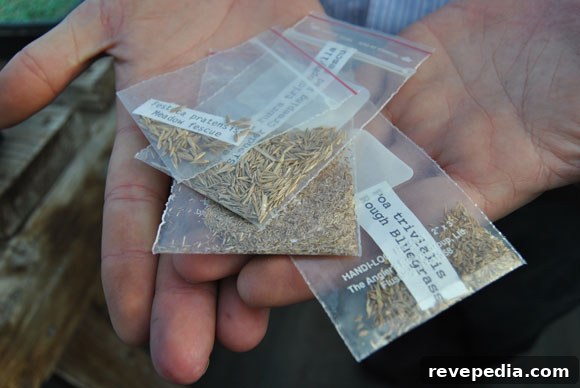
Exporting Seed and Erosion Control
A rapidly expanding segment for Pennington is erosion-control seed. These specially selected varieties develop strong, deep root systems that stabilize topsoil on slopes and roadside embankments, reducing erosion from rain and runoff.
Erosion-control mixes are a major export for Pennington, with more than ten million dollars’ worth of seed shipped abroad annually, including significant sales to China. During events like the Beijing Olympics, where dust and land degradation were concerns, erosion-control seed played an important role in limiting dust and stabilizing vulnerable landscapes.
What the Pros Know
Throughout the visit I kept hearing, “The pros do this,” referring to groundskeepers at golf courses, sports stadiums and sod farms. Ronnie Stapp, EVP of Seed Operations, explained that professionals succeed because they know what to expect from their seed and how to manage it. Homeowners often look for quick fixes and skip crucial research into which seed suits their climate and soil.
Some turf varieties naturally go dormant and brown in winter regardless of watering. Knowing your soil type and selecting the right seed for your local conditions solves much of the mystery. Growing a robust lawn takes patience; it can take two to three seasons for turf to fully establish and perform as expected.
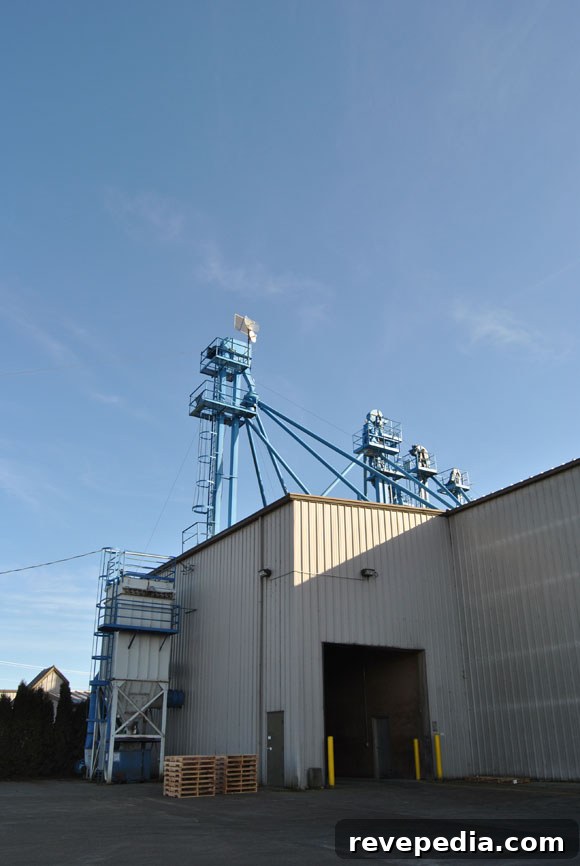
Factory Tour
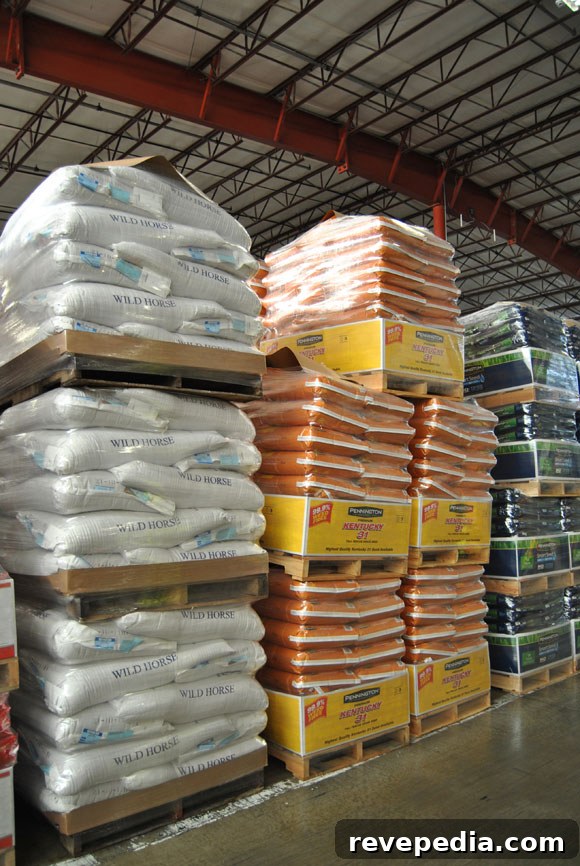
After hours of seed science, we toured a Pennington manufacturing facility. The company operates multiple facilities across the country and partners with long-standing local farms—some in operation for generations—to grow the seed. Pennington supports these communities by being a reliable buyer rather than owning all the farmland directly.
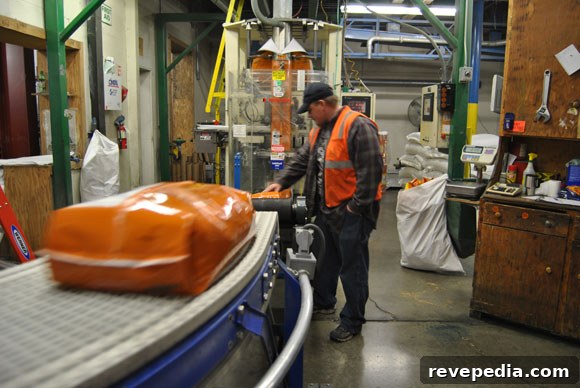
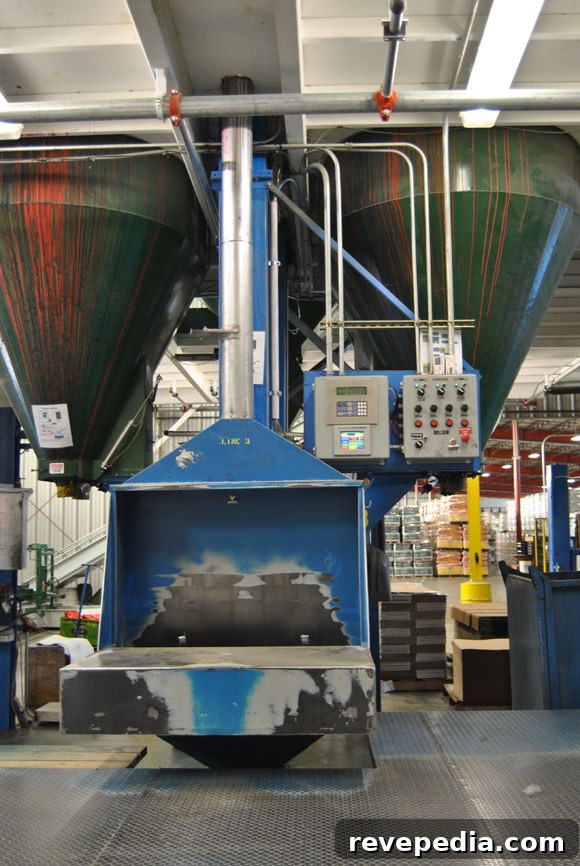
It was a busy time at the plant—spring is peak season—so forklifts moved bags of seed and employees focused on packaging and shipping. The scale and organization of the operation were impressive, and it underscored how many steps are involved from field to bag.
Back at NexGen we looked at Pennington’s 1 Step Complete product. The pre-mixed bag contains premium Smart Seed varieties, professional-grade fertilizer and mulch—an all-in-one option designed to make lawn repair straightforward. It looks like a convenient choice for filling in bare spots without juggling separate products.
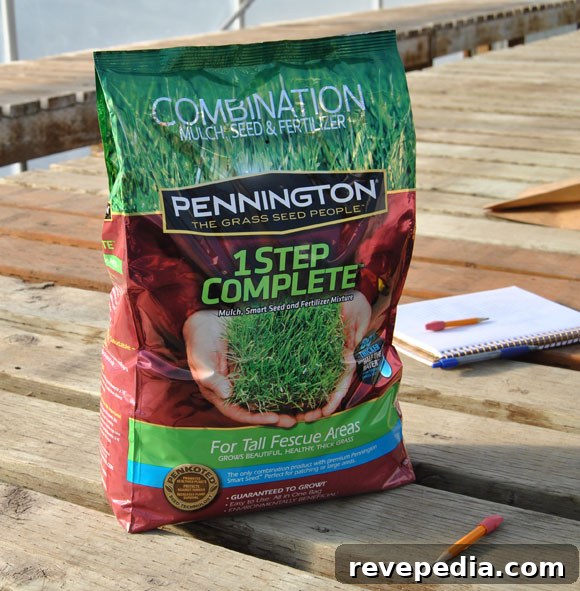
I plan to test 1 Step Complete as part of my ongoing lawn repair effort and will write a follow-up about the results. I’m grateful to the teams at NexGen and Pennington Seed for opening their doors and sharing how seed is developed and produced in the U.S.
Disclosure: Pennington Seed, Inc. and parent company Central Garden & Pet partnered with bloggers, including me, to provide education about grass seed. As part of this program I received compensation and was hosted for a kickoff event. The company did not instruct me what to purchase or what to say. Central Garden & Pet supports independent opinions and follows industry ethical and disclosure guidelines.