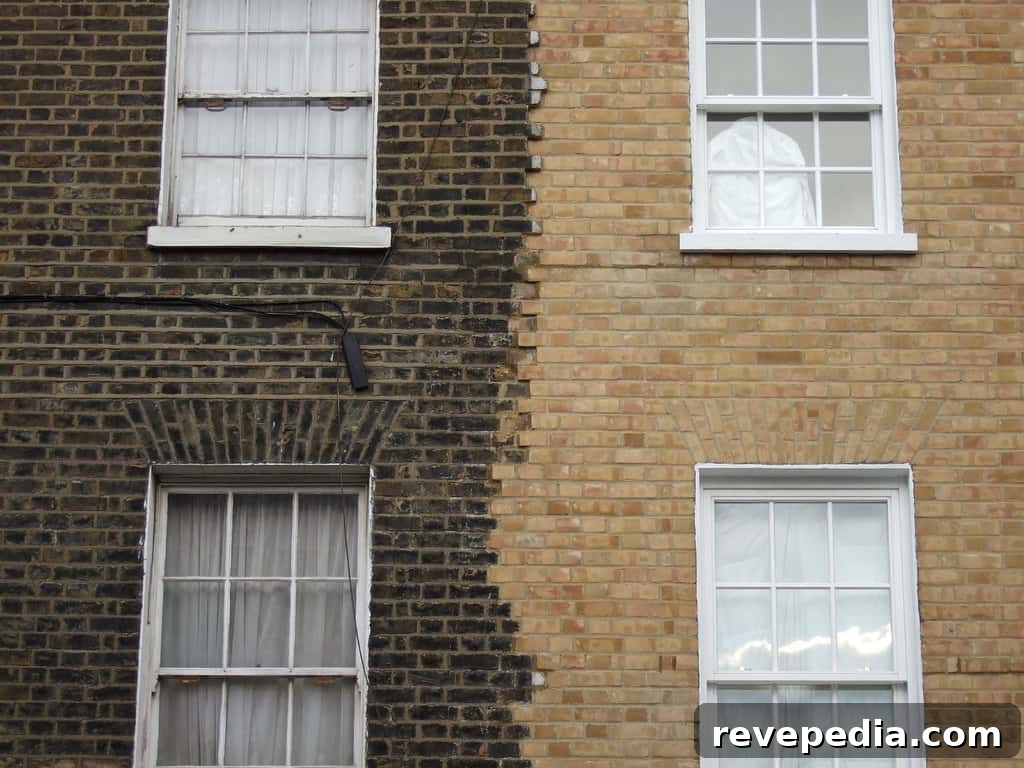
To truly understand gentrification, you must look beyond the modern shorthand of the term. Forget stereotypical images of angry hipsters, aging baby boomers, or flamboyant urbanites—gentrification is a long-running, multi-layered process that in many cases traces back to the Industrial Revolution. Understanding its history and theories clarifies why it unfolds as it does today.
The word “gentrification” in its current sense was coined in 1964 by sociologist Ruth Glass, though earlier etymological references appear as far back as 1888. For a concise, theory-driven overview, it helps to focus on the work of Bruce London and J. John Palen, published in 1984 as Gentrification, Displacement, and Neighborhood Revitalization. Their analysis outlines five theoretical explanations for gentrification. These frameworks remain useful today because they interpret patterns and motivations rather than asserting strict cause-and-effect tied to a single generation.
London and Palen’s study was based on patterns emerging in the 1970s, when many 25–35-year-olds—then young adults who later became part of the Baby Boomer generation—began returning to cities. Though the specific age cohort has aged, the theoretical lenses they proposed still illuminate how and why gentrification recurs across different eras and demographics.
Demographic-Ecological
This approach highlights population pressures and housing market dynamics. During periods of rapid population growth, suburban housing supply can lag, driving up suburban housing costs. As a result, young, educated, white-collar workers—often without children—may move back to the city to reduce commuting time and housing expense. Neighborhoods close to concentrations of white-collar employment are particularly likely to gentrify under these conditions.
Sociocultural
The sociocultural perspective emphasizes shifting preferences, values, and lifestyles. Some people deliberately choose urban living over suburban or rural life, becoming “urban pioneers” who demonstrate that city life can be desirable if neighborhoods are improved. This view also argues that core cultural values don’t vanish; they simply find new expressions—restoring and preserving urban architecture becomes a contemporary way to express long-standing values around homeownership, aesthetic standards, and civic pride.
Political-Economic
The political-economic explanation has two main strands. The non-Marxist strand points to historical changes—such as desegregation in the 1950s and 1960s—that allowed African Americans greater access to suburban housing while some white households chose to return to urban areas for social or political reasons. At the same time, rising suburban costs made central city housing relatively affordable for young people who were less concerned about schools or play spaces.
The Marxist strand interprets gentrification as orchestrated by powerful economic actors. According to this view, influential interest groups may allow neighborhoods to decline until market or policy changes produce opportunities for profitable redevelopment. The resulting upward transformation benefits capital owners while displacing lower-income residents, a process consistent with critiques of class-based urban restructuring.
Community-Network
The community-network perspective contrasts two outcomes: community loss and community renewal. On one hand, technological change and social disruption can erode traditional neighborhood ties, contributing to physical neglect. On the other hand, newcomers who rehabilitate buildings may foster a different kind of community—one that prioritizes suburban-style aesthetics, privacy, and selective communal engagement. This new community can feel cohesive while also reshaping social norms and patterns of belonging.
Social Movements
When the demographic, cultural, political, and economic factors align—combined with public and private initiatives—revitalization becomes a collective project. Governments, financial institutions, developers, local elites, and committed residents may push coordinated efforts to “revive” neighborhoods. These campaigns attract people who invest time and resources in renovating housing and public spaces, reinforcing a broader wave of urban renewal.
Supplementary economic theories add nuance. One explains gentrification through the concept of a rent gap: deindustrialization and underused properties create a discrepancy between current land values and the higher returns possible after redevelopment. Developers and investors exploit that gap. Another line of thought describes a staged process in which lower-wage creative professionals—artists, musicians, teachers—are initially courted as “first-stage gentrifiers.” Their presence builds cultural cachet, then wealthier buyers and investors enter the market, prices rise, and the early creative residents are often priced out.
In short, gentrification is not simply the outcome of personal taste or isolated lifestyle choices. It is a complex social mechanism involving demographic trends, cultural shifts, economic incentives, political decisions, and community dynamics. Many actors—public and private, powerful and grassroots—contribute to how neighborhoods transform, and those transformations can produce both renewal and displacement.
This overview sets the stage for a balanced evaluation of gentrification’s benefits and harms. In a following discussion, we can weigh the social and economic pros and cons from a sociological perspective. If you have questions or want to explore specific examples or policy responses, feel free to ask.
Photo: https://www.flickr.com/photos/jamespaullong/438953957/