Many people link home fires in winter with the holiday season — candles left unattended, Christmas trees tipping over, decorative lights shorting out, and overloaded outlets sparking. But the risk extends beyond holidays: cold months drive increased use of heat sources and keep people indoors, creating conditions that make fires more likely and more dangerous.
To reduce that risk, it’s essential to prepare and practice a clear fire escape plan with your family. A large share of residential fires occur during the colder months of January through March, when space heaters, fireplaces, stoves, and even cigarettes are used more frequently. Any of these items can ignite nearby materials and quickly turn a small incident into a life-threatening situation.
Practicing fire drills at home may seem like overkill, but real emergencies remove the luxury of calm thinking. Personal experience shows that when smoke, flames, and burning possessions are present, panic can overwhelm even basic safety instincts. Actions taught in school — like “stop, drop, and roll” — are valuable, but they don’t always come naturally under stress unless they’ve been rehearsed.
The most important reason to rehearse a plan is to protect others in the household, particularly children. Young kids commonly react to danger with fear and paralysis. Instead of evacuating, a child might hide or stay in bed calling for a parent, inhaling toxic smoke and losing precious time. That’s why families should have a practiced routine that every member understands, including where to meet outside and how to exit from different rooms.
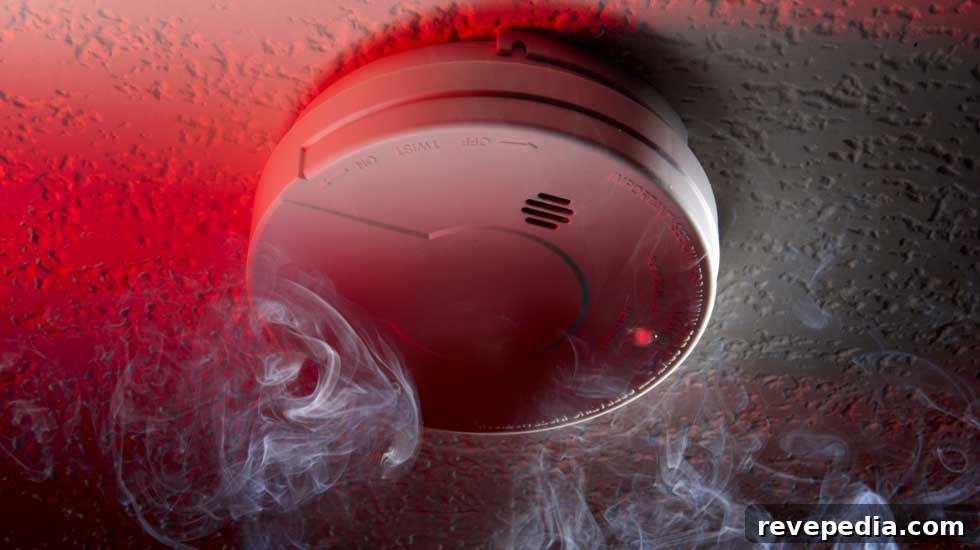
Research also highlights another concern: children between ages 6 and 13 often cannot distinguish the tone of a smoke alarm while asleep. Relying solely on a standard alarm to wake a child is risky. However, the same studies show children are reliably awakened by a parent’s voice. For that reason, consider using smoke alarms that can play a recorded voice message from a parent to wake and direct children during an emergency. These devices can reduce confusion, calm a frightened child, and provide clear instructions when seconds matter.
When creating a home fire plan, include these practical steps:
- Map two escape routes from every room, including windows where appropriate, and ensure everyone knows how to open windows and operate screens or security devices.
- Choose a safe meeting point outside the house so everyone can be accounted for quickly.
- Practice the plan regularly at different times of day, including night drills so children learn to respond from sleep.
- Install smoke alarms on every level of your home and outside sleeping areas; test them monthly and replace batteries annually or as recommended by the manufacturer.
- Consider voice-capable smoke alarms or alarms that alert via a connected system to increase the chance children will wake and follow instructions.
- Teach children basic responses — how to crawl under smoke, how to stop, drop, and roll if clothing catches fire, and how to call emergency services once safely outside.
- Keep escape routes clear of clutter and ensure doors and windows can be opened easily in an emergency.
Practicing these steps with your family builds muscle memory and confidence. In a real fire, actions done automatically are often the difference between a safe escape and tragedy. Regular drills reduce fear and confusion, helping everyone act quickly and calmly.
Ultimately, a well-rehearsed fire emergency plan protects lives more than it protects belongings. Take the time now to create, explain, and practice a plan with every member of your household — especially children. That preparation gives your family the best chance to exit safely should a fire occur, leaving material losses behind while preserving what matters most.