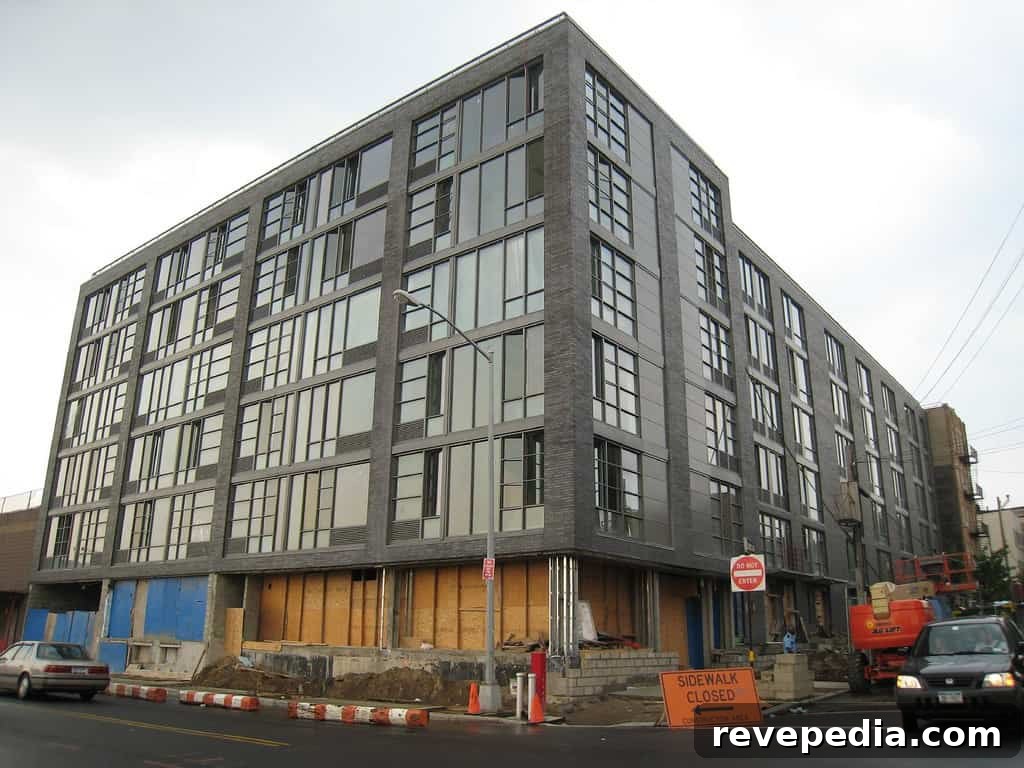
Now that we understand what gentrification is and the socio-economic factors that drive it, this article focuses on the main arguments in favor of gentrification — the benefits it can bring to urban neighborhoods and their residents. Gentrification is a complex, multi-faceted process, so here we concentrate on its positive impacts.
At its most basic level, gentrification can transform neglected or blighted urban areas into repaired, reoccupied, and revitalized neighborhoods. This change usually requires sustained effort from residents, community groups, and investors and unfolds over several years. The visible improvements often appear gradually, and it can take even longer for a neighborhood to be widely regarded as successful.
Below are the main positive effects commonly associated with gentrification:
Safer Neighborhoods
Urban sociological models, like the Chicago School’s concentric zone theory, describe cities in rings: a central business district surrounded by residential zones that historically housed industrial workers. The ring nearest the center often becomes rundown and concentrates crime and poverty. Gentrification typically begins in these areas when new residents move in with the intention of revitalizing them. Their investment and presence can reduce crime, improve property conditions, and attract visitors. As neighborhoods become safer and more active, downtown amenities and events draw more people, which strengthens the local economy and contributes to metropolitan stability.
Preservation of Local History
One route to revitalization is designating an area as a historic neighborhood. Historical status allows municipalities to enforce regulations that protect a neighborhood’s character—addressing litter, noise, aesthetics, and public safety. These measures help residents maintain improvements and protect properties from future decay. Restoring older homes to their former character, often with sensitive modern updates, preserves architectural charm and the cultural memory of urban communities.
Commercial Reinvestment
Gentrification frequently draws new businesses—cafés, restaurants, boutiques, galleries, and community centers—that would otherwise overlook the area. These businesses expand local choices for residents and visitors, create jobs, and circulate money within the neighborhood. A renewed commercial scene can also encourage local sourcing and support for artisans and producers, fostering community pride and a stronger local economy.
Creativity Takes Center Stage
Neighborhoods undergoing gentrification often attract young, creative professionals, including artists, educators, performers, and entrepreneurs. Concentrations of creative people generate cultural activity—studios, galleries, performances, and community events—that enrich urban life. Preserving spaces where art and culture can thrive is important for social vitality, and such neighborhoods tend to maintain distinctive, vibrant identities that resist bland uniformity.
Rising Property Values and Greater Social Investment
As commercial activity and property improvements increase, so do property values and local tax revenues. While higher costs of living can be contentious, increased tax income can fund public services across the metropolitan area—schools, libraries, public safety, and other social programs. Living in a revitalized urban area may carry a premium, but it can also contribute to broader community resources and services.
Upcycling and Sustainable Living
Many people involved in neighborhood revitalization embrace environmentally conscious practices. Renovating existing buildings rather than demolishing and rebuilding preserves resources and reduces construction waste. Gentrified areas often support alternative transportation—public transit, biking, and walking—which lowers local pollution. An expanded local food scene, including farmer’s markets and neighborhood eateries, can reduce food miles and encourage sustainable consumption.
These points summarize the most common arguments made in support of gentrification. While not exhaustive, they highlight safety improvements, historic preservation, economic reinvestment, cultural vitality, increased public funding, and environmental benefits. Future discussion will examine the criticisms and challenges associated with gentrification. In the meantime, readers are invited to reflect on how these changes have affected their own neighborhoods and to share their experiences.
Photo: https://www.flickr.com/photos/conbon/660377675/