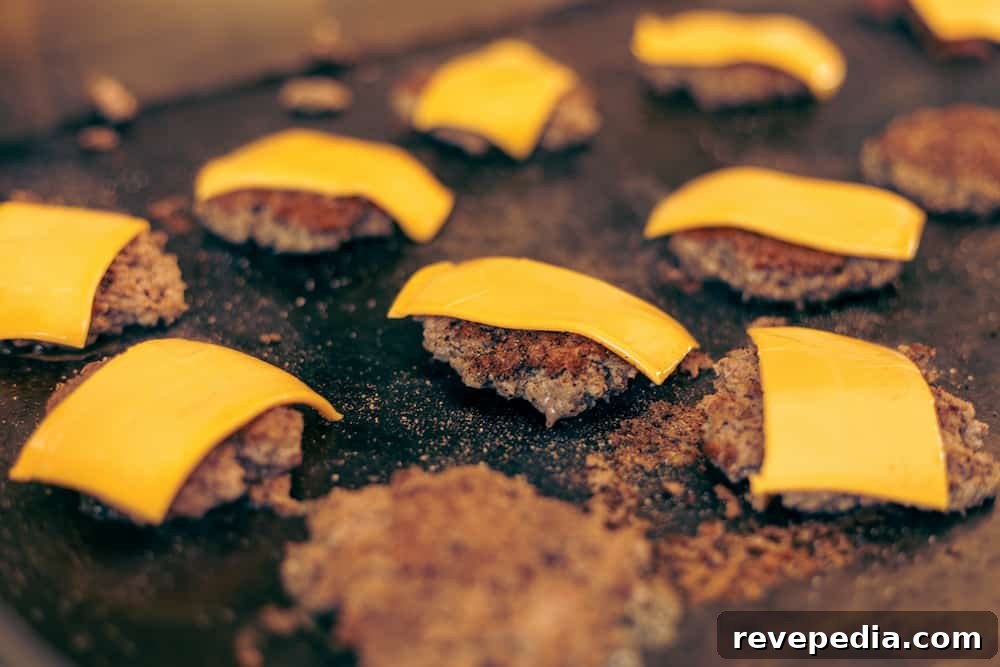
Flattop grills, also known as griddles, have transformed outdoor cooking and earned a steady place in both backyard and commercial kitchens. These flat, solid cooking surfaces provide a versatile platform for a wide range of dishes, from breakfast staples to restaurant-quality seared meats. This guide explains what flattop grills are, their benefits, how to choose the right model, useful cooking techniques, and essential maintenance tips to get the most from these excellent cooking tools.
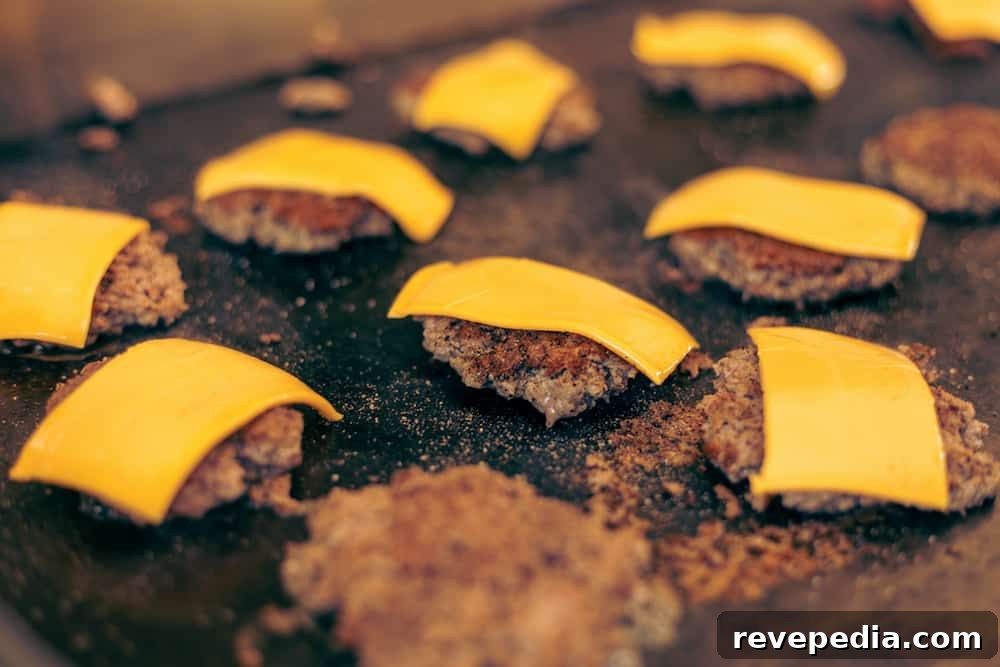
What is a Flattop Grill?
A flattop grill is a flat, continuous cooking surface usually made of steel or cast iron. Unlike traditional grills that use open grates, a flattop provides an even, uninterrupted area to cook multiple items at once. These grills are available in sizes ranging from small, portable models for casual use to large, commercial-grade units built for heavy-duty cooking.
Advantages of Flattop Grills
Flattop grills are popular because they combine efficiency with cooking flexibility. Key advantages include:
- Even Heat Distribution: The solid surface disperses heat uniformly, reducing hot spots and ensuring consistent results across the cooking area.
- Wide Versatility: You can cook pancakes, eggs, stir-fries, burgers, seafood, vegetables, and more—all on the same surface.
- Precise Temperature Control: Many models allow fine control over heat zones, enabling searing, sautéing, and gentle simmering as needed.
- Fast Heat-Up and Efficiency: Flattops reach cooking temperature quickly and maintain heat efficiently, which saves time and fuel.
- Simplified Cleanup: The flat surface is easy to scrape and wipe down; most units include grease channels and drip trays that collect runoff for fast cleanup.
How to Choose the Right Flattop Grill
Choosing the right flattop grill depends on how you plan to use it and where you’ll keep it. Key considerations include:
Size and Cooking Area
Match the cooking surface to your needs. Small, portable griddles are ideal for couples or camping, while larger units suit family gatherings, parties, or commercial use. Think about storage space and transportability as well.
Fuel Type
Flattop grills are commonly powered by propane, natural gas, or electricity. Propane offers portability, natural gas suits a permanent outdoor kitchen connection, and electric griddles work well where gas isn’t available or for indoor use.
Construction Material
Look for durable materials such as stainless steel, carbon steel, or cast iron. Stainless steel resists corrosion and is easy to maintain; cast iron retains heat well and, when seasoned, offers excellent non-stick properties.
Additional Features
Consider features that match your cooking style: multiple burners for heat zones, side burners, storage shelves or cabinets, wheels for mobility, and integrated grease management systems. Choose the extras that will be genuinely useful rather than paying for unused bells and whistles.
Cooking Techniques for Flattop Grills
A flattop grill encourages a variety of cooking methods. Learning a few core techniques lets you maximize its potential:
Searing
Preheat the surface to high heat for a professional sear. Cook steaks, burgers, or seafood briefly on each side to develop a caramelized crust while keeping the interior juicy.
Stir-Frying
The broad, flat surface is perfect for pan-style stir-fries. Spread ingredients in a single layer and move them frequently to ensure even cooking and a crisp texture.
Griddling
Use the flat surface for breakfast items like pancakes, eggs, and bacon. The consistent heat makes flipping and multitasking effortless.
Simmering and Sauce Work
With good temperature control, you can simmer sauces, reduce pan juices, or keep sides warm without scorching. Use lower heat zones for delicate items and higher zones for searing.
Maintenance and Care
Proper care extends the life of your flattop and keeps food tasting its best. Follow these practical maintenance steps:
Cleaning
After each cooking session, scrape the surface to remove residue, then wipe it down with a damp cloth. Empty and clean grease channels and drip trays regularly to avoid buildup and odors.
Seasoning
For cast iron or carbon steel griddles, apply a thin layer of cooking oil and heat to form a protective seasoning. Regular seasoning prevents rust and builds a natural non-stick layer that improves with use.
Protective Covering
When not in use, cover the grill to shield it from rain, dust, and UV exposure. A quality cover helps prevent corrosion and reduces the need for frequent deep cleaning.
Flattop grills are more than a seasonal convenience; they’re a flexible cooking platform that can elevate everyday meals and professional menus alike. Their even heat, wide adaptability, and relatively simple maintenance make them a smart choice for anyone who enjoys cooking outdoors or needs a reliable surface in a commercial kitchen. Whether you’re preparing a casual weekend breakfast, hosting a backyard gathering, or running a busy food service operation, a flattop grill can expand your culinary possibilities.
Blackstone Flattop Grills
Blackstone is one of the most recognized manufacturers of flattop grills, known for a range of consumer and commercial models. If you’re interested in specific recommendations, model comparisons, and detailed reviews, consider researching current product offerings and hands-on evaluations to find the best match for your needs.