For many people, a home is more than a place to sleep—it’s a major investment that requires careful attention. While homeowners often focus on cleaning, upgrades, or renovations, one critical practice is frequently overlooked: regular home inspections. Consistent inspections distinguish properties that retain their value from those that steadily deteriorate. Skipping this essential step can transform minor, repairable problems into expensive, time-consuming crises.
The True Value of Inspections
Many homeowners underestimate the benefits of routine inspections, dismissing them as unnecessary or inconvenient. The truth is quite different. Certified inspectors have the skills to uncover risks that most people would miss. From structural cracks and defective wiring to hidden leaks and pest infestations, professionals can identify hazards that threaten both a home’s integrity and the occupants’ safety.
Exterior elements like chimneys and vents also require attention. Chimney maintenance and professional cleaning can prevent blockages and reduce the risk of fires, making chimney checks a key component of comprehensive inspections.
Beyond spotting immediate problems, formal inspections help homeowners establish a practical maintenance schedule. Day-to-day routines and busy lives make it easy to miss small tasks that, over months and years, become larger and more expensive repairs. Inspections identify these overlooked areas and provide clear guidance on preventive steps to avoid future complications.
Preserving Value and Appearance
Whether you intend to stay in your home long-term or plan to sell, regular inspections are crucial for maintaining market value. A well-maintained property not only looks better but also commands higher prices. Buyers look for reassurance that a home has been cared for and that no hidden problems will surface after purchase. Routine inspections and timely maintenance make properties more attractive to buyers and can directly increase resale value.
Regular assessments also support preventive maintenance, avoiding sudden and disruptive repairs. A home where everything functions as it should is more appealing to potential buyers and easier to show. Consistent upkeep reflects care and attention and preserves both the visual appeal and the structural soundness of the property.
Financial Foresight
Small problems can quickly escalate into major financial burdens. For example, an unattended roof leak can lead to widespread water damage, mold growth, and structural rot, culminating in extensive and costly renovations. Regular inspections serve as an early warning system, catching issues while they are still manageable and preventing expensive emergency repairs.
Inspections also reveal opportunities to improve a home’s energy efficiency. With the right information, homeowners can invest in upgrades—such as insulation, sealing, or modern heating and cooling systems—that lower utility bills and improve comfort. Over time, these energy-conscious improvements pay for themselves and contribute to a more sustainable household.
Peace of Mind
One of the most valuable outcomes of regular inspections is peace of mind. Knowing that your home has been checked for hidden dangers and that essential systems are functioning correctly allows homeowners to feel secure about their family’s safety and the protection of their investment. This emotional reassurance is an important, though often overlooked, benefit of consistent inspections.
Informed homeowners make better decisions. Regular inspections provide the facts needed to plan maintenance, prioritize repairs, and make upgrades with confidence. That knowledge supports a more relaxed, organized home life, where preventive measures reduce the likelihood of unexpected problems.
Health and Safety First
Inspections are essential for protecting residents’ health and well-being. Faulty electrical systems, mold issues, and gas leaks can be hidden but pose serious health risks if not addressed. Routine examinations reduce those risks by identifying hazards early and ensuring corrective action is taken promptly.
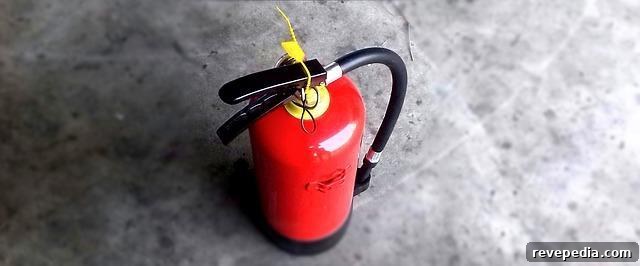
Inspections also check that safety devices—smoke alarms, carbon monoxide detectors, and fire extinguishers—are present and functioning. These devices often require testing, battery changes, or replacement. Regular inspections prompt timely maintenance so safety measures will work when they are needed most.
Conclusion
Homeownership calls for a proactive approach to care and maintenance. Overlooking regular inspections is shortsighted and increases the likelihood of costly problems. By committing to periodic inspections, homeowners protect their property’s structural integrity, ensure the safety of occupants, preserve market value, and avoid many preventable expenses. Regular inspections are a practical, effective way to safeguard your home and maintain the foundation of comfort and security for years to come.