This week we introduce a three-part series called Window Wisdom, sponsored by Marvin Windows and Doors, which explores the practical and design aspects of windows. Often overlooked, windows are essential: they let light and warmth into living spaces, frame views of the outdoors, and contribute greatly to a building’s appearance and comfort.
To begin the series, this article explains how to perform a basic energy and condition audit on your windows so you can determine whether repair or replacement is needed. Next week we’ll publish a window buying guide, and the series will conclude with tips for cleaning and maintaining windows.
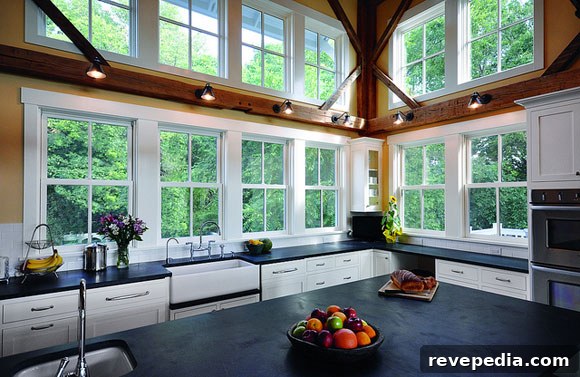
Beyond bringing natural light, windows shape the look and feel of both a home’s exterior and interior. They serve as design elements and must also perform reliably: repeated use and exposure to harsh weather can shorten their lifespan. To judge the current state and energy performance of your windows, try these straightforward but effective checks.
Watch the Flame
A candle test is a simple way to find drafts. With the window closed, hold a lit candle about 2–3 inches from the edges and slowly move it around the frame. If the flame flickers or leans in a specific spot, that indicates air infiltration. This same method works for doors and other openings.
Hot or Cold
On very warm or cold days, feel along the inside perimeter of each window for unusually warm or cool spots. Temperature differences often indicate air leaks that waste energy. In some cases, replacing or repairing weather stripping will stop the issue; in others, cracks in the frame or casement may require more extensive repair or replacement.
Check the Exterior
Inspect the paint and finish on exterior window frames. If you find peeling, cracking, or soft spots, the window seal or frame may be compromised and allowing air or moisture to pass through. Address these issues promptly: unchecked cracks and moisture intrusion can lead to water damage in the wall assemblies, which becomes far more expensive to fix than addressing window problems early.
Weather Beater
Homes in climates that experience extreme heat, cold, or heavy precipitation should have windows checked more frequently. Repeated wetting and drying and extreme temperature swings cause expansion and contraction in frames, which can accelerate deterioration. UV exposure can also degrade untreated or damaged wood. If you live in an area prone to hurricanes or tornadoes, consider impact-resistant windows designed for those conditions, such as impact-rated products offered by some manufacturers.
Final Easy Window Checkup
A simple frame check can reveal hidden decay. Using a flat-head screwdriver or another blunt tool, gently tap and press the edge of the frame in several places. If the tool penetrates the wood easily or feels spongy, that often indicates rot or decay and may mean a full-frame replacement is necessary. Be careful to use a blunt tool to avoid unnecessary damage.
After completing these checks, you’ll have a clearer idea of whether your windows can be repaired or if replacement makes more sense. New window technologies and construction methods have dramatically improved energy efficiency in recent years; upgrading can reduce energy bills and, in some cases, qualify for tax incentives or rebates depending on local programs and regulations.
Next week we’ll publish our window buying guide, which will outline options for different styles, performance needs, and budgets. In the meantime, good luck with your window audit.
Part I Perform a Window Audit
Part II Window Buying Guide
Part III Cleaning & Caring for Windows