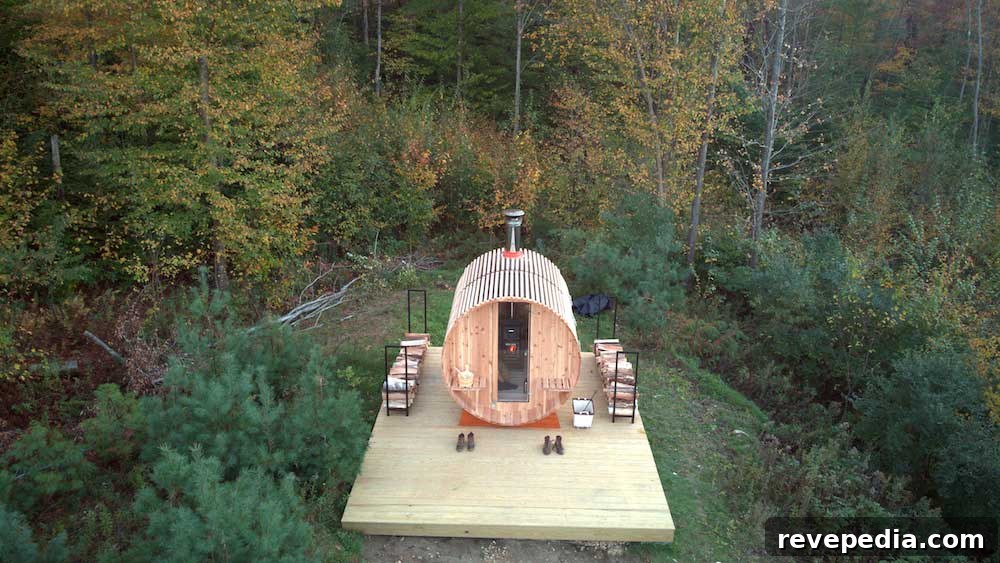
A wood-burning sauna offers one of the most traditional and authentic ways to enjoy sauna bathing. Used for centuries, these saunas deliver a distinctive experience—combining sensory richness, proven health effects, and long-term value—that sets them apart from electric and gas alternatives.
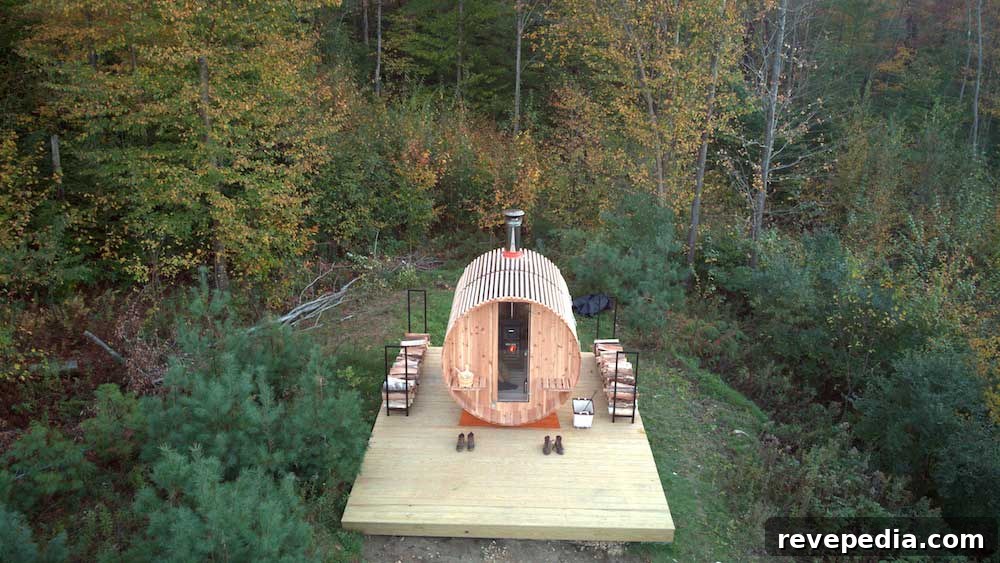
The Ambiance of a Wood-Burning Sauna
One of the most notable qualities of a wood-burning sauna is its atmosphere. The radiant warmth from the stove, the soft glow of the embers, and the gentle crackle of burning wood create a calm, meditative setting that many users find far more appealing than the sterile heat of electric units. Thenatural scent of clean-burning wood adds an organic aroma that enhances relaxation and deepens the overall sensory experience.
Health Benefits of Wood-Burning Sauna Use
Wood-burning saunas provide more than ambiance. The steady heat raises core body temperature, increases circulation, and triggers sweating—mechanisms associated with several health effects. Sweating helps eliminate certain toxins and can relieve muscle tension, while the warm humid air can ease breathing by opening airways. Regular use of a sauna, including wood-fired types, has been linked to multiple potential benefits, such as:
- Relaxation: Heat and humidity promote muscle relaxation and help reduce mental stress.
- Improved cardiovascular response: Elevated heart rate and improved circulation during a session can support cardiovascular conditioning when used regularly and safely.
- Cleansing through perspiration: Sweating supports skin cleansing and may contribute to the removal of metabolic byproducts.
- Pain relief: Heat can ease stiffness and discomfort related to conditions like arthritis or chronic muscle tension.
- Immune support: Routine sauna exposure has been associated in some studies with a stronger immune response and fewer respiratory illnesses.
- Caloric expenditure: The cardiovascular response and sweating during a sauna session can increase metabolic activity, complementing—but not replacing—regular exercise.
Cost-Effectiveness and Longevity
While a wood-burning sauna can require a higher upfront investment than some electric models, many owners find it economical over time. Firewood is often less expensive than continuous electricity or gas usage, and a well-built wood sauna can remain functional for decades with routine care. The stoves themselves are typically durable, and maintenance is straightforward: regular chimney cleaning, occasional stove servicing, and proper ventilation keep the unit safe and efficient.
Buying or Building Your Sauna
Choosing a wood-burning sauna suits anyone seeking an authentic, sensory-rich sauna practice. Buyers can opt for prebuilt models delivered and installed by specialized manufacturers, or for a DIY approach if they have construction skills and local building approvals. Prefab units simplify installation and are available in various sizes and finishes. Building your own allows customization of layout, materials, and stove placement to match personal preferences and site constraints.
Regardless of whether you purchase or build, prioritize safety and compliance: select a certified stove, follow chimney and clearances recommendations, and ensure proper ventilation and fireproofing. Regular maintenance and responsible wood-burning practices will maximize performance and safety.
In summary, a wood-burning sauna combines sensory appeal, potential health benefits, and long-term value. For those who appreciate a natural atmosphere and traditional heat, it remains a compelling option to bring restorative warmth and relaxation into the home.